Sunrise Homes & Renovations, Inc.

  • Home
  • About
    • About Us
    • Recognition
      • Disaster Contractors Network
      • US EPA Certified
    • Accessibility Statement
  • Example Models
  • Renovations
  • Resources
    • First Time Home Buyer Tips
    • First Time Home Seller Tips
  • Blog
  • Contact

How the National Association of REALTORS Supports the Path to Homeownership

June 24, 2025 by Rhonda Costa

June marks National Homeownership Month, a time to celebrate one of the most important milestones in life, owning a home. While many organizations work to make homeownership accessible, one of the most influential is the National Association of REALTORS® (NAR). As the largest trade association in the U.S., NAR plays a critical role in promoting, protecting, and expanding homeownership opportunities for all Americans.

With over 1.5 million members, NAR is not just an association for real estate professionals, it’s an advocate for buyers, sellers, and communities nationwide. During National Homeownership Month, it’s the perfect time to highlight how this organization supports current and future homeowners.

Championing the American Dream
At its core, NAR believes that homeownership is the foundation of strong communities and personal financial stability. Through its advocacy efforts, NAR works with lawmakers, regulators, and industry leaders to protect property ownership rights and ensure housing policies support both buyers and sellers.

Whether it is pushing for tax incentives for homeowners, supporting fair housing laws, or promoting financial literacy, NAR plays a hands-on role in shaping the policies that directly impact your ability to buy and keep a home.

Educating and Empowering Buyers
Education is essential for a successful homeownership journey, and NAR provides a wide range of resources to help buyers navigate the process with confidence. Their affiliated site, Homeownership Matters, offers articles, tips, and updates on housing-related issues, while Realtor.com connects consumers with market data, listings, and professional guidance.

NAR also promotes the importance of working with a REALTOR, a professional who not only abides by a strict code of ethics but is also trained to advocate for your best interests throughout the transaction.

As we celebrate National Homeownership Month, NAR reminds buyers that they do not have to go it alone, having a trusted expert by your side makes the path smoother and more secure.

Promoting Housing Equality
NAR is a strong proponent of fair housing and equal opportunity. The association has launched several initiatives, including Fairhaven, a fair housing simulation training program for REALTORS®, and ACT!, a program focused on accountability, culture change, and training to combat discrimination in real estate.

In alignment with National Homeownership Month’s focus on expanding access, NAR’s commitment to inclusivity helps ensure that the dream of homeownership is achievable for individuals and families from all backgrounds.

Advocating for Affordability and Access
Through ongoing research and outreach, NAR also addresses the challenges many potential buyers face, such as affordability and limited inventory. By sharing market trends and working with policymakers, NAR supports solutions that aim to expand housing availability and promote sustainable ownership.

Celebrating National Homeownership Month wouldn’t be complete without recognizing the work of the National Association of REALTORS®. Their dedication to advocacy, education, and equality continues to make a lasting impact on communities across the country.

If you’re considering homeownership or simply want to learn more, NAR’s resources and network of professionals are a great place to start.

Filed Under: Real Estate Tips Tagged With: Fair Housing, Homebuyer Help, National Homeownership Month

Why You Should Always Check the Street Name Before Buying a Home

June 12, 2025 by Rhonda Costa

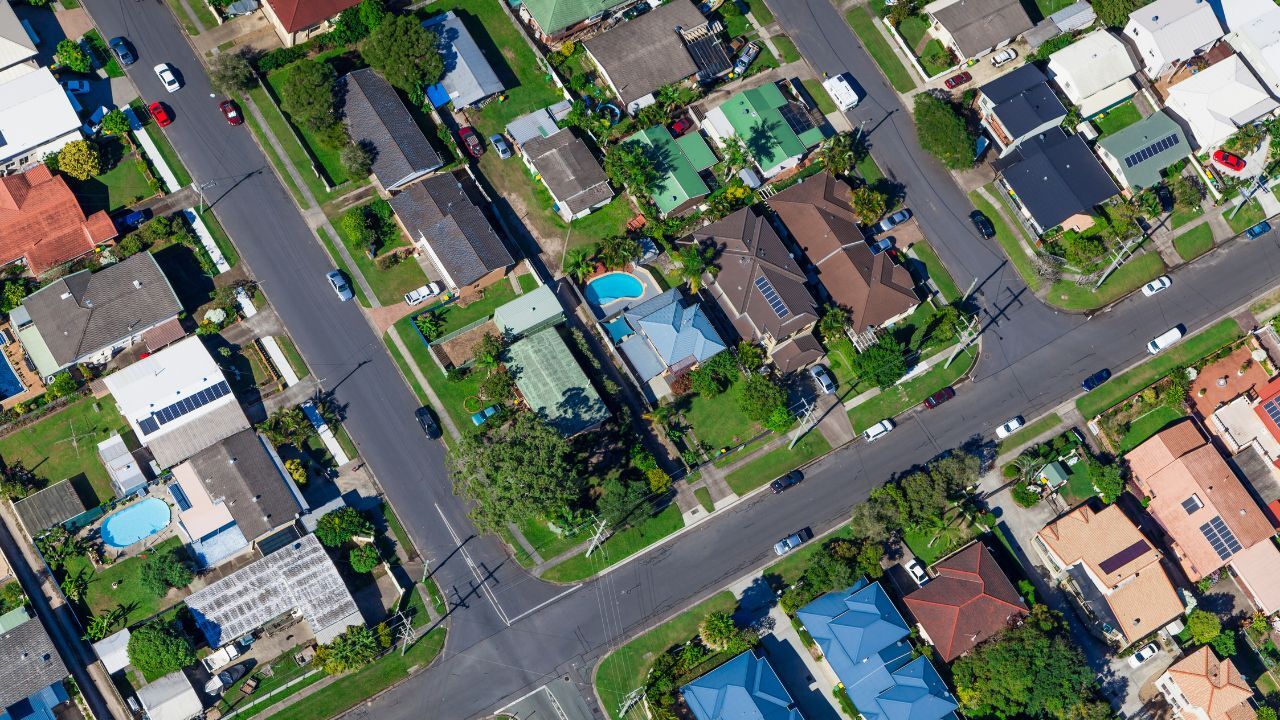
When your house hunting, you are likely focused on the big things like: location, price, layout, and condition. But there is one small detail that can have a surprising impact on your homeownership experience, the street name. While it may seem insignificant at first, the name of your street can affect everything from resale value and first impressions to daily convenience and even safety.

Curb Appeal Starts With the Address
First impressions matter, and your street name is often the first thing someone hears when you share your address. Names like “Ocean View Drive” or “Whispering Pines Lane” can evoke a sense of charm or luxury, while names like “Industrial Avenue” or “Dirt Road” may raise an eyebrow. This seemingly minor detail can color someone’s perception of your home, even before they see it.

It Can Influence Property Value
Believe it or not, some studies have shown that homes on streets with more pleasant or prestigious-sounding names can sell for more than similar homes nearby. A name that suggests exclusivity or nature often appeals more to buyers than one that sounds generic or uninviting. If you’re thinking about resale value, this is something to consider.

Navigational Issues and Delivery Confusion
Street names that are difficult to spell, pronounce, or that sound too similar to nearby roads can cause headaches when it comes to mail, deliveries, and GPS navigation. If your address is often confused with another, you might find packages going missing or guests getting lost. Avoiding streets with names like “Oak Street” and “Oak Lane” right next to each other can save you a lot of stress.

Avoiding Negative Associations
Some street names have unfortunate associations—whether tied to history, a past event, or an unsavory reference. While these may not seem like a big deal, they can influence a potential buyer’s emotional reaction. Buyers might shy away from a home on “Gunpowder Road” or “Dead Man’s Curve” for obvious reasons.

Emergency Services and Safety
Emergency responders rely on accurate and unique addresses. If a street name is too similar to another nearby, it can delay critical response times. In urgent situations, every second counts. Choosing a home on a clearly labeled, distinct street helps ensure that police, fire, or medical personnel can locate your home quickly.

Ultimately, your home is more than an investment, it is a place where you will live, grow, and create memories. A street name might not be the first thing you consider, but it contributes to your overall comfort, convenience, and even pride of ownership.

So, when you are looking at homes, do not overlook the details. Take a moment to say the full address out loud. How does it sound? Can you picture telling it to someone on the phone or writing it on an invitation? If it gives you pause, it might be worth looking at the next option down the road.

Filed Under: Real Estate Tips Tagged With: Curb Appeal Matters, House Hunting Tips, Real Estate

The Hidden Reasons Homes Linger on the Market

June 10, 2025 by Rhonda Costa

When a home sits on the market longer than expected, the price is often the first thing blamed. While overpricing can be a major factor, it’s far from the only one. One of the most common culprits is poor presentation. Buyers today form opinions within seconds, often based on online photos before they even step foot inside. 

Homes that are cluttered, outdated, poorly lit, or in need of deep cleaning may leave a negative impression. Listing photos that are dark, grainy, or unprofessional can stop interest before it starts. 

Accessibility and Showings 
Another big reason homes don’t move quickly is limited accessibility. If a home is difficult to show, whether it’s strict showing hours, last-minute cancellations, or requiring too much advance notice, buyers may simply pass and move on to more available options. The easier it is to schedule and tour, the more likely a home is to be seen, and sold.

Seasonal Timing and Market Conditions 
Timing matters. Homes listed during slower real estate seasons, like late fall or the winter holidays, may naturally take longer to sell. That doesn’t necessarily reflect on the home itself, just that fewer buyers are actively shopping. Even great listings can linger if the market is quieter when they hit the MLS.

Condition Compared to Competition 
Buyers compare. If your home lacks updates or features that similar homes in the area offer, like renovated kitchens, modern bathrooms, or energy-efficient appliances, it may feel overpriced even if it’s not. Small upgrades like fresh paint, new fixtures, or landscaping improvements can help a home stand out and show value without requiring a full renovation.

Seller Psychology and Flexibility 
Emotion plays a role, too. Sellers who are very emotionally attached to their home may struggle to accept feedback from their real estate agent. This might mean resisting price adjustments or refusing to make suggested updates. Unfortunately, a stagnant listing often ends up needing deeper cuts or bigger changes later, ones that could have been avoided by staying flexible early on.

Marketing Reach and Strategy 
Lastly, marketing matters. Simply putting a home on the MLS isn’t enough. Homes that aren’t promoted through multiple channels, such as social media, email campaigns, video tours, agent networks, and paid advertising, can easily be missed by qualified buyers. Effective marketing increases visibility and attracts a larger pool of interested, motivated buyers.

In short, price is important, but it’s not the only reason some homes sit. If a property isn’t moving, it’s time to look at the full picture: presentation, accessibility, market timing, local competition, emotional readiness, and marketing strategy. With the right adjustments and an experienced real estate professional guiding the process, homes that linger can often be repositioned for a quicker, more successful sale.

Filed Under: Real Estate Tips Tagged With: Home Marketing Matters, Home Selling Tips, Real Estate Education

Inspecting Foreclosures Before You Buy

May 23, 2025 by Rhonda Costa

If you have been thinking about investing in a foreclosure property, you will want to make sure the home you choose does not have major hidden issues. Before hiring a professional inspector, you can do a preliminary check by looking out for some of these common problem areas:

Ceilings
Ceilings are typically made of plaster or plasterboard. Keep an eye out for:

  • Cracks, holes, or uneven areas
  • Dampness or mold growth
  • Crumbling surfaces
  • Bulging or cracked spots

Walls
Walls may show similar signs of damage as ceilings, but also look for:

  • Loose skirting boards
  • Dampness or rot
  • Discoloration, blisters, or peeling wallpaper
  • Hazardous materials like asbestos or painted polystyrene tiles (always consult a pro if you suspect asbestos)

Floors
Regardless of the flooring type, structural supports are key. Watch for:

  • Uneven surfaces
  • Cracks, movement, or lifted tiles
  • Loose boards or coverings
  • Large gaps between floorboards
  • Missing or broken tiles

Plumbing
Check both the kitchen, bathrooms, and elsewhere for:

  • Rusty or leaky pipes
  • Pipes that bang or knock
  • Lead piping
  • Poorly supported water tanks

Wiring
Outdated or damaged electrical systems can pose serious risks. Look for:

  • Rubber or exposed wires
  • Failing or blackened sockets
  • Brittle or cracked wiring
  • Overheating plugs

No matter how thorough your personal inspection is, always follow up with a licensed home inspector before making a purchase. A professional can ensure the home is safe and free from costly surprises.

Are you ready to find a great deal on a foreclosure property? We specialize in helping buyers through the process with confidence. Give us a call — we would love to help you get started today!

Filed Under: Real Estate Tips Tagged With: Foreclosure Tips, Home Buying Help, Real Estate Advice

What Do Points Have to Do With Real Estate?

May 21, 2025 by Rhonda Costa

You may have heard of points when looking for real estate. Maybe your loan officer told you that you can trade points for a better interest rate. That sounds good, but just what are points? We’ll give you a better idea of just what points are and how they work.

What Are Points?
Points, more specifically discount points, are a percentage of the total loan amount for the house that is pre-paid to the lender. Each point is worth one percent. Your lender may offer a lower interest rate for your mortgage loan if you buy discount points. 

What do Discount Points Cost?
The cost of each point is equal to one percent of the loan amount. For instance, for a $200,000 loan one discount point equals $2,000.

For example, you are trying to buy real estate worth $200,000. The lender may tell you that if you buy 2 points at $2,000 each, you’ll get an interest rate two percent better.  

Should I Buy Discount Points?
Some lenders will allow you to purchase discount points to be approved for the loan. By buying a discount point, you’ll get a lower interest rate. This can reduce your monthly payments, which could put your credit to debt ratio in the right range.
    
You have to know how long you will live in the house or you could lose money purchasing the discount points. If you sell or refinance before you reach the break-even point, you will wind up with a net loss. Use an online mortgage point calculator to help you determine if buying discount points is a money saving proposition for you.

Points may be a good way for you to save money on your real estate if you plan to stay in your home for a long time. Want one more benefit? Discount points are tax deductible in the year in which they are paid.

Need help understanding mortgage and real estate terms? Feel free to reach out! We can help explain the process.

Filed Under: Real Estate Tips Tagged With: Discount Points, Mortgage Tips, Real Estate 101

Why Some Homes Come with Deed Restrictions You Shouldn’t Ignore

May 2, 2025 by Rhonda Costa

When buying a home, most buyers focus on location, price, and features. However, deed restrictions—legally binding rules that dictate how you can use your property—are equally important. Ignoring them can lead to unexpected limitations and challenges.

What Are Deed Restrictions?

Deed restrictions, also known as restrictive covenants, are rules placed on a property’s deed by developers, homeowners’ associations (HOAs), or local governments. Unlike zoning laws, which are enforced by municipalities, deed restrictions are upheld by private entities like HOAs or developers. Violating them can result in fines, legal action, or forced compliance.

Common Deed Restrictions

Understanding deed restrictions before purchasing a home is crucial. Here are some common restrictions:

  1. Home Modifications & Renovations
    • Requiring HOA approval for exterior paint colors or structural changes.
    • Setting height limits on fences or additions like sheds and pools.
  2. Business & Rental Restrictions
    • Prohibitions on home-based businesses with customer traffic.
    • Bans on short-term rentals like Airbnb.
    • Limits on parking work-related vehicles in residential areas.
  3. Pet & Livestock Regulations
    • Breed or size restrictions for dogs.
    • Limits on the number of pets allowed.
    • Bans on farm animals like chickens or goats.
  4. Landscaping & Outdoor Features
    • Restrictions on specific plant types, trees, or grass varieties.
    • Approval requirements for solar panels or satellite dishes.
    • Rules on sheds, gazebos, or outdoor structures.
  5. Parking & Vehicle Rules
    • Where you can park boats, RVs, or trailers.
    • Whether overnight street parking is allowed.
    • Garage vs. driveway parking requirements.

Why Deed Restrictions Matter

  • They Are Legally Binding: Once you buy a home with deed restrictions, you must follow them.
  • They Can Impact Resale Value: Buyers may avoid homes with excessive limitations.
  • They May Conflict With Your Plans: Restrictions can prevent renovations, rentals, or business operations.

How to Check for Deed Restrictions

  • Review the Property Deed: The deed outlines any restrictive covenants.
  • Request HOA Documents: Obtain the bylaws and CC&Rs (Covenants, Conditions, and Restrictions).
  • Consult a Professional: A real estate agent or attorney can clarify complex restrictions.
  • Check Local Regulations: Some restrictions may be enforced at the municipal level.

Deed restrictions are designed to maintain community standards and protect property values, but they can also limit how you use your home. Before buying, carefully review any restrictions to ensure they align with your lifestyle and long-term plans. Taking the time to understand these rules can prevent costly surprises and help you make an informed decision.

Filed Under: Real Estate Tips Tagged With: Deed Restrictions, Home Ownership, Real Estate

  • « Previous Page
  • 1
  • …
  • 7
  • 8
  • 9
  • 10
  • 11
  • …
  • 34
  • Next Page »

Rhonda & Steve Costa

Rhonda & Steve Costa

Call (352) 398-6790
Sunrise Homes & Renovations, Inc.

Contractors License #CBC 1254207

Let’s Keep In Touch!

  • This field is for validation purposes and should be left unchanged.

Connect With Us on Social Media

Categories

Looking For Something?

Our Location


Spring Hill, FL 34608

Equal Housing Opp

Return to top of page

Copyright © 2026 Sunrise Homes & Renovations, Inc.. All rights reserved.   Log In