 A home showing at 11 a.m. on a Wednesday can give you an excellent look at the property. It may not give you an accurate picture of the neighborhood. Many residents are at work, children are at school, vehicles are gone, and the street may be unusually quiet. Before buying, consider visiting again when the neighbors are actually home.
Come Back After Work
A neighborhood can change considerably between afternoon and evening. When residents return from work, you may discover that street parking fills quickly or that several neighboring households have multiple vehicles. A street that seemed wide and open during your showing could feel considerably tighter at 6 p.m.
You may also get a better sense of commuter traffic and how easy it is to enter or leave the neighborhood during busier hours.
Listen to the Neighborhood
Evening visits can reveal sounds that simply were not present earlier. Dogs may be outside. Children may be playing. Neighbors may gather in yards or garages. Nearby restaurants, businesses, parks, or entertainment areas may become more active.
None of these things are necessarily negative. The question is whether the activity level matches the environment you want.
A buyer who loves an active neighborhood may find these things appealing. Someone looking for exceptional quiet may feel differently.
Weekends Can Tell Another Story
If possible, visit on a weekend too. Saturday morning might reveal landscaping activity, recreational vehicles, community events, garage projects, or heavy use of nearby parks. Weekend evenings could provide a much different picture of neighborhood activity.
If you are considering a condo or townhome, this can be particularly helpful because you may be living much closer to your neighbors.
Observe Without Making Assumptions
The goal is not to evaluate individual neighbors based on one brief visit. Every household occasionally has parties, visitors, barking dogs, or extra cars.
Instead, look at the broader environment. Does the neighborhood function the way you expected? Is parking generally manageable? Is the level of activity comfortable for you? You are purchasing the home, but you will experience everything around it every day.
Before making a final decision, visit at different times and on different days. The house will probably look much the same. The neighborhood might not, and discovering that difference before you buy can be extremely valuable.
 Congratulations! You have closed on your new home! After weeks (or even months) of searching, negotiating, and signing paperwork, you finally have the keys in hand. But before you kick back and start decorating, there are a few essential steps to take to protect your investment and make the transition as smooth as possible.
 Most buyers think about location in terms of commute, schools, shopping, or resale value. Those things matter, but the smaller daily details around access can shape how a home feels once you actually live there. A house may look perfect online and feel great during a showing, but if getting in and out of the property becomes a daily frustration, the excitement can fade quickly.
 When buyers evaluate a home, they often focus on the property itself. They look at square footage, bedrooms, bathrooms, finishes, yard size, and price. Those details matter, but the neighborhood can have just as much influence on long term happiness. A house can be renovated. A location is much harder to change.
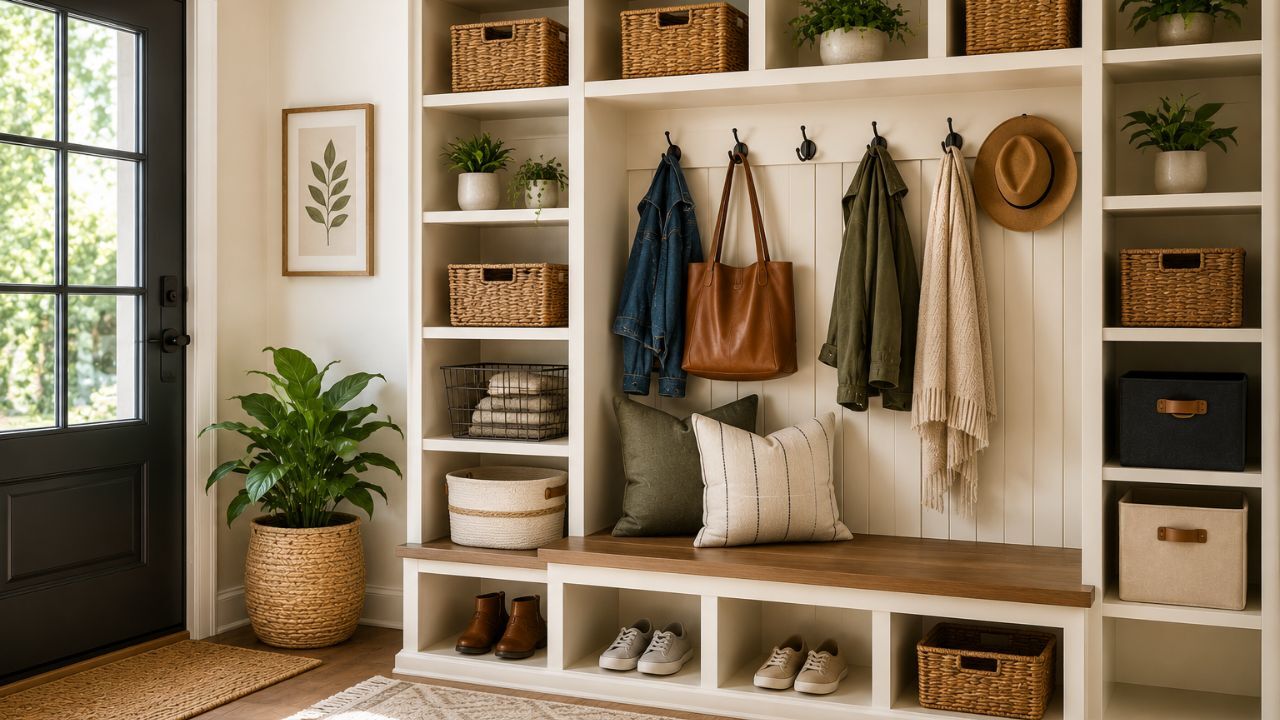 Square footage gets a lot of attention in real estate, but storage space can be just as important to daily comfort. A home may look large on paper and still feel cramped if there is nowhere to put the things that make life function. Closets, cabinets, pantries, garages, basements, attics, laundry areas, and utility spaces all affect how livable a home feels.
 Many buyers search for the best house. They want the one that checks every box, feels exciting immediately, photographs beautifully, and seems to solve every problem. Finding a home you love is important, but the best house emotionally is not always the best decision financially or practically. Sometimes the second best house is the wiser choice.