
Sunrise Homes & Renovations, Inc.

  • Home
  • About
    • About Us
    • Recognition
      • Disaster Contractors Network
      • US EPA Certified
    • Accessibility Statement
  • Example Models
  • Renovations
  • Resources
    • First Time Home Buyer Tips
    • First Time Home Seller Tips
  • Blog
  • Contact

Important Steps to Take After Closing on Your Home

July 14, 2026 by Rhonda Costa

Congratulations! You have closed on your new home! After weeks (or even months) of searching, negotiating, and signing paperwork, you finally have the keys in hand. But before you kick back and start decorating, there are a few essential steps to take to protect your investment and make the transition as smooth as possible.

Here’s a checklist of important things to do after closing on your home:

  1. Change the Locks and Update Security
    You never know who might still have a key to your home, previous owners, contractors, or even neighbors. One of the first things you should do is change the locks or rekey all exterior doors. This is also a great time to consider installing a smart lock, security cameras, or a full home security system to give you peace of mind.
  2. Store Your Closing Documents Safely
    Your closing documents include vital information such as your deed, title insurance, mortgage paperwork, and property disclosures. Keep both a physical and digital copy in a safe place, such as a fireproof box or secure cloud storage. These documents are crucial for tax purposes and future resale.
  3. Set Up Utilities and Services
    Make sure all your utilities, electricity, gas, water, trash, and internet, are transferred into your name and fully functional. It’s also a good time to set up any services like lawn care, pest control, or pool maintenance if applicable.
  4. Inspect and Familiarize Yourself With Your Home
    Take time to do a full walkthrough and inspect the property again now that it’s officially yours. Locate key components like the main water shut-off valve, electrical panel, HVAC system, and any warranties left behind by the previous owner. Knowing how everything works now can save you from stress later.
  5. Start a Home Maintenance Plan
    Your home will need regular upkeep to stay in top condition. Create a seasonal maintenance checklist to help keep track of tasks like cleaning gutters, changing HVAC filters, and servicing appliances. A little prevention goes a long way toward avoiding expensive repairs down the road.
  6. Update Your Address
    Be sure to update your address with the post office, banks, insurance providers, credit cards, your employer, and any subscription services. You’ll also need to update your driver’s license and voter registration.
  7. Meet the Neighbors
    Introducing yourself to neighbors can help you feel more settled and even gain helpful information about the neighborhood. Whether it’s a wave across the driveway or a quick chat, building community from the start creates a stronger connection to your new home.
  8. Celebrate Your New Home
    You’ve worked hard to get here, take a moment to celebrate this major milestone! Whether it’s a small dinner with loved ones or a housewarming party, enjoy the space you now call home.

Closing day isn’t the end of the journey, it’s the beginning of a new chapter. Taking these steps early will set you up for long-term success, comfort, and security in your new home.
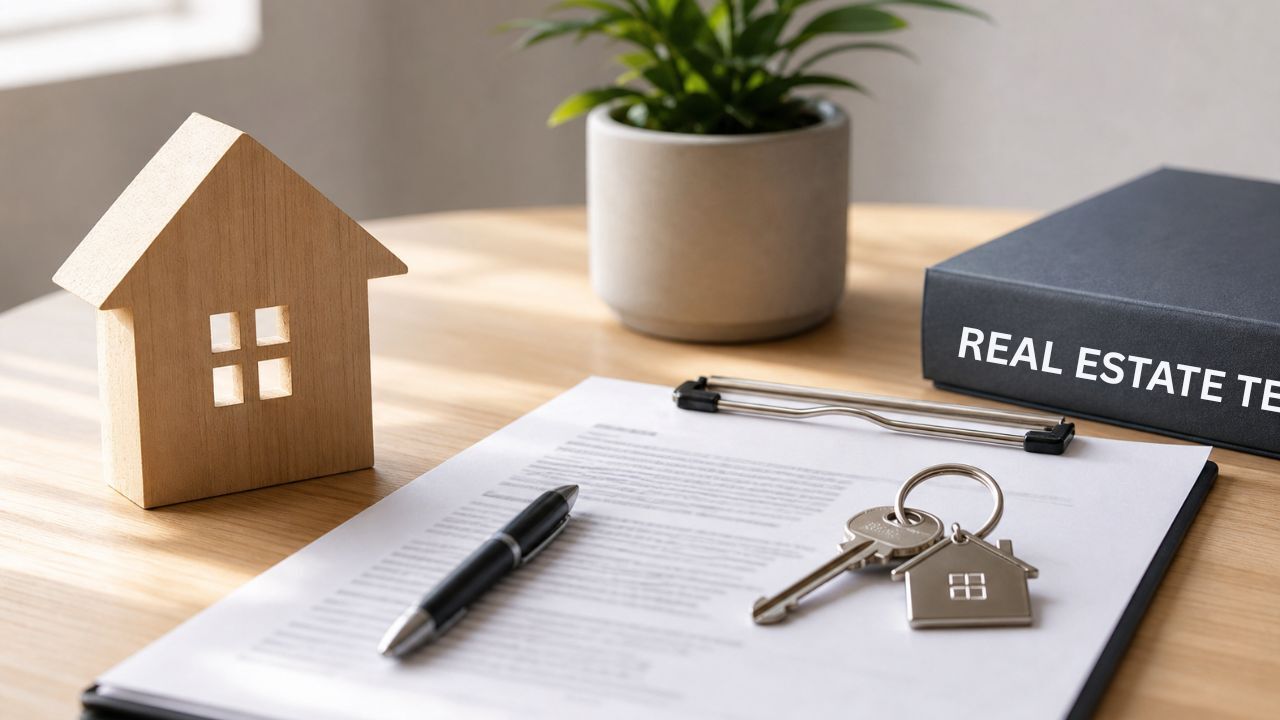
Filed Under: Homeowner Tips Tagged With: First Time Buyer, New Homeowners, Real Estate Advice

The Essential Real Estate Terms Every Buyer Should Understand

May 22, 2026 by Rhonda Costa

Entering the home buying process without understanding key real estate terms can quickly lead to confusion and hesitation. The more familiar you are with the language used throughout a transaction, the more confident and prepared you will feel when making decisions.

Whether you are reviewing contracts, speaking with professionals, or evaluating a property, knowing these terms helps you stay in control of the process.

Understanding the Purchase Agreement
The purchase agreement is one of the most important documents you will encounter. This contract outlines the terms of the sale, including the agreed-upon price, contingencies, timelines, and responsibilities of both the buyer and seller. It is essential to read this document carefully and understand every section before signing, as it becomes legally binding once executed.

What Contingencies Mean for You
Contingencies are conditions that must be met for the transaction to move forward. Common examples include inspection, financing, and appraisal contingencies. These clauses are designed to protect you as the buyer. If certain conditions are not met, contingencies can allow you to renegotiate terms or exit the agreement without penalty.

The Role of an Appraisal
An appraisal is an evaluation of the propertyís value conducted by a licensed professional. Lenders use this to ensure the home is worth the amount being financed. If the appraisal comes in lower than the purchase price, it may affect your loan approval or require renegotiation. Understanding this process helps you prepare for potential outcomes.

Breaking Down Closing Costs
Closing costs are the fees associated with finalizing your home purchase. These can include lender fees, title services, escrow costs, and prepaid expenses such as insurance or taxes. Being aware of these costs ahead of time allows you to budget properly and avoid surprises as you approach closing.

What Equity Means for Your Future
Equity refers to the portion of the home that you truly own. As you make payments toward your loan and as property values increase, your equity grows. This can become a valuable financial asset over time, offering opportunities for future borrowing or financial security.

Understanding these essential real estate terms puts you in a stronger position throughout the home buying process. Ready to purchase a home? Give us a call today and let us help you move forward with confidence.

Filed Under: Real Estate Definitions Tagged With: First Time Buyer, Home Buying Tips, Real Estate Terms

Finding the Right Home by Knowing What Truly Matters

May 21, 2026 by Rhonda Costa

Choosing a home is more than just liking how it looks, it is about finding a space that fits your lifestyle, your future plans, and your financial comfort. Many buyers struggle with decision making because they have not clearly defined what matters most to them before they begin searching, which can lead to wasted time and unnecessary stress.

Define Your Must-Haves First
Start by identifying the features you absolutely need in a home. This could include the number of bedrooms, layout, storage space, or functionality for your daily routine. Your must-haves should reflect how you live, not just what looks appealing in photos. When you clearly define these priorities, you create a strong filter that helps you stay focused and avoid distractions during your search.

Separate Wants from Deal Breakers
It is just as important to recognize what you can live without as it is to define what you need. Features like upgraded finishes, large yards, or extra square footage may be appealing, but they should not outweigh your core requirements. At the same time, you need to identify your deal breakers. These are the issues that would make a home unsuitable no matter how attractive it may seem. This could include poor layout, lack of natural light, or structural concerns that would impact your long-term satisfaction.

Think Long-Term About Your Needs
A home should support both your current lifestyle and your future plans. Consider how your needs may evolve over time. Whether it is space for a growing household, flexibility for remote work, or overall long-term comfort, thinking ahead helps ensure that your home continues to meet your needs. Buying with a long-term mindset can prevent you from needing to move again sooner than expected.

Stay Objective During Showings
It is easy to become emotionally attached when walking through homes, especially when one checks several boxes. However, staying objective is critical to making a smart decision. Evaluate each property based on how well it aligns with your must-haves and deal breakers. Taking notes, comparing properties, and reviewing them after showings can help you stay grounded and confident in your final decision.

Choosing the right home becomes much easier when you approach the process with clarity, structure, and a focus on what truly matters. Ready to purchase a home? Give us a call today and let us help you find the right fit.

Filed Under: Home Buyer Tips Tagged With: First Time Buyer, House Hunting, Real Estate Tips

Your Roadmap to Buying a Home with Confidence

May 20, 2026 by Rhonda Costa

Buying a home is one of the most important financial decisions you will make, and having a clear roadmap can make the entire process feel far more manageable. Without a plan, it is easy to feel overwhelmed or make rushed decisions. 

When you understand each step and prepare ahead of time, you can move forward with confidence and avoid the common mistakes that slow buyers down.

Understand Your Financial Starting Point
Before you begin looking at homes, take a close look at your financial situation. This includes your income, savings, monthly expenses, and any existing debt. Knowing what you can realistically afford helps you avoid wasting time on homes outside your price range. It also allows you to set expectations early and focus only on properties that align with your budget and long-term goals.

Get Pre-Approved Before You Search
One of the most important steps in the process is getting pre-approved for a mortgage. A pre-approved buyer has a clear understanding of their purchasing power and is taken more seriously by sellers. During this process, a lender reviews your credit, income, and debt-to-income ratio to determine how much you can borrow. It also helps uncover any issues early so they can be resolved before you start making offers.

Search with a Clear Strategy
Once you know your budget, begin your home search with intention. Create a list of must-haves and features that are optional. This keeps you focused and prevents you from being influenced by homes that look appealing but do not meet your needs. A structured approach to searching saves time and helps you make quicker, more confident decisions when the right home comes along.

Make a Strong and Informed Offer
When you find the right home, submitting a strong offer is key. This includes more than just the purchase price. You should consider contingencies, timelines, and overall market conditions. A well-structured offer can make you more competitive while still protecting your interests throughout the transaction.

Stay Organized Through Closing
After your offer is accepted, the process continues with inspections, appraisals, and final loan approval. This stage requires attention to detail and timely communication. Staying organized and responsive helps prevent delays and ensures a smoother path to closing.

Buying a home becomes much more manageable when you follow a clear roadmap and work with the right professionals. Ready to purchase a home? Give us a call today to take the next step

Filed Under: Home Buyer Tips Tagged With: First Time Buyer, Home Buyer Tips, Real Estate

Hidden Tax Advantages Every First Time Homebuyer Should Understand

May 19, 2026 by Rhonda Costa

Buying your first home is not just about having a place to live, it also comes with financial advantages that many buyers overlook. One of the biggest opportunities comes through tax benefits. When you understand how these work, you can make more informed decisions and potentially reduce your overall tax burden while building long-term wealth.

Mortgage Interest Can Lower Your Taxable Income
One of the most common tax benefits for homeowners is the ability to deduct mortgage interest. In the early years of your loan, a significant portion of your monthly payment goes toward interest rather than principal. This interest may be deductible, which can lower your taxable income. For many first-time buyers, this becomes one of the most valuable financial advantages of owning a home.

Property Taxes May Provide Additional Savings
In addition to mortgage interest, property taxes may also be deductible depending on current tax guidelines. This can further reduce your taxable income and improve your overall financial position. Keeping track of your annual property tax payments is important so you can take full advantage of this benefit when filing your taxes.

Points and Certain Closing Costs Can Help
If you paid points when securing your mortgage, those costs may be deductible as well. Points are typically paid upfront to reduce your interest rate, and they can offer both immediate and long-term value. While not all closing costs qualify, understanding which ones do can help you maximize your financial benefits as a homeowner.

Energy Efficient Improvements Can Offer Credits
Making energy-efficient upgrades to your home may qualify you for tax credits. These can include improvements like energy-efficient systems or upgrades designed to reduce energy consumption. These credits not only provide tax savings but can also reduce your monthly utility expenses over time, adding even more value to your investment.

Stay Organized to Maximize Your Benefits
To take full advantage of these tax opportunities, it is important to keep your financial records organized. Save documentation related to your mortgage, property taxes, and any qualifying improvements. Having everything readily available makes tax season easier and ensures you do not miss out on potential savings.

Understanding these hidden tax advantages can make homeownership even more rewarding and financially beneficial. Ready to purchase a home? Give us a call today and take the next step.

Filed Under: Real Estate Tips Tagged With: First Time Buyer, Home Buying Tips, Real Estate Advice

How to Evaluate a Home Beyond the Surface

May 14, 2026 by Rhonda Costa

When searching for a home, it is easy to focus on what you can see right away, such as fresh paint, updated finishes, or staged furniture. While these details can make a home feel appealing, they do not always reflect the true quality or long-term suitability of the property.

Learning how to evaluate a home beyond the surface can help you make a smarter and more confident decision.

Look Past Cosmetic Updates
Cosmetic upgrades can make a home look move-in ready, but they do not always indicate that the property is well maintained. New flooring, modern fixtures, or fresh paint may hide underlying issues. Pay attention to what cannot be easily changed, such as the condition of walls, ceilings, and overall structure. Looking beyond surface level improvements helps you avoid being influenced by appearance alone.

Evaluate the Layout and Functionality
A home layout plays a major role in how well it fits your daily life. Consider how the space flows and whether it supports your needs. Think about room placement, storage options, and how you will use each area. A home may look attractive at first glance, but if the layout does not function well for your lifestyle, it can become frustrating over time.

Watch for Signs of Maintenance Issues
While touring a home, look for signs that may indicate maintenance concerns. This can include uneven flooring, cracks in walls, or signs of water damage. These issues do not always mean you should walk away, but they are important to recognize early so you can make an informed decision and plan accordingly.

Consider Long-Term Livability
A home should meet your needs not only today but also in the future. Think about how your situation may change and whether the home can adapt. Whether it is space, flexibility, or overall comfort, considering long-term livability helps ensure you are making a decision that will last.

Think About Future Value
It is also important to consider how the home may perform over time. While no one can predict the market, certain factors such as layout, condition, and overall appeal can influence future value. Buying a home with long-term potential can help protect your investment.

Evaluating a home beyond what you see on the surface helps you make a more informed and confident decision. Ready to purchase a home? Give us a call today and let us help you find the right fit.

Filed Under: Home Buyer Tips Tagged With: First Time Buyer, House Hunting, Real Estate Tips

  • 1
  • 2
  • 3
  • Next Page »

Rhonda & Steve Costa

Rhonda & Steve Costa

Call (352) 398-6790
Sunrise Homes & Renovations, Inc.

Contractors License #CBC 1254207

Let’s Keep In Touch!

  • This field is for validation purposes and should be left unchanged.

Connect With Us on Social Media

Categories

Looking For Something?

Our Location


Spring Hill, FL 34608

Equal Housing Opp

Return to top of page

Copyright © 2026 Sunrise Homes & Renovations, Inc.. All rights reserved.   Log In