Sunrise Homes & Renovations, Inc.

  • Home
  • About
    • About Us
    • Recognition
      • Disaster Contractors Network
      • US EPA Certified
    • Accessibility Statement
  • Example Models
  • Renovations
  • Resources
    • First Time Home Buyer Tips
    • First Time Home Seller Tips
  • Blog
  • Contact

Why Storage Space Should Be Treated Like Square Footage

June 5, 2026 by Rhonda Costa

Square footage gets a lot of attention in real estate, but storage space can be just as important to daily comfort. A home may look large on paper and still feel cramped if there is nowhere to put the things that make life function. Closets, cabinets, pantries, garages, basements, attics, laundry areas, and utility spaces all affect how livable a home feels.

Empty Homes Can Be Misleading 
Many buyers underestimate storage because empty or staged homes can look spacious. Without coats, shoes, cleaning supplies, tools, holiday decorations, luggage, sports equipment, pet items, kids  toys, paperwork, bulk groceries, and everyday clutter, rooms can seem easier to manage than they will be after move in. Once real life arrives, lack of storage can create stress quickly.

Storage Affects Daily Function 
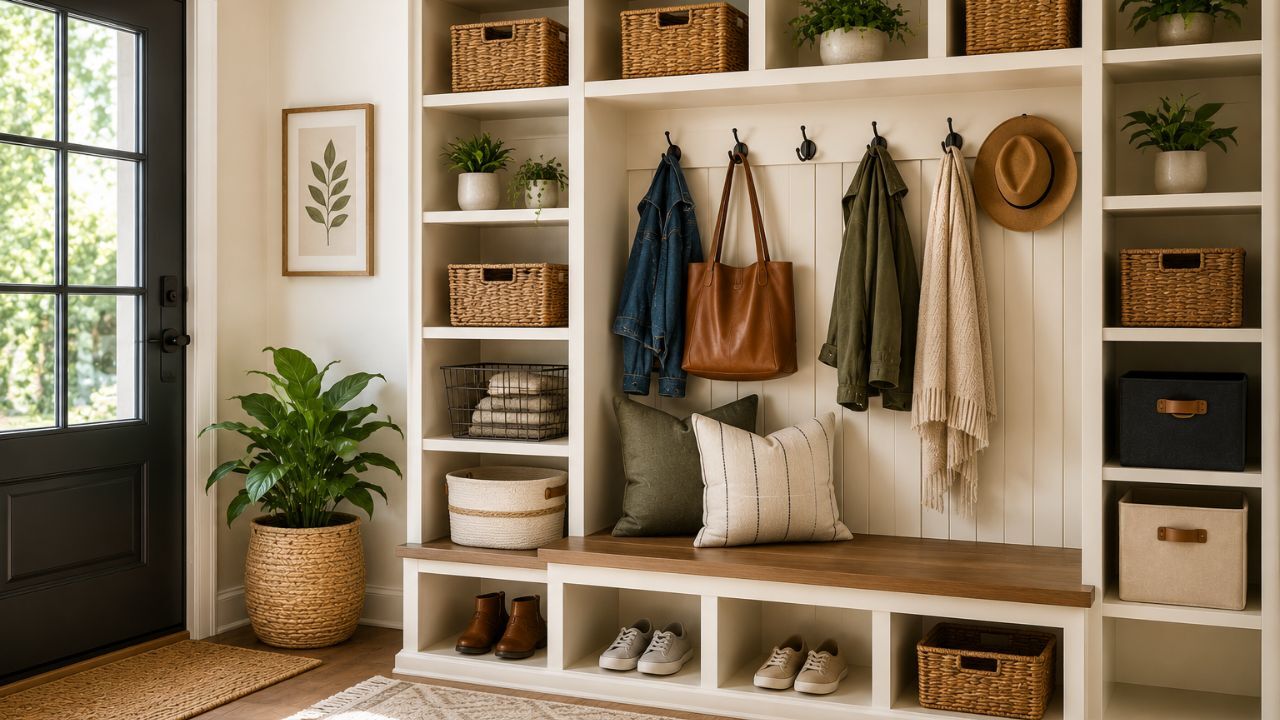
Storage affects more than neatness. It affects how you use the home. If there is no entry storage, shoes and bags may pile up near the door. If the kitchen lacks pantry space, counters may become crowded. If bedroom closets are small, furniture may need to compensate. If there is no garage or shed, outdoor equipment may take over living areas. A home without adequate storage can make even a larger floor plan feel inefficient.

Tour With Storage in Mind 
When touring a home, treat storage as part of the square footage calculation. Open every closet. Look at shelf depth. Check cabinet height. Think about where seasonal items would go. Ask where you would store cleaning supplies, linens, tools, decorations, documents, and bulk purchases. Walk through your morning routine and your busiest day of the week. Where do backpacks land? Where does mail go? Where do muddy shoes, strollers, sports bags, or work equipment belong?

Certain Buyers Need Even More Storage 
Storage is especially important for buyers who are downsizing, upsizing, blending households, working from home, or moving from a property with a basement or garage. The amount of living space may increase, but if storage decreases, the home can still feel tight.

Creative Solutions Have Limits 
Creative solutions can help, but they have limits. Built ins, closet systems, shelving, storage beds, and garage organization can improve a home. However, if the basic layout lacks storage zones, every solution may feel like a workaround. It is better to recognize the issue before buying than to discover it after closing.

Good Storage Creates Calm
Good storage makes daily life smoother. It helps a home stay organized, reduces visual clutter, and gives every category of life a place to land. Buyers should not feel silly for caring about closets or cabinets. Storage is not a minor detail. It is part of how a home supports real living.

A house is not only measured by how much space it has. It is measured by how well that space works.

Filed Under: Home Buying Tips Tagged With: Home Buying Tips, Real Estate Advice, Storage Solutions

Why the Second Best House Might Be the Best Decision

June 4, 2026 by Rhonda Costa

Many buyers search for the best house. They want the one that checks every box, feels exciting immediately, photographs beautifully, and seems to solve every problem. Finding a home you love is important, but the best house emotionally is not always the best decision financially or practically. Sometimes the second best house is the wiser choice.

The Less Obvious Winner
The second best house is the one that may not have every dream feature, but it fits your budget better, has a stronger location, needs fewer repairs, offers a better commute, or gives you more long term flexibility. It may not create the same instant excitement, but it may create less stress after closing.

Compare Ownership, Not Just Showings
The challenge is that buyers often compare homes based on the showing experience instead of the ownership experience. During a showing, the most impressive home can win quickly. Maybe it has the updated kitchen, the perfect bathroom, the dramatic living room, or the backyard everyone wants. But once you own it, you also own the payment, maintenance, taxes, insurance, commute, repairs, and tradeoffs.

Balanced Can Beat Glamorous
The second best house may be less glamorous but more balanced. It might have an older kitchen but a better floor plan. It might have fewer upgrades but a shorter commute. It might be smaller but located in the neighborhood you really want. It might need paint but come with a payment that leaves room for savings and travel.

Competitive Markets Require Discipline
This is especially important in competitive markets. Chasing the most desirable home can lead to emotional bidding, waived protections, stretched budgets, or disappointment. A home with slightly less competition may give you more negotiating power and a calmer decision making process.

Settling Is Not the Same as Choosing Wisely
Of course, settling is different from choosing wisely. You should not buy a home that does not meet your core needs or creates major concerns. But you should know the difference between must haves and nice to haves. A must have affects safety, function, budget, location, or essential lifestyle needs. A nice to have improves enjoyment but may not determine whether the home works.

Rank Life After Closing
Before deciding, rank homes based on life after closing. Which payment feels better? Which location supports your routine? Which inspection concerns are most manageable? Which home gives you room to grow? Which one will still make sense on an ordinary weekday?

The best decision may not be the house that gives you the strongest emotional reaction. It may be the house that quietly supports your finances, schedule, and peace of mind. In real estate, the winner is not always the most impressive option. Sometimes the second best house is the one that helps you live the best life.

Filed Under: Home Buying Tips Tagged With: Home Buying Strategy, House Hunting, Real Estate Advice

The Home Feature You Love Today That Could Annoy You Later

June 3, 2026 by Rhonda Costa

Every home has features that create an immediate reaction. A dramatic staircase, huge yard, open shelving, long driveway, pool, loft, fireplace, or oversized soaking tub can make a buyer fall in love quickly. But some features that feel exciting during a showing can become annoying after move in. The difference is usually maintenance, practicality, and how often you actually use the feature.

Beauty Can Bring Upkeep
Take open shelving, for example. It can look beautiful in photos and make a kitchen feel stylish. But it also requires constant organization and cleaning. If you prefer low maintenance storage, traditional cabinets may serve you better. A large yard can feel peaceful and impressive, but it may require mowing, watering, landscaping, leaf removal, and ongoing care. If you already have limited free time, that dream yard may become a weekend obligation.

Pools Are Lifestyle Decisions
Pools are another example. For some homeowners, a pool is a lifestyle upgrade that brings family time, exercise, and entertainment. For others, it becomes a source of maintenance, safety concerns, seasonal costs, and repairs. The feature is not good or bad by itself. It depends on whether it matches your habits and budget.

Layout Features Can Shift
Even layout features can shift from charming to frustrating. A loft may look airy, but it may not provide enough privacy for work or guests. A long driveway may look elegant, but it may be inconvenient in bad weather or when carrying groceries. A fireplace may feel cozy, but if it is rarely used, it may simply take up wall space. A beautiful primary bathroom tub may look luxurious, but if you prefer quick showers, it may not add much real value to your life.

Separate Appeal From Reality
The goal is not to avoid interesting features. Unique homes can be wonderful. The goal is to separate emotional appeal from daily reality. Before making an offer, ask yourself how often you will use the feature, what it costs to maintain, how much time it requires, and whether it solves a real need or simply looks attractive.

Picture the Feature on a Busy Day
It can help to imagine the feature on a busy day. Will you still love the yard when you are tired? Will you still love the open shelving when dishes are mismatched? Will you still love the pool when it needs service? Will you still love the stairs when you are carrying laundry?

Real estate decisions should include excitement, but they should also include honesty. The best home features are not just beautiful. They fit naturally into your routine. If a feature requires more time, money, or energy than you want to give, it may not be the upgrade it appears to be.

Filed Under: Homeowner Tips Tagged With: House Hunting Advice, Real Estate Tips, Smart Home Buying

The Overlooked Power of Natural Light When Buying a Home

June 2, 2026 by Rhonda Costa

Natural light can change how a home feels, functions, and even how you use it day to day. Buyers often notice whether a home feels bright during a showing, but they may not fully evaluate how light moves through the space or how much it matters to their lifestyle. Paint, furniture, and décor can be changed. The direction of sunlight is much harder to adjust.


Light Changes the Feel of Space
A bright home often feels larger, warmer, and more inviting. Natural light can make rooms feel more open and can reduce the need for artificial lighting during the day. For people who work from home, care about plants, take photos, enjoy reading, or simply feel better in brighter spaces, light can be a major quality of life factor.

Not All Light Works the Same Way
However, not all natural light is the same. Morning light feels different from afternoon light. South facing exposure may offer consistent brightness in many areas, while west facing rooms can become very warm later in the day. A room that looks bright at 10 a.m. may feel dark by 3 p.m. A home shaded by trees may feel cozy in summer but dim in winter. Nearby buildings, roof overhangs, window size, and interior layout all influence light.

Tour With the Lights Off
When touring a home, pay attention to more than whether the lights are on. In fact, ask yourself how the home feels without artificial lighting. Are there rooms that depend heavily on lamps? Do certain areas feel gloomy? Are the windows placed where you actually spend time? Does the kitchen get enough light? What about the home office, living room, and bedrooms?

Light Affects Comfort and Costs
Natural light also affects energy use and comfort. Strong afternoon sun may increase cooling needs. Limited light may make a home feel colder or require more daytime lighting. Window treatments, insulation, tree coverage, and window quality can all influence the experience.

Know Your Personal Preference
Buyers should also think emotionally. Some people love a soft, shaded home that feels private and calm. Others feel energized by bright rooms and open views. There is no single correct amount of light. The question is whether the home s light pattern fits the way you want to live.

Observe Light Throughout the Day
If possible, visit the home at different times of day or ask about sun exposure. Look at the direction the home faces. Notice where shadows fall. Think about your morning coffee, work calls, family dinners, weekend cleaning, and quiet evenings. Light plays a role in all of those moments.

A home is more than its measurements and finishes. It is an atmosphere. Natural light is one of the quiet details that can make that atmosphere feel right or wrong. Do not overlook it.

Filed Under: Home Buyer Tips Tagged With: Home Buying Tips, Natural Light, Real Estate Advice

What’s Ahead For Mortgage Rates This Week – June 1st, 2026

June 1, 2026 by Rhonda Costa

The PCE Index inflation data has been released on schedule, and it paints a rather grim outlook for the future. Inflation has reached a three-year high, and given that it is the Federal Reserve’s preferred measure of inflation, it does not bode well for any impending rate cuts and may even raise the possibility of future rate increases.

This is somewhat offset by consumer spending having exceeded expectations, but this appears to be entirely related to high fuel prices, whether consumers want to spend that much or not.

PCE Index
The main inflation barometer preferred by the Federal Reserve rose to a three-year high in April and could rise even higher, posing a stiff challenge for households, businesses and the broader U.S. economy. The personal-consumption price index rose by 0.4% last month, the fifth large increase in a row.

Consumer Spending
Consumer spending rose in April at a seemingly robust rate, but only because of inflation. Americans aren’t getting much bang for their buck these days with gas prices so high. Personal spending increased 0.5% in April, the government said, but inflation also rose 0.4%. Household spending barely rose if inflation is taken into account.

Primary Mortgage Market Survey Index

  • 15-Year FRM rates saw an increase of 0.02%, bringing the current rate to 5.87%.
  • 30-Year FRM rates saw an increase of 0.02%, bringing the current rate to 6.53%.

MND Rate Index

  • 30-Year FHA rates saw a -0.08% decrease, with current rate at 6.10%.
  • 30-Year VA rates saw a -0.08% decrease, with current rate at 6.12%.

Jobless Claims
Initial Claims were reported to be 215,000 compared to the expected claims of 213,000. The previous week landed at 210,000.

What’s Ahead
U.S. wage and employment reports are due next week, along with consumer credit data and several manufacturing-related releases. The following week will bring the latest CPI and PPI data releases.

Filed Under: Financial Reports Tagged With: Financial Report, Jobless Claims, Mortgage Rates

Why Closing Day Is Not the Finish Line

May 29, 2026 by Rhonda Costa

Closing day feels like the end of the homebuying journey. You sign the documents, receive the keys, and finally become a homeowner. It is a major milestone worth celebrating. But from a mortgage and financial planning perspective, closing day is not the finish line. It is the starting point of a new phase.

Track the Real Cost of Living There 
The first few months after closing are important because your housing costs become real. You may have estimated utilities, maintenance, and repairs during the buying process, but now you see what the home actually costs to run. Electric bills, water usage, lawn care, pest control, trash service, and seasonal expenses can vary from what you expected. Tracking these early helps you adjust your budget before small surprises become stressful.

Watch for Mortgage Mail 
You may also receive important mortgage mail after closing. Your loan servicing information may arrive separately, and in some cases the company collecting your payment may change. This does not mean something is wrong. Mortgage servicing transfers are common. What matters is reading notices carefully, confirming where to send payments, and setting up your payment method before the first due date.

Build a Homeowner File 
Homeowners should also build a post-closing file. Keep your closing disclosure, mortgage note, homeowners  insurance policy, property tax information, inspection report, home warranty details, repair receipts, and appliance manuals in one place. This file can help with taxes, insurance questions, future refinancing, home maintenance, and eventual resale.

Rebuild Your Savings 
Another smart move after closing is rebuilding savings. Many buyers use a meaningful amount of cash to buy a home. Even if you still have reserves, moving expenses, furniture, repairs, and deposits can add up quickly. Setting a savings goal for the first 6 to 12 months can help restore your cushion and create more confidence.

Create a Maintenance Rhythm 
Closing day is also a good time to create a maintenance rhythm. A home needs ongoing care, not just emergency repairs. Changing filters, cleaning gutters, checking smoke detectors, servicing heating and cooling systems, monitoring plumbing, and watching for moisture can help prevent larger costs later. Homeownership rewards people who pay attention early.

Review Your Mortgage Over Time 
You should also review your mortgage periodically. This does not mean obsessing over rates every day. It means understanding when it may make sense to revisit your loan, especially if your financial profile improves, rates change, your home value increases, or your goals shift. The mortgage that works on closing day may not always be the best fit forever.

Getting the keys is a celebration, but staying successful as a homeowner requires follow through. The real win is not just buying the home. It is managing the home, protecting your budget, and using homeownership as a foundation for long term stability.

Filed Under: Home Buying Tips Tagged With: Closing Day, Mortgage Tips, New Homeowner Tips

  • 1
  • 2
  • 3
  • …
  • 469
  • Next Page »

Rhonda & Steve Costa

Rhonda & Steve Costa

Call (352) 398-6790
Sunrise Homes & Renovations, Inc.

Contractors License #CBC 1254207

Let’s Keep In Touch!

  • This field is for validation purposes and should be left unchanged.

Connect With Us on Social Media

Categories

Looking For Something?

Our Location


Spring Hill, FL 34608

Equal Housing Opp

Return to top of page

Copyright © 2026 Sunrise Homes & Renovations, Inc.. All rights reserved.   Log In