 The direction a home faces may not be near the top of your house-hunting checklist, but orientation can influence much more than the view from the front door. Sunlight, indoor temperatures, outdoor spaces, landscaping, and even how certain rooms feel throughout the day can all be affected by the home’s position.
Paying attention to orientation during your search can help you find a property that better fits your preferences.
Notice Where the Natural Light Falls
Think about which rooms receive morning sunlight and which become brighter later in the day. A kitchen filled with morning light may appeal to one buyer, while another may prefer afternoon sunlight in the living room. Touring at only one time of day may not reveal how the home’s lighting changes.
Consider Outdoor Living Areas
Orientation can significantly affect patios, decks, and backyards. A space that feels comfortable during a morning showing could receive intense direct sunlight later in the afternoon.
If outdoor living is important to you, consider when you are most likely to use the space and where the sun will be at that time.
Think About Indoor Comfort
Windows exposed to substantial direct sunlight can influence indoor temperatures. Window coverings, insulation, landscaping, roof overhangs, and energy-efficient windows can all help manage heat and light.
Rather than assuming one orientation is always better, evaluate how the individual home handles its exposure.
Look at the Landscaping
Sun exposure affects which plants thrive around a property. Areas receiving prolonged sunlight may require different landscaping and watering than shaded portions of the yard.
Existing mature trees may also dramatically change the amount of sunlight reaching the home.
Visit More Than Once
If you are seriously considering a property, seeing it at another time of day can provide valuable perspective. Notice how the rooms, backyard, driveway, and exterior feel under different lighting conditions.
There is no universally perfect direction for a home to face. The best orientation depends on the property, climate, surroundings, and your personal preferences. Paying attention to sunlight and orientation can reveal details that photographs and a single showing may never capture.
 A garage can be easy to treat as an afterthought when you are focused on kitchens, bedrooms, and living spaces. Once you own the home, however, the garage may become an important part of everyday life. Whether you plan to use it for vehicles, storage, hobbies, or a workspace, evaluating it carefully before buying can prevent frustrating surprises later.
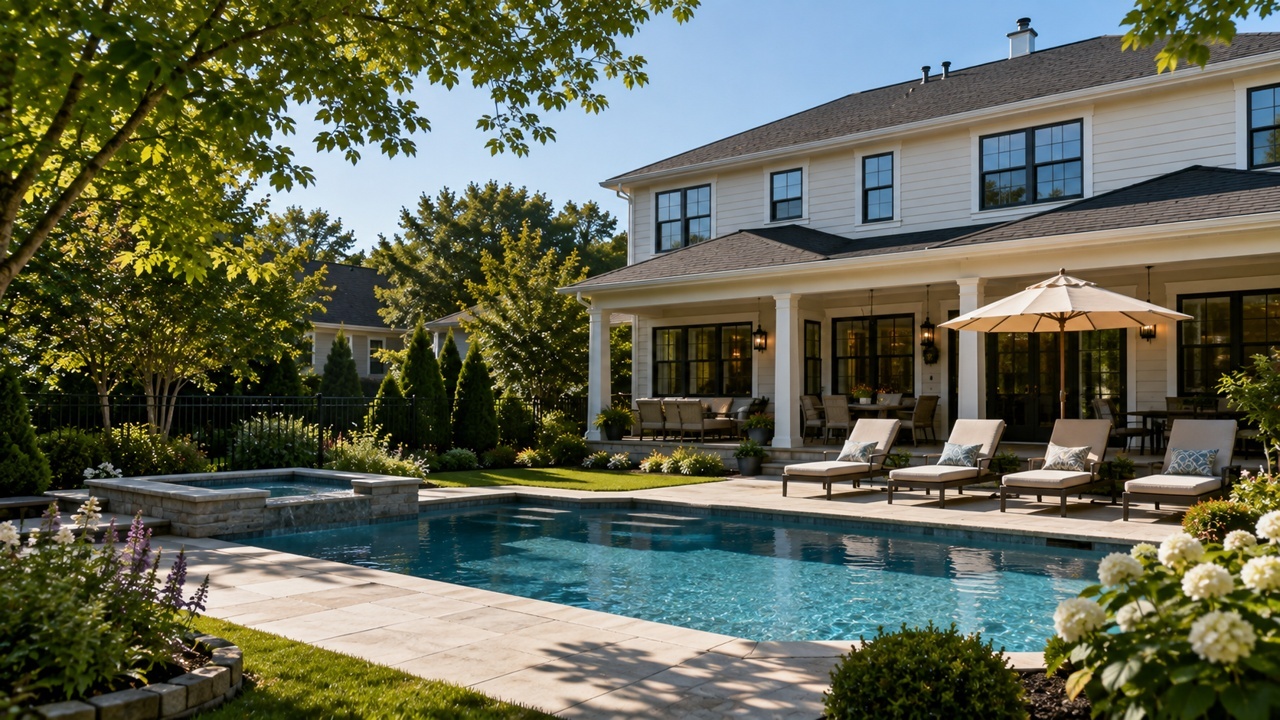 A backyard pool can make a home feel like a private retreat. For buyers who enjoy swimming, entertaining, or spending time outdoors, it may be a major selling point. Before falling in love with the idea, however, it is important to understand the maintenance, expenses, and responsibilities that come with pool ownership.
 Large, established trees can make a property feel beautiful and inviting. They may provide shade, privacy, character, and an established landscape that would take years to recreate. But mature trees also come with responsibilities that buyers should consider before purchasing a home.
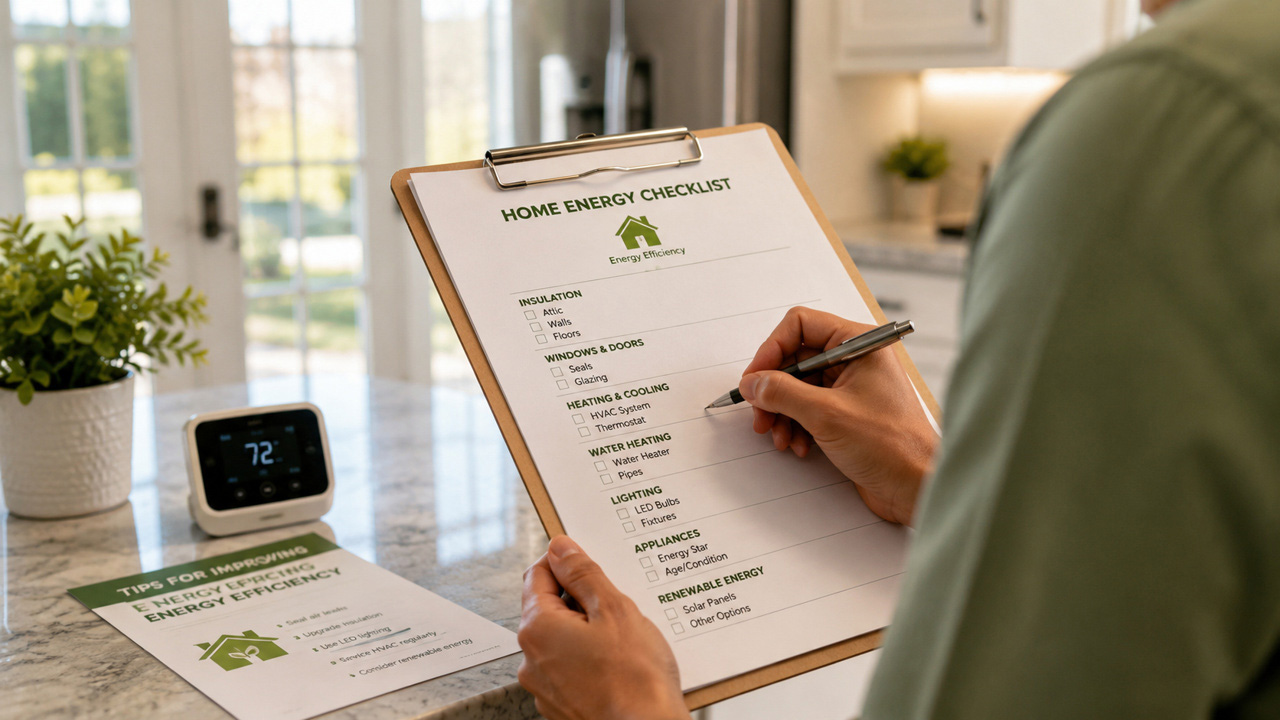 When shopping for a home, buyers naturally pay attention to the kitchen, bedrooms, bathrooms, and overall condition of the property. But energy efficiency can have a significant impact on what it actually costs to live in the home. Taking a closer look at how efficiently a property uses energy can help you anticipate monthly expenses and identify improvements you may want to make after purchasing.