Sunrise Homes & Renovations, Inc.

  • Home
  • About
    • About Us
    • Recognition
      • Disaster Contractors Network
      • US EPA Certified
    • Accessibility Statement
  • Example Models
  • Renovations
  • Resources
    • First Time Home Buyer Tips
    • First Time Home Seller Tips
  • Blog
  • Contact

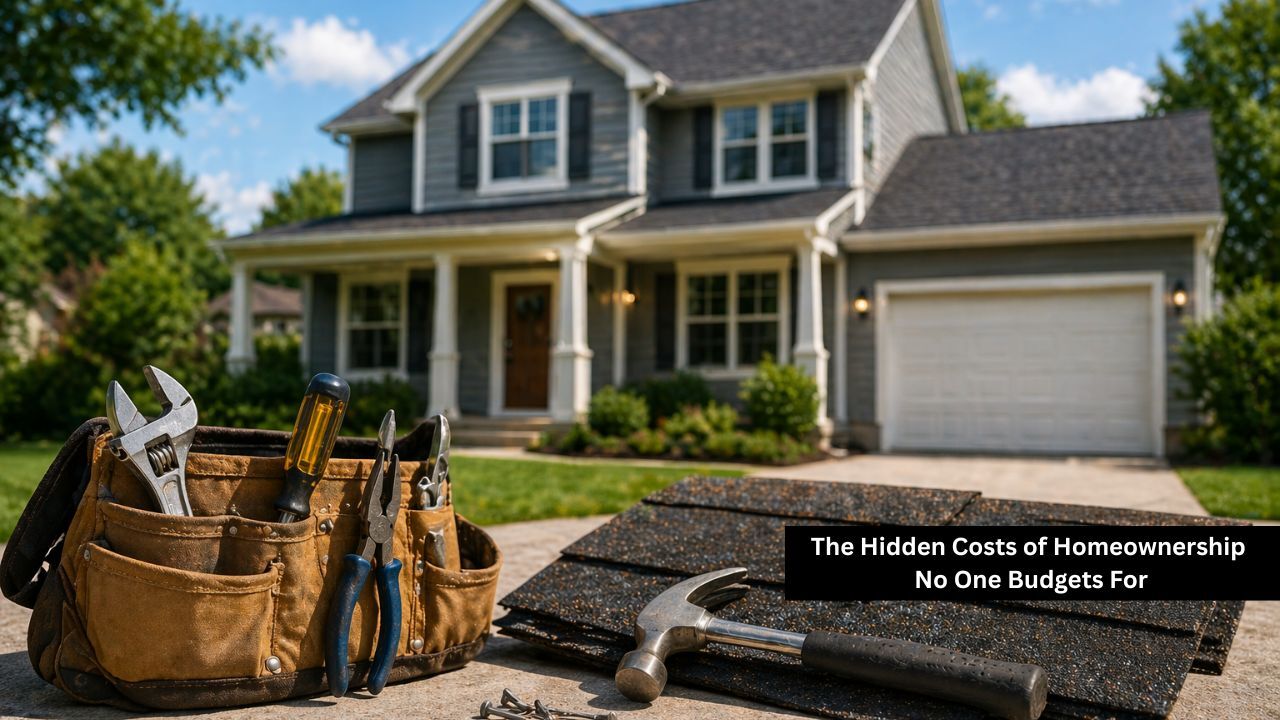
The Hidden Costs of Homeownership No One Budgets For

April 29, 2026 by Rhonda Costa

When most people think about buying a home, they focus on the monthly mortgage payment. While that is an important number, it is only part of the full financial picture.

Homeownership comes with a range of additional costs that can catch buyers off guard if they are not prepared. Understanding these expenses ahead of time can help you avoid stress and make more confident decisions.

Maintenance Is Constant and Adds Up

Owning a home means you are responsible for everything inside and outside the property. Routine maintenance such as lawn care, cleaning, and seasonal upkeep requires both time and money. Beyond that, repairs are inevitable. Appliances break, plumbing issues happen, and systems like heating and cooling need regular servicing. Even smaller repairs can add up over time. A common rule is to set aside a percentage of your home’s value each year for maintenance, but many buyers overlook this entirely.

Utilities Can Be Higher Than Expected

Moving into a home often means more space, which usually leads to higher utility bills. Heating, cooling, electricity, water, and even trash services can cost more than what you were paying as a renter. Older homes or homes that are not energy efficient may increase these costs even further. It is important to factor in these changes when planning your monthly budget so there are no surprises after you move in.

Property Taxes and Insurance Can Change

Property taxes and homeowners insurance are often included in your monthly payment, but they are not fixed forever. Taxes can increase as property values rise, and insurance premiums can change based on coverage needs or local conditions. These increases may seem small at first, but over time they can have a noticeable impact on your overall housing costs. Planning for potential increases can help you stay ahead financially.

Unexpected Costs Are Inevitable

No matter how well you plan, unexpected expenses will come up. A roof repair, a water heater replacement, or even minor issues like pest control can require immediate attention. These are not optional costs, they need to be handled quickly to prevent bigger problems. Having an emergency fund specifically for your home can make these situations much easier to manage.

Planning Ahead Makes All the Difference

The key to successful homeownership is preparation. When you understand the full range of costs, you can budget more accurately and avoid feeling overwhelmed. A home should bring stability and comfort, not financial stress. Taking the time to plan for both expected and unexpected expenses allows you to enjoy your home with confidence and peace of mind.
Filed Under: Homeowner Tips Tagged With: Budgeting, Financial Planning, Homeownership

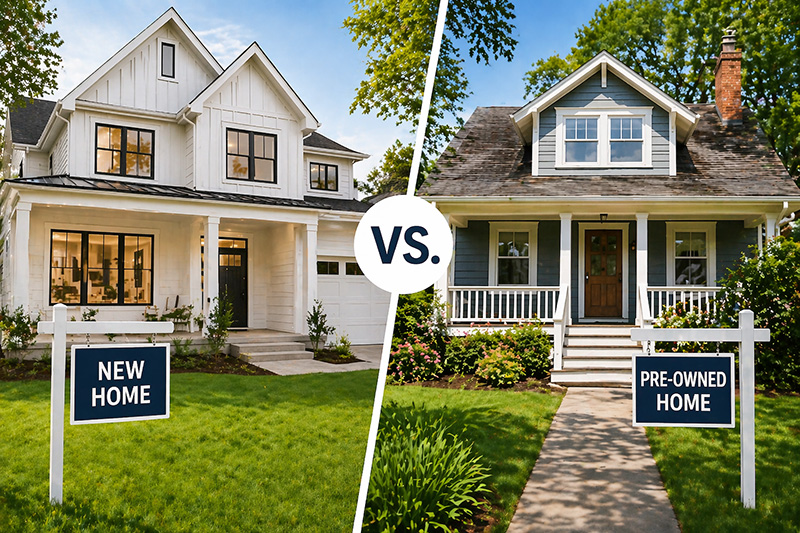
New vs. Pre-Owned Homes: Which Is the Right Fit for You?

April 21, 2026 by Rhonda Costa

Buying a home is one of the biggest financial (and emotional) decisions you’ll make—and one of the first choices you’ll face is whether to go with a brand-new build or a pre-owned home.

There’s no universal “right” answer here. It really comes down to your priorities, lifestyle, and budget. Let’s break it down in a way that actually helps you decide.

The Case for Buying a New Home

1. Personalization from the Start
With a new home, you’re not inheriting someone else’s style choices. From flooring to fixtures to layout options, you can often tailor the space to match your vision.

2. Better Energy Efficiency
Modern homes are built with today’s standards in mind—think improved insulation, energy-efficient windows, and newer appliances. That usually translates to lower utility bills and a smaller environmental footprint.

3. Warranty Coverage = Peace of Mind
Most new builds come with warranties that cover major systems and structural components for a set period of time. Translation: fewer surprise expenses early on.

4. Lower Maintenance (At Least Initially)
Everything is new, which means fewer repairs and less upkeep in the first several years. No “why is the water heater making that noise?” moments right after move-in.

Potential Trade-Offs

  • Higher upfront cost compared to similar pre-owned homes
  • Location trade-offs, as new developments are often farther from established areas
  • Less character, if you’re someone who loves unique architectural details

The Case for Buying a Pre-Owned Home

1. More Budget Flexibility
Pre-owned homes are often more affordable, especially if you’re open to making a few updates over time.

2. Established Neighborhoods
Mature trees, developed infrastructure, nearby shops, and schools—these are things you typically don’t have to wait years for.

3. Character and Charm
Older homes tend to have personality—whether it’s original hardwood floors, built-ins, or design details you just don’t see in newer construction.

Potential Trade-Offs

  • More maintenance and repairs, especially with older systems
  • Limited customization, unless you’re planning renovations
  • Lower energy efficiency, which can mean higher ongoing costs

So… Which One Should You Choose?

If you want something move-in ready, low maintenance, and tailored to your style, a new home might be the better fit.

If you’re prioritizing location, budget, or character—and don’t mind a bit of upkeep—a pre-owned home could be the way to go.

At the end of the day, this isn’t just about the house—it’s about how you want to live in it.

Working with a knowledgeable real estate professional can help you weigh these factors and find the option that actually aligns with your goals, not just what looks good on paper.

Filed Under: Home Buyer Tips Tagged With: Home Buying Process, Homeownership, New vs. Pre-Owned

How Homeownership Changes Family Traditions

March 26, 2026 by Rhonda Costa

Homeownership often marks the beginning of a new chapter for families. Beyond financial stability, owning a home creates a consistent setting for memories, routines, and milestones. The impact extends far beyond property value. It influences how traditions form, how children experience holidays, and how family identity develops over time.

Consistency Builds Meaning
Celebrating birthdays, holidays, and gatherings in the same space year after year deepens emotional connection. Familiar surroundings provide comfort and predictability. Children begin to associate specific rooms, scents, and rituals with cherished moments, strengthening their sense of stability.

Personalization Strengthens Identity
Unlike renting, ownership allows families to shape their environment. Painting walls, planting gardens, renovating kitchens, and designing shared spaces create pride. Personal touches transform a structure into a reflection of values and personality.

Long-Term Planning Encourages Investment
When families know they plan to remain in a home for years, they invest emotionally and physically. Improvements are made with intention. Neighborhood relationships grow stronger. Stability fosters forward thinking rather than temporary accommodation.

Responsibility Teaches Stewardship
Children observe maintenance, landscaping, and care. Participating in small upkeep tasks fosters pride and accountability. Ownership becomes a lived lesson in responsibility and long-term thinking.

Community Ties Deepen Over Time
Remaining in one place allows friendships to mature and support networks to strengthen. Traditions extend beyond the home into the broader neighborhood.

Homeownership can serve as the foundation for lifelong memories and meaningful traditions. If you are considering purchasing a home that supports your family’s long-term vision, connect to explore properties that align with your values and lifestyle.

Filed Under: Homeowner Tips Tagged With: Community Living, Family Traditions, Homeownership

Teaching Children About Money Through Homeownership

February 25, 2026 by Rhonda Costa

Homeownership presents a unique opportunity to teach children about financial responsibility. A home is more than shelter, it is a visible example of budgeting, borrowing, and long-term commitment. When parents involve children in age-appropriate conversations about mortgage payments, equity, and planning, they model financial discipline that lasts well into adulthood.
Equity Demonstrates Measurable Growth
Mortgage amortization provides a real-life example of gradual ownership. Explaining how each payment reduces principal while covering interest introduces children to the concept of structured repayment. They begin to understand that consistent effort builds tangible results. Over time, this lesson reinforces patience and delayed gratification.

Budgeting Shows Financial Priorities
A mortgage payment is typically the largest monthly obligation in a household. When children see that housing costs are planned for first, they learn about financial hierarchy. Parents can explain how income is allocated to fixed expenses, savings, and discretionary spending. This transparency teaches responsible decision making and reduces financial mystery.

Maintenance Reflects Long-Term Thinking
Owning a home includes maintenance costs that renters may not experience directly. Involving children in small tasks and explaining why upkeep protects property value connects action with long-term benefit. They learn that financial commitments require ongoing attention, not one-time effort.

Borrowing Models Risk Management
Choosing a mortgage structure carefully demonstrates thoughtful risk management. Parents who explain why they selected a certain loan term or payment level provide a powerful lesson in evaluating long-term obligations. Children observe that borrowing is strategic, not impulsive.

A home can serve as both foundation and classroom. When families openly discuss mortgage responsibility, they create financially aware future adults who understand planning, patience, and accountability. Looking to become a homeowner? Reach out today to start the conversation.

Filed Under: Homeowner Tips Tagged With: Family Finance, Financial Education, Homeownership

The Real Cost of Homeownership, What Buyers Must Know Before They Commit

December 18, 2025 by Rhonda Costa

Buying a home is an exciting step and a powerful wealth building move, but the purchase price is only part of the financial picture. Many buyers focus on the down payment and monthly loan amount, then feel surprised by the ongoing costs that come with owning a home. Understanding these expenses ahead of time helps you buy with confidence and avoid unnecessary financial stress.
Your Monthly Mortgage Payment
For most homeowners, the mortgage payment is the largest recurring expense. This payment includes the principal balance and the interest charged for borrowing the funds. The amount depends on your loan size, interest rate, and loan term. Choosing a payment that fits comfortably within your budget is essential for long-term stability.

Property Taxes
Property taxes are an annual expense assessed on your home and can vary widely. Many homeowners pay these taxes monthly as part of their mortgage payment, with funds held in escrow and paid when due. It is important to account for this cost since property taxes can increase over time.

Homeowners Insurance Coverage
Most lenders require homeowners insurance to protect the property against unexpected damage or loss. Premiums are often paid monthly through escrow. Standard policies typically cover common risks, but some situations require additional coverage. Planning for this cost ensures your home and finances remain protected.

Homeowners Association Fees
Some properties are part of a Homeowners Association. These fees are typically charged monthly or quarterly and support shared amenities and community maintenance. Costs may cover landscaping, exterior upkeep, snow removal, or other services. These fees continue even after a mortgage is paid off and should always be included in your long-term budget.

Utilities and Services
Owning a home means covering ongoing utility costs. These often include electricity, water, gas, sewer services, trash removal, recycling, television, and internet. Utility expenses can fluctuate based on home size, usage, and seasonal demand, making it important to leave room for variability.

Maintenance and Repairs
Unlike renting, homeowners are responsible for repairs and upkeep. This includes items such as roofing, plumbing, electrical systems, heating and cooling systems, and appliances. Setting aside savings for routine maintenance and unexpected repairs can prevent financial strain when issues arise.

Plan, Budget, and Prepare
Knowing how much you can afford goes beyond loan approval. Factoring in ongoing ownership costs allows you to create a realistic budget and build savings for the future. A well prepared buyer is positioned to enjoy homeownership without sacrificing financial flexibility.

Homeownership is a rewarding goal when approached with clarity and planning. Understanding the full cost helps you make decisions that support both your lifestyle and long-term success.

Filed Under: Home Buying Tips Tagged With: Financial Planning, Home Buying Tips, Homeownership

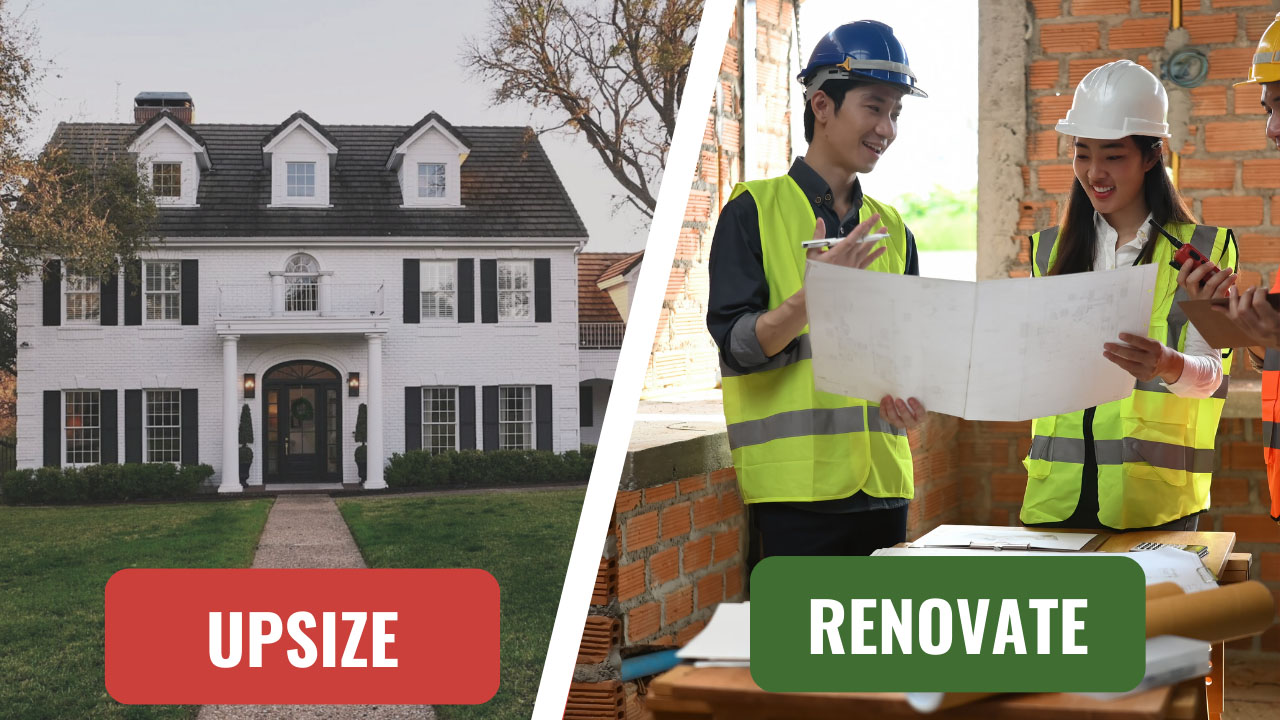
Should You Upsize or Stay Put and Renovate

December 12, 2025 by Rhonda Costa

As life changes, your home needs can change as well. Growing families, new hobbies, remote work, or lifestyle shifts often create the question many homeowners eventually face. Should you move into a larger home, or should you stay where you are and renovate? The answer is not always simple, and the right choice depends on your finances, your long-term goals, and how well your current home can adapt. As real estate professionals, we help homeowners evaluate these choices so they can move forward confidently.

Consider How Much Space You Truly Need
Before deciding to upsize, take a close look at what kind of space your lifestyle requires. Do you need an extra bedroom, a dedicated home office, or more storage Many homeowners discover that reconfiguring their current layout solves their space issues. Others realize that their needs exceed what their current home can reasonably provide. Listing out your must-have spaces helps clarify whether a renovation can meet your goals or if a new home makes more sense.

Compare the Cost of Renovating With the Cost of Moving
Renovations can be expensive, especially when structural changes, electrical upgrades, or plumbing work are involved. At the same time, moving comes with its own costs, including a down payment, closing costs, moving fees, and higher property taxes. A side-by-side comparison can help you see which option fits your budget best. If renovating gives you the features you want without stretching your finances, staying put may be the smarter choice. If renovation costs approach the price of a larger home, upsizing may offer more long-term value.

Evaluate How Your Current Neighborhood Supports Your Lifestyle
Neighborhood amenities can be just as important as the home itself. If you love your current school district, commute time, or local conveniences, renovating may allow you to stay in an area that already works for your family. On the other hand, if you want different amenities, a new neighborhood, or a shorter commute, upsizing may open the door to a lifestyle upgrade as well as a space upgrade. Your home should support both your daily comfort and your long-term plans.

Look at the Return on Investment for Renovations
Not all renovations offer equal value. Updating kitchens or bathrooms, adding usable square footage, or improving energy efficiency tends to increase home value. However, highly customized upgrades may not offer strong resale return. Before committing to renovation, consider how much value it will add and whether it aligns with your future plans. A real estate professional can help you estimate the potential return based on your neighborhood and local market trends.

Thinking About Your Long-Term Goals
Your home should fit your long-term vision. If you plan to raise your family, start a business from home, or host guests regularly, upsizing may provide the right long-term fit. If you love your home and see yourself staying for many years, renovating can personalize your space without the stress of moving. Long-term clarity helps you make a choice that feels good now and still feels right in the years ahead.

Choosing between upsizing and renovating is a major decision, but with the right information and a clear understanding of your goals, you can choose the path that offers the most comfort, value, and long-term satisfaction.

Filed Under: Homeowner Tips Tagged With: Homeownership, Real Estate Tips, Renovation vs. Moving

  • 1
  • 2
  • 3
  • …
  • 5
  • Next Page »

Rhonda & Steve Costa

Rhonda & Steve Costa

Call (352) 398-6790
Sunrise Homes & Renovations, Inc.

Contractors License #CBC 1254207

Let’s Keep In Touch!

  • This field is for validation purposes and should be left unchanged.

Connect With Us on Social Media

Categories

Looking For Something?

Our Location


Spring Hill, FL 34608

Equal Housing Opp

Return to top of page

Copyright © 2026 Sunrise Homes & Renovations, Inc.. All rights reserved.   Log In