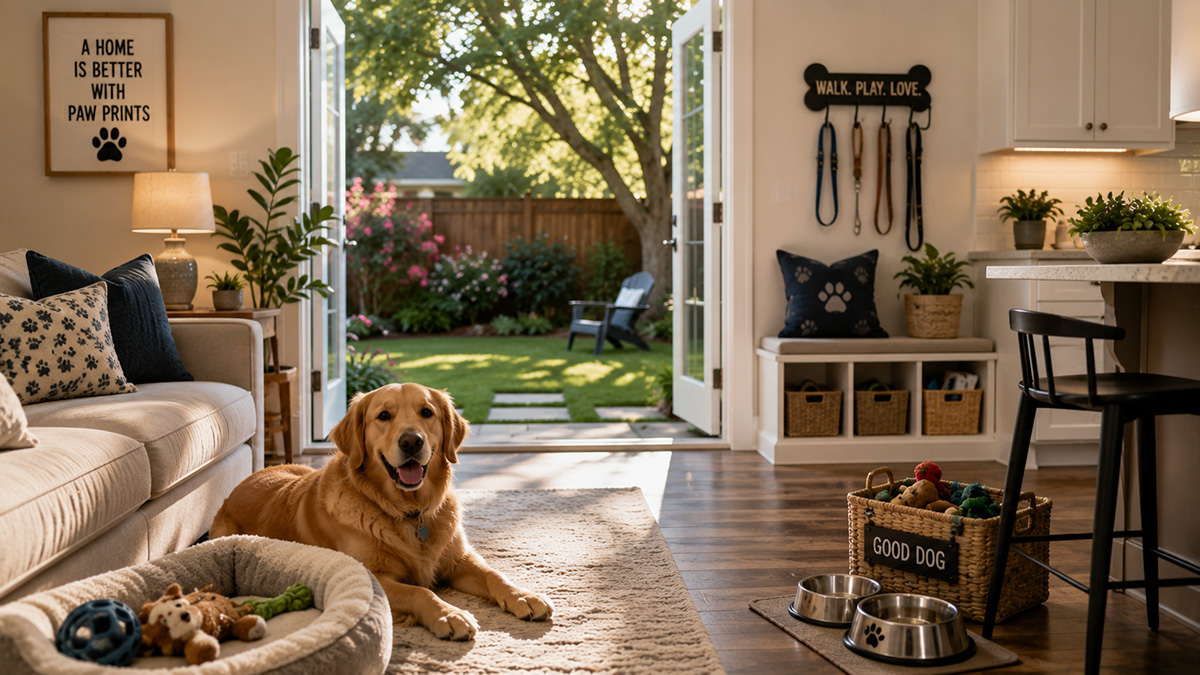
 For many people, pets are more than companions. They are family. While buyers often focus on square footage, kitchens, and curb appeal, it is just as important to consider how well a home fits the needs of your four-legged family members. Thinking about your pets before making an offer can help you choose a home that is comfortable, practical, and enjoyable for everyone.
Consider the Outdoor Space
A yard can be a wonderful feature for dogs, but bigger is not always better. Think about whether the yard is securely fenced, easy to maintain, and provides enough room for your pet to play safely. If there is no fence, consider the cost of adding one and whether local regulations or homeowners associations have any restrictions.
Choose Flooring That Fits Your Lifestyle
Flooring can make a big difference when you have pets. Carpet may feel cozy, but it can be more difficult to keep clean after muddy paws or accidents. Hard surface flooring, such as luxury vinyl, tile, or hardwood, is often easier to maintain and may hold up better to everyday wear from active pets.
Think About the Home’s Layout
The layout of a home can affect both you and your pets. Consider where food and water bowls will go, whether there is a convenient place for a crate or pet bed, and if there is enough space for your pet to move comfortably. Homes with easy access to the backyard can also make daily routines much more convenient.
Research the Surrounding Area
The neighborhood matters just as much as the home itself. Look for nearby walking trails, parks, sidewalks, and veterinary clinics. If you enjoy taking your dog on daily walks, these nearby amenities can make a significant difference in your overall quality of life.
Plan for the Future
Your needs may change over the years, and so may your pets’. A home that works well today should also support your lifestyle in the future. Whether you plan to adopt another pet or simply want room for your current companion to grow older comfortably, thinking ahead can help you make a smarter long-term decision.
Finding the right home means considering every member of your household, including the ones with paws. By keeping your pet’s needs in mind during your home search, you can choose a home that provides comfort, convenience, and happiness for the entire family.
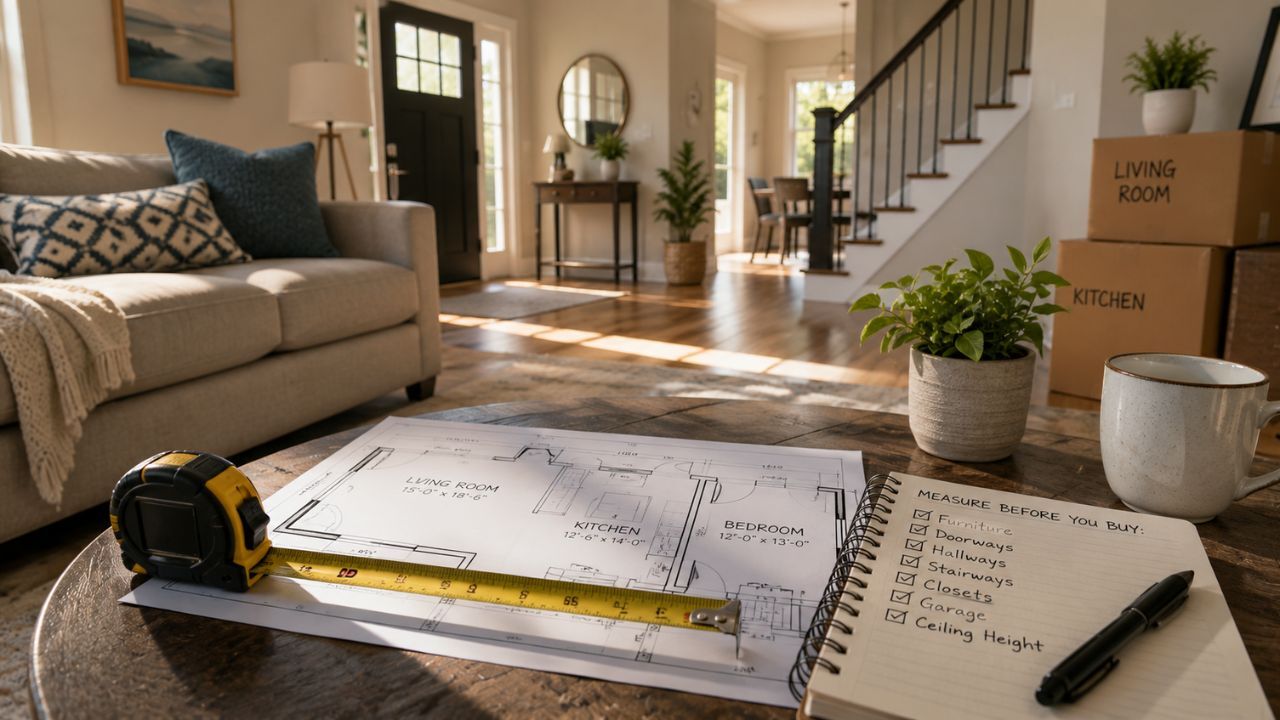 It is easy to fall in love with a home during a showing. The layout feels right, the kitchen is beautiful, and you can already picture where your furniture will go. Unfortunately, many buyers discover after moving in that some of their belongings do not fit quite as expected. Taking a few simple measurements before closing can save time, money, and frustration once moving day arrives.
 A spacious yard is one of the most desirable features for many homebuyers. It offers room for children to play, space for entertainment, and plenty of opportunities to create your own outdoor retreat. However, a larger yard also comes with ongoing responsibilities that are easy to overlook during the excitement of purchasing a home.
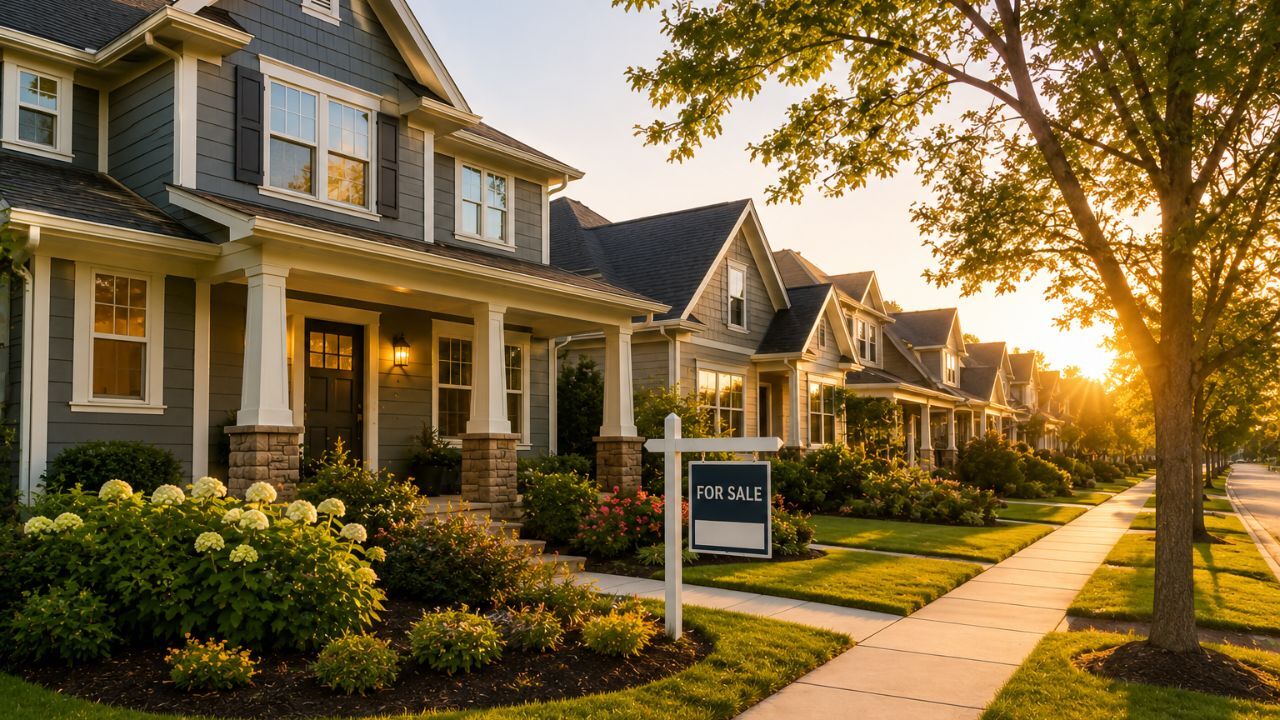 Most buyers focus on finding a home that fits their current needs, which is exactly what they should do. However, it is also wise to consider how appealing the property may be to future buyers. Even if you plan to stay for many years, understanding what contributes to resale potential can help protect your investment over the long term.
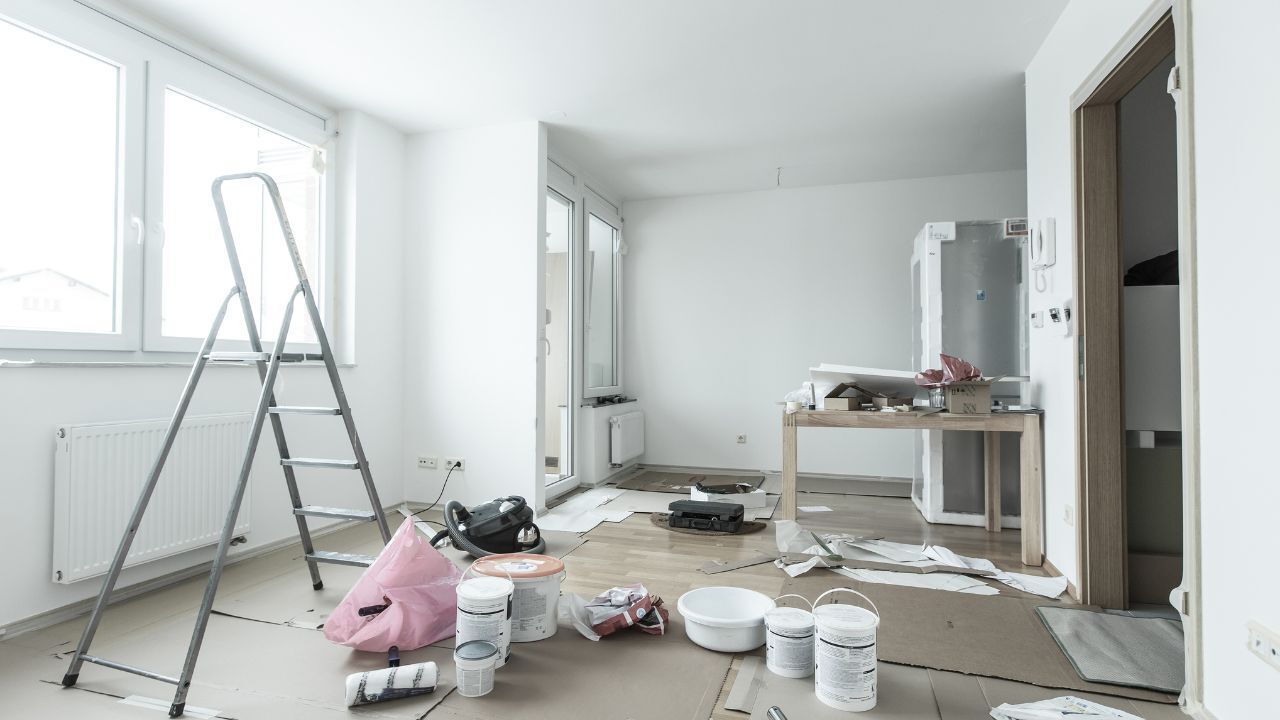 Many buyers are attracted to homes that need a little work. A property that requires updates may come with a lower purchase price, less competition, and the opportunity to personalize the space. While these benefits can be appealing, buyers should also understand the hidden costs that often accompany renovation projects before making a purchase.
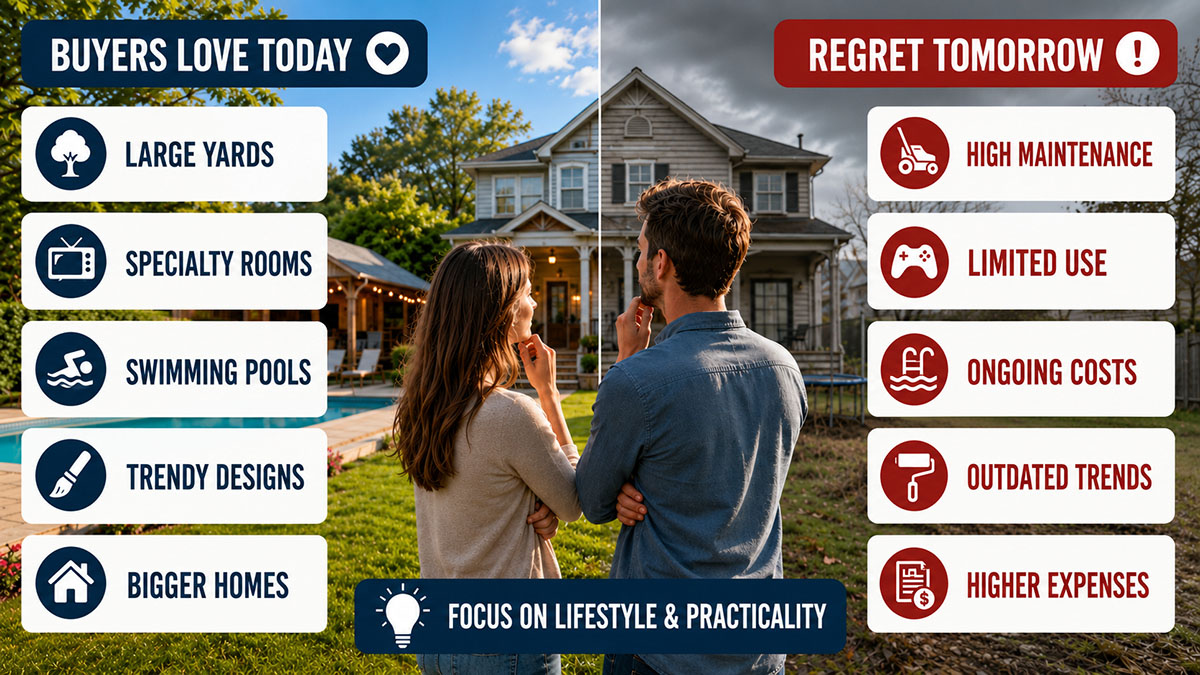 Certain home features can create an immediate emotional reaction during a showing. Buyers often imagine how exciting it would be to own a property with unique amenities or impressive design elements. While some features continue to provide value for years, others can become unexpected sources of expense, maintenance, or frustration after move-in.