Sunrise Homes & Renovations, Inc.

  • Home
  • About
    • About Us
    • Recognition
      • Disaster Contractors Network
      • US EPA Certified
    • Accessibility Statement
  • Example Models
  • Renovations
  • Resources
    • First Time Home Buyer Tips
    • First Time Home Seller Tips
  • Blog
  • Contact

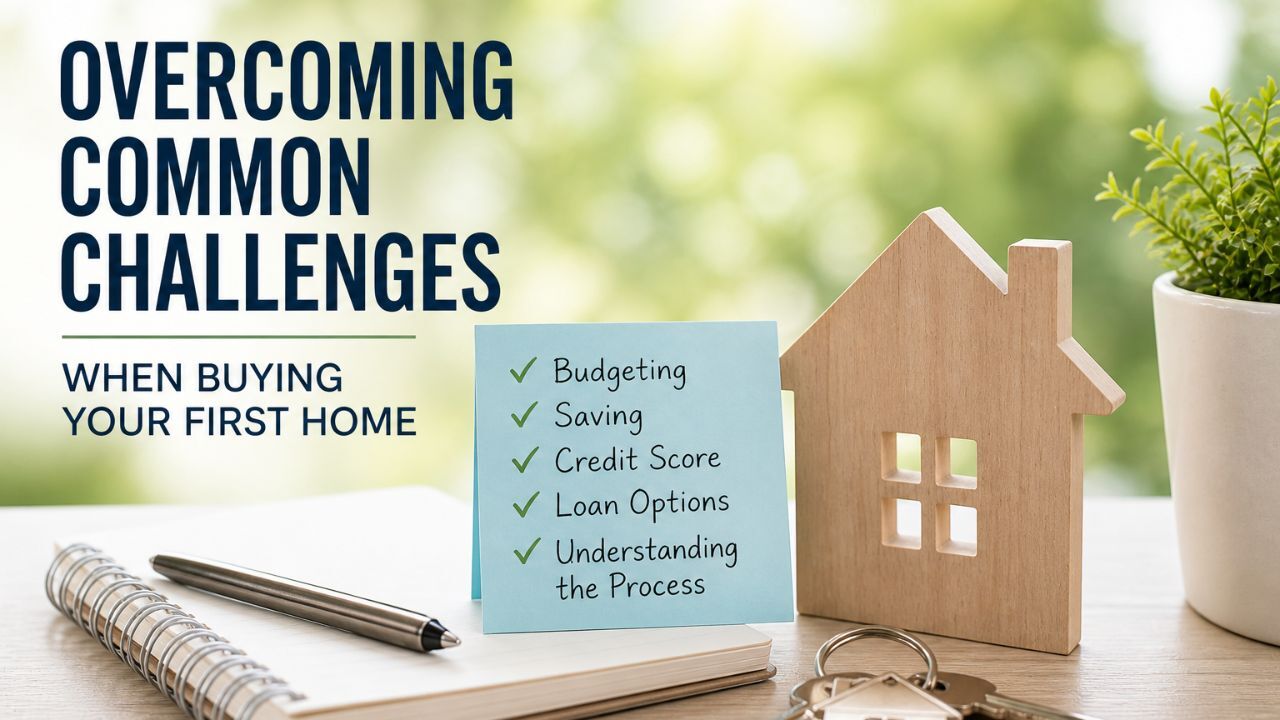
Overcoming Common Challenges When Buying Your First Home

May 13, 2026 by Rhonda Costa

Buying your first home is an exciting milestone, but it often comes with challenges that can feel overwhelming if you are not prepared. From financial concerns to navigating the process itself, many first-time buyers encounter similar obstacles.

The key is to understand these challenges ahead of time so you can approach them with confidence and a clear plan.

Managing Limited Savings
One of the most common challenges for first-time buyers is saving enough for upfront costs. Between the down payment and closing costs, the numbers can feel intimidating. However, there are options that can help make this more manageable, including different loan programs and assistance opportunities. Planning early and understanding your options can make a significant difference in how achievable homeownership feels.

Navigating a Competitive Market
In many cases, buyers are entering markets where homes move quickly and competition is strong. This can make it difficult to secure the right property without feeling pressured. Being prepared with a clear budget and having your financing in place, such as being pre-approved, can help you act quickly and confidently when the right home becomes available.

Understanding the Buying Process
For first-time buyers, the process itself can be confusing. There are multiple steps, from pre-approval to inspections and closing, and each one comes with its own requirements. Taking the time to learn how the process works ahead of time can reduce stress and help you feel more in control as you move forward.

Avoiding Emotional Decision Making
Buying a home is an emotional experience, and it is easy to become attached to a property quickly. While this is natural, it is important to stay focused on your needs and financial limits. Making decisions based on logic rather than emotion helps ensure that you choose a home that truly fits your situation.

Building the Right Support Team
Having the right professionals on your side can make all the difference. A knowledgeable real estate agent and lender can guide you through each step, answer your questions, and help you avoid common mistakes. Their experience can provide clarity and confidence throughout the process.

Every challenge in the homebuying process can be overcome with the right preparation and guidance. Ready to purchase a home? Give us a call today and let us help you take the next step.

Filed Under: Home Buyer Tips Tagged With: First Time Home Buyer, Home Buyer Tips, Homeownership

Buying Your First Home? Why a Condo Might Be the Smartest Place to Start

April 23, 2026 by Rhonda Costa

If you’re starting to feel like rent checks are just disappearing into the void… you’re not wrong. For many first-time buyers, the shift from renting to owning is less about luxury and more about finally building something of your own.

The good news? Your first home doesn’t have to be a standalone house with a white picket fence. In fact, for a lot of buyers, a condo can be the most practical—and strategic—way to get started.

Here’s why:

1. A More Affordable Entry Point

Let’s be honest—home prices aren’t exactly subtle these days.

Condos typically come with a lower purchase price than single-family homes, which makes them far more accessible for first-time buyers. That lower price point often translates into a more manageable monthly payment, giving you room to breathe financially.

That said, condos do come with homeowners association (HOA) fees. These usually cover things like exterior maintenance, landscaping, and shared amenities (think gyms, pools, or common areas). While it’s an added cost, it can also mean fewer day-to-day responsibilities on your end.

2. Lower Upfront Costs (In Many Cases)

Because condos are generally more affordable, your upfront costs—like your down payment—can also be lower.

While the traditional “20% down” rule still gets thrown around, many first-time buyers today use loan programs that allow for significantly less. A lower purchase price + flexible financing options can make homeownership feel a lot more within reach.

Bonus: keeping more cash in your pocket upfront gives you a cushion for moving expenses, furnishings, or just… life.

3. Low-Maintenance Living

If the idea of mowing a lawn every weekend or dealing with surprise roof repairs makes you want to immediately lie down—condo living might be your speed.

One of the biggest perks is that much of the exterior maintenance is handled for you. That means less time (and money) spent on upkeep, and more time focusing on work, hobbies, or, you know, having an actual life.

For busy professionals or anyone who doesn’t want to become a part-time handyman overnight, this is a huge win.

4. A Stepping Stone to Future Investing

Your first home doesn’t have to be your forever home—and that’s actually a good thing.

Many buyers start with a condo, build equity over time, and later move into a larger property. At that point, the condo can potentially become a rental, creating an additional income stream.

In other words, your “starter home” can evolve into a long-term asset.

A Smart First Move

Buying your first home can feel overwhelming, but it doesn’t have to be all or nothing.

A condo offers a more approachable way to enter the market, build equity, and gain experience as a homeowner—without taking on more than you’re ready for.

If you’re exploring your options, we’re here to help you understand what makes the most sense for your goals, your budget, and your next chapter.

Filed Under: Home Buyer Tips Tagged With: Condo, First Time Home Buyer, Home Buyer Tips

How To Save Money Moving Into Your New Home

May 20, 2025 by Rhonda Costa

Moving into a new home is exciting, but it can also come with unexpected expenses that quickly add up. Between packing supplies, transportation, and time off work, costs can spiral before you even settle in. But with a bit of planning and resourcefulness, you can cut down on unnecessary spending and keep more cash in your pocket.
Plan Ahead and Get Creative
The key to saving money during a move is preparation. Start gathering your moving supplies weeks in advance. The closer you get to moving day, the more likely you are to overspend in a panic.

Save Money on Boxes
Boxes may seem like a minor expense, until you realize you need dozens of them. Buying brand-new moving boxes from a store or moving company can cost $2 to $5 each. Multiply that by 30 or 40, and you have spent a small fortune just on cardboard.

Here’s how to get boxes without blowing your budget:

  • Check Craigslist or Facebook Marketplace: Many people offer gently used moving boxes for free or cheap. They’ll often be happy to let them go just to free up space.
  • Look on eBay: Some sellers offer bulk moving boxes at discounted prices. Just be sure to account for shipping before checking out.
  • Ask local stores: Grocery stores, liquor stores, and big-box retailers regularly receive shipments and may have sturdy boxes available. Just ask a manager if they can set some aside for you.

Save on Packing Materials
Professional movers offer packing services, but they come at a premium. Labor, materials, and time all factor into the cost, and it can add hundreds to your final bill.

Instead, do the packing yourself and use items you already have:

  • Use newspaper for breakables like dishes, mugs, and wine glasses.
  • Wrap items with soft belongings such as towels, blankets, and T-shirts.
  • Use socks to fill gaps in boxes or cushion fragile items, just as effective as packing peanuts, and they’re already paid for.

Save on Transportation
Renting a moving van or hiring movers is often the biggest cost. Before committing, check with friends and family first. Someone may have a truck or trailer you can borrow or rent at a much lower rate than a commercial service.

Offer to pay for their gas or treat them to lunch, it will still be a fraction of the cost of a rental.

By planning ahead and being a little thrifty, you can cut moving costs significantly and reduce stress. Every dollar saved on moving is a dollar you can put toward making your new home feel like home.

Are you ready to start your next chapter? We can help you find the perfect home that fits your budget, lifestyle, and goals. Call today to begin the journey!

Filed Under: Home Buyer Tips Tagged With: First Time Home Buyer, Home Buying Help, Moving Tips

What Does a Home Inspector Look For in a Home You Want to Buy?

August 7, 2024 by Rhonda Costa

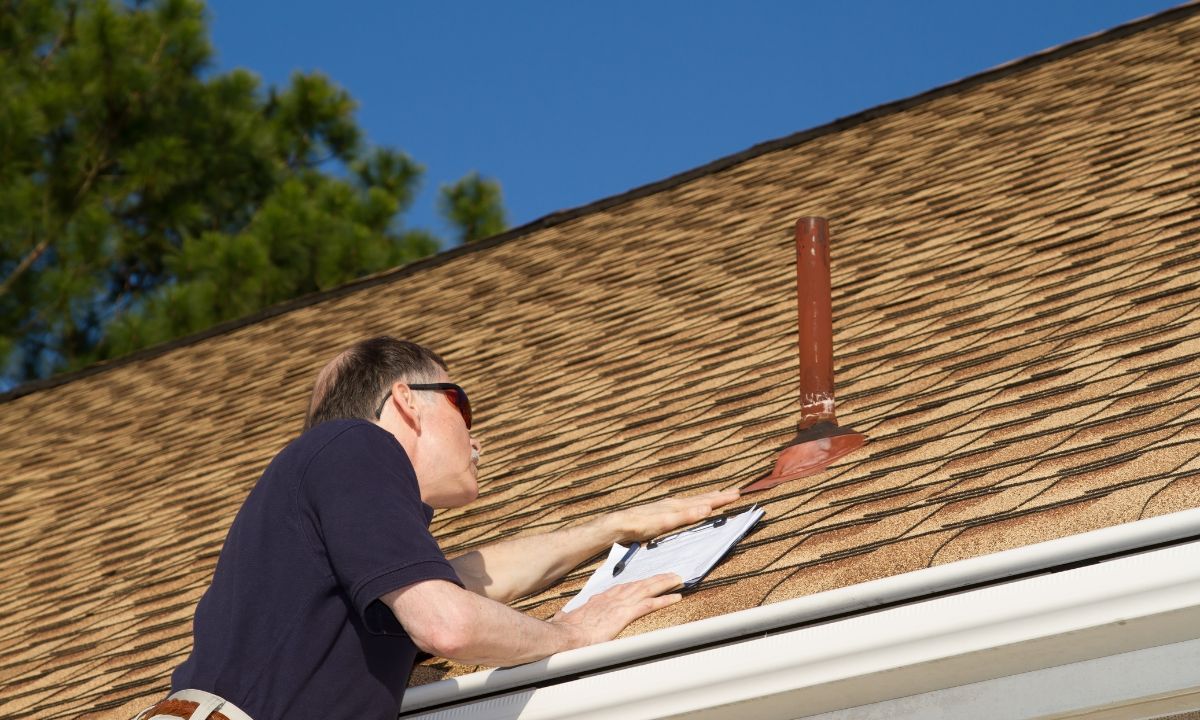
Buying your first home is an exciting milestone, but it can also feel overwhelming. One critical step in the home-buying process is the home inspection. An inspection is a complete examination by a professional home inspector and ensures the property is in good condition and helps you avoid costly surprises. What exactly does a home inspector look for in a home you want to buy? Let’s break it down.
Exterior Structure and Foundation

First and foremost, the home inspector will assess the exterior structure and foundation. They will check for any visible cracks, signs of settling, or water damage that could indicate structural issues. Additionally, they will inspect the condition of the roof, gutters, and downspouts, looking for any signs of wear, leaks, or damage.

Interior Components

Next, the inspection moves inside. The inspector will evaluate the condition of the walls, ceilings, and floors. They will look for any signs of water damage, mold, or structural issues. It’s essential to ensure that the home is safe and habitable.

Plumbing Systems

The inspector will then turn their attention to the plumbing systems. They will check all visible pipes for leaks, corrosion, or damage. Furthermore, they will test the water pressure and ensure that all fixtures, such as faucets, showers, and toilets, are functioning correctly.

Electrical Systems

Equally important, the home inspector will examine the electrical systems. They will inspect the electrical panel, circuit breakers, and outlets to ensure everything is up to code and functioning safely. Any outdated or faulty wiring will be noted, as it can pose a significant safety hazard.

HVAC Systems

The heating, ventilation, and air conditioning (HVAC) systems will also be thoroughly inspected. The inspector will check the age and condition of the furnace and air conditioning units, ensuring they are in good working order. Proper maintenance of these systems is crucial for comfort and energy efficiency.

Attic and Insulation

The attic and insulation will be examined. The inspector will assess the insulation levels to ensure they meet current standards and check for any signs of moisture or pest infestations. Proper insulation is vital for energy efficiency and overall comfort.

Appliances

Furthermore, if the home includes appliances such as a stove, refrigerator, or dishwasher, these will also be inspected. The inspector will ensure they are in working condition and identify any potential issues.

Safety Features

Lastly, the home inspector will evaluate safety features, including smoke detectors, carbon monoxide detectors, and fire extinguishers. These essential items must be in place and functioning correctly to ensure the safety of the home’s occupants.

A home inspection is a vital step in the home-buying process. It provides a comprehensive overview of the property’s condition, helping you make an informed decision. By understanding what a home inspector looks for, you can better prepare for this crucial step and move forward with confidence. Have more questions? Give us a call, we would be happy to help.

Filed Under: Home Values Tagged With: First Time Home Buyer, Home Inspection, Real Estate Tips

What Are The Pros And Cons Of ‘No-Deposit’ Mortgage Deals For First-Time Buyers?

November 8, 2023 by Rhonda Costa Leave a Comment

“No-deposit” mortgage deals for first-time buyers refer to mortgage options that allow buyers to purchase a home without having to put down a deposit or a down payment. Here are the pros and cons of such deals:

Pros:

Lower upfront costs: The most significant advantage of a no-deposit mortgage is that it eliminates the need for a substantial upfront deposit. This can be beneficial for first-time buyers who may struggle to save a large sum of money for a deposit.

Increased affordability: With a no-deposit mortgage, first-time buyers can purchase a home with a smaller amount of savings.

Potential investment opportunities: By utilizing a no-deposit mortgage, first-time buyers can allocate their savings toward other investments or use the funds for home improvements.

Cons:

Higher borrowing costs: No-deposit mortgages typically involve higher borrowing costs, including interest rates and fees. Lenders often consider these deals riskier, so they may offset the risk by charging higher interest rates or requiring additional insurance or guarantees.

Limited mortgage options: No-deposit mortgage deals are not as widely available as traditional mortgages. Lenders may have specific eligibility criteria or restrict the types of properties that qualify for these deals.

Negative equity risk: By not providing a deposit, buyers immediately start with little or no equity in their property. If property prices decrease, there is a higher risk of falling into negative equity. Negative equity occurs when the outstanding mortgage balance exceeds the value of the property.

Stricter eligibility criteria: Lenders offering no-deposit mortgages may impose stricter eligibility criteria. They may require a higher credit score, proof of stable income, or additional financial commitments. First-time buyers with a limited credit history or irregular income may find it more difficult to qualify for these deals.

Long-term financial implications: Opting for a no-deposit mortgage means taking on a higher level of debt. Buyers must carefully consider their long-term financial situation and ensure they can comfortably afford the mortgage repayments.

It is essential for first-time buyers to thoroughly research and assess their individual circumstances before committing to a no-deposit mortgage. Consulting with a mortgage advisor or financial professional can provide further guidance and help make an informed decision.

Filed Under: Home Mortgage Tagged With: First Time Home Buyer, Home Purchase Tips, Mortgage, No Deposit

How Can Parents Help Their Children Buy A Home?

January 4, 2022 by Rhonda Costa

How Can Parents Help Their Children Buy A Home?One of the most common dreams is homeownership; however, the cost of buying a house is rising quickly, and many children cannot afford to buy a house even after they finish school. They might be encumbered with student loans, and they could have a difficult time finding a job. Fortunately, there are ways parents can help their adult children buy a home.

Help Children Build A Healthy Credit History As Early As Possible

One of the biggest factors involved in an application for a home loan is the credit score. One reason why children have a difficult time qualifying for a home loan is that their credit scores are not high enough. They simply do not have a lengthy credit history. Parents should help their children build credit as early as possible. One way to do that is to help them take out a credit card and co-sign for it, giving children a lengthy credit history of on-time payments when they apply for a home loan.

Let Children Live At Home Temporarily

Another obstacle that gets in the way of homeownership is the size of the down payment. For children to qualify for a home loan with a favorable interest rate, they need to have a sizable down payment. It can take a long time for children to save 20 percent for a down payment, so parents should consider letting children live at home temporarily, rent-free, so they can save money for a down payment.

Offer To Be A Co-Signer

Finally, parents can also make it easier for children to buy a home by co-signing for the loan. While some parents might be reluctant to do so, this could be the best way to help children qualify for a mortgage. If parents are confident that their children can afford the mortgage, they should consider becoming a co-signer to give the lender a greater degree of confidence.

Make It Easier For Adult Children To Buy A Home

These are a few of the best ways parents can make it easier for their children to purchase a new home. Even though homeownership can be a challenge, it doesn’t have to be a fantasy. Parents should start planning for their children as early as possible to make it easier for them to qualify for a home loan.

Filed Under: Real Estate Tagged With: First Time Home Buyer, Homeownership, New Home

  • 1
  • 2
  • Next Page »

Rhonda & Steve Costa

Rhonda & Steve Costa

Call (352) 398-6790
Sunrise Homes & Renovations, Inc.

Contractors License #CBC 1254207

Let’s Keep In Touch!

  • This field is for validation purposes and should be left unchanged.

Connect With Us on Social Media

Categories

Looking For Something?

Our Location


Spring Hill, FL 34608

Equal Housing Opp

Return to top of page

Copyright © 2026 Sunrise Homes & Renovations, Inc.. All rights reserved.   Log In