
Sunrise Homes & Renovations, Inc.

  • Home
  • About
    • About Us
    • Recognition
      • Disaster Contractors Network
      • US EPA Certified
    • Accessibility Statement
  • Example Models
  • Renovations
  • Resources
    • First Time Home Buyer Tips
    • First Time Home Seller Tips
  • Blog
  • Contact

The Hidden Costs of Homeownership No One Budgets For

April 29, 2026 by Rhonda Costa

When most people think about buying a home, they focus on the monthly mortgage payment. While that is an important number, it is only part of the full financial picture.

Homeownership comes with a range of additional costs that can catch buyers off guard if they are not prepared. Understanding these expenses ahead of time can help you avoid stress and make more confident decisions.

Maintenance Is Constant and Adds Up

Owning a home means you are responsible for everything inside and outside the property. Routine maintenance such as lawn care, cleaning, and seasonal upkeep requires both time and money. Beyond that, repairs are inevitable. Appliances break, plumbing issues happen, and systems like heating and cooling need regular servicing. Even smaller repairs can add up over time. A common rule is to set aside a percentage of your home’s value each year for maintenance, but many buyers overlook this entirely.

Utilities Can Be Higher Than Expected

Moving into a home often means more space, which usually leads to higher utility bills. Heating, cooling, electricity, water, and even trash services can cost more than what you were paying as a renter. Older homes or homes that are not energy efficient may increase these costs even further. It is important to factor in these changes when planning your monthly budget so there are no surprises after you move in.

Property Taxes and Insurance Can Change

Property taxes and homeowners insurance are often included in your monthly payment, but they are not fixed forever. Taxes can increase as property values rise, and insurance premiums can change based on coverage needs or local conditions. These increases may seem small at first, but over time they can have a noticeable impact on your overall housing costs. Planning for potential increases can help you stay ahead financially.

Unexpected Costs Are Inevitable

No matter how well you plan, unexpected expenses will come up. A roof repair, a water heater replacement, or even minor issues like pest control can require immediate attention. These are not optional costs, they need to be handled quickly to prevent bigger problems. Having an emergency fund specifically for your home can make these situations much easier to manage.

Planning Ahead Makes All the Difference

The key to successful homeownership is preparation. When you understand the full range of costs, you can budget more accurately and avoid feeling overwhelmed. A home should bring stability and comfort, not financial stress. Taking the time to plan for both expected and unexpected expenses allows you to enjoy your home with confidence and peace of mind.

Filed Under: Homeowner Tips Tagged With: Budgeting, Financial Planning, Homeownership

The Real Cost of Homeownership, What Buyers Must Know Before They Commit

December 18, 2025 by Rhonda Costa

Buying a home is an exciting step and a powerful wealth building move, but the purchase price is only part of the financial picture. Many buyers focus on the down payment and monthly loan amount, then feel surprised by the ongoing costs that come with owning a home. Understanding these expenses ahead of time helps you buy with confidence and avoid unnecessary financial stress.
Your Monthly Mortgage Payment
For most homeowners, the mortgage payment is the largest recurring expense. This payment includes the principal balance and the interest charged for borrowing the funds. The amount depends on your loan size, interest rate, and loan term. Choosing a payment that fits comfortably within your budget is essential for long-term stability.

Property Taxes
Property taxes are an annual expense assessed on your home and can vary widely. Many homeowners pay these taxes monthly as part of their mortgage payment, with funds held in escrow and paid when due. It is important to account for this cost since property taxes can increase over time.

Homeowners Insurance Coverage
Most lenders require homeowners insurance to protect the property against unexpected damage or loss. Premiums are often paid monthly through escrow. Standard policies typically cover common risks, but some situations require additional coverage. Planning for this cost ensures your home and finances remain protected.

Homeowners Association Fees
Some properties are part of a Homeowners Association. These fees are typically charged monthly or quarterly and support shared amenities and community maintenance. Costs may cover landscaping, exterior upkeep, snow removal, or other services. These fees continue even after a mortgage is paid off and should always be included in your long-term budget.

Utilities and Services
Owning a home means covering ongoing utility costs. These often include electricity, water, gas, sewer services, trash removal, recycling, television, and internet. Utility expenses can fluctuate based on home size, usage, and seasonal demand, making it important to leave room for variability.

Maintenance and Repairs
Unlike renting, homeowners are responsible for repairs and upkeep. This includes items such as roofing, plumbing, electrical systems, heating and cooling systems, and appliances. Setting aside savings for routine maintenance and unexpected repairs can prevent financial strain when issues arise.

Plan, Budget, and Prepare
Knowing how much you can afford goes beyond loan approval. Factoring in ongoing ownership costs allows you to create a realistic budget and build savings for the future. A well prepared buyer is positioned to enjoy homeownership without sacrificing financial flexibility.

Homeownership is a rewarding goal when approached with clarity and planning. Understanding the full cost helps you make decisions that support both your lifestyle and long-term success.

Filed Under: Home Buying Tips Tagged With: Financial Planning, Home Buying Tips, Homeownership

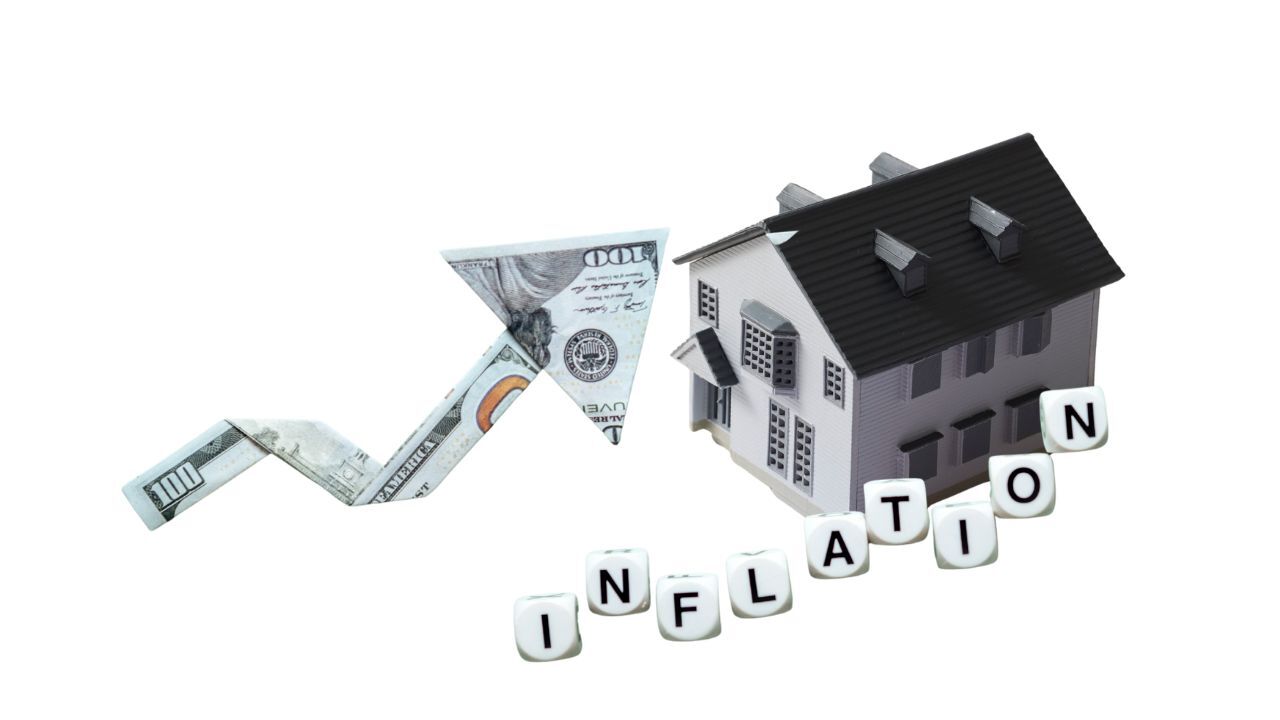
Understanding Mortgages and Inflation and How Borrowers Can Benefit

October 28, 2025 by Rhonda Costa

Inflation affects nearly every part of the economy, from grocery prices to the cost of borrowing. For homeowners and buyers, understanding how inflation impacts mortgage rates and payments can be a powerful advantage. While rising prices can feel discouraging, there are strategic ways borrowers can benefit during inflationary periods.

How Inflation Impacts Mortgages
When inflation rises, the value of money decreases, and interest rates increase. This is because lenders want to protect the value of the money they lend. Higher inflation can mean higher mortgage rates for new loans, which may reduce affordability for buyers. However, for existing homeowners with a fixed-rate mortgage, inflation can work in their favor.

If your mortgage rate is locked in, your monthly payment stays the same even as the cost-of-living rises. Over time, inflation makes your fixed payment feel smaller because your income and overall prices may increase, but your mortgage does not. In this way, inflation can reduce the ìrealî cost of your loan.

Fixed-Rate Borrowers Hold an Advantage
Homeowners with fixed-rate mortgages essentially win when inflation increases. They are paying back their loan with dollars that are worth less overtime, while home values and wages may rise. This combination can boost equity faster and make long-term homeownership an even stronger investment.

Borrowers who purchased homes before major inflationary periods often see this effect clearly. While new buyers might face higher rates, established homeowners enjoy steady payments and growing property values.

Why Real Estate Can Be a Hedge Against Inflation
Real estate has long been considered a hedge against inflation. As prices for goods and services rise, home values usually rise too. That means the property you own could appreciate while your mortgage balance stays the same. This dynamic helps protect your wealth and builds long-term equity, even during uncertain times.

For investors, rental income also tends to rise with inflation. That means owning property can help maintain or even increase cash flow as living costs go up.

Smart Moves for Borrowers During Inflation

Even in an inflationary market, borrowers have options:

  • Lock in a fixed rate before rates increase further
  • Pay down principal faster to save on interest over time
  • Consider real estate as a long-term inflation hedge
  • Avoid unnecessary debt, especially variable-rate loans that can rise with inflation

Inflation can be challenging, but it also creates opportunities for smart borrowers. If you already have a fixed-rate mortgage, you are likely in a good position. By understanding how inflation works in relation to mortgages, you can use it to your advantage and strengthen your long-term financial outlook.

Filed Under: Home Mortgage Tips Tagged With: Financial Planning, Inflation, Mortgages

Steps to Prepare for Future Real Estate Purchases

December 6, 2024 by Rhonda Costa

As the year comes to a close, it’s the ideal time to take a step back and assess your financial situation, especially if you’re planning to buy real estate in the coming year. Whether you’re a first-time homebuyer, looking for an investment property, or aiming to upgrade, being financially prepared can make all the difference.

1. Review Your Credit Score

Your credit score is a key factor in determining whether you’ll be approved for financing and what kind of interest rate you will receive. Obtain your credit report from the three major bureaus—Equifax, Experian, and TransUnion. Check for errors, and if your score isn’t as high as you’d like, start working on improving it by paying down high-interest debt and avoiding late payments. A higher credit score will open the door to better loan options.

2. Save for a Down Payment

Whether you’re purchasing a home or an investment property, the more you can put down upfront, the more flexibility you’ll have in negotiating financing terms. Aim for at least 20% of the property’s purchase price to avoid paying private mortgage insurance (PMI). However, if that’s not possible, explore alternative loan options with lower down payment requirements. Start saving now by setting up automatic transfers to your savings account.

3. Understand Your Debt-to-Income (DTI) Ratio

Lenders consider your debt-to-income (DTI) ratio to evaluate your ability to take on a new mortgage. A lower DTI suggests that you’re more likely to manage new debt responsibly. If your ratio is higher than 43% (which is the threshold many lenders use), consider paying down existing debt to improve your financial profile and enhance your borrowing potential.

4. Estimate Your Budget

Understanding how much real estate you can afford is crucial. Use online calculators to estimate your monthly payments, factoring in the property price, taxes, insurance, and potential HOA fees. Remember that your monthly payment should ideally not exceed 28-30% of your gross monthly income. Overextending your budget could lead to financial strain, so ensure you’re comfortable with your monthly obligations.

5. Prepare for Closing Costs

In addition to your down payment, you’ll need to budget for closing costs. These typically range from 2% to 5% of the home’s purchase price and can include expenses like title insurance, inspections, and appraisal fees. Having these funds saved up ahead of time will help ensure you’re not caught off guard at the last minute.

6. Get Pre-Approved for Financing

Before diving into the real estate market, it’s wise to get pre-approved for a loan or other financing. A pre-approval letter shows sellers that you’re a serious and qualified buyer, which could give you an edge in competitive markets. The pre-approval process involves submitting financial documentation, such as proof of income, tax returns, and credit history. It’s an essential step before starting the home search or investment property hunt.

7. Set Financial Goals for the Upcoming Year

Set concrete financial goals to reach by the time you’re ready to make your real estate purchase. Whether it’s saving a specific amount for your down payment or working to pay off high-interest debt, clear financial goals will help keep you on track. Regularly assess your progress and adjust your strategy as needed to stay focused on achieving your real estate ambitions.

8. Consult with Real Estate Professionals

Engage with a real estate agent, financial advisor, or other professionals who can provide expert guidance. We can help you navigate the market, identify properties that match your goals, and negotiate the best deal. A financial advisor can help you assess whether you’re in the right financial position to make a move, especially if you’re considering an investment property.

By taking these crucial steps now, you’ll position yourself for success when you’re ready to make a real estate purchase in the coming year. Careful financial planning and preparation can set the foundation for a smooth and successful transaction, whether it’s your dream home, an investment property, or a second home.


Filed Under: Home Buyer Tips Tagged With: Financial Planning, Home Buying Tips, Real Estate Goals

Managing Your Debt During the Homebuying Process: A Guide for Homebuyers

August 21, 2024 by Rhonda Costa

Embarking on the journey to homeownership is an exciting milestone, but it also requires careful financial planning. One crucial aspect is managing your debt effectively. I want to ensure you have the tools and knowledge to navigate this process smoothly. Let’s discuss some essential strategies for managing your debt while purchasing a home.

Understand Your Debt-to-Income Ratio

Firstly, it’s essential to understand your debt-to-income (DTI) ratio. This ratio compares your monthly debt payments to your gross monthly income and is a critical factor lenders consider when approving a mortgage. A lower DTI ratio indicates you have a healthy balance between debt and income, making you a more attractive borrower.

Prioritize High-Interest Debt

Next, prioritize paying off high-interest debt. Credit cards typically have higher interest rates than other types of debt. By focusing on reducing or eliminating these balances, you’ll not only save on interest but also improve your credit score. Consequently, this can lead to better mortgage terms.

Avoid New Debt

Additionally, avoid taking on new debt during the home-buying process. New loans or credit card accounts can increase your DTI ratio and negatively impact your credit score. Instead, focus on maintaining your current financial status until your mortgage is finalized.

Create a Budget

Moreover, creating a budget is crucial. A well-planned budget will help you allocate funds for debt payments, savings, and other expenses. Tracking your spending ensures you stay on top of your financial obligations and avoid unnecessary expenditures.

Save for a Down Payment

Simultaneously, save for a substantial down payment. A larger down payment reduces the loan amount you’ll need and can lead to lower monthly payments. It also shows lenders that you have financial discipline and are less risky.

Communicate with Your Lender

Furthermore, maintain open communication with your lender. If you have any concerns or anticipate changes in your financial situation, inform them promptly. They can provide guidance and may offer solutions to help you manage your debt more effectively.

Seek Professional Advice

Finally, don’t hesitate to seek professional advice. Financial advisors and mortgage professionals can offer personalized strategies tailored to your situation. Their expertise can be invaluable in helping you manage debt and achieve homeownership successfully.

Managing your debt during the home-buying process requires careful planning and discipline. By understanding your DTI ratio, prioritizing high-interest debt, avoiding new debt, creating a budget, saving for a down payment, communicating with your lender, and seeking professional advice, you’ll be well-prepared to navigate this exciting journey.

#HomebuyingTips #DebtManagement #RealEstateAdvice #FinancialPlanning

Filed Under: Home Mortgage Tips Tagged With: Debt Management, Financial Planning, Homebuying Tips

Signs That You Should Sell Your Home Soon: How to Know When It’s Time

June 12, 2024 by Rhonda Costa

Deciding when to sell your home can be a daunting task. The housing market is unpredictable, and personal circumstances can add layers of complexity to the decision. If you’re contemplating selling your home but aren’t sure if the timing is right, here are some signs to help guide your decision.

1. Market Conditions are Favorable

One of the most compelling reasons to sell your home is favorable market conditions. Keep an eye on local real estate trends, such as rising home prices and low inventory. When demand is high and supply is low, sellers often have the upper hand, which can translate into a higher selling price and a quicker sale.

Tip: Consult a local real estate agent to get a sense of your market’s current condition. They can provide a comparative market analysis (CMA) to help you understand your home’s value in today’s market.

2. You’ve Outgrown Your Space

Your home may have been perfect when you bought it, but life changes. Whether you’re planning for a growing family, need space for a home office, or simply crave more room, outgrowing your home is a clear sign it might be time to move on.

Tip: Consider your long-term needs when looking for your next home to avoid outgrowing it again too soon.

3. Your Home No Longer Fits Your Lifestyle

Perhaps your kids have moved out, and you find yourself with more space than you need, or maybe you’re looking for a shorter commute to a new job. As your lifestyle evolves, your home should ideally match your current needs and desires.

Tip: Think about your daily routine and future plans. If your home no longer complements these, it’s a good indication that a move is in order.

4. Financial Considerations

Selling your home can be financially motivated. If you’re facing financial difficulties, selling your home might provide the relief you need. Conversely, if your financial situation has improved, you might want to upgrade to a more luxurious property or downsize to reduce expenses.

Tip: Work with a financial advisor to understand the potential impact of selling your home on your overall financial health.

5. Maintenance is Becoming Overwhelming

Older homes often require more maintenance and repairs. If you find that upkeep is becoming a financial burden or simply too much to handle, it might be time to consider selling.

Tip: Before selling, tackle small, manageable repairs to boost your home’s appeal without sinking too much money into it.

6. Equity is on Your Side

If you’ve built up significant equity in your home, selling could provide you with a substantial return on your investment. This equity can be used for various purposes, such as purchasing a new home, investing, or saving for retirement.

Tip: Calculate your home equity by subtracting your remaining mortgage balance from your home’s current market value. High equity often means a more profitable sale.

7. You’re Emotionally Ready to Move On

Emotional readiness is often overlooked but is a crucial factor in the decision to sell. If you’re feeling attached to your home, it can make the selling process stressful. Conversely, if you’re ready for a new chapter and excited about the possibilities, it’s a good sign you’re prepared to move.

Tip: Reflect on your feelings about your home. If you’re more excited about the future than nostalgic about the past, you’re likely ready to sell.

8. Interest Rates are Low

Low interest rates mean potential buyers can afford to pay more, which can drive up home prices. Additionally, if you plan to buy another home, you can benefit from lower mortgage rates.

Tip: Stay updated on interest rate trends. Even a small change can significantly impact your buying power and the overall housing market. Deciding to sell your home is a significant life decision that involves careful consideration of market conditions, personal circumstances, and financial implications. By keeping an eye on these signs, you can make an informed choice about when the time is right for you.

If you’re still unsure, consult with real estate professionals who can provide valuable insights and guide you through the process. Remember, the goal is to ensure that your home continues to serve your needs and aligns well with your future.

Filed Under: Selling Your Home Tagged With: Financial Planning, Moving On, Selling Home

  • 1
  • 2
  • Next Page »

Rhonda & Steve Costa

Rhonda & Steve Costa

Call (352) 398-6790
Sunrise Homes & Renovations, Inc.

Contractors License #CBC 1254207

Let’s Keep In Touch!

  • This field is for validation purposes and should be left unchanged.

Connect With Us on Social Media

Categories

Looking For Something?

Our Location


Spring Hill, FL 34608

Equal Housing Opp

Return to top of page

Copyright © 2026 Sunrise Homes & Renovations, Inc.. All rights reserved.   Log In