
Sunrise Homes & Renovations, Inc.

  • Home
  • About
    • About Us
    • Recognition
      • Disaster Contractors Network
      • US EPA Certified
    • Accessibility Statement
  • Example Models
  • Renovations
  • Resources
    • First Time Home Buyer Tips
    • First Time Home Seller Tips
  • Blog
  • Contact

How Neighborhood Culture Shapes Your Long-Term Satisfaction

April 7, 2026 by Rhonda Costa

When buyers evaluate a home, they often focus on layout, finishes, and condition. Yet long-term satisfaction is shaped just as much by the surrounding neighborhood as by the structure itself.

Community culture influences daily routines, social interaction, safety perception, and overall well-being. Choosing a property without evaluating neighborhood fit can lead to short-term excitement but long-term frustration.

Observe the Energy at Different Times
A neighborhood can feel entirely different in the morning compared to the evening. Visiting during multiple time periods reveals traffic flow, noise levels, pedestrian activity, and general pace. Some buyers thrive in fast-paced, active areas filled with restaurants and foot traffic. Others prefer quiet, community-driven environments with slower rhythm. Matching your personality to the area prevents future dissatisfaction.

Evaluate Community Engagement
Look for signs of interaction. Are neighbors walking dogs and greeting one another? Are local events advertised? A well-connected neighborhood often fosters belonging. Even buyers who value privacy benefit from living in areas where engagement is available when desired.

Consider Amenities That Shape Routine
Access to parks, walking paths, schools, grocery stores, and coffee shops influences everyday life. A walkable neighborhood may support a healthier lifestyle. Proximity to schools and recreational facilities can simplify family schedules. These conveniences accumulate into long-term quality-of-life improvements.

Demographics and Lifestyle Alignment Matter
Understanding who lives in the area helps set realistic expectations. A neighborhood filled primarily with young professionals will feel different from one centered around retirees or growing families. Selecting an area aligned with your life stage strengthens long-term comfort.

Future Development Impacts Stability
Research zoning changes, infrastructure projects, and planned construction. Growth can increase value and convenience, but excessive development may alter character. Being well-informed supports confident decision-making.

A home is not isolated from its surroundings. If you are evaluating neighborhoods and want guidance identifying areas that align with your long-term lifestyle goals, connect to explore communities that truly fit how you want to live.

Filed Under: Real Estate Tagged With: Community Living, Long-Term Satisfaction, Neighborhood Culture

How Homeownership Impacts Children’s Sense of Stability

April 1, 2026 by Rhonda Costa

Children often interpret home as a foundation of safety and consistency. While renting can provide flexibility, homeownership frequently introduces a deeper sense of permanence. Remaining in one environment over time allows routines, friendships, and traditions to take root in meaningful ways.

Consistency Builds Emotional Security
Living in the same home year after year fosters predictability. Familiar surroundings reduce anxiety and create a sense of belonging. Knowing where birthdays will be celebrated and where holidays will unfold strengthens emotional grounding.

Neighborhood Ties Strengthen Development
Remaining in one community allows friendships to deepen. Children who attend the same schools and participate in local activities often develop stronger social confidence. Stability in surroundings supports identity formation.

Personal Space Encourages Growth
Having consistent bedrooms, study areas, and outdoor spaces allows children to feel ownership within the home. Even modest properties can provide this stability when thoughtfully organized.

Ownership Models Responsibility
Children observe maintenance tasks, seasonal preparation, and long-term planning. Participating in simple responsibilities teaches stewardship and pride.

Community Engagement Becomes Habitual
Long-term residency encourages involvement in neighborhood events and civic activities. Stability often leads to stronger community bonds.

Homeownership can provide a stable backdrop for growth, development, and connection. If you are considering how a move may influence your family’s stability and future, connect with us to explore neighborhoods that support long-term belonging.

Filed Under: Homeowner Tips Tagged With: Community Living, Family Stability, Homeownership Journey

How Homeownership Changes Family Traditions

March 26, 2026 by Rhonda Costa

Homeownership often marks the beginning of a new chapter for families. Beyond financial stability, owning a home creates a consistent setting for memories, routines, and milestones. The impact extends far beyond property value. It influences how traditions form, how children experience holidays, and how family identity develops over time.

Consistency Builds Meaning
Celebrating birthdays, holidays, and gatherings in the same space year after year deepens emotional connection. Familiar surroundings provide comfort and predictability. Children begin to associate specific rooms, scents, and rituals with cherished moments, strengthening their sense of stability.

Personalization Strengthens Identity
Unlike renting, ownership allows families to shape their environment. Painting walls, planting gardens, renovating kitchens, and designing shared spaces create pride. Personal touches transform a structure into a reflection of values and personality.

Long-Term Planning Encourages Investment
When families know they plan to remain in a home for years, they invest emotionally and physically. Improvements are made with intention. Neighborhood relationships grow stronger. Stability fosters forward thinking rather than temporary accommodation.

Responsibility Teaches Stewardship
Children observe maintenance, landscaping, and care. Participating in small upkeep tasks fosters pride and accountability. Ownership becomes a lived lesson in responsibility and long-term thinking.

Community Ties Deepen Over Time
Remaining in one place allows friendships to mature and support networks to strengthen. Traditions extend beyond the home into the broader neighborhood.

Homeownership can serve as the foundation for lifelong memories and meaningful traditions. If you are considering purchasing a home that supports your family’s long-term vision, connect to explore properties that align with your values and lifestyle.

Filed Under: Homeowner Tips Tagged With: Community Living, Family Traditions, Homeownership

Understanding, Paying, and Benefiting from HOA Fees

May 10, 2024 by Rhonda Costa

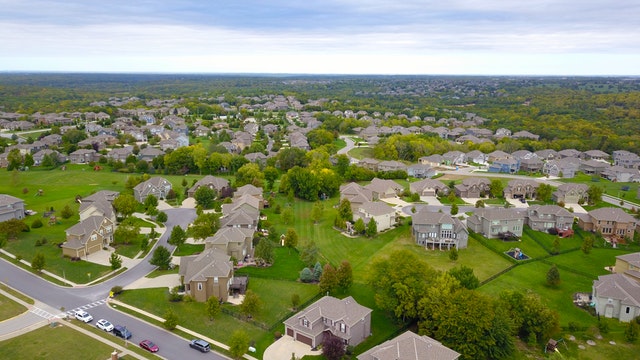
Are you considering purchasing a property governed by a Homeowners Association (HOA)? If so, you’ve probably come across the term “HOA fees.” What exactly are these fees, who pays them, and why are they necessary? 
What Are HOA Fees?

HOA fees, short for Homeowners Association fees, are regular payments made by homeowners to the HOA that governs their community. These fees are typically used to cover various expenses associated with maintaining and managing the common areas and amenities within the community.

What Do HOA Fees Cover?

Maintenance and Repairs: One of the primary purposes of HOA fees is to cover the cost of maintaining and repairing common areas such as sidewalks, roads, landscaping, and community facilities like pools, gyms, and clubhouses. This ensures that the community remains well-kept and attractive to residents and visitors alike.

Utilities: In some cases, HOA fees may include payments for utilities such as water, sewage, and trash removal for common areas.

Insurance: HOAs often purchase insurance policies to cover common areas and shared structures like fences, playgrounds, and parking lots. The cost of these insurance premiums is typically included in the HOA fees.

Reserve Funds: HOAs also set aside a portion of the fees into reserve funds. These funds are used for major repairs, renovations, or unexpected expenses, ensuring that the community can address significant financial needs without imposing special assessments on homeowners.

Administrative Costs: Finally, a portion of HOA fees goes towards administrative expenses, including management fees, legal fees, accounting services, and other operational costs associated with running the HOA.

Who Pays HOA Fees?

All homeowners within the HOA-governed community are required to pay HOA fees. This includes owners of single-family homes, townhouses, condominiums, and other types of residential properties. The amount each homeowner pays is typically determined based on factors such as the size of the property, the amenities provided, and the overall operating budget of the HOA.

Why Are HOA Fees Necessary?

HOA fees play a crucial role in maintaining the quality of life and property values within the community. By pooling resources through HOA fees, residents can collectively ensure that common areas are well-maintained, amenities are available for everyone to enjoy, and property values are preserved over time. Additionally, HOAs help enforce community rules and regulations, which can contribute to a more harmonious living environment for all residents.

Tips for Homebuyers

Review the HOA Documents: Before purchasing a property in an HOA-governed community, carefully review the HOA’s governing documents, including the Declaration of Covenants, Conditions, and Restrictions (CC&R), Bylaws, and budget. Understanding these documents will give you insight into how HOA fees are determined and how they are used.

Budget for HOA Fees: When budgeting for homeownership expenses, don’t forget to factor in HOA fees. These fees can vary widely depending on the community and its amenities, so make sure you can comfortably afford them in addition to your mortgage and other expenses.

Attend HOA Meetings: If possible, attend HOA meetings to stay informed about community developments, upcoming projects, and any changes to HOA fees or rules. Active participation can help you have a voice in the decision-making process and stay engaged with your community.

HOA fees are a necessary aspect of homeownership in many communities, serving to maintain common areas, amenities, and property values. By understanding what HOA fees are for, who pays them, and why they are necessary, homeowners can make informed decisions and enjoy the benefits of community living.

Filed Under: Homeowner Tips Tagged With: Community Living, HOA, Real Estate

6 Ways To Find the Right Neighborhood For Your Lifestyle

December 20, 2018 by Rhonda Costa

6 Ways To Find the Right Neighborhood For Your LifestyleChoosing a neighborhood you live in is almost as important as the house you buy. The right neighborhood can make your house feel even more like a home. But how do you find the right neighborhood to shop for your next home?

1. Evaluate Your Own Lifestyle

The first step in finding the right neighborhood is to figure out what you’re really looking for. Do you crave a sense of community, or do you prefer not seeing any other houses when you open your front door? Knowing yourself is the key to identifying what kind of neighborhood you’ll be most happy in.

2. Are There Children In The Picture?

If you have kids now or are planning to have some in the future, that will impact your choice of neighborhoods. You’ll want your children to have neighborhood friends. You’ll also want to know your kids are safe playing outside. Look for neighborhoods where families reside. Ask your real estate agent about the quality of local schools.

3. Would You Prefer A Single Family Home Or A Townhouse?

Different neighborhoods have different housing types. You can often do a process of elimination by pre-determining what kind of home you’re looking for. This is something that your real estate agent can do for you.

4. What Will Your Commute Look Like?

You’ll be going to work everyday. That will significantly impact your daily lifestyle. Pin your work address on a map. Then draw a ring around it that represents the distance you’re willing to commute. Neighborhoods within that circle will be candidates.

5. Are You Looking For Nightlife?

If you want to be able to walk out your door and land at a cafe, bookstore, shopping center, bar or someplace else, then your neighborhood will need to reflect that desire. Avoid buying in an area where everything is a 20-minute drive. Your real estate agent will be able to apprise you of neighborhood culture so you’ll have a better idea of where to buy.

6. What Do You Miss Most?

Is your current neighborhood lacking something, such as bike trails, a park or community events? Seek these out when you go home shopping so your life feels more complete when you move.

These six tips will help you find the best neighborhood for the way you want to live. Remember, your real estate agent is knowledgeable about the various neighborhoods in their service area. Use your agent as a valuable resource while you search for that perfect home.


Filed Under: Real Estate Tagged With: Community Living, Home Sales, Real Estate

Rhonda & Steve Costa

Rhonda & Steve Costa

Call (352) 398-6790
Sunrise Homes & Renovations, Inc.

Contractors License #CBC 1254207

Let’s Keep In Touch!

  • This field is for validation purposes and should be left unchanged.

Connect With Us on Social Media

Categories

Looking For Something?

Our Location


Spring Hill, FL 34608

Equal Housing Opp

Return to top of page

Copyright © 2026 Sunrise Homes & Renovations, Inc.. All rights reserved.   Log In