Sunrise Homes & Renovations, Inc.

  • Home
  • About
    • About Us
    • Recognition
      • Disaster Contractors Network
      • US EPA Certified
    • Accessibility Statement
  • Example Models
  • Renovations
  • Resources
    • First Time Home Buyer Tips
    • First Time Home Seller Tips
  • Blog
  • Contact

How to Keep Pests Out of Your Home (Before They Become a Problem)

May 8, 2026 by Rhonda Costa

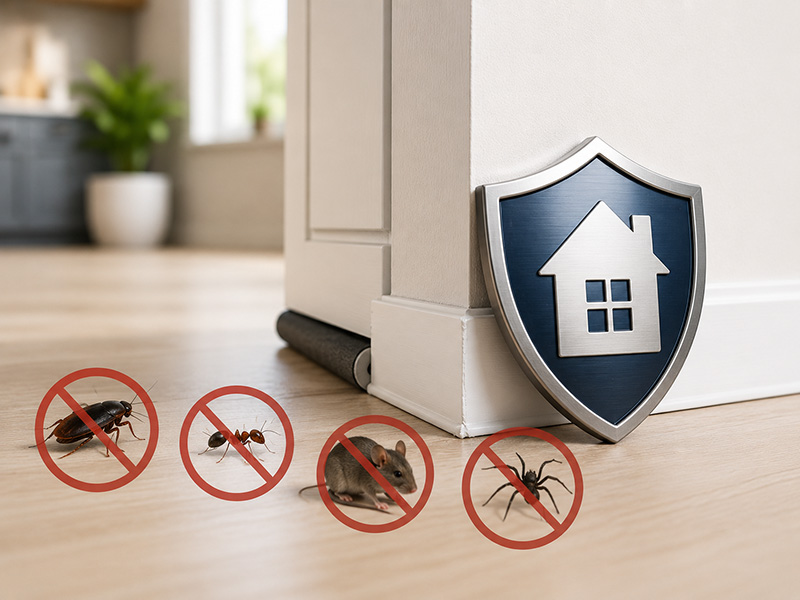
No one thinks about pests…until they suddenly have them. And by that point? It’s usually more expensive, more stressful, and way harder to deal with than it needed to be.

The good news: most infestations are preventable with a few consistent habits and small upgrades around your home.

Here’s how to stay ahead of it.

1. Seal Entry Points (They’re Smaller Than You Think)

Pests don’t need an open door, they need a tiny gap.

Small cracks around windows, doors, vents, and even utility lines are some of the most common entry points.

What to do:

  • Check for gaps around doors and window frames
  • Replace worn weather stripping
  • Seal cracks with caulk or foam
  • Don’t forget areas like the garage and attic

If they can fit their head through it…they’re getting in.

2. Eliminate Easy Food Sources

Pests are simple: they go where the food is.

Even small things—like crumbs, pet food, or unsealed pantry items—can attract unwanted visitors.

Simple fixes:

  • Store food in airtight containers
  • Wipe down counters regularly (especially at night)
  • Avoid leaving pet food out overnight
  • Take trash out consistently, not just when it’s overflowing

You don’t need a spotless home, just one that isn’t easy to snack in.

3. Be Smarter About Trash & Recycling

This one gets overlooked a lot. Food residue in trash cans and recycling bins is basically an open invitation.

Upgrade your routine:

  • Rinse out cans, bottles, and containers
  • Use bins with tight-fitting lids
  • Clean your trash can occasionally (yes, it matters)
  • Keep outdoor bins a bit away from the house if possible

It’s not glamorous—but it works.

4. Don’t Ignore Drains & Moisture

Many pests aren’t just looking for food, they’re looking for water. That makes damp environments (like sinks, drains, basements, and under appliances) are prime real estate.

What helps:

  • Clean drains regularly
  • Fix small leaks quickly
  • Use a dehumidifier in damp areas
  • Keep under-sink spaces dry and clutter-free

Dry spaces are way less inviting.

5. Keep the Outside From Becoming a Launch Point

Your home’s exterior plays a bigger role than most people realize. Overgrown landscaping, standing water, and debris can all attract pests before they even make it inside.

A few easy wins:

  • Trim plants away from the house
  • Remove standing water
  • Keep firewood or debris away from exterior walls
  • Check for gaps around the foundation

Think of it as reducing “traffic” before it reaches your front door.

Overall, pest control isn’t about reacting, it’s about making your home less appealing in the first place. A few small, consistent habits can prevent much bigger (and more expensive) problems down the line.

And if something does feel off? It’s always easier to handle it early than wait until it turns into a full-blown issue.

Filed Under: Homeowner Tips Tagged With: Homeowner Tips, Pest Control, Real Estate

Pet-Friendly Design Ideas That Also Impress Buyers

December 11, 2025 by Rhonda Costa

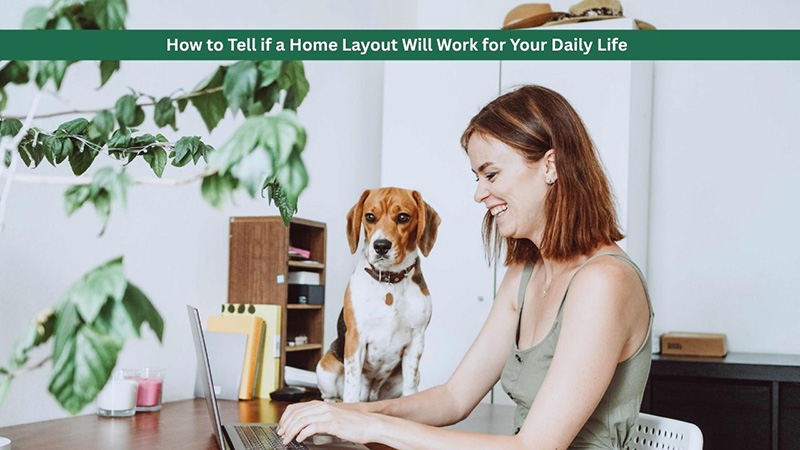
For many homeowners, pets are family, so it is natural to want a home that works for both humans and furry friends. The good news is that pet-friendly design does not have to compromise style or hurt resale value. In fact, many upgrades that make life easier for pets also appeal to future buyers.

As real estate professionals, we often see homes with thoughtful pet features stand out in the market because they look purposeful, clean, and well maintained.

Choose Durable, Attractive Flooring
Flooring is one of the biggest concerns for pet owners. Scratches, stains, and wear can add up fast. Durable options like luxury vinyl plank, tile, and hardwood alternatives look beautiful and hold up incredibly well.

These flooring choices offer a modern appearance, easy cleaning, and long-term durability that buyers appreciate. When flooring looks good and can handle daily life, everyone wins.

Create Smart Storage for Pet Supplies
Pet items can easily clutter a home, but simple storage solutions keep everything organized and visually appealing. Built-in cubbies, stylish baskets, or a dedicated drawer for leashes, toys, and treats make the home feel tidy and intentional. Buyers notice when a home is organized, and thoughtful storage can make your space feel larger and more functional.

Add a Pet-Washing Station or Mudroom Area
A small pet-washing station, even a simple handheld sprayer in a tiled corner of the laundry room, adds convenience for pet owners and practicality for buyers. Mudroom areas with hooks, washable mats, and storage help manage messes before they spread throughout the home. These spaces appeal to families, outdoor enthusiasts, and pet owners alike, making them a smart addition for resale.

Incorporate Stylish but Functional Built-Ins
Built-in feeding stations, hidden litter box areas, or slide-out dog bowl drawers help maintain a clean, polished look while offering convenience. Buyers appreciate well-designed built-ins because they maximize space and reduce clutter. These upgrades look intentional rather than temporary, which adds value and enhances the homeís overall appearance.

Focus on Outdoor Spaces That Benefit Everyone
A fenced yard is one of the top requirements for pet owners, but it also appeals to families and buyers who enjoy gardening or outdoor entertaining. Adding shade, easy-to-clean patio surfaces, and safe, pet-friendly landscaping creates a backyard that works for everyone. Outdoor features that look great and require low maintenance are always attractive to buyers.

Pet-friendly upgrades do not have to look messy or overly customized. When done thoughtfully, they enhance daily living while adding charm, organization, and long-term appeal. The key is choosing features that are practical, stylish, and universally appealing to both pet owners and future buyers.

Filed Under: Real Estate Tips Tagged With: Homeowner Tips, Pet-Friendly, Real Estate

Why the Cheapest Home on the Block Might Not Be the Best Deal

December 5, 2025 by Rhonda Costa

Finding a home with a low price can feel exciting, especially in a competitive market. However, the lowest priced home on the block is not always the best value. While it may seem like a smart way to save money, the true cost often becomes clear only after you look deeper. Understanding the risks and hidden factors can help you avoid a purchase that may cost more in the long run.

Condition Matters More Than Price
A low price often signals that the home needs repairs or updates. Cosmetic changes are simple, but structural issues, outdated systems, or neglected maintenance can lead to major expenses. Before falling in love with the price, it is important to understand what the home truly needs.

Your Investment Should Match the Neighborhood
Homes gain value based on the surrounding area. If the lowest priced home has features that are far below the standard of nearby properties, you may need to invest more to bring it up to neighborhood expectations. Even with improvements, the home may still struggle to match the value of surrounding houses.

Hidden Costs Can Add Up Quickly
A home with a low purchase price may come with higher long-term costs. Older roofs, outdated electrical systems, plumbing issues, and foundation concerns can add significant expenses. These costs can easily outweigh the savings from buying the cheapest home in the area.

Resale Value May Be Impacted
A low priced home can be harder to sell later if it remains below neighborhood standards. Buyers often compare homes within the same area, and your home may stand out for the wrong reasons. Even after upgrades, resale value may not grow as quickly as homes that already match the neighborhood.

Renovation Time and Stress Are Real Factors
Renovating takes time, money, and patience. If you buy a home that needs a lot of work, it may impact your daily life more than expected. Delays, contractor availability, and budget changes can create stress and slow down your move in timeline.

Know When a Low Price Is a Good Opportunity
Not every low-priced home is a bad deal. Some are priced low because the seller wants a quick sale or because the updates needed are minor. A thorough inspection and a detailed evaluation help you determine whether the home is a smart investment or a financial risk.

Make Your Decision with Confidence
The cheapest home on the block may seem appealing, but it is important to look beyond the price. With the right guidance and careful review of the property, you can make a choice that protects your long-term financial goals.

Filed Under: Real Estate Tips Tagged With: Home Buyers, House Hunting, Real Estate

How to Appeal Property Taxes on Your Home

December 4, 2025 by Rhonda Costa

Many homeowners are surprised when they receive their annual property tax bill and notice an increase that feels higher than expected. The good news is that you have the right to appeal your property tax assessment if you believe it does not reflect the true value of your home. Understanding the process can help you protect your budget and ensure that you are being taxed fairly.

Know What Your Assessment Means
Your property tax bill is based on the value assigned to your home by your local tax authority. This value may not match the current market value. It is an estimate that is sometimes updated on a set schedule rather than in real time. Reviewing this number closely is the first step toward knowing if an appeal is worth pursuing.

Compare Your Home to Similar Properties
Before filing an appeal, compare your home to other similar homes that recently sold in your area. Look for homes with similar size, age, and features. If you notice that your assessed value is significantly higher than comparable properties, it may be a strong sign that your assessment is inaccurate. Real estate agents often provide market reports that can help with this step.

Look for Errors in Your Record
Tax authorities sometimes use outdated or incorrect information when assessing a property. Review the details used to calculate your value. Check the number of bedrooms, bathrooms, square footage, and improvements. If something is wrong, correcting the record can reduce your property tax bill without needing a full appeal.

Gather the Right Evidence
Successful appeals rely on strong documentation. This may include recent sales data, photos of your home, contractor estimates for needed repairs, or an independent appraisal. The clearer and complete your evidence is, the easier it becomes to prove that your assessment is too high.

File Your Appeal on Time
Each city and county has deadlines for submitting appeals. These dates are very important. Missing a deadline may require you to wait an entire year before trying again. Filing early helps you stay organized and gives you time to provide all required documents.

Prepare for the Review Process
Some appeals are resolved through written documentation, while others require a meeting with the review board. If a meeting is scheduled, stay calm and focused. Present your evidence clearly and explain why your assessment does not accurately reflect the value of your home. Real estate professionals can be helpful in guiding you through this step.

Fair Property Taxes Start with Accurate Information
Appealing your property taxes takes some effort, but it can lead to meaningful savings. By reviewing your assessment and gathering the right information, you can make sure you are paying a fair amount based on the true value of your home.

Filed Under: Homeowner Tips Tagged With: Homeownership, Property Taxes, Real Estate

Learning the Language of Real Estate for Beginners

December 2, 2025 by Rhonda Costa

Buying a home is exciting, but the language of real estate can feel overwhelming if you are new to the process. Many buyers hear unfamiliar terms at showings, in listings, or during conversations with lenders. Understanding this language gives you more confidence and helps you make informed decisions as you move through your home search.

What Real Estate Terms Really Mean
Real estate has its own vocabulary, and many of the words describe common parts of the process. Learning these terms makes it easier to understand contracts, compare homes, and communicate with your real estate agent. You do not need to become an expert, but understanding the basics gives you a strong advantage.

Listing Price
This is the price a seller chooses when they place the home for sale. It is a starting point, not a final number. Homes can sell for more or less depending on demand, condition, and market trends. Knowing this helps you understand how competitive an area may be.

Contingencies
A contingency is a condition that must be met for the sale to move forward. Common examples include the home inspection contingency and the financing contingency. These conditions protect you by giving you time to verify that the home and your loan both meet your expectations.

Earnest Money Deposit
This is a payment you make when your offer is accepted. It shows the seller you are serious about buying the home. The money is held safely and later applied to your closing costs or down payment. If you follow the terms of your contract, the deposit stays protected.

Appraisal
An appraisal is a professional report that estimates the value of the home. Lenders require this to confirm that the home is worth the amount you are borrowing. The appraisal helps ensure that you are making a smart financial decision and protects both you and the lender.

Closing Costs
These are the fees connected to finalizing your home purchase. They may include lender fees, title services, and pre-paid items. Understanding your closing costs early helps you plan your total budget with confidence.

Why Real Estate Terms Matter
Knowing these terms helps you feel prepared, ask the right questions, and avoid surprises. As your real estate agent, my goal is to make the process clear, calm, and manageable from beginning to end.

Filed Under: Real Estate Tagged With: Home Buyers, Real Estate, Real Estate Tips

Honoring Veterans Day, and the Gift of Home

November 11, 2025 by Rhonda Costa

Today, we honor the brave men and women who have served our country with courage, strength, and selflessness. Your service allows us to enjoy the freedoms that make home and community possible.

As a real estate professional, I am especially grateful for the role homeownership plays in the lives of veterans and their families. Owning a home is more than just having a place to live, it represents stability, pride, and belonging.

The VA home loan program makes this dream more attainable, offering incredible benefits that honor those who have given so much.

To every veteran, and to every family who has supported one, thank you for your service and your sacrifice. Your dedication inspires us all, and it is a privilege to help you find a place to call home.

Filed Under: Real Estate Tagged With: Homeownership, Real Estate, Veterans Day

  • 1
  • 2
  • 3
  • …
  • 116
  • Next Page »

Rhonda & Steve Costa

Rhonda & Steve Costa

Call (352) 398-6790
Sunrise Homes & Renovations, Inc.

Contractors License #CBC 1254207

Let’s Keep In Touch!

  • This field is for validation purposes and should be left unchanged.

Connect With Us on Social Media

Categories

Looking For Something?

Our Location


Spring Hill, FL 34608

Equal Housing Opp

Return to top of page

Copyright © 2026 Sunrise Homes & Renovations, Inc.. All rights reserved.   Log In