Sunrise Homes & Renovations, Inc.

  • Home
  • About
    • About Us
    • Recognition
      • Disaster Contractors Network
      • US EPA Certified
    • Accessibility Statement
  • Example Models
  • Renovations
  • Resources
    • First Time Home Buyer Tips
    • First Time Home Seller Tips
  • Blog
  • Contact

Thinking About Selling Your Home Solo? Here’s Why Most People Don’t

May 6, 2026 by Rhonda Costa

Selling your home on your own (often called “For Sale By Owner” or FSBO) can sound appealing at first, especially when you’re thinking about saving on commission.

But once you get into the reality of what it takes, most homeowners quickly realize there’s a lot more to it than listing a property and waiting for offers.

Here are three big reasons many sellers choose not to go it alone.

1. Saving on Commission Isn’t Always… Saving

Let’s address the obvious one.

Yes, working with a real estate agent comes with a cost. But what often gets overlooked is what you’re actually getting in return, and what it can cost you to go without it.

Selling a home involves:

  • Pricing your home accurately (not emotionally)
  • Marketing it effectively online
  • Coordinating showings and open houses
  • Negotiating offers and contingencies
  • Managing paperwork, deadlines, and legal details

Miss the mark on pricing or negotiation alone, and you could easily lose more than you would have paid in commission.

The reality: It’s not just about saving money, but rather about maximizing what you walk away with.

2. It’s Hard to Be Objective About Your Own Home

You’ve lived in your home. You’ve invested time, money, and probably a lot of emotional energy into it.

That makes it really hard to see it the way buyers do.

Most sellers naturally:

  • Overestimate value
  • Downplay flaws
  • Struggle with feedback from buyers

An experienced agent brings a neutral, market-based perspective—helping you price, position, and present your home in a way that actually resonates with buyers.

Sometimes that outside perspective is the difference between “sits on the market” and “sells quickly.”

3. Exposure Matters More Than You Think

Getting your home in front of the right buyers is half the battle. When you sell on your own, your reach is typically limited to:

  • Basic listing sites
  • Social media
  • Word of mouth

Agents, on the other hand, tap into:

  • MLS networks
  • Buyer databases
  • Agent-to-agent connections
  • Professional marketing strategies

Plus, this is a big one: many buyers (and their agents) are more comfortable working through a professional. It creates a smoother, more structured process on both sides.

So… Should You Sell on Your Own?

You can. Plenty of people do.

But most find that the time, effort, stress, and potential financial trade-offs outweigh the initial appeal of saving on commission.

If your goal is to sell efficiently, confidently, and for the best possible price, having the right support in place can make a big difference.

The Bottom Line

Selling a home isn’t just a transaction, it’s a strategy. And like most things, the right guidance can help you avoid costly missteps and get better results in the long run.

Filed Under: Home Seller Tips Tagged With: For Sale By Owner, Home Selling Tips, Real Estate Tips

7 Budget-Friendly Tips to Stage Your Home and Attract Buyers

April 22, 2026 by Rhonda Costa

Staging your home doesn’t have to mean hiring a designer or spending thousands of dollars. In reality, some of the most effective changes are simple, low-cost, and surprisingly impactful.
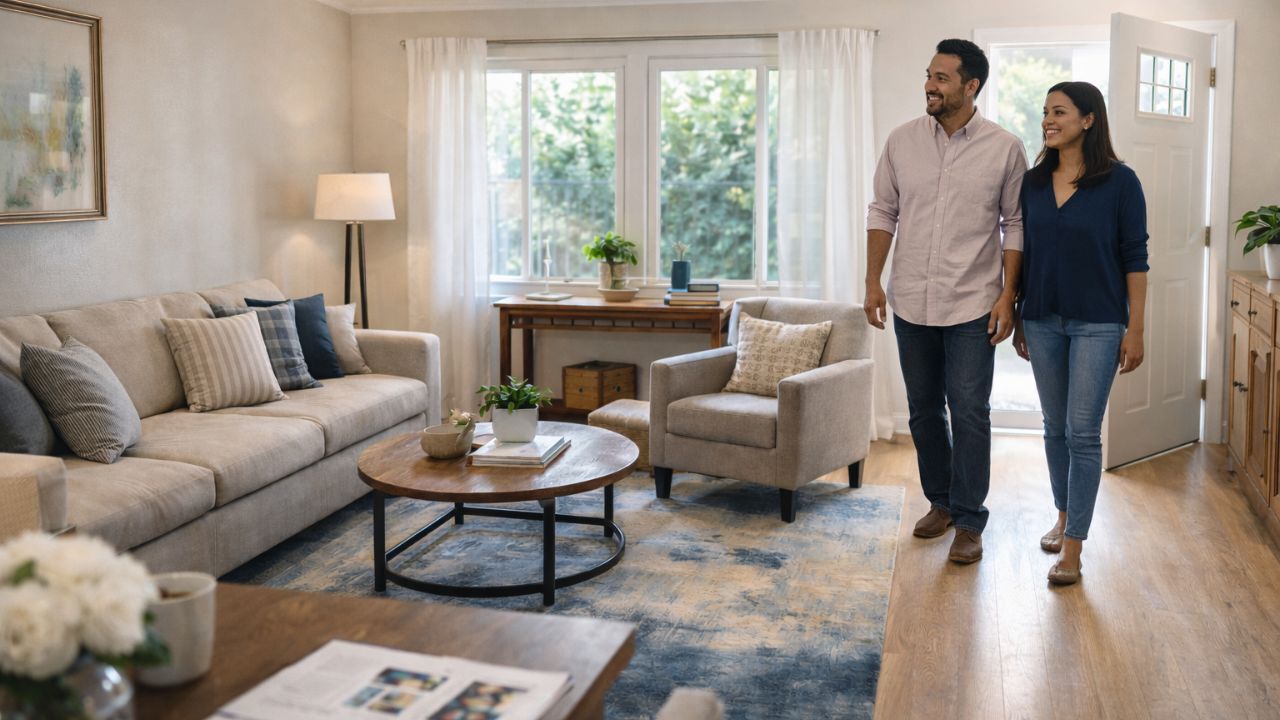
If you’re getting ready to list your home, here are smart, budget-friendly ways to make it stand out—and sell faster.

1. Depersonalize the Space

Buyers aren’t just looking at your home—they’re imagining their life in it.

Family photos, personal collections, and bold decor choices can make that harder. Clearing these out helps create a neutral, welcoming environment where buyers can mentally “move in.”

Think less “this is my home” and more “this could be your home.”

2. Declutter Like You Mean It

Clutter makes spaces feel smaller, busier, and more chaotic—even if your home is actually spacious.

Go beyond a quick tidy:

  • Clear countertops
  • Minimize furniture where possible
  • Organize closets (yes, buyers will peek!)

If it hasn’t been used in months, it’s probably staging clutter.

3. Deep Clean Everything

A clean home signals that the property has been well cared for.

Focus on:

  • Floors and baseboards
  • Kitchens and bathrooms
  • Windows (natural light is your best friend)

If you can swing it, a professional cleaning service can be worth every penny—but a thorough DIY job still goes a long way.

4. Fix the Small Stuff

That loose cabinet handle? The squeaky door? The chipped paint?

Buyers notice everything—and small issues can quietly suggest bigger problems.

A quick weekend of minor repairs can instantly elevate how your home is perceived.

5. Let There Be Light

Lighting can completely change how a home feels.

  • Open all blinds and curtains
  • Swap out dim or mismatched bulbs
  • Add inexpensive lamps to darker areas

Bright, well-lit spaces feel bigger, cleaner, and more inviting.

6. Add Simple, Neutral Touches

You don’t need to redecorate—just refine.

A few affordable upgrades can make a big difference:

  • Fresh towels in the bathroom
  • Neutral throw pillows or blankets
  • A small plant or greenery

These subtle touches add warmth without overwhelming the space.

7. Boost Curb Appeal (First Impressions Matter)

Before buyers even step inside, they’re already forming an opinion.

Easy, low-cost upgrades:

  • Mow the lawn and trim edges
  • Sweep walkways and entryways
  • Add a fresh welcome mat or potted plant

It doesn’t need to be fancy—just clean, cared for, and inviting.

Final Thoughts

Staging isn’t about perfection—it’s about presentation.

You don’t need a massive budget to make a strong impression. With a bit of effort and attention to detail, you can highlight your home’s best features and help buyers see its full potential.

If you’re thinking about selling, connecting with a local real estate professional can also help you prioritize which updates will give you the best return.

Filed Under: Home Seller Tips Tagged With: Attracting Buyers, Home Selling Tips, Staging Your Home

How to Prepare Your Home for Showings That Convert

March 11, 2026 by Rhonda Costa

Preparing a home for showings is not about perfection. It is about presentation. Buyers form impressions quickly, often within minutes of walking through the front door. A properly prepared home allows buyers to imagine themselves living there without distraction. Strategic preparation increases perceived value, shortens time on market, and strengthens negotiating power.
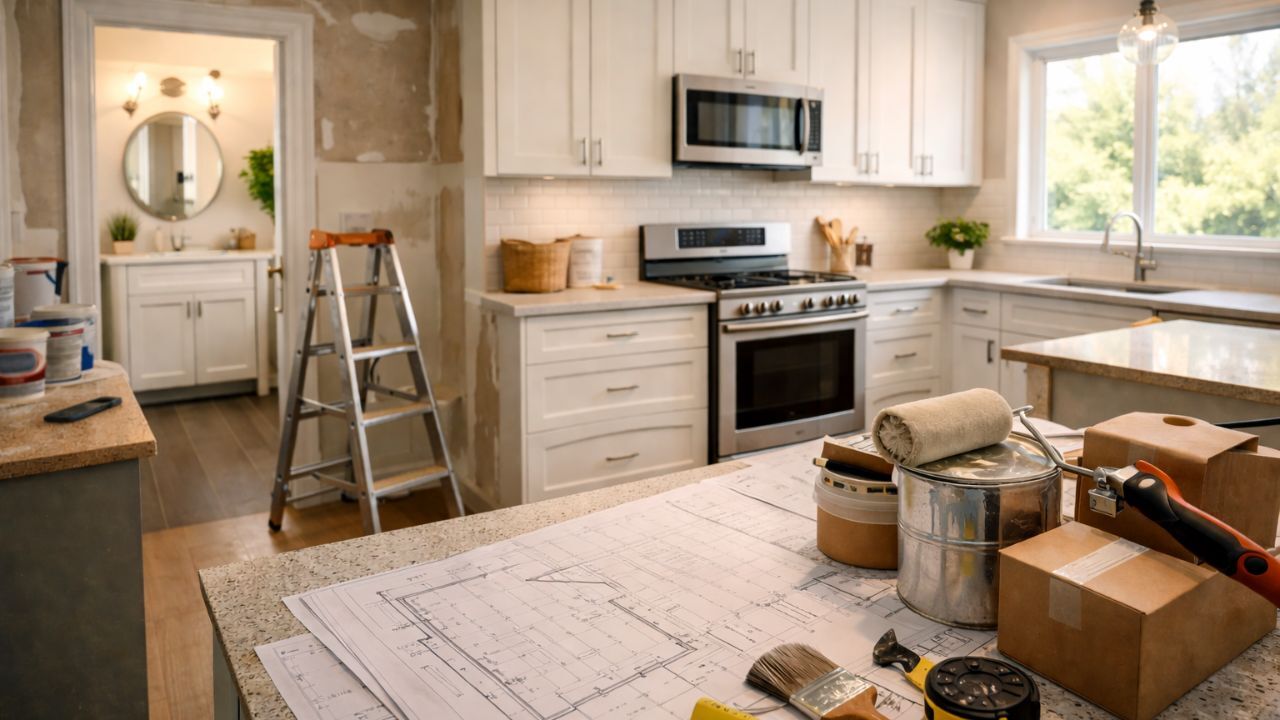
Start With Decluttering and Neutralizing
Clutter limits a buyer’s ability to see space clearly. Removing excess furniture, personal photographs, and bold décor allows rooms to feel larger and more inviting. Neutral colors appeal to a broader audience and reduce resistance. The goal is not to erase personality entirely, but to create an environment where buyers can envision their own lives unfolding.

Address Minor Repairs Before Listing
Small issues can create large doubts. Loose handles, chipped paint, outdated light fixtures, or visible maintenance concerns may signal neglect, even if the structure is sound. Addressing these details early builds buyer confidence. Clean, well-maintained homes often receive stronger offers because buyers perceive lower risk.

Maximize Light and Flow
Natural light enhances warmth and openness. Open curtains, replace dim bulbs, and ensure pathways are clear. Rearranging furniture to improve flow can make rooms feel more spacious. Buyers respond positively to homes that feel bright and easy to navigate.

Create a Consistent Showing Routine
Consistency matters. Maintain cleanliness daily once the home is listed. Simple habits such as making beds, clearing counters, and controlling odors protect presentation quality. Being prepared for short notice showings increases opportunity.

Curb Appeal Sets the Stage
The exterior creates the first impression. Trim landscaping, clean entryways, and ensure the front door area feels welcoming. A strong exterior experience encourages buyers to enter with positive expectations.

A well-prepared home reduces buyer hesitation and increases perceived value. Thoughtful presentation turns showings into offers. If you are getting ready to list and want a customized preparation plan tailored to your property, connect today to position your home for success.

Filed Under: Home Selling Tips Tagged With: Buyer Appeal, Home Selling Tips, Listing Ready

Remodel With Purpose Before You List

March 6, 2026 by Rhonda Costa

Many homeowners assume that a major remodel is the fastest way to increase their sale price. In reality, not every renovation produces a meaningful return. The goal before listing is not to create a dream home, it is to create a market-ready home. Purpose driven updates attract stronger buyers, shorten time on market, and protect your negotiating power. Strategic preparation almost always outperforms emotional renovation.

Focus on Buyer Expectations First
Buyers respond to homes that feel clean, functional, and well maintained. They are evaluating condition as much as style. Fresh neutral paint, updated lighting, clean flooring, and repaired fixtures often make a greater impact than luxury upgrades. When remodeling before listing, think about broad appeal rather than personal taste. The more neutral and move-in ready the property feels, the larger your potential buyer pool becomes.

Avoid Over-Improving for the Area
Every property sits within a price range influenced by comparable sales. Installing high-end finishes in a mid-range neighborhood does not always increase resale value proportionally. Before committing to large renovations, evaluate what buyers in your area expect at your price point. Smart improvements should align with the local market, not exceed it unnecessarily.

Prioritize Kitchens and Bathrooms Strategically
Kitchens and bathrooms influence buyer perception more than most rooms. However, full-scale renovations are not always required. Updating cabinet hardware, refinishing surfaces, replacing outdated fixtures, and improving lighting can modernize the space without excessive cost. Functional and visually clean spaces create confidence for buyers.

Think in Terms of Return on Investment
Before starting any project, ask whether the update will increase buyer interest or reduce time on market. Some improvements add value, while others simply reflect personal preference. Repairs that address maintenance concerns often deliver stronger returns than cosmetic trends.

Remodeling with purpose means improving what matters most to buyers and the market. Thoughtful preparation positions your home to stand out and sell efficiently. Thinking about listing your home and wondering which updates make sense? Connect today to create a strategic plan that maximizes your selling potential.

Filed Under: Home Seller Tips Tagged With: Home Selling Tips, Listing Strategy, Smart Remodel

The Psychology of Curb Appeal and Buyer Perception

February 18, 2026 by Rhonda Costa

Curb appeal is often discussed in terms of landscaping, fresh paint, and updated fixtures. While those elements matter, the deeper principle at work is perception management. Exterior presentation shapes emotional response before a buyer ever crosses the threshold. By the time the front door opens, an opinion has already begun forming.

First Impressions Happen in Seconds
Behavioral research consistently shows that people form judgments quickly. In real estate, those first seconds matter. An overgrown lawn, peeling trim, cluttered porch, or cracked walkway can subconsciously signal deferred maintenance. Even if the interior has been renovated, early hesitation may linger. Buyers do not always separate emotional reaction from objective evaluation. The exterior sets the tone for everything that follows.

Visual Order Creates Psychological Comfort
Order communicates care. Clean lines, trimmed landscaping, neutral color palettes, and well maintained entryways suggest stewardship. Buyers often associate exterior organization with interior reliability. When a property looks maintained from the street, it reduces perceived risk. That reduction in uncertainty increases comfort, and comfort increases willingness to engage more deeply with the home.

Lighting as a Subtle Trust Signal
Exterior lighting plays a larger role than many sellers realize. Well positioned, functioning lighting near entry points communicates safety and attention to detail. It signals that the property is thoughtfully maintained. Dim, flickering, or non functioning fixtures can quietly introduce doubt. Buyers may not consciously articulate the concern, but perception shifts nonetheless.

The Framing Effect for Fixer Uppers
For properties that need interior updates, exterior presentation becomes even more important. If buyers see evidence of effort outside, they are more likely to imagine potential inside. A clean, orderly exterior reframes cosmetic interior work as manageable improvement rather than overwhelming renovation. Perception influences possibility.

Signaling Stewardship, Not Luxury
Curb appeal is not about extravagance. It is about signaling responsibility and care. Simple improvements such as pressure washing, repainting the front door, refreshing mulch, and decluttering visible areas can meaningfully shift buyer psychology. When buyers feel confident before stepping inside, resistance decreases and engagement increases.

The exterior is the first chapter of the homeís story. When that chapter communicates care, the rest of the show unfolds with greater trust and openness.

Filed Under: Real Estate Tagged With: Curb Appeal, Home Selling Tips, Real Estate Strategy

Should You Sell Your Home As-Is?

February 5, 2026 by Rhonda Costa

When preparing to sell a home, homeowners have several paths to consider. One option that is becoming increasingly common is selling a property as-is. This means the home is listed and sold in its current condition, without the seller completing repairs or renovations before closing. While this approach can offer convenience, it is important to understand both the benefits and potential trade-offs before making a decision.

Pros of Selling a Home As-Is
Selling a home as-is can be an appealing choice for homeowners who want a simpler and faster selling experience. Because no repairs are required, sellers can avoid the time, stress, and expense that often come with renovation projects. This option may be especially helpful for those facing a tight timeline, managing an inherited property, or wanting to move forward without additional investments.

Another advantage is cost savings. Repairing a home can quickly become expensive, particularly if there are larger structural or mechanical issues. By selling as-is, homeowners can avoid contractor fees, materials, and unexpected costs that sometimes arise once repairs begin.

In many cases, selling as-is can also attract buyers looking for fixer-uppers or investment opportunities. These buyers are often prepared to take on renovations themselves, which can lead to quicker sales compared to homes requiring extensive updates.

Disadvantages of Selling a Home As-Is 
Buyers typically factor repair costs into their offers, which may reduce the amount you receive compared to selling a move-in-ready home. In some situations, sellers may not achieve full market value because of the home’s condition.

Although selling your home as-is may be quicker and easier, it usually leads to a reduced sale price.
Selling as-is may also limit the number of interested buyers. Many homebuyers prefer properties that require minimal work, which means your listing may appeal mainly to investors or experienced buyers willing to manage repairs. This can narrow the buyer pool and affect competition.

It is also important to note that selling as-is does not remove legal disclosure requirements. Sellers are still responsible for disclosing known material defects. Failure to do so can lead to serious legal complications after the sale.

Key Considerations Before Selling As-Is
Before choosing this route, it is helpful to evaluate the home’s overall condition. Some minor repairs or cosmetic improvements may significantly increase buyer interest and allow for a higher selling price.

Understanding what truly needs attention can help you decide if selling as-is is the best strategy.
Consulting with real estate professionals is also essential. An experienced agent can provide insight into your local market, buyer expectations, and pricing strategies. Their guidance can help you position the property correctly and avoid surprises during negotiations.

Finally, weigh the financial impact carefully. Compare the estimated cost of repairs against the potential increase in sale price. In some cases, the convenience of selling as-is may outweigh the additional profit that renovations could bring, but this calculation depends on your goals and timeline.

Selling a home as-is can be a practical solution for homeowners seeking a faster, lower effort sale. However, it is important to understand the potential challenges, including pricing adjustments and a smaller pool of buyers. By assessing the property, seeking professional advice, and reviewing the financial trade-offs, you can make an informed decision that supports your selling goals.

Filed Under: Home Selling Tips Tagged With: As Is Home Sale, Home Selling Tips, Real Estate Tips

  • 1
  • 2
  • 3
  • …
  • 6
  • Next Page »

Rhonda & Steve Costa

Rhonda & Steve Costa

Call (352) 398-6790
Sunrise Homes & Renovations, Inc.

Contractors License #CBC 1254207

Let’s Keep In Touch!

  • This field is for validation purposes and should be left unchanged.

Connect With Us on Social Media

Categories

Looking For Something?

Our Location


Spring Hill, FL 34608

Equal Housing Opp

Return to top of page

Copyright © 2026 Sunrise Homes & Renovations, Inc.. All rights reserved.   Log In