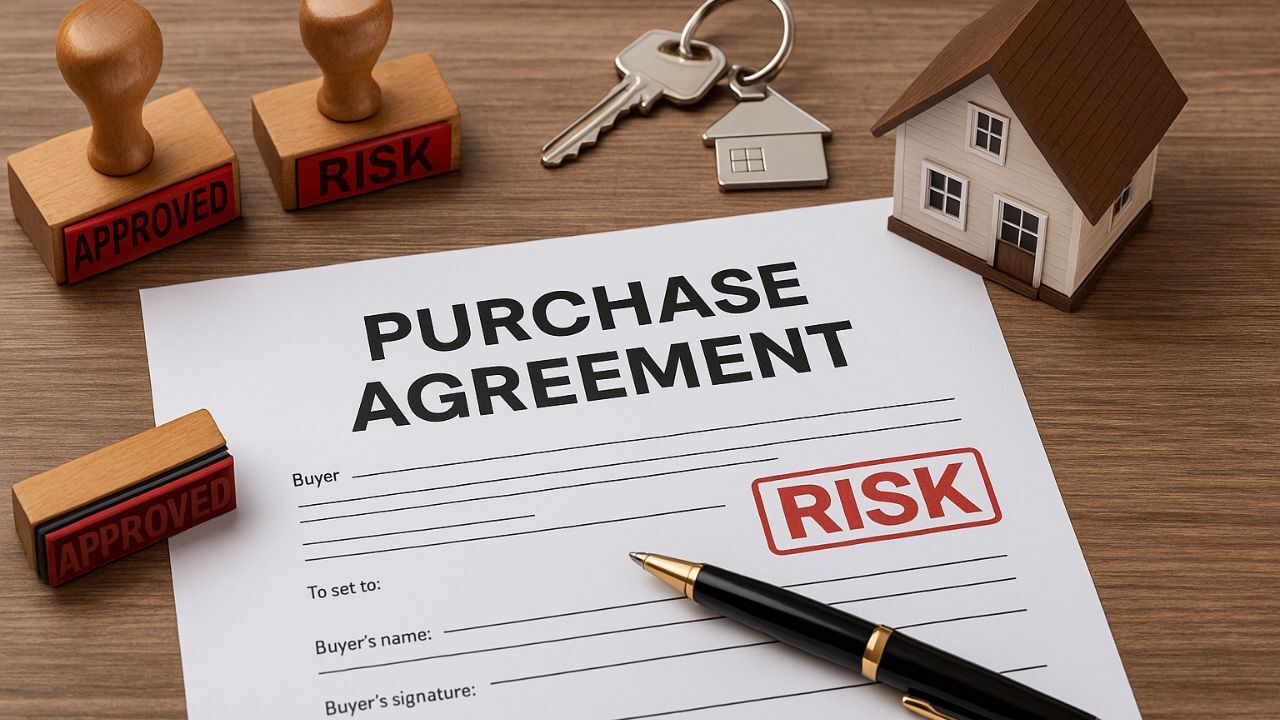
 In a competitive real estate market, buyers often hear about waiving contingencies to make their offer more attractive. While this strategy can help secure a home in high-demand areas, it also comes with risks that should be carefully considered before deciding.
What Are Contingencies
Contingencies are conditions in a purchase agreement that protect buyers. Common contingencies include home inspections, appraisals, and financing. They give buyers the option to back out or renegotiate the deal if certain criteria are not met, providing a safety net during the purchase process.
When Waiving Makes Sense
Waiving contingencies can make an offer stand out when multiple buyers compete for the same property. Sellers often prefer offers with fewer conditions, as they reduce uncertainty and speed up the closing process. Buyers with strong financing, confidence in the propertyís condition, and flexibility may benefit from this approach.
The Risks Involved
Removing contingencies eliminates protection that safeguard buyers from unexpected issues. For example, skipping a home inspection could result in costly repairs after closing, and waiving an appraisal contingency could leave buyers responsible for paying the difference if the property appraises lower than the offer.
Strategies to Minimize Risk
Buyers who consider waiving contingencies can still protect themselves by conducting thorough due diligence before making an offer. Reviewing seller disclosures, touring the property carefully, and getting pre-approved for financing can help reduce the likelihood of unpleasant surprises. Consulting with a knowledgeable real estate agent is essential to weigh the risks versus potential advantages.
Making an Informed Decision
Deciding whether to waive contingencies requires balancing the desire to win a competitive bid with the need for financial protection. Each buyerís situation, risk tolerance, and market conditions are unique, and careful planning is critical to make the best choice for your specific circumstances.
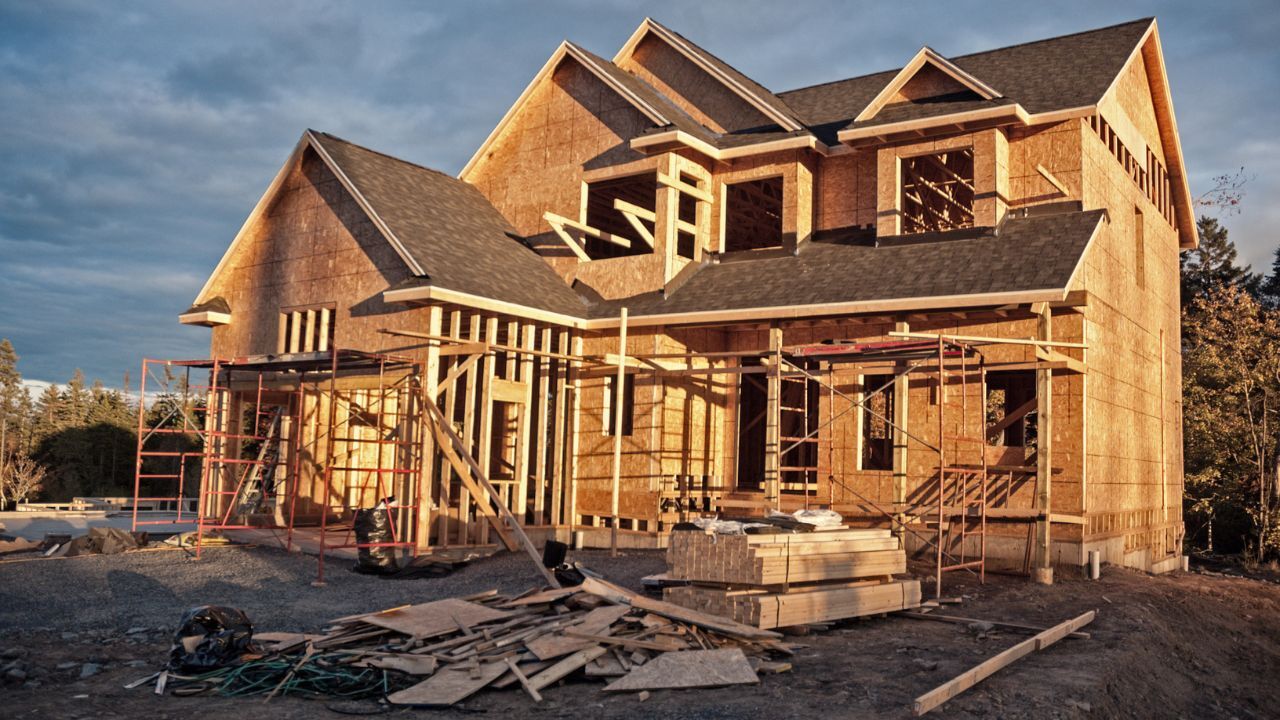 Buying a newly built home can feel exciting and fresh, but there are unique considerations that many buyers overlook. Understanding the nuances of new construction ensures you make informed decisions, avoid surprises, and protect your investment throughout the building and buying process.
 Selling a home in today’s market is about more than location and curb appeal. Smart home technology can significantly impact how quickly a property sells and at what price. Buyers increasingly value convenience, energy efficiency, and connectivity, making smart features a selling point that can set your home apart from others on the market.
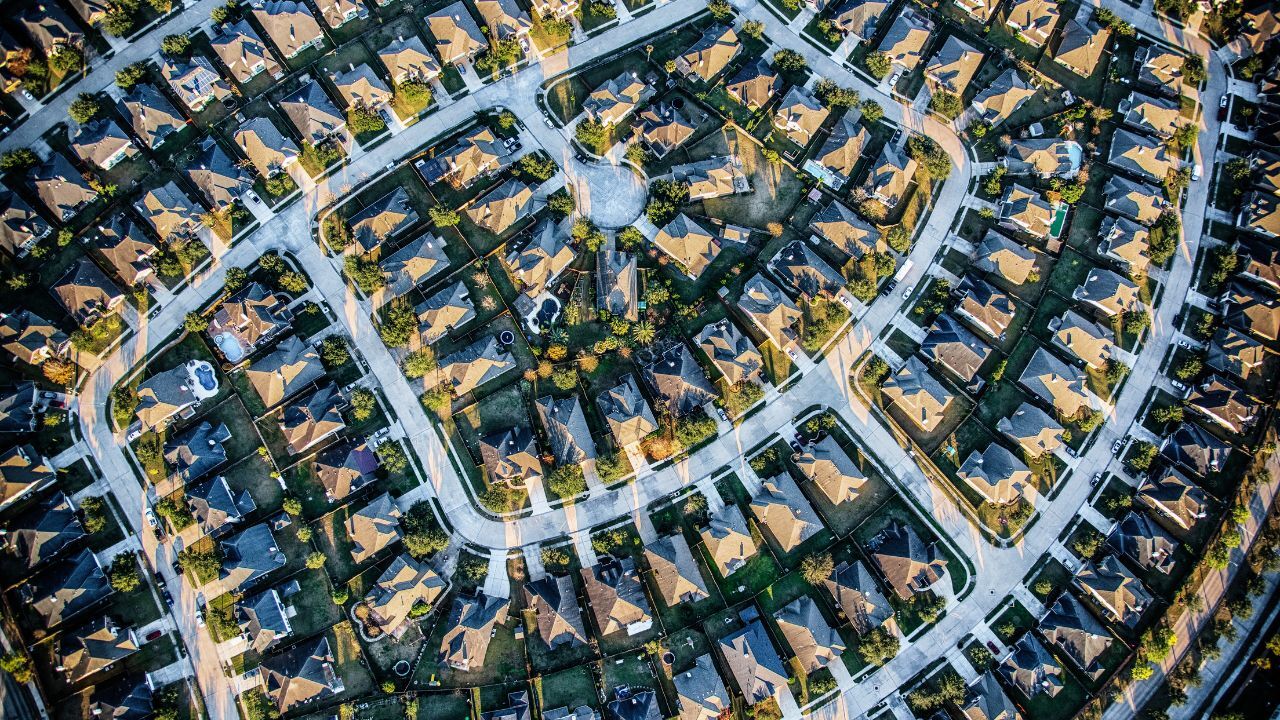 Choosing where to buy a home is as important as selecting the property itself. Master-planned communities offer a thoughtfully designed living experience, with a focus on amenities, safety, and long-term value. These communities can provide homeowners with lifestyle advantages, convenience, and a sense of belonging that may not be found in traditional neighborhoods.
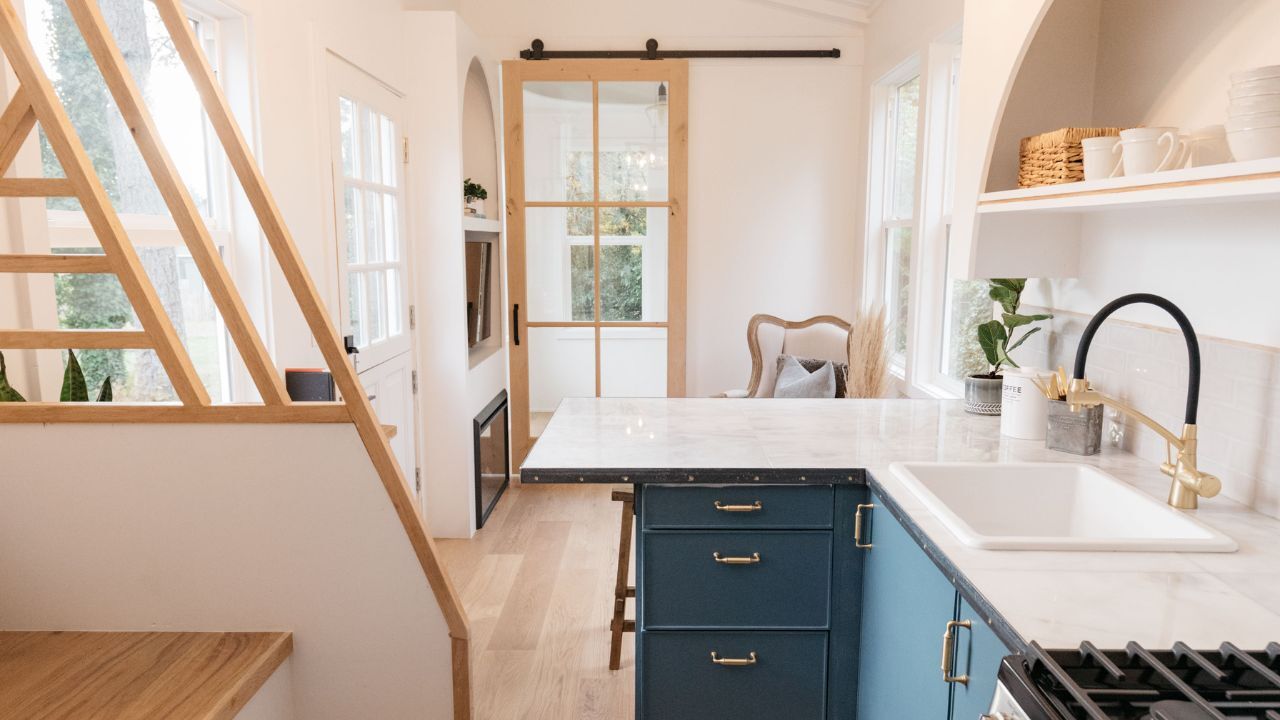 Tiny homes are more than just a trend; they represent a lifestyle choice that prioritizes efficiency, affordability, and sustainability. For many buyers, these smaller spaces provide a way to own a home without the financial burden of a traditional property. Understanding why people are choosing tiny homes, how to finance them, and ways to customize them can help you decide if this approach fits your lifestyle and goals.
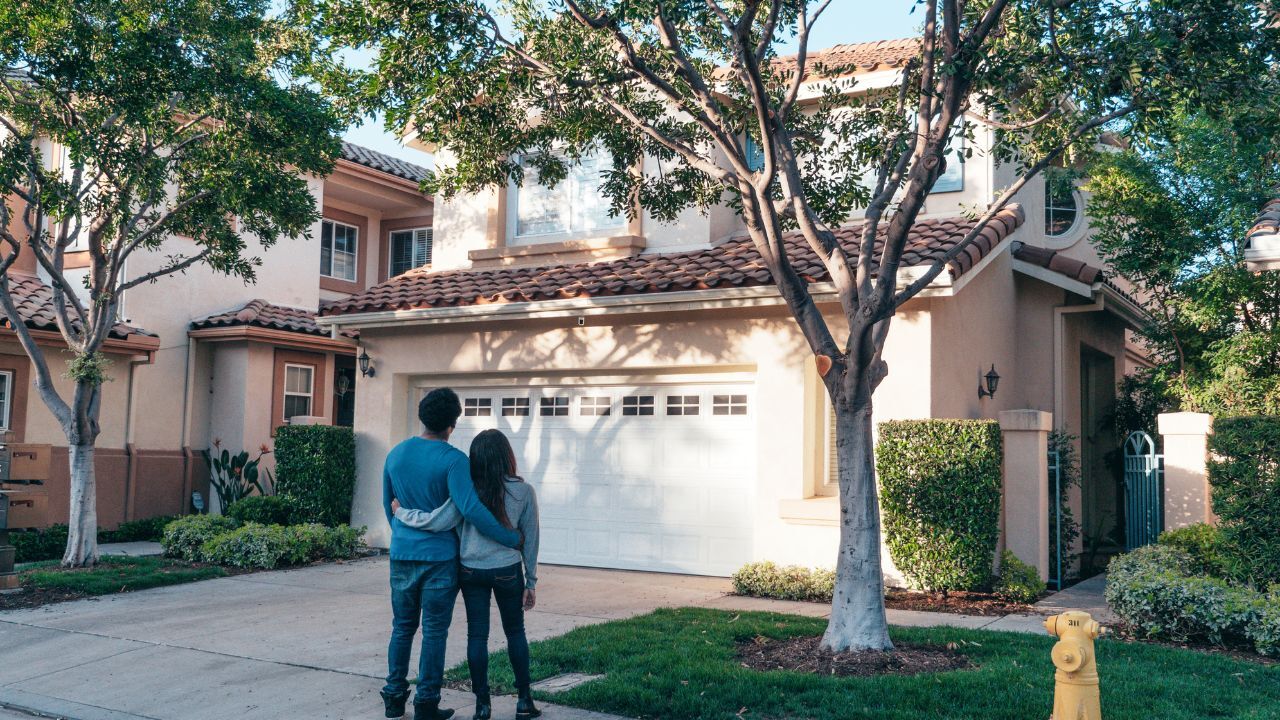 House hunting can be exciting, but it can also be frustrating when you cannot find a home that meets your needs, budget, or lifestyle. Many buyers feel stuck, unsure whether to settle, wait, or consider alternative solutions. Understanding creative options can help you navigate a competitive market while still finding a home that works for you.