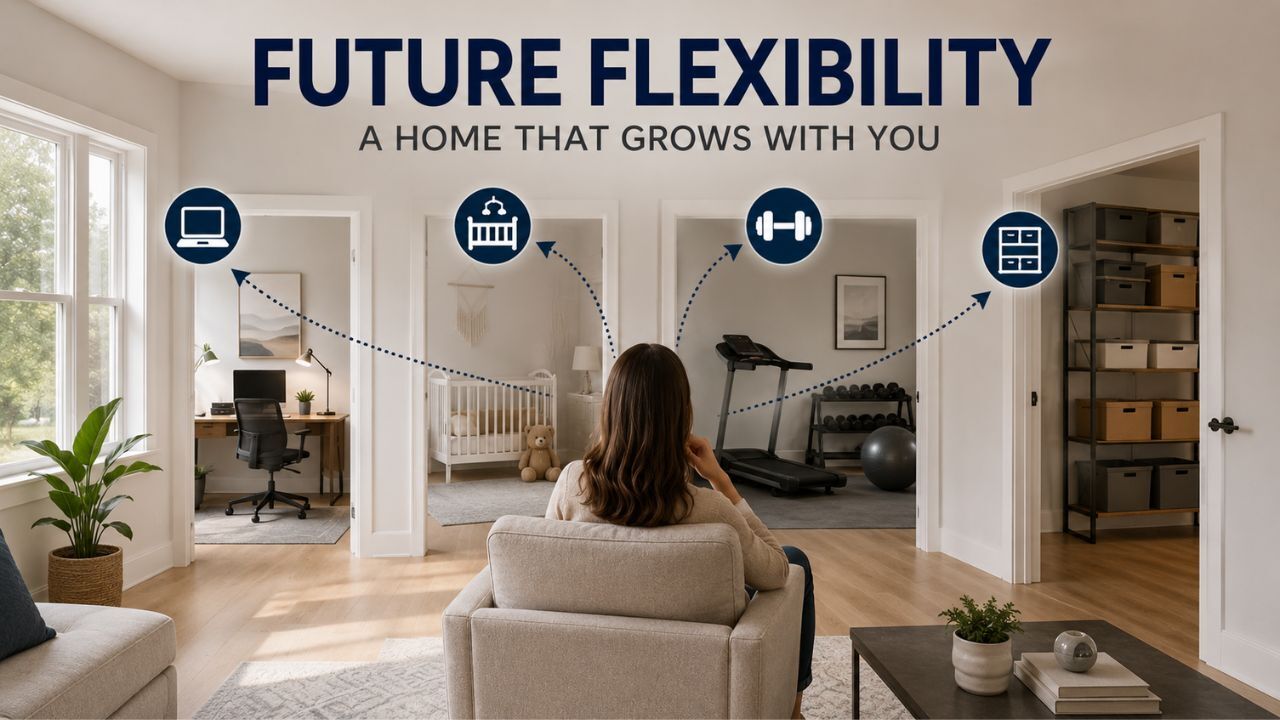
 Many buyers walk through a home and focus on what is already there, but it is just as important to notice what the home allows you to do later. Your life may change after you buy. Your household could grow, your work schedule could shift, relatives may visit more often, or you may need new space for hobbies, storage, or privacy. A home that works today should also have some flexibility for tomorrow.
Think Past the First Year
It is easy to shop for the life you have right now. That makes sense, but homeownership is usually a longer-term decision. Before making an offer, think about how your needs might change over the next few years. Will you need a home office? Could you want a guest room? Might outdoor space become more important? Could a playroom, workout area, or quiet reading space matter later?
Flexible Rooms Add Value
A flexible room does not have to be large or fancy. It may be a small den, finished basement area, loft, extra bedroom, wide landing, or bonus space near the kitchen. The value is in how many ways the area can work. A room that can shift from office to nursery to guest room to hobby space can help the home adjust as your life changes.
Layout Can Limit or Support You
Square footage matters, but layout matters just as much. Some homes have space that is technically there but difficult to use. Other homes feel more adaptable because the rooms are placed well, the traffic flow makes sense, and the spaces are not too specific. A formal room that never gets used may be less helpful than a modest area that can serve multiple purposes.
Look for Expansion Potential
Buyers should also notice whether the property has room to improve. Is there a basement that could be finished later? Could the garage provide storage solutions? Is the yard usable for future plans? Are there areas where shelves, built-ins, or better organization could make the home work harder? You may not need those changes right away, but having options can be valuable.
Avoid Buying Too Narrow
A home can be beautiful but too specific for your actual life. If every room has only 1 purpose, it may feel limiting over time. The right home does not need to solve every future need, but it should give you enough flexibility to grow, adjust, and make changes.
When buying a home, try to see both the present and the possibilities. The best choice may not be the home that only fits today. It may be the one that can keep fitting your life as it changes.
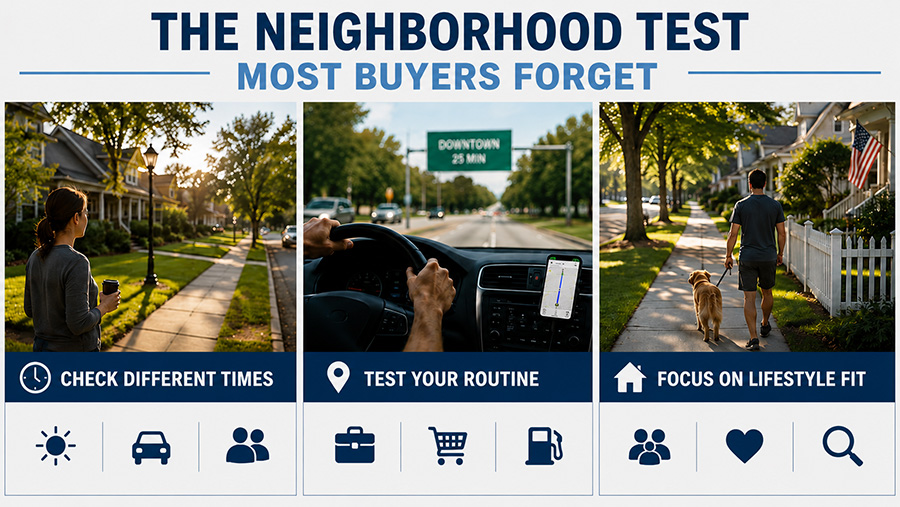 When buyers evaluate a home, they often focus on the property itself. They look at square footage, bedrooms, bathrooms, finishes, yard size, and price. Those details matter, but the neighborhood can have just as much influence on long term happiness. A house can be renovated. A location is much harder to change.
 Buying a home is one of the most important financial decisions you will make, and having a clear roadmap can make the entire process feel far more manageable. Without a plan, it is easy to feel overwhelmed or make rushed decisions.
 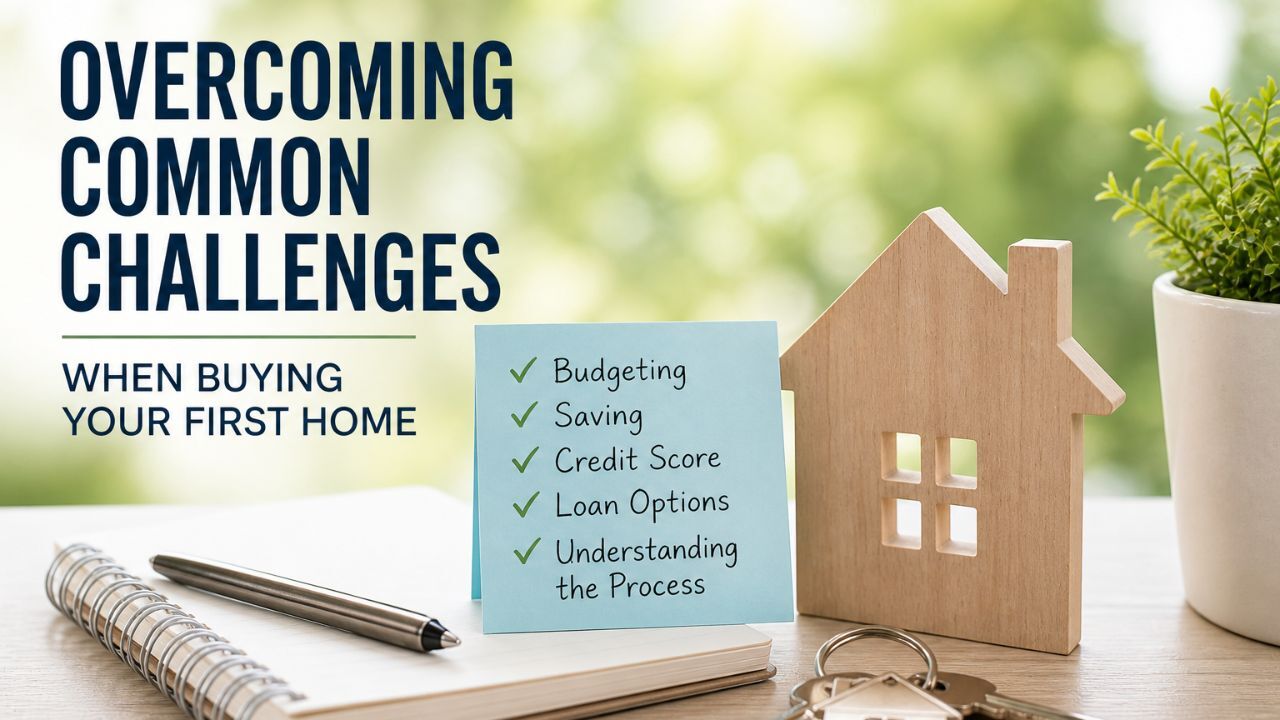 Buying your first home is an exciting milestone, but it often comes with challenges that can feel overwhelming if you are not prepared. From financial concerns to navigating the process itself, many first-time buyers encounter similar obstacles.
  If you’re starting to feel like rent checks are just disappearing into the void… you’re not wrong. For many first-time buyers, the shift from renting to owning is less about luxury and more about finally building something of your own.
 Real estate decisions often sit at the intersection of emotion and ambition. Choosing between proximity to family and pursuing broader opportunity can feel complex. Both paths offer benefits, and the right choice depends on long-term vision and daily priorities.