 Transitioning from renting to homeownership is an exciting and significant milestone in anyone’s life. This journey, while thrilling, can also be filled with questions and uncertainties. As your trusted real estate agent, I am here to guide you through this process, ensuring a smooth and successful transition. We will discuss the steps you need to take to move from being a renter to a proud homeowner.
Assess Your Financial Readiness
First and foremost, evaluate your financial situation. Owning a home involves more than just a monthly mortgage payment. You’ll need to consider property taxes, homeowners insurance, maintenance costs, and potential homeowners association (HOA) fees.
Begin by:
- Reviewing your credit score and history.
- Saving for a down payment.
- Establishing a budget that includes all potential homeownership costs.
Get Pre-Approved for a Mortgage
Next, obtaining a mortgage pre-approval is crucial. This not only helps you understand how much home you can afford but also makes you a more attractive buyer to sellers.
To do this:
- Gather your financial documents (income statements, tax returns, bank statements).
- Shop around for mortgage lenders to find the best rates and terms.
- Submit your application and await your pre-approval letter.
Determine Your Needs and Wants
Before you start house hunting, it’s essential to define what you need and want in a home. Consider factors such as location, size, layout, and amenities.
Think about:
- Proximity to work, schools, and amenities.
- The number of bedrooms and bathrooms.
- Whether you prefer a new or older home.
Start the House Hunt
Now comes the exciting part—searching for your new home. Working with a real estate agent can make this process more efficient and enjoyable. I can provide you with listings that match your criteria, schedule viewings, and offer insights into the local market.
While searching:
- Be patient and keep an open mind.
- Attend open houses and private showings.
- Take notes and photos to compare properties.
Make an Offer
Once you’ve found a home that fits your needs and budget, it’s time to make an offer. I will help you craft a competitive offer that aligns with the market conditions and your budget.
When making an offer:
- Consider contingencies such as inspections and financing.
- Be prepared for negotiations.
- Stay within your budget.
Navigate the Closing Process
After your offer is accepted, you’ll enter the closing process. This involves several steps, including home inspections, appraisals, and finalizing your mortgage.
During closing:
- Schedule and attend the home inspection.
- Review and sign all necessary documents.
- Complete a final walkthrough of the property.
Move In and Enjoy
Finally, once all the paperwork is signed and the keys are in your hand, it’s time to move in and enjoy your new home! This is the moment you’ve been working towards, so take the time to settle in and make the space your own.
Tips for moving in:
- Hire professional movers or enlist the help of friends and family.
- Unpack and organize room by room.
- Introduce yourself to your new neighbors and community.
Transitioning from renting to homeownership is a rewarding journey that requires careful planning and guidance. By following these steps and working with a dedicated real estate agent, you can confidently make the move and start enjoying the benefits of owning your own home.
 Selling your home is an exciting journey, but receiving a lowball offer can feel like a setback. While it might be tempting to reject such offers outright, handling them with patience and strategy can often lead to a better outcome. Here’s how to effectively manage lowball offers on your home.
 Planning for retirement is an essential aspect of securing a comfortable and financially stable future. While traditional retirement accounts and investments play a significant role, incorporating real estate into your retirement plan can provide additional benefits and opportunities for growth. Here’s how real estate can be a valuable component of your retirement strategy and some tips to help you build a strong financial future.
 In recent months, the real estate market has been a whirlwind of activity, with home prices steadily climbing and buyer demand outpacing available inventory. This dynamic landscape presents a crucial question for prospective homebuyers: is waiting to purchase a home a wise decision, or could it cost more in the long run?
 The generation, born between 1981 and 1996, known as Millennials is forced to face a complex landscape influenced by economic shifts, technological advancements, and changing societal norms. Here’s a closer look at the key hurdles and the potential bright spots for millennial homebuyers.
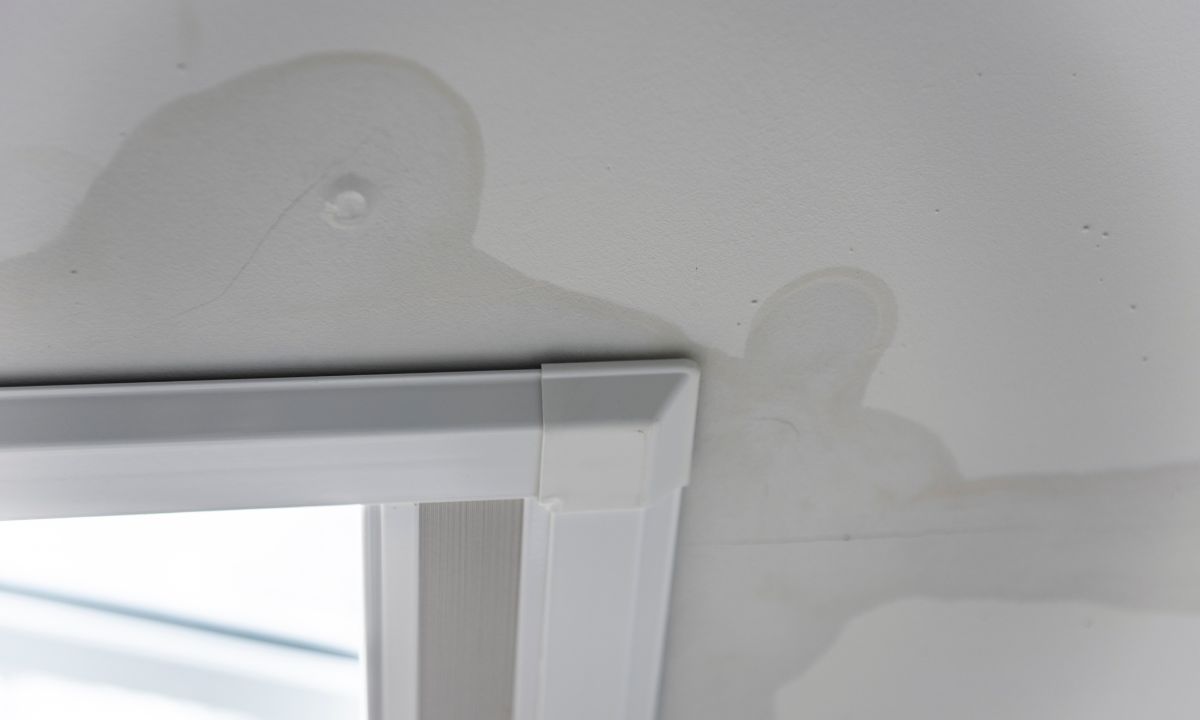 Buying a home is a significant investment, and ensuring the property is in good condition is crucial. There are times when asking the seller for repairs is the best course of action, but in other situations, requesting a credit may be more beneficial. Understanding when to choose each option can help you navigate the buying process more effectively.