
Sunrise Homes & Renovations, Inc.

  • Home
  • About
    • About Us
    • Recognition
      • Disaster Contractors Network
      • US EPA Certified
    • Accessibility Statement
  • Example Models
  • Renovations
  • Resources
    • First Time Home Buyer Tips
    • First Time Home Seller Tips
  • Blog
  • Contact

The Home Feature You Love Today That Could Annoy You Later

June 3, 2026 by Rhonda Costa

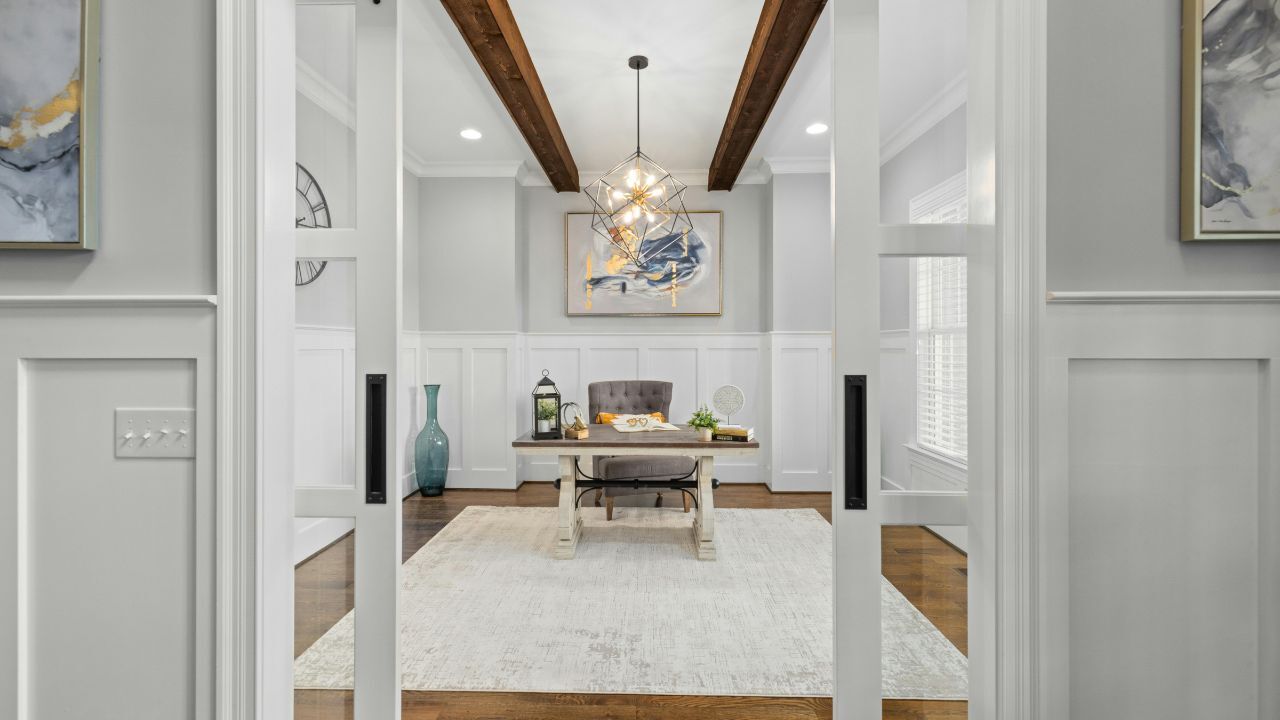
Every home has features that create an immediate reaction. A dramatic staircase, huge yard, open shelving, long driveway, pool, loft, fireplace, or oversized soaking tub can make a buyer fall in love quickly. But some features that feel exciting during a showing can become annoying after move in. The difference is usually maintenance, practicality, and how often you actually use the feature.

Beauty Can Bring Upkeep
Take open shelving, for example. It can look beautiful in photos and make a kitchen feel stylish. But it also requires constant organization and cleaning. If you prefer low maintenance storage, traditional cabinets may serve you better. A large yard can feel peaceful and impressive, but it may require mowing, watering, landscaping, leaf removal, and ongoing care. If you already have limited free time, that dream yard may become a weekend obligation.

Pools Are Lifestyle Decisions
Pools are another example. For some homeowners, a pool is a lifestyle upgrade that brings family time, exercise, and entertainment. For others, it becomes a source of maintenance, safety concerns, seasonal costs, and repairs. The feature is not good or bad by itself. It depends on whether it matches your habits and budget.

Layout Features Can Shift
Even layout features can shift from charming to frustrating. A loft may look airy, but it may not provide enough privacy for work or guests. A long driveway may look elegant, but it may be inconvenient in bad weather or when carrying groceries. A fireplace may feel cozy, but if it is rarely used, it may simply take up wall space. A beautiful primary bathroom tub may look luxurious, but if you prefer quick showers, it may not add much real value to your life.

Separate Appeal From Reality
The goal is not to avoid interesting features. Unique homes can be wonderful. The goal is to separate emotional appeal from daily reality. Before making an offer, ask yourself how often you will use the feature, what it costs to maintain, how much time it requires, and whether it solves a real need or simply looks attractive.

Picture the Feature on a Busy Day
It can help to imagine the feature on a busy day. Will you still love the yard when you are tired? Will you still love the open shelving when dishes are mismatched? Will you still love the pool when it needs service? Will you still love the stairs when you are carrying laundry?

Real estate decisions should include excitement, but they should also include honesty. The best home features are not just beautiful. They fit naturally into your routine. If a feature requires more time, money, or energy than you want to give, it may not be the upgrade it appears to be.
Filed Under: Homeowner Tips Tagged With: House Hunting Advice, Real Estate Tips, Smart Home Buying

Finding the Right Home by Knowing What Truly Matters

May 21, 2026 by Rhonda Costa

Choosing a home is more than just liking how it looks, it is about finding a space that fits your lifestyle, your future plans, and your financial comfort. Many buyers struggle with decision making because they have not clearly defined what matters most to them before they begin searching, which can lead to wasted time and unnecessary stress.

Define Your Must-Haves First
Start by identifying the features you absolutely need in a home. This could include the number of bedrooms, layout, storage space, or functionality for your daily routine. Your must-haves should reflect how you live, not just what looks appealing in photos. When you clearly define these priorities, you create a strong filter that helps you stay focused and avoid distractions during your search.

Separate Wants from Deal Breakers
It is just as important to recognize what you can live without as it is to define what you need. Features like upgraded finishes, large yards, or extra square footage may be appealing, but they should not outweigh your core requirements. At the same time, you need to identify your deal breakers. These are the issues that would make a home unsuitable no matter how attractive it may seem. This could include poor layout, lack of natural light, or structural concerns that would impact your long-term satisfaction.

Think Long-Term About Your Needs
A home should support both your current lifestyle and your future plans. Consider how your needs may evolve over time. Whether it is space for a growing household, flexibility for remote work, or overall long-term comfort, thinking ahead helps ensure that your home continues to meet your needs. Buying with a long-term mindset can prevent you from needing to move again sooner than expected.

Stay Objective During Showings
It is easy to become emotionally attached when walking through homes, especially when one checks several boxes. However, staying objective is critical to making a smart decision. Evaluate each property based on how well it aligns with your must-haves and deal breakers. Taking notes, comparing properties, and reviewing them after showings can help you stay grounded and confident in your final decision.

Choosing the right home becomes much easier when you approach the process with clarity, structure, and a focus on what truly matters. Ready to purchase a home? Give us a call today and let us help you find the right fit.

Filed Under: Home Buyer Tips Tagged With: First Time Buyer, House Hunting, Real Estate Tips

How to Make a Strong Offer in a Competitive Market

May 15, 2026 by Rhonda Costa

In a competitive real estate market, finding the right home is only part of the challenge. The next step, making a strong offer, can determine whether you secure the home or lose out to another buyer. Many buyers underestimate how much strategy goes into this stage. Understanding how to position your offer can give you a clear advantage and increase your chances of success.

Start with a Solid Foundation
Before submitting an offer, make sure your financials are in order. Being pre-approved shows sellers that you are serious and capable of following through. A strong financial position gives sellers confidence and can set your offer apart from others that may still have uncertainties.

Understand Market Conditions
Knowing whether you are in a competitive or balanced market is critical. In a highly competitive environment, homes may receive multiple offers quickly. This means you need to act decisively and present a clean, attractive offer. Understanding the pace of the market helps you adjust your strategy accordingly.

Focus on More Than Just Price
While price is important, it is not the only factor sellers consider. Terms such as flexibility on closing timelines, fewer contingencies, and overall simplicity can make your offer more appealing. A well-structured offer that reduces friction for the seller can sometimes outweigh a slightly higher price from another buyer.

Limit Unnecessary Contingencies
Contingencies protect you, but too many can weaken your offer in a competitive situation. Work with your agent to determine which contingencies are essential and which may be adjusted. The goal is to balance protection with competitiveness.

Move Quickly and Stay Decisive
In fast-moving markets, hesitation can cost you the opportunity. Once you find a home that meets your criteria, be prepared to act. Having your documents ready and your decision-making process clear allows you to move forward with confidence.

Making a strong offer is about preparation, strategy, and understanding what matters to the seller. Ready to purchase a home? Give us a call today and let us help you position your offer for success.

Filed Under: Home Buyer Tips Tagged With: Competitive Market, Home Buying, Real Estate Tips

How to Evaluate a Home Beyond the Surface

May 14, 2026 by Rhonda Costa

When searching for a home, it is easy to focus on what you can see right away, such as fresh paint, updated finishes, or staged furniture. While these details can make a home feel appealing, they do not always reflect the true quality or long-term suitability of the property.

Learning how to evaluate a home beyond the surface can help you make a smarter and more confident decision.

Look Past Cosmetic Updates
Cosmetic upgrades can make a home look move-in ready, but they do not always indicate that the property is well maintained. New flooring, modern fixtures, or fresh paint may hide underlying issues. Pay attention to what cannot be easily changed, such as the condition of walls, ceilings, and overall structure. Looking beyond surface level improvements helps you avoid being influenced by appearance alone.

Evaluate the Layout and Functionality
A home layout plays a major role in how well it fits your daily life. Consider how the space flows and whether it supports your needs. Think about room placement, storage options, and how you will use each area. A home may look attractive at first glance, but if the layout does not function well for your lifestyle, it can become frustrating over time.

Watch for Signs of Maintenance Issues
While touring a home, look for signs that may indicate maintenance concerns. This can include uneven flooring, cracks in walls, or signs of water damage. These issues do not always mean you should walk away, but they are important to recognize early so you can make an informed decision and plan accordingly.

Consider Long-Term Livability
A home should meet your needs not only today but also in the future. Think about how your situation may change and whether the home can adapt. Whether it is space, flexibility, or overall comfort, considering long-term livability helps ensure you are making a decision that will last.

Think About Future Value
It is also important to consider how the home may perform over time. While no one can predict the market, certain factors such as layout, condition, and overall appeal can influence future value. Buying a home with long-term potential can help protect your investment.

Evaluating a home beyond what you see on the surface helps you make a more informed and confident decision. Ready to purchase a home? Give us a call today and let us help you find the right fit.

Filed Under: Home Buyer Tips Tagged With: First Time Buyer, House Hunting, Real Estate Tips

Own a Rental Property? Here’s How to Find Tenants You Won’t Regret

May 7, 2026 by Rhonda Costa

Finding a tenant isn’t just about filling a vacancy, it’s about finding someone who will respect your property, pay on time, and make your life easier (not harder).

And let’s be honest… a great tenant can make your rental feel like a passive income dream. The wrong one? The opposite.

Here’s how to stack the odds in your favor.

1. Attract Better Tenants by Raising the Bar

The quality of your listing directly impacts the quality of your applicants.

If your photos are dark, your description is vague, or the space feels thrown together, you’ll likely attract more “just need a place” renters than long-term, responsible tenants.

What to do instead:

  • Use bright, high-quality photos (this matters more than people think)
  • Write a clear, well-structured description
  • Highlight features that signal care (updated finishes, clean spaces, storage, etc.)

When your property feels intentional and well-maintained, you naturally attract people who value that.

2. Don’t Skip Proper Screening (This Is Where It Counts)

This is not the step to rush.

A strong application process should give you a clear picture of:

  • Income and employment stability
  • Rental history
  • Credit and background (where legally allowed)

Modern tip:
Use a screening service or platform that handles credit checks and background reports—it’s faster, more consistent, and removes a lot of guesswork.

The goal isn’t to overcomplicate things, it’s to reduce surprises later.

3. Actually Call References (Most People Don’t—You Should)

References can tell you what an application won’t.

A quick call to a previous landlord can reveal:

  • Whether rent was paid on time
  • How the tenant treated the property
  • Any issues that didn’t make it onto paper

Same goes for employment verification—it helps confirm stability beyond what’s listed.

Pro tip:
Ask specific questions. “Were they a good tenant?” gets vague answers.
“Did they ever miss rent or cause damage?” gets real ones.

4. Meet Them (Or At Least Have a Real Conversation)

You don’t need to run a personality assessment—but a quick interaction goes a long way.

Whether it’s in person or virtual, pay attention to:

  • Communication style
  • Responsiveness
  • General respectfulness

It’s not about judging, but rather about getting a sense of how they’ll be to work with. Because at the end of the day, this isn’t just a transaction, it’s an ongoing relationship.

5. Trust the Data… But Also Trust Your Gut

Screening tools and references matter, but so does your instinct. If something feels off—even if everything looks good on paper—it’s worth pausing and taking a closer look.

On the flip side, if someone checks the boxes and feels like a solid fit, that’s usually a good sign.

The Bottom Line

Great tenants aren’t found by accident. They’re chosen through a thoughtful, consistent process.

A little extra effort upfront can save you from major headaches down the line and turn your rental into a far more stable, low-stress investment.

Filed Under: Real Estate Tagged With: Investment Properties, Real Estate Tips, Screening Tenants

Thinking About Selling Your Home Solo? Here’s Why Most People Don’t

May 6, 2026 by Rhonda Costa

Selling your home on your own (often called “For Sale By Owner” or FSBO) can sound appealing at first, especially when you’re thinking about saving on commission.

But once you get into the reality of what it takes, most homeowners quickly realize there’s a lot more to it than listing a property and waiting for offers.

Here are three big reasons many sellers choose not to go it alone.

1. Saving on Commission Isn’t Always… Saving

Let’s address the obvious one.

Yes, working with a real estate agent comes with a cost. But what often gets overlooked is what you’re actually getting in return, and what it can cost you to go without it.

Selling a home involves:

  • Pricing your home accurately (not emotionally)
  • Marketing it effectively online
  • Coordinating showings and open houses
  • Negotiating offers and contingencies
  • Managing paperwork, deadlines, and legal details

Miss the mark on pricing or negotiation alone, and you could easily lose more than you would have paid in commission.

The reality: It’s not just about saving money, but rather about maximizing what you walk away with.

2. It’s Hard to Be Objective About Your Own Home

You’ve lived in your home. You’ve invested time, money, and probably a lot of emotional energy into it.

That makes it really hard to see it the way buyers do.

Most sellers naturally:

  • Overestimate value
  • Downplay flaws
  • Struggle with feedback from buyers

An experienced agent brings a neutral, market-based perspective—helping you price, position, and present your home in a way that actually resonates with buyers.

Sometimes that outside perspective is the difference between “sits on the market” and “sells quickly.”

3. Exposure Matters More Than You Think

Getting your home in front of the right buyers is half the battle. When you sell on your own, your reach is typically limited to:

  • Basic listing sites
  • Social media
  • Word of mouth

Agents, on the other hand, tap into:

  • MLS networks
  • Buyer databases
  • Agent-to-agent connections
  • Professional marketing strategies

Plus, this is a big one: many buyers (and their agents) are more comfortable working through a professional. It creates a smoother, more structured process on both sides.

So… Should You Sell on Your Own?

You can. Plenty of people do.

But most find that the time, effort, stress, and potential financial trade-offs outweigh the initial appeal of saving on commission.

If your goal is to sell efficiently, confidently, and for the best possible price, having the right support in place can make a big difference.

The Bottom Line

Selling a home isn’t just a transaction, it’s a strategy. And like most things, the right guidance can help you avoid costly missteps and get better results in the long run.

Filed Under: Home Seller Tips Tagged With: For Sale By Owner, Home Selling Tips, Real Estate Tips

  • « Previous Page
  • 1
  • …
  • 5
  • 6
  • 7
  • 8
  • 9
  • …
  • 63
  • Next Page »

Rhonda & Steve Costa

Rhonda & Steve Costa

Call (352) 398-6790
Sunrise Homes & Renovations, Inc.

Contractors License #CBC 1254207

Let’s Keep In Touch!

  • This field is for validation purposes and should be left unchanged.

Connect With Us on Social Media

Categories

Looking For Something?

Our Location


Spring Hill, FL 34608

Equal Housing Opp

Return to top of page

Copyright © 2026 Sunrise Homes & Renovations, Inc.. All rights reserved.   Log In