 A spacious yard is one of the most desirable features for many homebuyers. It offers room for children to play, space for entertainment, and plenty of opportunities to create your own outdoor retreat. However, a larger yard also comes with ongoing responsibilities that are easy to overlook during the excitement of purchasing a home.
Understanding these costs before you buy can help you choose a property that truly fits both your lifestyle and your budget.
Think Beyond Lawn Mowing
Many buyers assume the biggest expense of a larger yard is simply mowing the grass. In reality, routine maintenance often includes fertilizing, weed control, trimming shrubs, pruning trees, mulching flower beds, and seasonal cleanup. If you prefer not to handle these tasks yourself, hiring a landscaping company can become a regular monthly expense.
Water Bills Can Add Up
Keeping a large lawn green and healthy often requires significant watering, especially during warmer months. Depending on where you live, irrigation costs can noticeably increase your monthly utility bill. Before purchasing a home, consider the local climate and whether maintaining a lush landscape fits comfortably within your budget.
Outdoor Equipment Is an Investment
Owning a larger yard may also require additional equipment. Lawn mowers, trimmers, leaf blowers, hoses, sprinklers, ladders, and gardening tools all come with purchase and maintenance costs. While these items can last for years, they represent an investment that many first-time homeowners do not initially consider.
More Space Means More Responsibility
Large yards often include fences, retaining walls, patios, decks, sheds, or mature trees that require periodic maintenance. These features can add tremendous beauty and value to a property, but they also require time and money to keep them looking their best. Regular upkeep helps protect your investment and prevents small issues from becoming costly repairs.
Find the Right Balance for Your Lifestyle
A beautiful yard can absolutely be worth the extra effort if you enjoy spending time outdoors or entertaining family and friends. The key is choosing a property that matches the amount of maintenance you realistically want to handle. A yard should enhance your lifestyle, not become another source of stress or unexpected expense.
Buying a home is about finding the right balance between your dreams and your day-to-day life. By understanding the hidden costs of a larger yard before making an offer, you can choose a home that brings years of enjoyment while staying comfortably within your budget.
 Many homebuyers assume that finding the quietest street automatically means finding the perfect home. While peace and privacy are appealing, a quiet location is only one piece of the puzzle. The surrounding neighborhood, traffic patterns, accessibility, and future plans for the area can all influence your daily experience. Looking beyond the noise level can help you choose a home that truly fits your lifestyle.
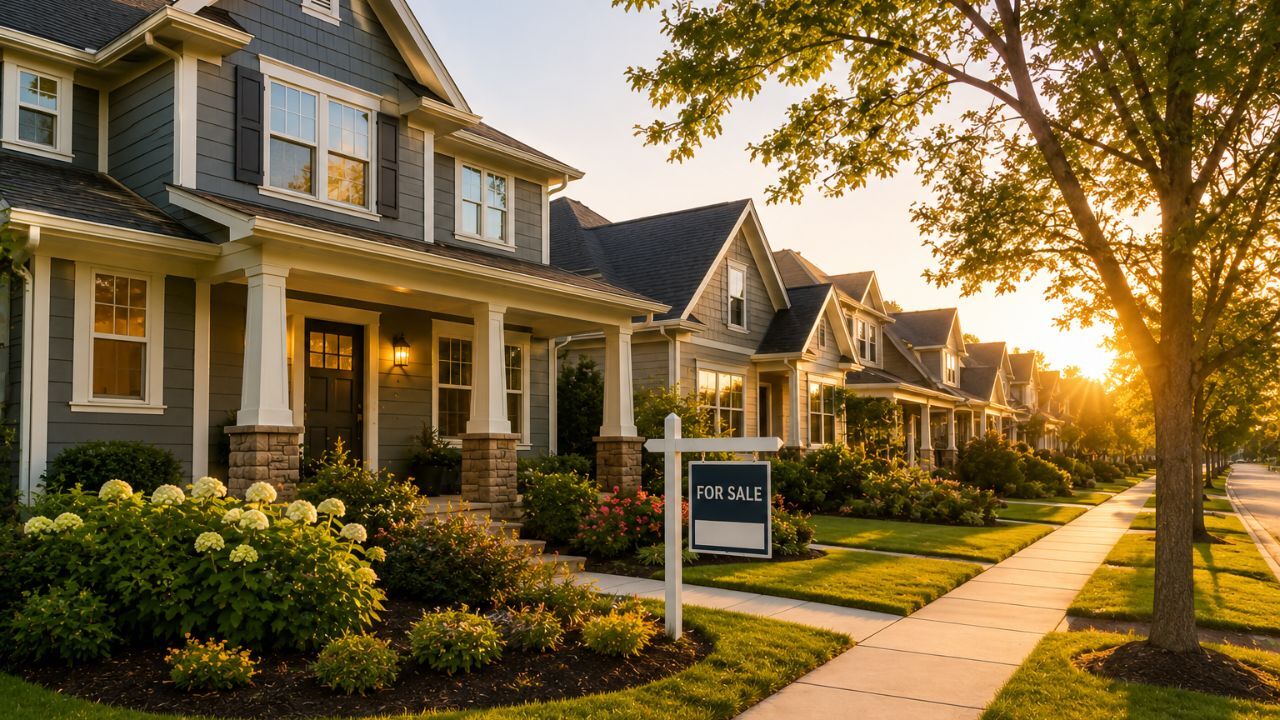 Most buyers focus on finding a home that fits their current needs, which is exactly what they should do. However, it is also wise to consider how appealing the property may be to future buyers. Even if you plan to stay for many years, understanding what contributes to resale potential can help protect your investment over the long term.
 Many buyers focus on interest rates, inventory, and pricing when planning a home purchase. However, the time of year can also play a significant role in the home-buying experience. Understanding how seasonal trends affect inventory, competition, and property conditions can help buyers make more informed decisions throughout their search.
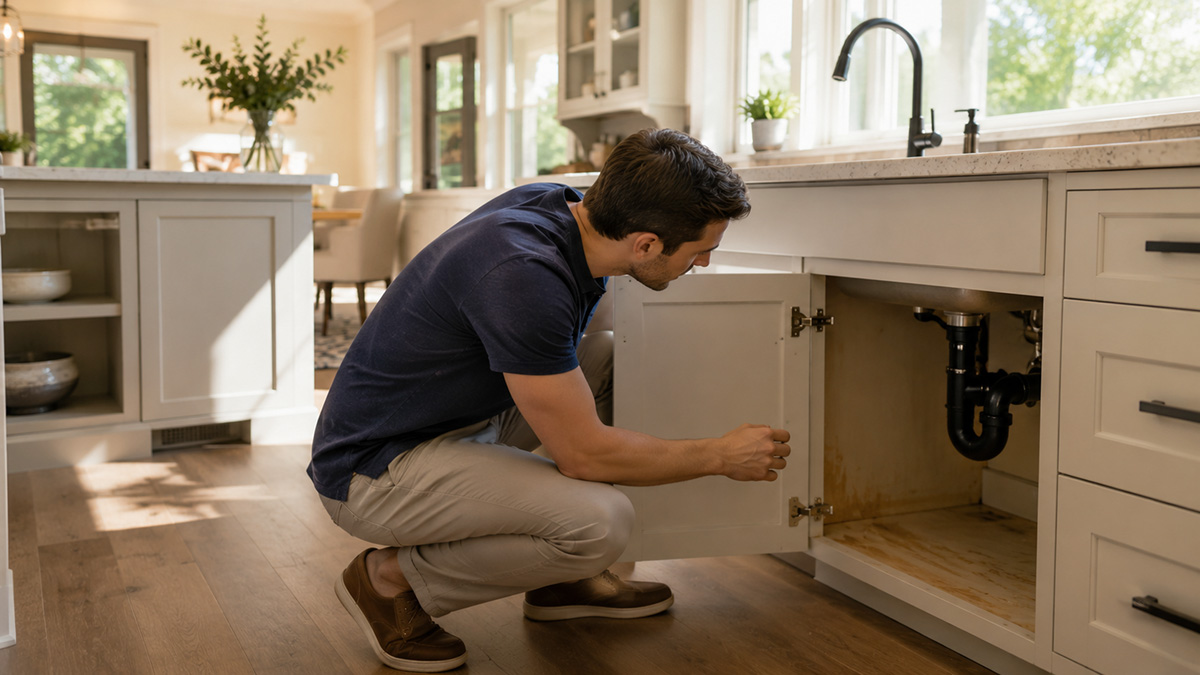 Finding a home you love is exciting, but it is important to look beyond attractive finishes and well-staged rooms. Some issues are easy to identify, while others can be hidden beneath fresh paint or cosmetic upgrades. Learning how to spot potential red flags before making an offer can help buyers avoid unexpected expenses and future headaches.
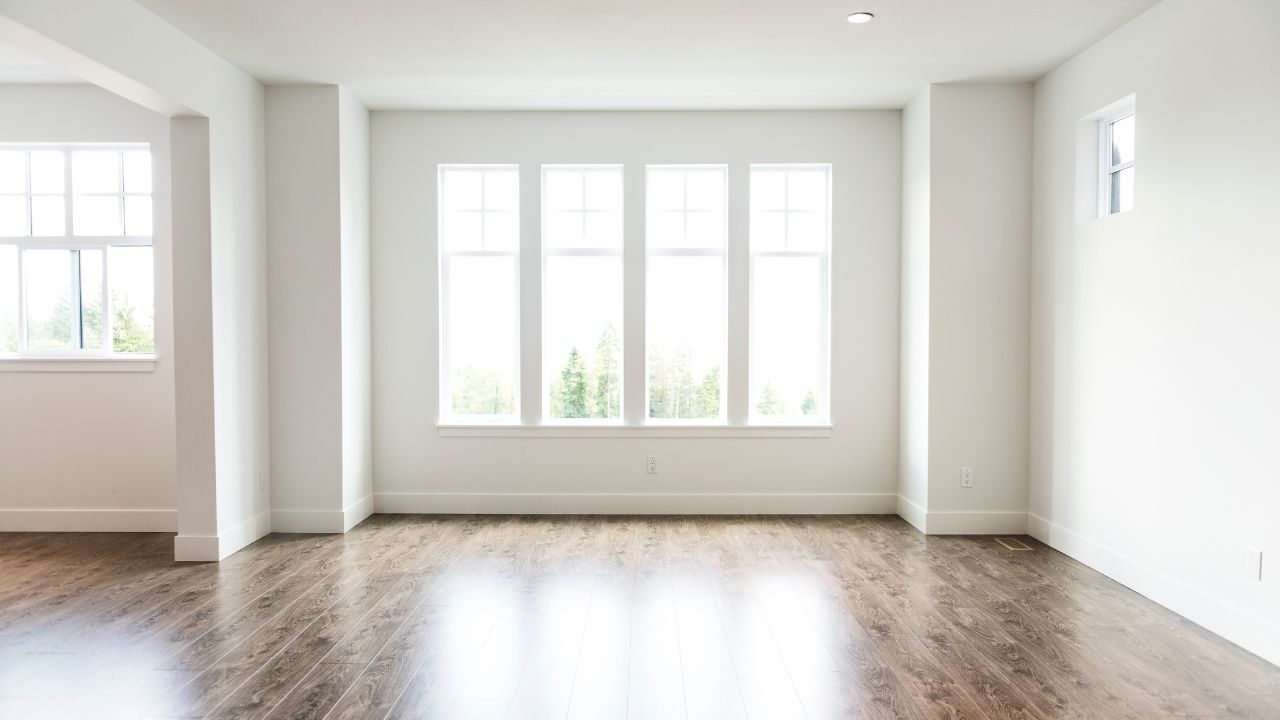 Move-in ready is one of the most popular phrases in real estate, but it does not mean the same thing to everyone. For some buyers, move-in ready means fresh paint, updated finishes, modern appliances, and no visible projects. For others, it means the home is safe, clean, functional, and does not need major repairs immediately. Understanding your personal definition can prevent disappointment.