 In a competitive real estate market, buyers may feel pressured to make their offers more attractive by waiving contingencies—especially the home inspection. While skipping a home inspection might seem like a way to speed up the buying process or make an offer stand out, it can be a costly mistake with long-term consequences. Here’s why a home inspection should always be part of your home-buying process, no matter how competitive the market is.
1. Hidden Issues Could Cost You Thousands
A home may look perfect on the surface, but underlying problems can go unnoticed without a professional inspection. Structural issues, faulty wiring, plumbing leaks, mold, or roof damage could require costly repairs down the road. Without an inspection, you take on these risks blindly.
2. Negotiating Power
Even in a seller’s market, a home inspection gives you valuable leverage. If the inspection reveals major issues, you may be able to negotiate repairs or a price reduction before closing. Without an inspection, you lose the opportunity to address potential problems before committing to the purchase.
3. Safety Concerns
Some issues uncovered in an inspection go beyond financial concerns—they can be dangerous. Electrical hazards, gas leaks, radon, asbestos, or foundation issues could pose serious safety risks for you and your family. Identifying these problems before closing allows you to make an informed decision about whether to proceed with the purchase.
4. Insurance and Loan Requirements
Some mortgage lenders and insurance companies require a home inspection before approving financing or issuing a policy. If you skip the inspection, you could run into obstacles securing a loan or getting the proper insurance coverage for your home.
5. Peace of Mind
Buying a home is one of the biggest financial decisions you will ever make. A home inspection provides reassurance that you are making a sound investment and helps you avoid unexpected surprises after you move in. Even if the inspection reveals only minor issues, you will have a clearer understanding of what to expect in terms of maintenance and future repairs.
What If You’re in a Competitive Market?
If you’re worried about losing a bidding war, consider these alternatives instead of waiving an inspection entirely:
- Pre-Inspection: Some buyers choose to conduct an inspection before making an offer, allowing them to make an informed bid without adding an inspection contingency.
- Informational Inspection: Rather than negotiating repairs, you can conduct an inspection for informational purposes only, ensuring you understand the property’s condition before finalizing the purchase.
No matter how hot the market is, skipping a home inspection is a risk that could lead to serious financial and safety issues. Taking the time for an inspection ensures that you are making a well-informed decision, protecting both your investment and your future.
 Why Location is Everything in Selling a Home
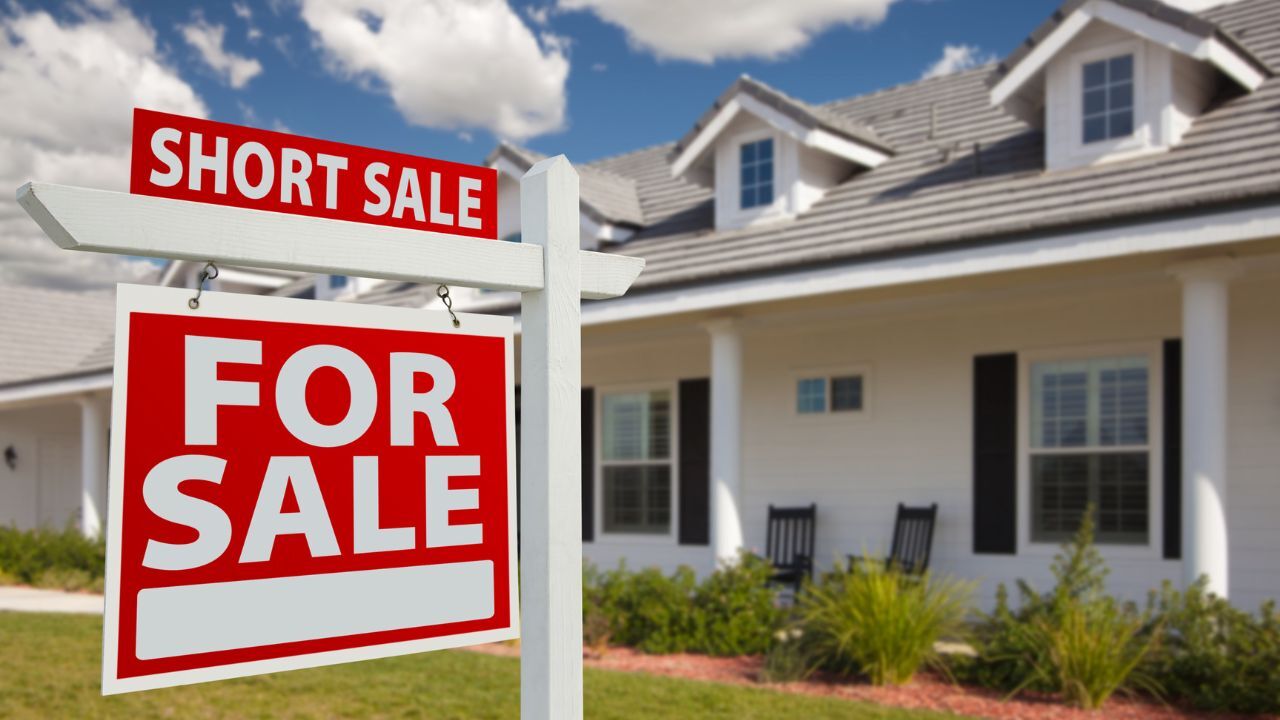 A short sale is a real estate transaction in which a homeowner sells their property for less than the outstanding mortgage balance. While this option can provide relief to homeowners facing financial hardships, it also comes with consequences that may affect their ability to buy another house in the future. We will explore the impact of a short sale on your credit, eligibility for a new mortgage, and the steps you can take to mitigate these effects.
 When buying or selling a home, factors like location, size, and condition are obvious considerations—but have you thought about the direction your home faces? The orientation of a house can impact everything from natural light and energy efficiency to curb appeal and, ultimately, resale value. Here’s why the direction your home faces matters in real estate.
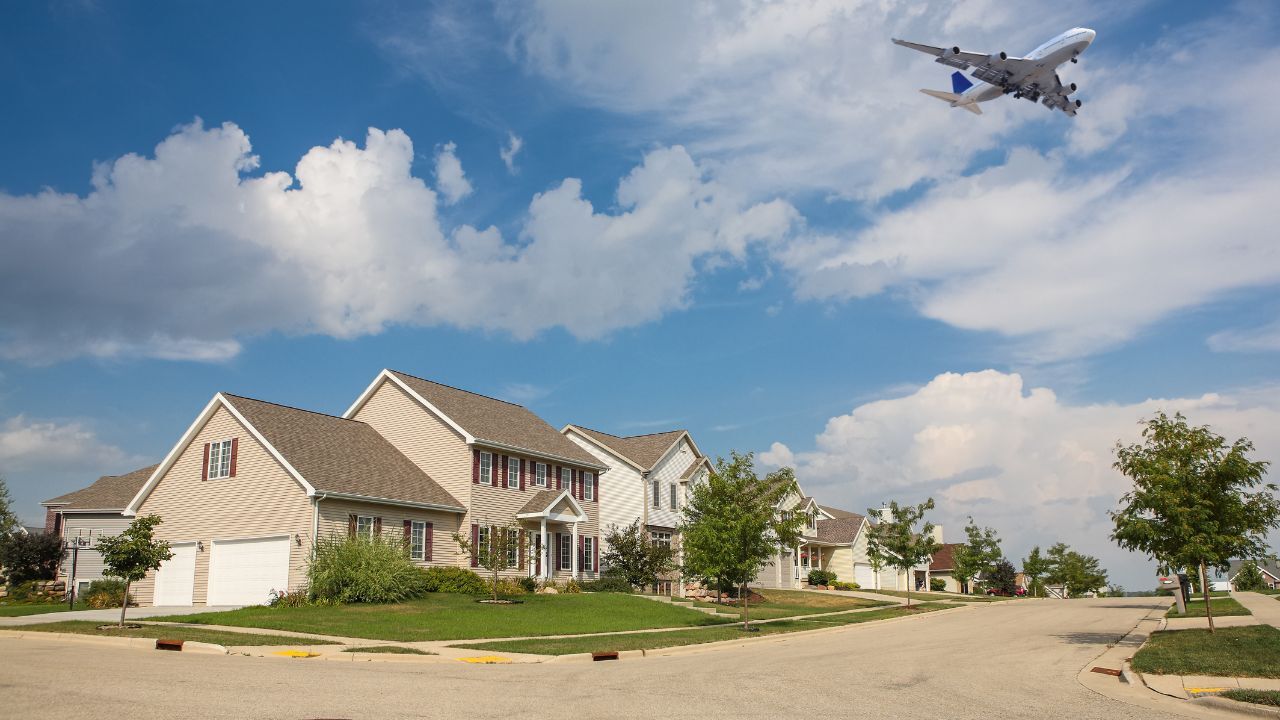 When searching for a home, location is everything. Some buyers may be drawn to properties near an airport for the convenience, while others worry about noise and air quality. If you’re considering buying a home near an airport, here’s a breakdown of the pros and cons to help you make an informed decision.
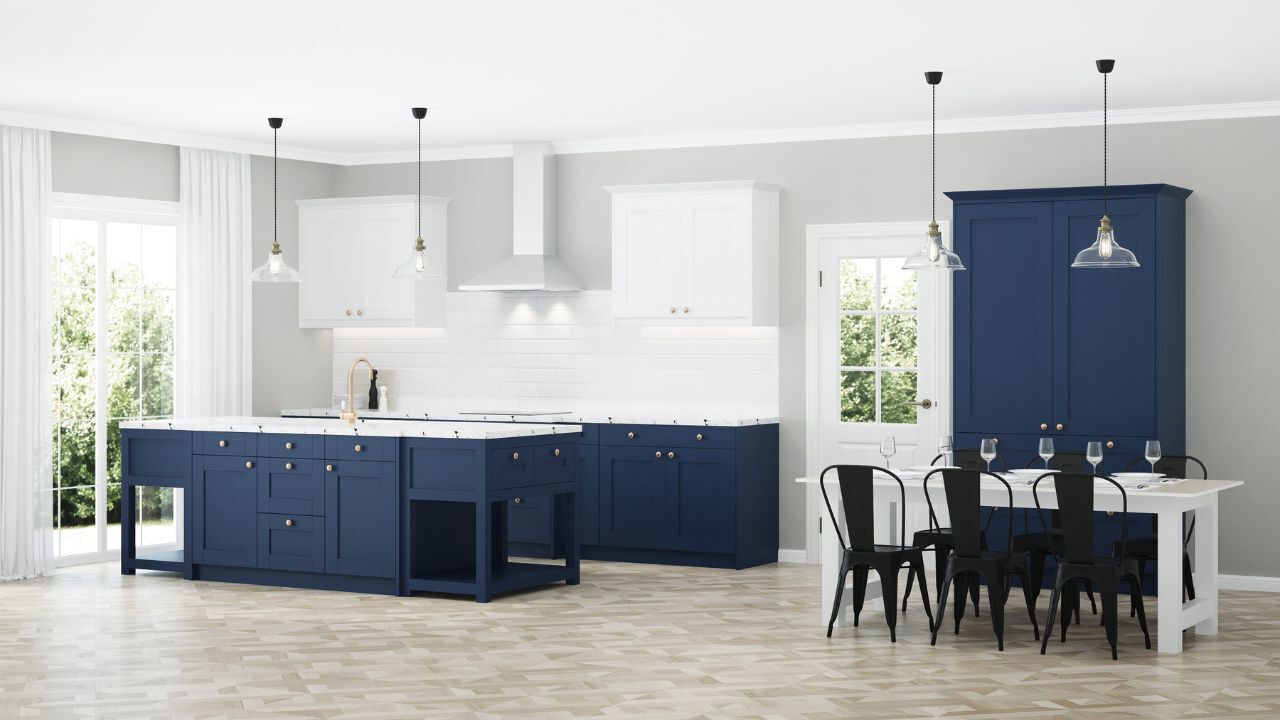 When selling a home, every detail matters—including the colors you choose for walls, decor, and even the front door. Color psychology plays a significant role in how potential buyers perceive a space, influencing their emotions and decision-making. The right color choices can make a home feel warm, inviting, and move-in ready, while the wrong ones can deter buyers. Here’s how color psychology affects home sales and what shades work best to attract buyers.