
Sunrise Homes & Renovations, Inc.

  • Home
  • About
    • About Us
    • Recognition
      • Disaster Contractors Network
      • US EPA Certified
    • Accessibility Statement
  • Example Models
  • Renovations
  • Resources
    • First Time Home Buyer Tips
    • First Time Home Seller Tips
  • Blog
  • Contact

3 Questions Not To Ask Your Real Estate Agent

June 3, 2020 by Rhonda Costa

3 Questions Not To Ask Your Real Estate AgentIt’s an exciting time when you’re buying or selling your home and your real estate agent is your partner in this real estate endeavor. But there are some questions that your agent can’t or won’t be able to answer for you. These are the top three questions not to ask your real estate agent.

 1. How High Will The Buyers/Sellers Go?

Knowing that your agent is in touch with their agent, you might think your agent knows the highest amount the prospective buyers or sellers will go. This question is problematic for several reasons.

First, would you want your agent to divulge how low of an offer you would be willing to accept? No. Second, the buyers agent would never share that kind of information with your agent anyway. That would violate the ethics code that all quality real estate agents go by. 

2. Can You Please Not Divulge the Mold/Radon/Flooding Issue?

Homeowners and real estate agents are required by law to divulge any known issues such as mold. If you as a homeowner are aware of radon and/or flooding issues and you share it with your real estate agent, they may be required to disclose those issues to prospective buyers.

If you ask your agent to withhold that information or to fib about it, you’re really asking them to risk their license and source of family income. Obviously you wouldn’t want to do that. Instead, abide by the laws and let your real estate agent do the same.

Besides, when your buyer is fully aware there’s a better chance for a successful sale. 

3. Can You Promise Me A Sale Within A Certain Timeframe?

Real estate agents can’t promise that your home will sell in a certain amount of time. They can offer you statistics in your area and give you an average amount of time when your home might sell. Other than that, there are no guarantees. If you want your home to sell fast take as much of your agent’s advice as possible.

Your agent will do everything they can to answer all your reasonable questions. Just don’t ask your agent to violate their ethics or make promises they can’t keep. 

Filed Under: Real Estate Tagged With: Real Estate

The Pros And Cons Of Remodeling During The COVID-19 Pandemic

June 2, 2020 by Rhonda Costa

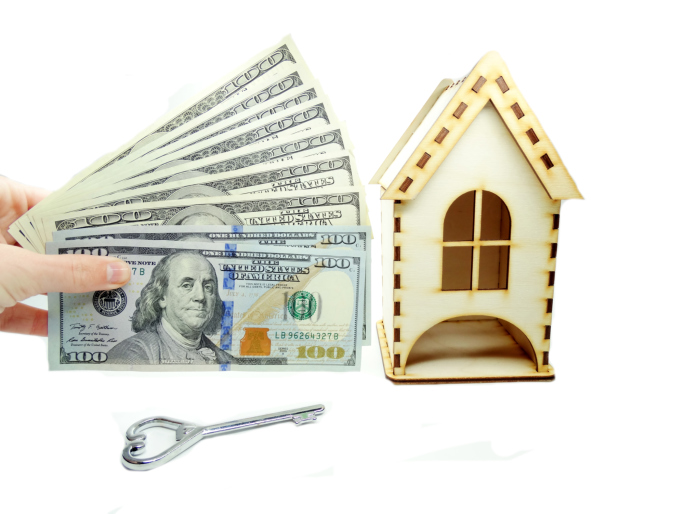
The Pros And Cons Of Remodeling During COVID-19 PandemicNearly everyone has been impacted by the COVID-19 pandemic in some way. While many people are getting tired of being cooped up in their homes, the home improvement industry has actually been able to stay afloat. Furthermore, it is actually thriving. Because many people are trapped in their homes during the COVID-19 pandemic, many people are thinking about carrying out a home remodeling project. For those who are wondering about the prospects of such an undertaking, it is important to weigh the pros and cons. 
The Pros Of Home Remodeling During The COVID-19 Pandemic

There are a few benefits that people should note about remodeling during this time. They include:

  • There is more time to plan out the project. With extra time, people can compare costs, take virtual tours of showrooms, and even check out some of the latest designs. 
  • There are even some brick and mortar showrooms that are still open. While many people are nervous about venturing out during the COVID-19 pandemic, these showrooms are still maintaining proper social distancing measures to keep their staff and customers safe.
  • Finally, there are also a handful of discounts available to those who are remodeling during this time. Because they are eager for business, they are often wiling to slash the prices to help someone get their project done.

These are some of the biggest benefits for people to note; however, there are also a few drawbacks as well.

The Cons Of Home Remodeling During The COVID-19 Pandemic

Some of the disadvantages of trying to start a home remodeling project during this time include:

  • There might be a shortage of materials available to carry out the project. It might take time for companies to restock their inventory, delaying the start of the project.
  • While some items are cheaper, others are more expensive because the supply has dried up.
  • For those who might being a challenging financial situation during the pandemic, there is a risk of spending too much money as the project gets going.

For these reasons, it is important for everyone to carefully weigh the pros and cons of starting a home remodeling project during this time. While there are some attractive offers, everyone’s individual situation is different. People need to think about what is right for them.

Filed Under: Real Estate Tagged With: COVID19, Home Improvement, Remodeling

Loan Programs For Lower Income Buyers

May 29, 2020 by Rhonda Costa

Loan Programs For Lower Income BuyersOwning a home may be the American dream, but for many who are in a lower income bracket, finding a loan can become challenging. Thankfully, there are several loan programs that can work well for lower-income people considering homeownership. Here’s a closer look at some of these home loans designed to help people who have a low-to-moderate income find a way to buy a home.

FHA Home Loans

FHA home loans are loans backed by the Federal Housing Administration. Lenders are more likely to lend to “higher risk” borrowers through the FHA loan program because the loans have the FHA’s backing.

With the FHA loan, a borrower can have a credit rating as low as 500, as long as there is a reasonable explanation for it and a fairly high debt-to-income ratio. According to the U.S. Department of Housing and Urban Development, these loans require only a 3.5% down payment, which can come from gifts, and have less stringent requirements for credit rating or income.

USDA Rural Development Loans

If you are shopping for a home in a small town or suburban area, you may qualify for the USDA rural development loan program. Only those borrowers who make no more than 115% of the average median income in their area qualify for this loan program, according to the United States Department of Agriculture.

USDA loans require no down payment and the loan has no debt-to-income ratio maximum. It has a low PMI fee even for a zero-down loan, and fair interest rates. For those who live in areas that qualify, the USDA rural housing loan simply makes sense.

97% Loan-To-Value Purchase Loans

One of the biggest challenges for lower-income borrowers to overcome is the down payment, but the 97% loan-to-value loan makes that less of a concern. This program, which Fannie Mae and Freddie Mac have offered to help encourage more people to get loans, allows people to buy a home with just 3% as a down payment.

The 97% loan-to-value purchase loan is specifically for first-time buyers. Borrowers must not have owned a home within the last three years to apply.

This loan program offers fair interest rates and does not have stringent credit score requirements. Borrowers can use gift funds to pay for the 3% down payment if necessary.

As you can see, there are many home loans designed for lower-income borrowers. If you are looking to buy a home but worry you can’t afford it, consider one of these options.

Filed Under: Real Estate Tagged With: Homeownership, Owning Home, Real Estate

Multigenerational Housing ? Buying A Home For Your Parents To Live With You

May 28, 2020 by Rhonda Costa

Multigenerational Housing ? Buying A Home For Your Parents To Live With YouMultigenerational housing is a growing trend that is propelled by the “graying of America.” This trend is the mirror image of children who become adults still living with their parents. Instead, with multigenerational housing, the adult children invite their parents to live with them. Many are seeking to buy larger homes to accommodate the needs of their young family, while also being able to live together with their parents.

Older Homeowners And Multigenerational Homes Are Increasing

The numbers are staggering. Realtor.com® reports that for the next 20 years, older adults, over the age of 65, will increase from 26% to 34% of total homeowners. The fastest-growing group of homeowners will be those over 80. These are the many millions of baby boomers who are getting older. By 2038, estimates are that there will over 17 million of these older homeowners, up from around 8 million in 2018.

Multigenerational housing, which is where the older adults live with their grown children or grandchildren, is already 20% of the older adult population in America. This represents about 10 million homes now. This number continues to rise. It will more than double in the next decades.

Benefits Of Multigenerational Housing

The main benefit of multigenerational housing is saving money. Assisted living and long-term care are really expensive. The national median cost for assisted living is $4,000 per month. A person can buy a very large home for that amount used for a mortgage payment.

Longtermcare.gov reports that the average cost in America for long-term care in nursing homes is $6,844 per month (semi-private room) and $7,698 per month (private room). These costs can be reduced substantially by hiring in-home nursing care and having older adults stay at home.

Disadvantages Of Multigenerational Housing

The main complaint is that it is very difficult for some children to have their parents live with them. Personality conflicts and control issues arise to cause challenges.

For those worried about these factors, who want to set up a multigenerational home, think deeply about choosing a livable home design and layout. Consider buying a townhouse duplex that has two separate living spaces and then connect them by installing a door in a shared, interior wall.

Non-Related Multigenerational Sharing

A new business opportunity is the matchmaking of multigenerational housing owners who are not related. This is a new home-buying trend that is similar to living with college roommates to share expenses.

Conclusion

Multigenerational housing is a growing trend in America because of its practicality. It will continue to increase. REALTORS® who specialize in this market niche will likely find it to be very rewarding.

If you are thinking about buying a new home and your parents might be able to live with you, ask them how they feel about the idea and have some fun shopping for houses together.

Filed Under: Real Estate Tagged With: Buying A Home, Multi Family Home, Real Estate

Qualify For A Larger Mortgage With A Co-Signer

May 27, 2020 by Rhonda Costa

Qualify For A Larger Mortgage With A Co-SignerThere are numerous steps involved in the process of buying a new home. It is important to go through the mortgage qualifying process before looking at dream houses. This gives people an idea of how big a house they can afford. Sometimes, individuals looking for a house might not get a loan that is big enough to cover their dream house. There are ways to qualify for a larger loan; however, one of the fastest methods is to use a co-signer.

What Is A Co-Signer?

A co-signer is someone who signs onto a potential home loan with the homebuyer. Essentially, the co-signer is saying that he or she is willing to be on the hook for the loan in the event that the primary homeowner is unable to make his or her mortgage payments.

This is a big commitment from the co-signer because he or she is exposing himself or herself on behalf of the primary borrower. On the other hand, the co-signer is also providing a vote of confidence on behalf of the primary borrower. Parents often act as co-signers for their children when they purchase their first home.

Vetting The Co-Signer

When someone is going through the home loan process, they are asked to produce tax returns, proof of income, credit reports, bank statements, and more. The co-signer is going to go through the same process. The bank wants to make sure the co-signer is actually adding something of value to the buying process.

The income and debt of the co-signer will be added to the primary borrower. Then, the two will be combined to be approved for a larger home loan. This can help someone purchase the home of his or her dreams.

An Important Note On The Co-Signer

If the co-signer goes to apply for a home loan or car loan in the future, the loan for which they co-signed will show up. This could limit the ability of the co-signer to qualify for a loan down the road. Even though having a co-signer can increase the size of the loan for the primary borrower, this is not without risk to the co-signer. Consider this carefully!

Filed Under: Real Estate Tagged With: Co-Signer, Mortgage, Qualify

How Will Coronavirus Impact Our Real Estate Economy?

May 22, 2020 by Rhonda Costa

How Will Coronavirus Impact The Real Estate IndustryWithout a doubt, the COVID-19 (coronavirus) pandemic has impacted every part of the economy. This is a dangerous virus and has left many parts of the country on lockdown orders to prevent it from spreading rapidly. The question many people are asking is how much the real estate is going to be impacted by the virus as well.

People Are Not Looking For Houses As Often

One of the biggest impacts of coronavirus is that some people simply aren’t out looking for houses. Stay at home orders and social distancing measures have prevented people from touring homes that they may be interested in buying and sellers postponing the listing of their home for sale.

In some parts of the country, the new listings available for homes have dropped drastically. This includes areas of the country that have been hit the hardest by the virus such as New York and California. Even web traffic to various real estate sites such as Zillow has dropped as well. Without a doubt, the rate of weekly mortgage applications has been impacted as well.

The Impact Of International Trade

In addition, for those who want to move, they might find a slowdown in international shipping and trade challenging. Many of the items that people need to furnish a home such as couches, tables, stoves, washers, dryers, ovens, and more are made overseas. Many home building materials are also manufactured and shipped from abroad. This creates a challenge for home builders and remodelers to effectively source the materials they need. It may take some time for the supply chain to reset and catch up with pent up demand.

The Response Of The Federal Government

Right now, those who currently own homes can find some relief from monthly mortgage payments if they are struggling financially. The government has put a moratorium in place on foreclosures. They have also told mortgage servicers to offer forebearance options for many mortgages.  While these grace measures will expire eventually, they may be helpful for the time being.

Looking Forward

The impact of COVID-19 on the nation’s real estate market is already apparent; however, the real question is how long the market is going to take to recover. The most recent report from National Association of Realtors states that 2020 is forecast for a 15% overall decline in the real estate industry. Many analysts believe that the real estate industry will be one of the fastest segments to recover across the country. Once the market does open up, the demand should increase quickly.  

Filed Under: Real Estate Tagged With: COVID19, Economy, Pandemic

  • « Previous Page
  • 1
  • …
  • 66
  • 67
  • 68
  • 69
  • 70
  • …
  • 120
  • Next Page »

Rhonda & Steve Costa

Rhonda & Steve Costa

Call (352) 398-6790
Sunrise Homes & Renovations, Inc.

Contractors License #CBC 1254207

Let’s Keep In Touch!

  • This field is for validation purposes and should be left unchanged.

Connect With Us on Social Media

Categories

Looking For Something?

Our Location


Spring Hill, FL 34608

Equal Housing Opp

Return to top of page

Copyright © 2026 Sunrise Homes & Renovations, Inc.. All rights reserved.   Log In