 When touring a home, buyers naturally pay attention to the kitchen, garage, and overall layout. But there is a simple way to evaluate how those spaces work together that rarely makes the home-shopping checklist. Imagine arriving home with a trunk full of groceries. How many doors, stairs, hallways, and rooms stand between your car and the kitchen?
It may seem like a tiny detail during a showing. Once you live there, you could make that trip several times every week.
Start Where You Would Actually Park
Do not automatically begin the test at the front door.
If the home has a garage, determine which door you would use to enter the house. In some layouts, the garage opens conveniently near the kitchen. In others, groceries have to travel through a laundry room, down a hallway, across the living area, or even up a flight of stairs.
If you expect to park in the driveway or on the street, imagine making the same trip from there.
Count the Obstacles Along the Way
Distance is only part of the equation.
Are there steps between the garage and house? Is there a heavy door to manage while carrying bags? Does the path include a narrow hallway or tight corner?
Now imagine making that trip while carrying a case of water, a large bag of pet food, or several grocery bags at once.
A route that seems perfectly manageable while walking through an empty home can feel quite different when your hands are full.
Condos and Multi-Level Homes Deserve Extra Attention
The grocery test can be particularly useful when considering condos, apartments, and multi-level properties.
Where is the assigned parking space compared with the unit? Is there an elevator? How far is the walk from parking to the entrance? Are there stairs between the main entry and kitchen?
None of these features automatically make a property undesirable, but buyers should understand how they will affect everyday routines.
Test the Rest of Your Lifestyle Too
The same route may be used for much more than groceries.
Think about bringing in packages, luggage, holiday decorations, bulk purchases, or supplies for children and pets. If you frequently carry things between your vehicle and home, convenient access can become surprisingly valuable.
Homebuyers often concentrate on major features because those are what make a property memorable. Everyday convenience is easier to overlook.
During your next showing, stand where you would normally park and mentally carry a week’s worth of groceries to the kitchen. That imaginary trip may tell you something about the home’s layout that square footage and listing photos never could.
 Do you ever dream about a larger, roomier, or more luxurious living space? Or perhaps just want to experience the joy of owning your own home and building your net worth instead of renting? Let’s explore a few questions that can help to answer whether or not you’re ready for a new lifestyle as a homeowner.
 You’ve scoured the new home listings, been to all the open houses and have finally found the home of your dreams. It is now time to draft an offer and begin the negotiation process. Below we’ll share four mistakes that you will want to avoid when making an offer on your dream home.
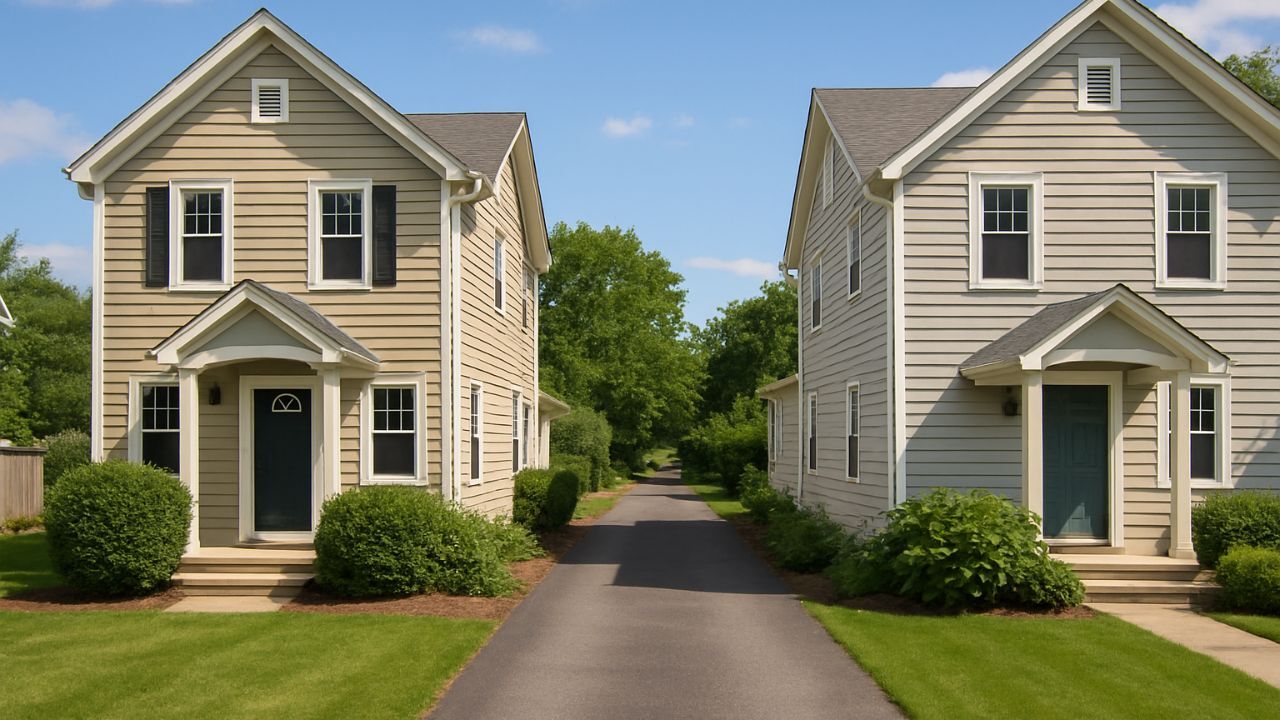 When buying a home, many factors need to be considered, and one that may not always come to mind right away is the driveway. If you’re looking at a property with a shared driveway, it’s important to understand how this shared space can affect your experience as a homeowner. While a shared driveway can be an attractive feature in some situations, it can also present challenges. Here are some tips to keep in mind when buying a home with a shared driveway.
 Renting a home is a good option for some, but buying a home just might be the best thing for you. When you rent a home, you send money to someone else every month in exchange for knowing that you can call on your landlord when the roof leaks, an appliance stops working or your bathroom faucet breaks.