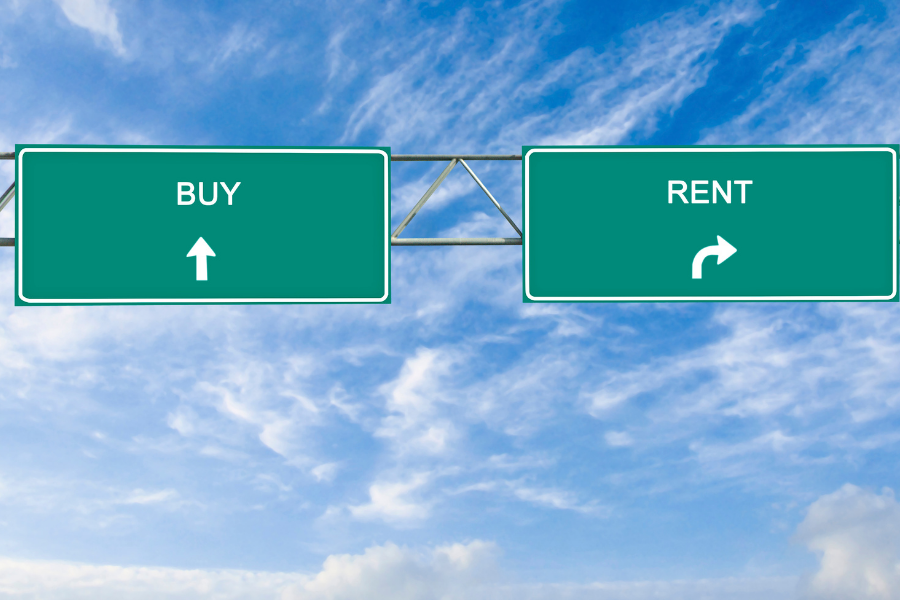
 There are many people who are looking at the housing market wondering if now is the time to make the jump from renting to owning. At the same time, is it more affordable to rent a home? Or, is it a smarter move to buy a home? Even though many people like the comfort of renting because it is someone else’s problem if something goes wrong, waiting too long to purchase a home could be costly. Here are a few of the most important points you need to keep in mind when it comes to renting versus buying a home.
Renters Spend A Higher Percentage Of Their Income On Housing
First, renters usually put a higher percentage of their income toward housing than homeowners. When looking at the numbers, people may believe that the percentage is higher for renters purely because people who own homes make more money; however, this is not necessarily the case. People who rent still spend a greater percentage of their monthly income on housing than people who own a home.
Renters Often Have Trouble Investing In Other Assets
One of the major advantages of owning a home is that it is going to appreciate over time. Not only is a house an investment, but because homeowners spend less of their money on housing, they have money to invest in other assets. For example, someone who spends a lot of money on rent might not be able to invest in retirement accounts, such as a 401k. Homeowners are not only building equity in their homes but also investing money elsewhere.
Rent Goes Up While Mortgages Stay The Same
A lot of homeowners decide to take out a 30-year fixed mortgage, which means that their mortgage payments are going to stay the same throughout the life of the loan. Renters are more vulnerable to cost increases. Whenever someone renews a lease, rent payments usually go up. Therefore, this projects vastly different economic futures for homeowners versus renters. With a home loan, the only expenses that might go up are taxes and insurance. In contrast, renters are subject to the supply and demand laws of the rental market.
Now might be the time to make the jump to homeownership.
 There are many people wondering where the housing market is going next. While interest rates might be low, attracting a lot of buyers, there are some potential homeowners who are concerned about the current demand in the housing market. This could be driving up home prices, causing some people to pause. Furthermore, some people might be hesitant to sell because they are worried they might have a hard time finding a new home in the current market.
 If you are planning on purchasing a home in the near future, you need to make sure you have enough money saved up. While there are a lot of expenses that go along with purchasing a home, the biggest expense is the down payment.
 There are a lot of people who are wondering if now is the right time to move or refinance their current home loan. With interest rates still favorable, a lot of homeowners have the potential to save a lot of money if they are able to secure a home loan with a lower interest rate. There are two ways homeowners can secure a home loan with a lower interest rate. The first is to refinance. The second is to move. Which option is better? There are a few key points to keep in mind.
 There are thousands of people who turn 65 every day, which is the typical retirement age. Before the development of the pandemic, most people had to wait to retire before they could move to their retirement homes. Due to the pandemic, a lot of people are working remotely, giving them a chance to move to their retirement homes before they actually retire. Is it a smart idea to move before retiring? If the next phase of life is calling, now might be a time to make the move to a retirement home, whether this is a home on the beach or a sprawling property located in the countryside.
 With COVID and social distancing keeping people apart, buying a home in person has become a real challenge. Digital tools and online presentations of homes for sale have ramped up in response, making it possible to see properties with both static images/photos and with “360 degree” views or interactive walkthroughs. However, these are not real-time images of the home itself. They are professionally-developed representations of a property, and a lot of software work goes into making those images marketing ready.