Sunrise Homes & Renovations, Inc.

  • Home
  • About
    • About Us
    • Recognition
      • Disaster Contractors Network
      • US EPA Certified
    • Accessibility Statement
  • Example Models
  • Renovations
  • Resources
    • First Time Home Buyer Tips
    • First Time Home Seller Tips
  • Blog
  • Contact

Understanding the Real Estate Terms: Pending vs. Under Contract

June 11, 2024 by Rhonda Costa

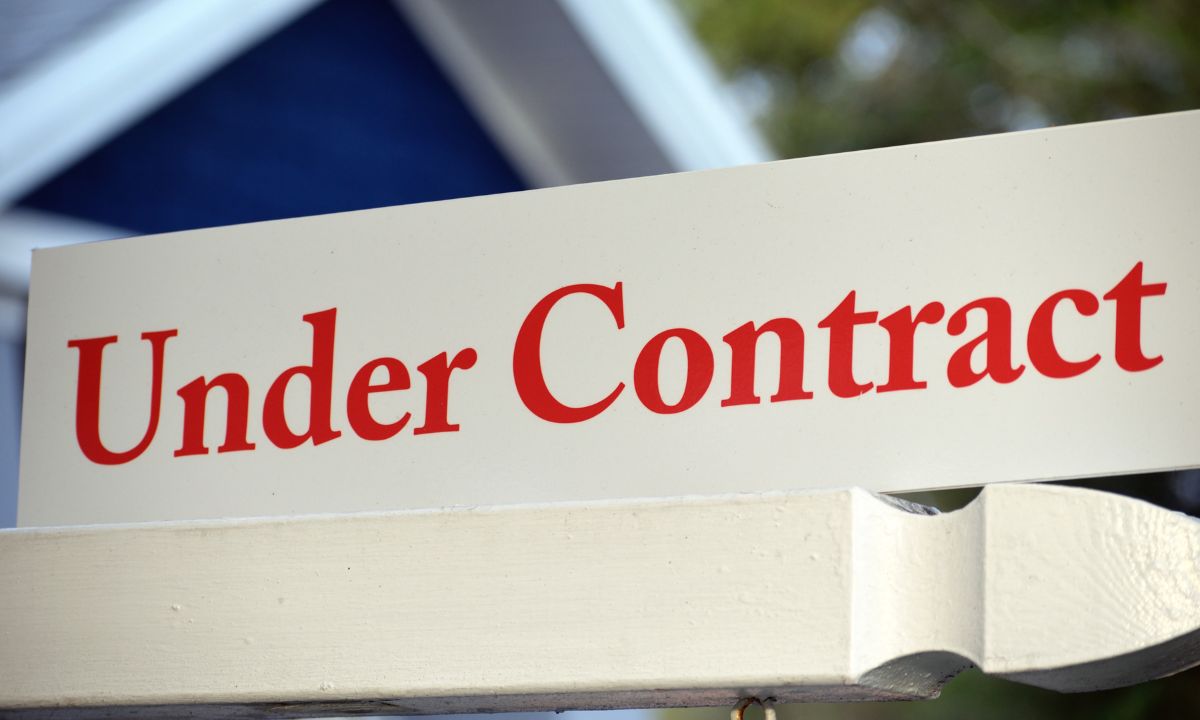
Navigating the real estate market can be challenging, especially with all the industry-specific terms that get tossed around. Two phrases you’re likely to encounter are “pending” and “under contract.” While they might seem similar at first glance, they represent different stages of the home-buying process. Let’s break down what each term means and how they impact your home-buying or selling journey.

What Does “Under Contract” Mean?

When a home is listed as “under contract,” it means that the seller has accepted an offer from a buyer. However, the sale is not yet final. There are still several steps that need to be completed before the deal can close. For instance, the buyer might need to secure financing, complete a home inspection, or fulfill other contingencies specified in the contract.

Key Points About “Under Contract”:

  • Offer Accepted: The seller has agreed to the buyer’s offer.
  • Contingencies: The sale depends on certain conditions being met.
  • Still Active: The property might still be shown to other potential buyers as a backup.

What Does “Pending” Mean?

Once a home is labeled as “pending,” it indicates that all the contingencies have been satisfied, and the sale is moving toward closing. This stage signifies a higher level of certainty that the transaction will be completed, as most of the potential hurdles have been cleared.

Key Points About “Pending”:

  • Contingencies Met: All conditions in the contract have been fulfilled.
  • Final Steps: The sale is nearing completion, typically awaiting final paperwork.
  • Less Active: The property is usually taken off the market and no longer shown to potential buyers.

Transitioning from “Under Contract” to “Pending”

The transition from “under contract” to “pending” involves fulfilling all the conditions laid out in the contract. For example, if the contract requires a home inspection, the sale can only move to pending status once the inspection is completed and any necessary repairs are agreed upon or resolved.

Moreover, the buyer must secure their mortgage financing during this phase. Any issues with financing can revert the status back to active, putting the home back on the market.

Why These Terms Matter to Buyers and Sellers

Understanding these terms can help both buyers and sellers manage their expectations. For buyers, knowing that a home is “under contract” means there’s still a chance to put in a backup offer. For sellers, moving from “under contract” to “pending” is a significant milestone, indicating that they are closer to finalizing the sale.

In summary, “under contract” means an offer has been accepted but there are still hurdles to clear, while “pending” signifies that all contingencies have been met and the sale is nearing completion. By understanding these terms, you can better navigate the real estate market and make informed decisions.
Filed Under: Real Estate Tagged With: Home Buying, Pending Vs Under Contract, Real Estate

What Does “Sale Pending” Mean To Homebuyers?

June 5, 2024 by Rhonda Costa

Navigating the real estate market can be a complex journey, especially with the variety of terms and statuses you encounter during your search for the perfect home. One such term that often confuses homebuyers is “sale pending.” What does it mean when a property is listed as “sale pending,” and how should you approach these listings? Let’s break it down.

What Does “Sale Pending” Mean?

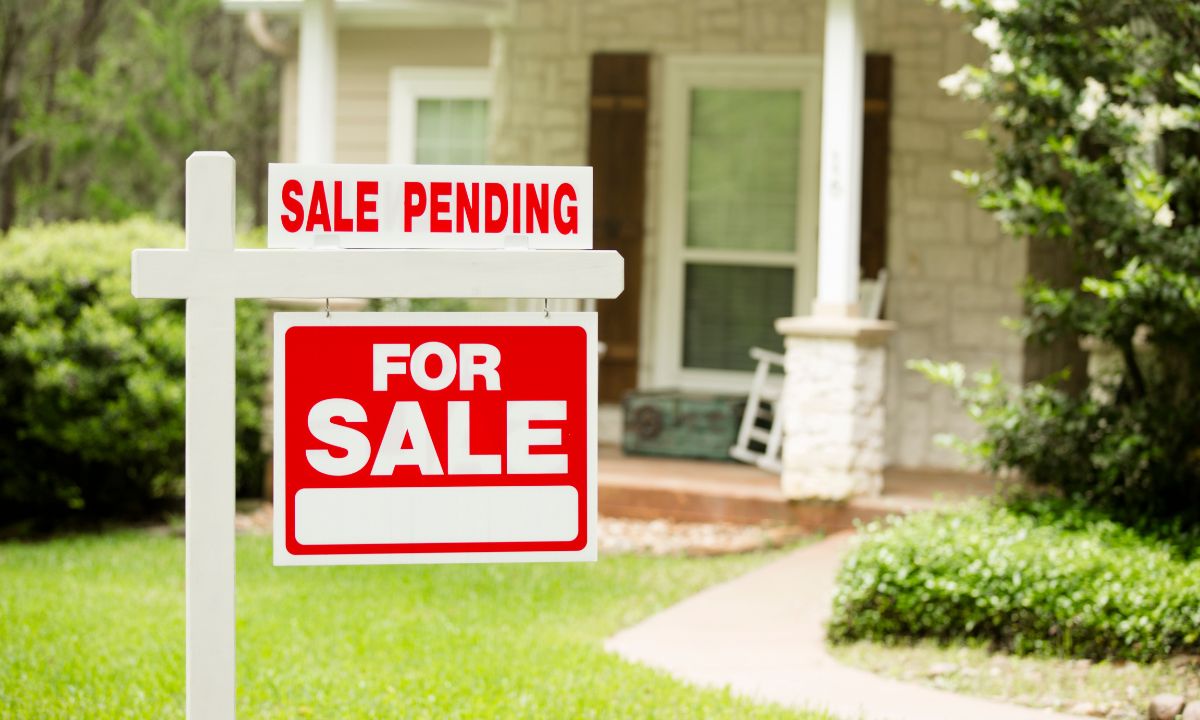
When a property is marked as “sale pending,” it indicates that the seller has accepted an offer from a buyer, and the home is in the process of being sold. However, the sale has not yet been finalized. This status suggests that while both parties are committed to the transaction, certain steps still need to be completed before the sale can be officially closed.

Steps Leading to a Sale Pending Status

Offer Accepted: The seller has agreed to the buyer’s offer, but this is just the beginning.

Contingencies: The sale may be contingent on several factors, such as the buyer securing financing, the home passing inspections, or the buyer selling their current home.

Inspection and Appraisal: The buyer typically arranges for a home inspection and appraisal to ensure the property is in good condition and worth the offer price.

Negotiations: Post-inspection, there might be further negotiations if issues are found that need addressing.

Final Approval: Once all contingencies are satisfied, the sale moves closer to closing.

Can You Still Make an Offer on a Sale Pending Property?

Technically, you can make an offer on a property that is sale pending, but it’s important to understand that the primary contract is already in place. Here’s what you should know:

Backup Offers: Some sellers may accept backup offers. This means that if the current deal falls through, your offer could be next in line.

Limited Leverage: The chances of your offer being considered depend on the likelihood of the existing deal failing, which can be slim.

Persistence Pays: If you are very interested in a sale pending property, communicate your interest to the seller’s agent. If the current sale does not proceed, they may reach out to you.

What Causes a Sale Pending to Fall Through?

While most sale pending transactions proceed to closing, some do not. Common reasons for a deal to fall through include:

Financing Issues: The buyer may not secure the necessary mortgage loan.

Inspection Problems: Significant issues discovered during the inspection could lead to the buyer withdrawing.

Appraisal Discrepancies: If the home appraises for less than the offer amount, financing can be complicated, and renegotiation might fail.

Personal Circumstances: Changes in the buyer’s personal situation, such as job loss or change, can impact their ability to proceed.

Understanding the term “sale pending” can help you navigate the real estate market more effectively. While it indicates a committed transaction, it doesn’t always mean the end of the road for interested buyers. If you find a sale pending property that you love, it’s worth expressing your interest and staying in touch with the seller’s agent. Sometimes persistence and patience pay off, and you could find yourself in the perfect home.

If you have any more questions about real estate terms or need assistance with your home search, feel free to reach out to us.

Filed Under: Real Estate Tagged With: Home Ownership, Real Estate, Sale Pending

Eco-Friendly Homes for a Sustainable Tomorrow

May 29, 2024 by Rhonda Costa

In recent years, the concept of eco-friendly homes has gained significant traction, and for good reason. As awareness of environmental issues grows, more homeowners are seeking ways to minimize their carbon footprint while also reaping the benefits of sustainable living. We will discuss the world of eco-friendly homes, exploring their sustainable features and the potential cost savings they offer. From solar panels to energy-efficient appliances, there’s a plethora of options available to conscientious homeowners looking to make a positive impact on the planet.

The Positives of Eco-Friendly Homes

Reduced Energy Consumption: One of the primary benefits of eco-friendly homes is their reduced energy consumption. Features such as solar panels, energy-efficient appliances, and LED lighting help homeowners minimize their reliance on traditional energy sources, ultimately lowering utility bills and decreasing their carbon footprint.

Improved Indoor Air Quality: Eco-friendly homes often incorporate materials and systems designed to enhance indoor air quality. From low-VOC paints to natural ventilation systems, these features contribute to a healthier living environment, reducing the risk of respiratory problems and allergies.

Long-Term Cost Savings: While the upfront costs of implementing eco-friendly features in a home may be higher than traditional options, the long-term cost savings can be substantial. Energy-efficient appliances, for example, consume less electricity, leading to lower utility bills over time. Additionally, features like rainwater harvesting systems can reduce water expenses in the long run.

Enhanced Resale Value: As the demand for eco-friendly homes continues to rise, properties with sustainable features often command higher resale values. Potential buyers are increasingly prioritizing sustainability, making eco-friendly upgrades a wise investment for homeowners looking to maximize their property’s value.

The Challenges of Eco-Friendly Homes

Higher Initial Costs: One of the main challenges of eco-friendly homes is the higher initial costs associated with implementing sustainable features. From solar panels to green roofing systems, these upgrades often require a significant upfront investment, which can deter some homeowners, particularly those on a tight budget.

Limited Availability of Materials and Technologies: While eco-friendly building materials and technologies are becoming more widely available, they may still be less accessible or more expensive than their conventional counterparts in some regions. This limited availability can pose a challenge for homeowners looking to incorporate sustainable features into their homes.

Maintenance Requirements: Some eco-friendly features, such as green roofs and rainwater harvesting systems, may require additional maintenance compared to traditional options. Regular upkeep is essential to ensure optimal performance and longevity, which can be a consideration for homeowners with busy lifestyles.

Potential Aesthetic Limitations: In some cases, incorporating eco-friendly features into a home’s design may pose aesthetic challenges. For example, solar panels and rainwater barrels may alter the visual appearance of a property, which could be a concern for homeowners who place a premium on curb appeal.

Eco-friendly homes offer a multitude of benefits, from reduced energy consumption to improved indoor air quality. While there are challenges to overcome, such as higher initial costs and maintenance requirements, the long-term advantages far outweigh the drawbacks. By embracing sustainability in home design and construction, homeowners can not only reduce their environmental impact but also enjoy significant cost savings and enhance the value of their properties. In the quest for a greener future, eco-friendly homes are leading the way towards a more sustainable tomorrow.

Filed Under: Real Estate Tagged With: Eco-Friendly Homes, Real Estate, Reduced Energy Consumption

Essential Mortgage Considerations When Looking Into A Second Home

May 23, 2024 by Rhonda Costa

So, you’re considering buying a second home? Whether it’s a cozy cabin in the woods, or a beachfront retreat, the idea of owning a second property is undoubtedly exciting. However, before you get swept away by visions of lazy weekends and family gatherings, it’s crucial to understand the financial implications, especially when it comes to mortgages. Here are some suggestions to help you work through the mortgage considerations when buying a second home.

Assess Your Financial Situation: Before diving into the world of second-home mortgages, take a good look at your finances. Evaluate your income, debts, credit score, and existing mortgage obligations. Lenders will scrutinize these factors to determine your eligibility and the terms of your mortgage.

Down Payment Requirements: Unlike primary residences, second homes typically require a higher down payment. While conventional mortgages for primary homes may require as little as 3% down, expect to put down at least 10-20% for a second home. Some lenders might even require a 25-30% down payment, particularly for investment properties.

Interest Rates and Terms: Interest rates for second-home mortgages can be slightly higher than those for primary residences. Be prepared to shop around and compare rates from different lenders to secure the most favorable terms. Additionally, consider whether a fixed-rate or adjustable-rate mortgage (ARM) aligns better with your financial goals and risk tolerance.

Debt-to-Income Ratio (DTI): Lenders assess your DTI ratio to determine your ability to manage additional mortgage payments. Generally, a DTI ratio of 36% or lower is preferred, although some lenders may allow up to 43%. Keep your DTI ratio in check by paying down existing debts before applying for a second home mortgage.

Rental Income Potential: Planning to rent out your second home when you’re not using it? Factor potential rental income into your mortgage application. Some lenders may consider a portion of your rental income to offset your mortgage expenses, which could improve your debt-to-income ratio and borrowing capacity.

Property Type and Location: Lenders evaluate the type and location of the property when assessing mortgage applications. Factors such as property type (single-family home, condo, vacation home) and location (urban, rural, coastal) can influence the mortgage terms and interest rates. Be prepared to provide detailed information about the property to your lender.

Tax Implications: Owning a second home can have significant tax implications. Mortgage interest on a second home is generally tax-deductible, similar to primary residences, but there may be limitations based on how much time you spend in the property versus renting it out. Consult with a tax advisor to understand the tax implications of owning a second home.

Insurance Requirements: Insuring a second home may entail different considerations than insuring your primary residence. Depending on factors such as location, property type, and usage (personal use vs. rental), you may need additional coverage such as flood insurance or landlord insurance. Factor these costs into your overall budget.

Loan Limits and Jumbo Mortgages: Keep in mind that there are limits to how much you can borrow for a second home mortgage. In some high-cost areas, you may exceed the conventional loan limits, requiring a jumbo mortgage. Jumbo mortgages typically have stricter eligibility requirements and higher interest rates, so be prepared for a more rigorous application process.

Consult with Mortgage Experts: Navigating the complexities of second home mortgages can be daunting. Consider seeking guidance from mortgage brokers or financial advisors who specialize in second-home financing. They can help you explore your options, understand the requirements, and find the best mortgage solution tailored to your needs.

Buying a second home is a significant financial decision, but with careful planning and consideration of these mortgage factors, you can turn your second home dream into a rewarding reality. Take the time to research your options, crunch the numbers, and make an informed decision that aligns with your long-term financial goals.

Filed Under: Real Estate Tagged With: Mortgages, Real Estate, Second Home

Real Estate Agents: Buyer’s vs. Seller’s Agents and Dual Representation

May 15, 2024 by Rhonda Costa

The roles of buyer’s agents and seller’s agents often swirl together in a complex dance of negotiations, contracts, and property evaluations. Understanding the distinctions between these two types of agents is crucial for consumers looking to navigate the labyrinth of buying or selling a home. Moreover, there’s a scenario where one agent might take on both roles, adding another layer of intricacy to the process.
What is a Buyer’s Agent?

A buyer’s agent represents the interests of the buyer in a real estate transaction. They act as advocates for the buyer, assisting them in finding suitable properties, negotiating deals, and guiding them through the purchasing process. Buyer’s agents are committed to securing the best possible deal for their clients, often providing valuable insights into market trends, property values, and neighborhood dynamics.

What is a Seller’s Agent?

Conversely, a seller’s agent, also known as a listing agent, works on behalf of the seller to market and sell their property for the highest possible price. They employ various marketing strategies, such as listing the property on multiple platforms, staging the home for viewings, and conducting open houses. Seller’s agents are adept at evaluating market conditions and setting the right price to attract potential buyers while maximizing the seller’s profits.

When Does One Agent Act as Both?

In some cases, a real estate agent may assume a dual role as both the buyer’s and seller’s agent, representing both parties in a transaction. This scenario, known as dual agency, occurs when the agent’s brokerage represents both the buyer and the seller or when the agent works independently and represents both parties simultaneously.

Pros and Cons of Dual Agency:

Pros:

Streamlined Communication: With a single agent handling both sides of the transaction, communication can be more efficient, reducing the risk of misunderstandings or delays.

Neutral Perspective: A dual agent may offer a balanced perspective, considering the interests of both the buyer and the seller in negotiations.

Simplified Process: A dual agency can simplify the transaction process, as there’s only one point of contact for all parties involved.

Cons:

Conflict of Interest: The primary drawback of dual agency is the potential for conflicts of interest. While the agent is obligated to act in the best interests of both parties, conflicts may arise when negotiating terms or resolving issues.

Limited Advocacy: Dual agents cannot fully advocate for either party, as their loyalty is divided between the buyer and the seller.

Loss of Confidentiality: Information shared with a dual agent may not remain confidential, as they are obligated to disclose relevant details to both parties.

Understanding the roles of buyer’s agents, seller’s agents, and the dual agency is essential for consumers navigating the real estate market. While dual agency offers certain benefits, it’s crucial to weigh the pros and cons carefully before opting for this arrangement. Ultimately, whether you choose separate agents or a dual agent depends on your preferences, comfort level, and the specific circumstances of your transaction. By arming yourself with knowledge, you can confidently navigate the complexities of real estate transactions and make informed decisions that align with your goals.

Filed Under: Real Estate Tagged With: Buyer Agent, Real Estate, Seller Agent

Understanding Closing Costs When Buying a Home

May 14, 2024 by Rhonda Costa

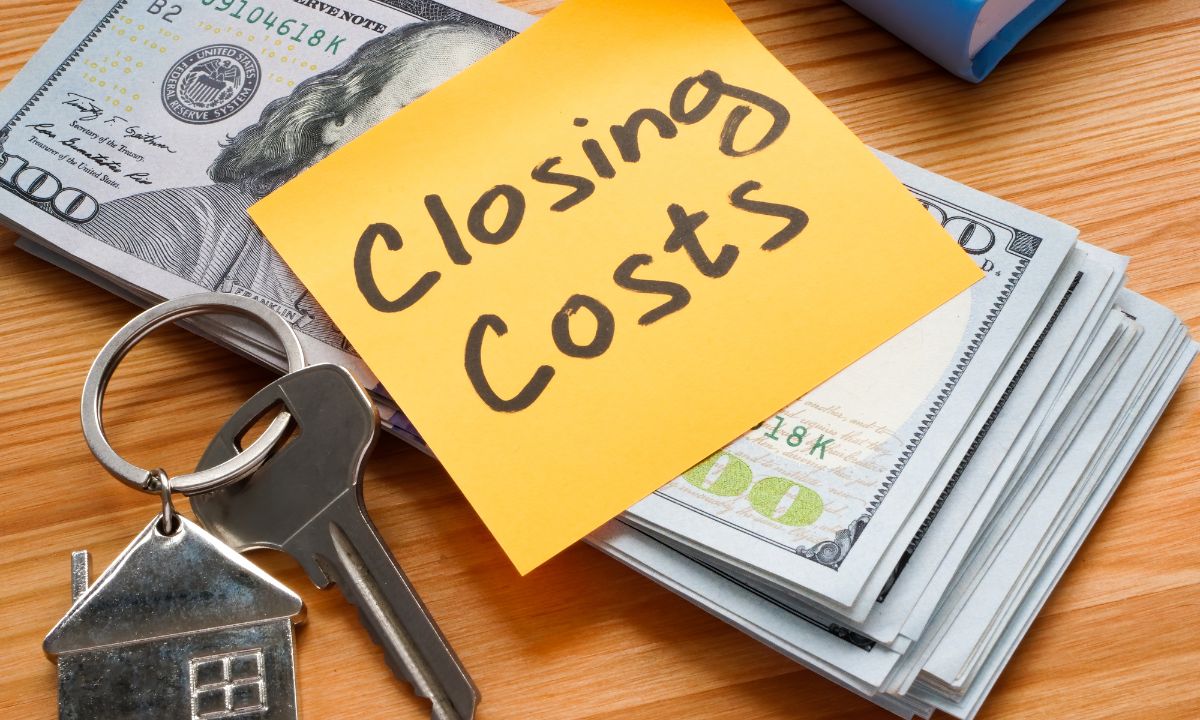
Buying a home is an exciting journey, but it’s not without its twists and turns. One specific daunting aspect for many homebuyers is understanding the sphere of closing costs. These additional expenses can catch even the most prepared buyers off guard if they’re not properly understood. So, let’s discuss the world of closing costs and shed some light on what to expect when purchasing your dream home.

Appraisal Fees: Before finalizing a mortgage, lenders typically require an appraisal to ensure the property’s value aligns with the loan amount. Appraisal fees can vary depending on the size and location of the property but generally range from a few hundred to a thousand dollars. It’s crucial to budget for this expense as it’s a non-negotiable part of the home-buying process.

Title Insurance: Protecting your ownership rights is paramount when purchasing a home. Title insurance safeguards against any issues with the property’s title, such as liens or disputes, that may arise after the purchase. While it might seem like an added expense, the peace of mind it provides is invaluable. Title insurance costs vary but typically amount to around 0.5% to 1% of the home’s purchase price.

Home Inspection Fees: Hiring a qualified home inspector is essential for uncovering any potential issues with the property before closing the deal. While not always mandatory, a home inspection can save you from costly surprises down the road. Inspection fees can range from $300 to $500 on average, depending on the size and complexity of the home.

Closing Agent Fees: A closing agent, often an attorney or a title company representative, facilitates the closing process and ensures all necessary documents are properly executed. Their fees cover administrative tasks, document preparation, and overseeing the closing proceedings. Closing agent fees vary but typically amount to around 1% to 2% of the home’s purchase price.

Property Taxes and Insurance: Depending on when you close on your new home, you may be required to prepay property taxes and homeowners insurance for the upcoming year. These expenses are typically prorated based on the closing date and can add a significant amount to your closing costs.

Origination Fees: Charged by the lender, origination fees cover the cost of processing your mortgage application and underwriting the loan. These fees can vary widely but generally range from 0.5% to 1% of the loan amount. It’s essential to shop around and compare origination fees when selecting a lender to ensure you’re getting the best deal.

Escrow Fees: If you opt to use an escrow service to hold funds and coordinate the closing process, you’ll likely incur escrow fees. These fees cover the cost of managing the escrow account and ensuring all parties fulfill their obligations. Escrow fees typically amount to around 1% of the purchase price but can vary depending on the complexity of the transaction.

Navigating the realm of closing costs can feel overwhelming, but understanding what to expect can help alleviate some of the stress associated with buying a home. By budgeting for these expenses and working closely with your real estate agent and lender, you can approach the closing table with confidence and excitement as you take the next step toward homeownership.

Filed Under: Real Estate Tagged With: Closing Costs, Escow Fees, Real Estate

  • « Previous Page
  • 1
  • …
  • 12
  • 13
  • 14
  • 15
  • 16
  • …
  • 120
  • Next Page »

Rhonda & Steve Costa

Rhonda & Steve Costa

Call (352) 398-6790
Sunrise Homes & Renovations, Inc.

Contractors License #CBC 1254207

Let’s Keep In Touch!

  • This field is for validation purposes and should be left unchanged.

Connect With Us on Social Media

Categories

Looking For Something?

Our Location


Spring Hill, FL 34608

Equal Housing Opp

Return to top of page

Copyright © 2026 Sunrise Homes & Renovations, Inc.. All rights reserved.   Log In