Sunrise Homes & Renovations, Inc.

  • Home
  • About
    • About Us
    • Recognition
      • Disaster Contractors Network
      • US EPA Certified
    • Accessibility Statement
  • Example Models
  • Renovations
  • Resources
    • First Time Home Buyer Tips
    • First Time Home Seller Tips
  • Blog
  • Contact

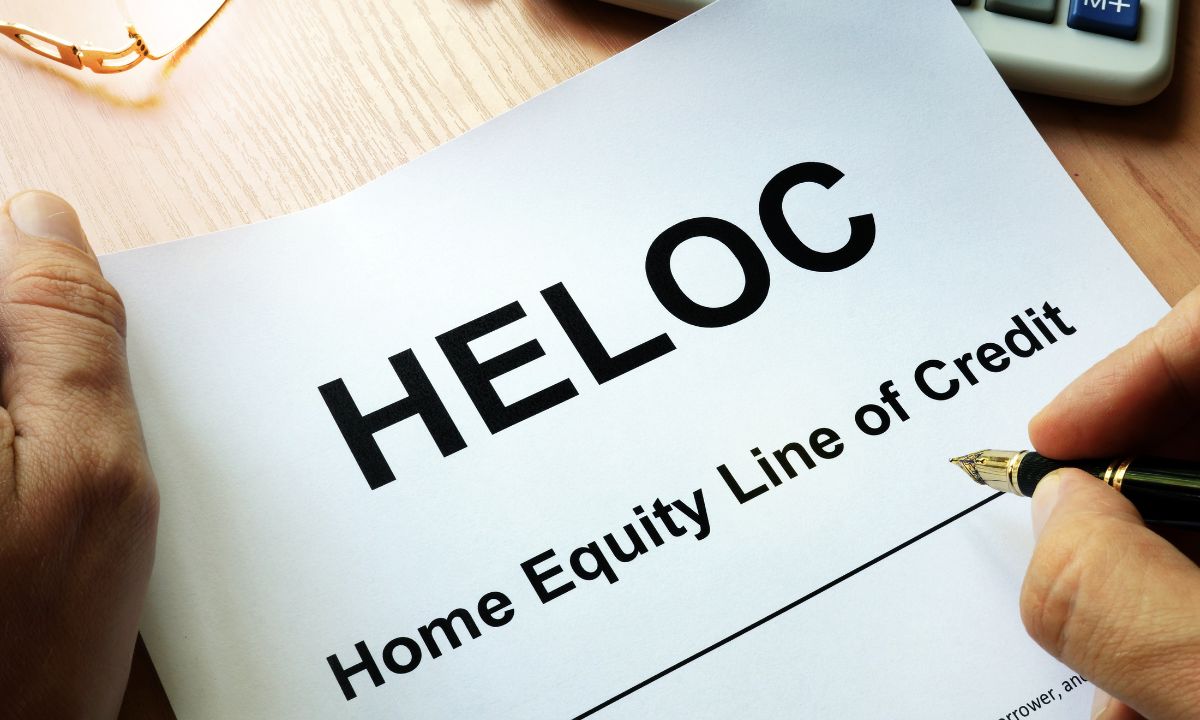
Unlocking Home Equity With Home Equity Loans and HELOCs

April 19, 2024 by Rhonda Costa

Home equity loans and Home Equity Lines of Credit (HELOCs) are two avenues through which homeowners can tap into this valuable asset. Understanding the differences between them is crucial for making informed financial decisions. We will review the intricacies of these financial products, exploring how they work and helping you determine which might be the better fit for your needs.

What is Home Equity?

Before we dive into the specifics of home equity loans and HELOCs, let’s first grasp the concept of home equity. Put simply, home equity is the portion of your property that you truly own—the difference between your home’s market value and the outstanding balance on your mortgage. As you pay down your mortgage or as your home appreciates in value, your equity increases, becoming a valuable asset that you can leverage for various financial needs.

Home Equity Loans:

A home equity loan, also known as a second mortgage, allows homeowners to borrow a lump sum of money using their home equity as collateral. These loans typically come with fixed interest rates and fixed monthly payments over a predetermined term, making budgeting more predictable. Home equity loans are ideal for one-time expenses such as home renovations, debt consolidation, or major purchases.

Key Features of Home Equity Loans:

Lump-sum disbursement: Borrowers receive the entire loan amount upfront.

Fixed interest rates: Rates remain constant throughout the loan term, providing stability in monthly payments.

Predictable payments: Fixed monthly payments make budgeting easier.

Interest may be tax-deductible: In some cases, the interest paid on home equity loans may be tax-deductible, depending on how the funds are used. Consult a tax advisor for details.

HELOCs (Home Equity Lines of Credit):

HELOCs, on the other hand, offer homeowners a revolving line of credit, similar to a credit card, that they can draw from as needed. The credit limit is determined by the equity in the home and other factors. Borrowers can access funds during a specified draw period, typically up to 10 years, and then enter a repayment period where they must repay the outstanding balance with interest.

Key Features of HELOCs:

Revolving line of credit: Borrowers can withdraw funds as needed, up to the credit limit, during the draw period.

Variable interest rates: Interest rates are often tied to an index, such as the prime rate, meaning payments can fluctuate over time.

Flexible borrowing: Borrowers have the flexibility to borrow what they need, when they need it, within the draw period.

Interest-only payments: During the draw period, borrowers may only be required to make interest payments, although paying down the principal is advisable.

Differences and Considerations:

When deciding between a home equity loan and a HELOC, several factors come into play:

Purpose of the loan: If you have a specific, one-time expense, a home equity loan may be more suitable. For ongoing or variable expenses, a HELOC might be preferable.

Interest rates: Home equity loans offer fixed rates, providing stability, while HELOCs feature variable rates, which can lead to fluctuating payments.

Repayment structure: Home equity loans have fixed monthly payments, whereas HELOCs offer more flexibility during the draw period but may require larger payments during the repayment period.

Home equity loans and HELOCs provide homeowners with valuable options for tapping into their home’s equity. Understanding the differences between these financial products is essential for making informed decisions that align with your financial goals and circumstances. Whether you opt for the predictability of a home equity loan or the flexibility of a HELOC, leveraging your home equity wisely can help you achieve your financial objectives while maximizing the value of your most significant asset—your home.

Filed Under: Real Estate Tagged With: HELOC, Home Equity Loan, Real Estate

Exploring the Benefits of Buying a Fixer-Upper

April 18, 2024 by Rhonda Costa

Are you in the market for a new home? Have you considered the allure of a fixer-upper? While the idea of purchasing a home that needs a bit of TLC might seem daunting at first, numerous benefits come with this type of investment. We will plunge into the exciting world of fixer-uppers and uncover why they might just be the perfect choice for you.

Cost-Effectiveness: One of the most significant advantages of buying a fixer-upper is the potential cost savings. Typically, these homes are priced lower than move-in-ready properties, allowing you to purchase a larger or better-located home for the same budget. Additionally, you have the opportunity to increase the home’s value through renovations, ultimately yielding a higher return on investment.

Personalization: With a fixer-upper, you have the chance to create your dream home from the ground up. Instead of settling for someone else’s design choices, you can tailor the renovations to fit your style and preferences. Whether you’re envisioning an open-concept living space, a gourmet kitchen, or a luxurious master suite, the possibilities are endless when you’re starting with a blank canvas.

Building Equity: Renovating a fixer-upper allows you to build equity in your home right from the start. As you invest in upgrades and improvements, you’re increasing the property’s value, which can translate into substantial gains over time. Whether you decide to sell in the future or simply enjoy the added equity, it’s a win-win situation for your financial portfolio.

Learning Experience: Buying a fixer-upper is not just a financial investment; it’s also an opportunity for personal growth and learning. From tackling DIY projects to working with contractors, you’ll gain valuable skills and knowledge along the way. Plus, there’s a sense of pride that comes with knowing you’ve played a hands-on role in transforming your living space.

Community Revitalization: By investing in a fixer-upper, you’re not only improving your own home but also contributing to the revitalization of your community. Renovating an older or neglected property can have a positive ripple effect, inspiring neighbors to invest in their homes and enhancing the overall appeal of the area.

Flexibility: Unlike purchasing a move-in ready home, buying a fixer-upper allows you to take your time with renovations and upgrades. You can prioritize projects based on your budget and timeline, making it easier to manage the financial aspect of homeownership. Plus, you have the freedom to live in the home during renovations or tackle projects gradually as time and resources allow.

While buying a fixer-upper may require a bit more effort upfront, the benefits far outweigh the challenges. From cost savings and personalization to equity building and community impact, investing in a fixer-upper is a decision that can positively impact your life in more ways than one. So why wait? Take the plunge and uncover the hidden treasures awaiting you in the world of fixer-uppers. Your dream home might be closer than you think!

Filed Under: Real Estate Tagged With: Build Equity, Fixer-Upper, Real Estate

Enhancing Home Living: The Intersection of Technology and Real Estate

April 16, 2024 by Rhonda Costa

Technology is no longer limited to just our smartphones and laptops; it’s rapidly infiltrating every aspect of our lives, including the place we call home. The real estate industry is experiencing a significant transformation with the emergence of Smart Homes and the Internet of Things (IoT). These innovations are not just about convenience; they are revolutionizing the way we live, making our homes safer, more efficient, and ultimately more enjoyable.

Welcome to the Future: Smart Homes

Gone are the days when homes were just four walls and a roof. Now, they are becoming smarter, thanks to advancements in technology. Imagine being able to control your lights, thermostat, security cameras, and even your coffee maker from your smartphone. Smart homes offer precisely that level of convenience and control.

One of the most significant advantages of smart home technology is its ability to enhance security. With smart security systems, homeowners can monitor their property in real time, receive alerts about suspicious activity, and even remotely control door locks and cameras. This not only provides peace of mind but also serves as a powerful deterrent to potential intruders.

Efficiency Redefined: The Internet of Things (IoT)

The Internet of Things (IoT) takes smart homes to the next level by connecting various devices and systems to the Internet, allowing them to communicate and share data. This interconnectedness leads to increased efficiency and automation in the home.

For instance, IoT-enabled thermostats can learn your temperature preferences and adjust the settings, accordingly, saving energy and reducing utility bills. Smart appliances, such as refrigerators and washing machines, can optimize their usage based on your habits and preferences, making household chores less burdensome.

Transforming the Real Estate Landscape

The integration of smart home technology and IoT is reshaping the real estate market in profound ways. Homebuyers are increasingly prioritizing smart features when searching for properties, viewing them as valuable investments that offer both convenience and long-term savings.

For sellers, incorporating smart home technology can significantly increase the value of their properties and attract more potential buyers. Additionally, real estate agents are leveraging technology to provide immersive virtual tours and interactive experiences, allowing clients to explore homes from the comfort of their own devices.

Challenges and Considerations

While the benefits of smart homes and IoT are undeniable, there are also challenges and considerations to be aware of. Privacy and security concerns regarding the collection and storage of personal data remain valid issues that need to be addressed. Additionally, there is the potential for compatibility issues between different devices and platforms, which could hinder the seamless integration of smart home systems.

Furthermore, the upfront cost of implementing smart home technology may be prohibitive for some homeowners. However, as the technology becomes more widespread and affordable, we can expect to see greater adoption and integration across all segments of the real estate market.

Embracing the Future

As technology continues to advance at a rapid pace, the intersection of technology and real estate will only become more pronounced. Smart homes and IoT are not just trends; they are the future of home living. By embracing these innovations, homeowners can create safer, more efficient, and more enjoyable living spaces for themselves and their families.

Whether you’re buying, selling, or simply looking to upgrade your current home, consider the possibilities that smart home technology has to offer. From enhanced security and energy efficiency to unparalleled convenience and comfort, the benefits are undeniable. Welcome to the future of real estate – where technology meets home.

Filed Under: Real Estate Tagged With: Real Estate Tips, Smart Homes, Technology

Maximizing Your Profits: A Guide to Utilizing Construction Loans for Fix-and-Flip Projects

April 12, 2024 by Rhonda Costa

Fix-and-flip projects can be lucrative endeavors for real estate investors, but they often require a significant upfront investment. One key financial tool that savvy investors use to fund these projects is a construction loan. We will examine how you can leverage construction loans to maximize your profits in the fix-and-flip game.

Understanding Construction Loans:
A construction loan is a short-term financing option designed specifically for real estate development projects. Unlike traditional mortgages, which are disbursed in a lump sum, construction loans are released in stages as the project progresses. These loans typically have higher interest rates and shorter terms, making them ideal for fix-and-flip scenarios where the goal is to sell the property quickly after renovations.

The Benefits of Construction Loans for Fix-and-Flip:

Quick Access to Capital:
Construction loans provide rapid access to the funds needed for property acquisition and renovation. This speed is crucial in the competitive fix-and-flip market, where time is often of the essence.

Interest-Only Payments:
During the construction phase, you may only need to make interest payments on the loan. This can help ease the financial burden while allowing you to focus on completing the project and preparing the property for sale.

Customizable Loan Terms:
Construction loans offer flexibility in terms of repayment schedules, allowing you to tailor the loan to the specific needs and timeline of your fix-and-flip project.

Higher Loan-to-Cost Ratios:
Many construction loans offer higher loan-to-cost ratios than traditional mortgages, enabling you to finance a larger portion of your project costs. This can free up your capital for additional investment opportunities.

Steps to Successfully Utilize a Construction Loan for Fix-and-Flip:

Thorough Project Planning:
Before applying for a construction loan, develop a detailed project plan that includes a realistic budget, timeline, and scope of work. Lenders will be more likely to approve your loan if they see a well-thought-out plan.

Selecting the Right Lender:
Choose a lender experienced in construction loans for fix-and-flip projects. Look for a lender who understands the dynamics of the real estate market and can provide the support and guidance you need throughout the process.

Applying for the Loan:
Prepare a comprehensive loan application that outlines your project’s details, your experience as an investor, and your financial standing. Be prepared to provide documentation such as project cost estimates, property appraisals, and your credit history.

Effective Project Management:
Once the loan is approved, manage your project efficiently to stay on schedule and within budget. Timely completion of the renovation is crucial to minimizing interest payments and maximizing your potential profit.

Marketing and Sale:
As the project nears completion, focus on effective marketing strategies to attract potential buyers. The goal is to sell the property quickly and repay the construction loan, allowing you to realize your profit.

Utilizing a construction loan for fix-and-flip projects can be a strategic move for real estate investors. By carefully planning your project, selecting the right lender, and managing the construction process effectively, you can leverage construction loans to maximize your profits and achieve success in the competitive fix-and-flip market.

Filed Under: Real Estate Tagged With: Constrcution Loans, Real Estate, Renovation

Essential FAQs for Homebuyers

April 9, 2024 by Rhonda Costa

Join us as we navigate through the common queries that may emerge throughout your mortgage journey. Remember, your quest for homeownership should be illuminated with comprehension and direction. Let’s discuss the primary 4 mortgage inquiries and decode the secrets to unlocking the gateway to your ideal home.

What Sets Fixed-Rate Mortgages Apart from Adjustable-Rate Mortgages (ARMs)?

A fixed-rate mortgage boasts a steady interest rate over the loan period, ensuring consistency in monthly payments. Conversely, an adjustable-rate mortgage (ARM) features a fluctuating interest rate that may shift periodically. While ARMs often commence with lower rates, they can escalate, potentially impacting monthly payments. The choice between them hinges on your inclination towards stability or adaptability to market fluctuations.

How Much Down Payment is Necessary for Home Purchase?

The ideal down payment varies but typically hovers around 20% of the home’s purchase price. Nevertheless, alternatives with lower down payments exist, such as FHA loans requiring down payments as low as 3.5%. A larger down payment frequently translates to more favorable interest rates, yet it’s crucial to strike a balance aligned with your financial circumstances.

Is Prepaying My Mortgage an Option?

Absolutely, most mortgages permit prepayment. Channeling additional payments towards your mortgage principal aids in diminishing the overall interest accrued and shortening the loan duration. Nonetheless, it’s imperative to consult your lender regarding any prepayment penalties or constraints. Certain loans may entail specific terms or conditions concerning prepayments, hence comprehending these particulars empowers you to make prudent financial choices.

What Constitutes Private Mortgage Insurance (PMI), and When is it Mandatory?

Private Mortgage Insurance (PMI) is typically mandated when the down payment falls below 20%. It serves to safeguard the lender in the event of borrower default. Once the equity in the home attains 20%, borrowers may potentially request the elimination of PMI. Certain loans, like FHA loans, adhere to distinct regulations about mortgage insurance, underscoring the importance of acquainting oneself with the specific requisites associated with your loan.

While these FAQs shed light on fundamental mortgage facets, individual circumstances may diverge. It’s advisable to seek counsel from a mortgage expert for tailored guidance suited to your distinct scenario.

Filed Under: Real Estate Tagged With: Home Ownership, Mortgage Options, Real Estate

How Schools Influence Property Values

April 2, 2024 by Rhonda Costa

When you’re in the market for a new home, you’re not just buying a piece of property. You’re investing in a community, its amenities, and its future. One of the most significant factors influencing property values is the quality of nearby schools. Whether you have school-aged children or not, the impact of schools on property values is undeniable. Let’s delve into how schools influence property values and what it means for prospective homebuyers.

Quality of Education: High-performing schools tend to attract families seeking the best educational opportunities for their children. Homebuyers are often willing to pay a premium to reside in areas with top-rated schools. This demand can drive up property values significantly. Conversely, areas with underperforming schools may experience stagnant or declining property values as families opt for neighborhoods with better educational options.

Desirability and Demand: Proximity to good schools increases the desirability of a neighborhood. Families prioritize access to quality education when choosing where to live. As a result, homes located within the boundaries of top-performing schools are in high demand. This heightened demand can lead to bidding wars and higher selling prices, benefiting homeowners in those areas.

Stability and Investment Potential: Communities with strong school systems often exhibit greater stability in property values over time. Well-funded schools and active parental involvement contribute to a sense of community pride and investment. Homeowners are more likely to maintain their properties and invest in home improvements, further enhancing the appeal of the neighborhood.

Resale Value: When it comes time to sell your home, the quality of nearby schools becomes a crucial selling point. A home located in a sought-after school district is more likely to attract potential buyers and command a higher resale price. Even buyers without children recognize the value of purchasing a home in an area with excellent schools due to its long-term investment potential.

Considerations Beyond Rankings: While school rankings and test scores are important indicators of educational quality, they don’t tell the whole story. Factors such as teacher-to-student ratios, extracurricular activities, and support services for students with diverse needs also contribute to the overall appeal of a school district.

Future Trends and Planning: It’s essential to consider not only the current state of nearby schools but also future trends and developments. Keep an eye on planned school expansions, redistricting efforts, and changes in educational policies that could impact property values in the long term.

The impact of schools on property values cannot be overstated. Whether you’re a first-time homebuyer, an empty-nester, or an investor, understanding the relationship between schools and property values is crucial for making informed real estate decisions. Before purchasing a home, research local schools, attend community meetings, and consult with real estate professionals to gain insights into how schools influence property values in your target area. Remember, buying a home is not just about finding the perfect property—it’s about investing in a community and its future.

Filed Under: Real Estate Tagged With: Nearby Schools, Neighborhood, Real Estate

  • « Previous Page
  • 1
  • …
  • 14
  • 15
  • 16
  • 17
  • 18
  • …
  • 120
  • Next Page »

Rhonda & Steve Costa

Rhonda & Steve Costa

Call (352) 398-6790
Sunrise Homes & Renovations, Inc.

Contractors License #CBC 1254207

Let’s Keep In Touch!

  • This field is for validation purposes and should be left unchanged.

Connect With Us on Social Media

Categories

Looking For Something?

Our Location


Spring Hill, FL 34608

Equal Housing Opp

Return to top of page

Copyright © 2026 Sunrise Homes & Renovations, Inc.. All rights reserved.   Log In