 Home renovations can be an effective way to protect your home and family from natural hazards. Start by identifying the potential hazards in your area. This can include natural disasters such as earthquakes, hurricanes, floods, wildfires, and tornadoes, as well as man-made hazards such as gas leaks and fires. Once you’ve identified the potential hazards in your area, create a plan for how you will respond to them and prepare your home to take on these natural disasters and keep your home and family safe.
Here are some ways home renovations can help protect you:
Reinforce Your Home’s Structure: One of the most important aspects of protecting your home from natural disasters is ensuring that its structure is strong and stable. You can reinforce your home’s structure by adding earthquake-resistant materials, hurricane straps, and reinforced roofing systems.
Install Storm Windows and Doors: Installing storm windows and doors can help protect your home from strong winds and flying debris during hurricanes, tornadoes, and other severe weather events.
Elevate Your Home: If you live in a flood-prone area, elevating your home can help protect it from flood damage. This can involve raising your home on stilts or piers or building a higher foundation.
Install a Backup Power Source: In areas where power outages are common during severe weather events, installing a backup power source such as a generator can help ensure that your home stays powered and comfortable.
Install a Sump Pump: If your home is at risk of flooding, installing a sump pump can help remove excess water and prevent water damage.
Install Fire-Resistant Materials: If you live in an area prone to wildfires, installing fire-resistant materials such as non-combustible roofing materials, siding, and decks can help protect your home from fire damage.
Overall, home renovations can be a worthwhile investment in protecting your home and family from natural hazards. It’s important to work with a licensed contractor and follow local building codes and regulations to ensure that your renovations are safe and effective.
 The week following the FOMC rate decision meetings are typically very light, with the two most influential releases being the University of Michigan Consumer Sentiment and the weekly Job Claims reports. The more positive news is mortgage lending rates have been on the decline in the last two weeks.
 The most important data of the quarter was released, signaling the direction for many markets and where economic policy may be headed. Jerome Powell as well as other members of the Federal Reserve spoke about the state of economic policy, informing many parties about their decisions to remain hawkish or dovish in their approach. Further rate hikes could tell a story that inflation is not yet under control and the Federal Reserve feels the need to continue these rate hikes, which will have a significant impact on the lending markets as a whole.
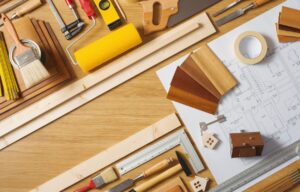 When it comes to home improvements, many homeowners are opting for the do-it-yourself (DIY) approach. DIY home improvements not only allow you to save money but also provide a sense of accomplishment and personalization. Whether you’re fixing a leaky faucet or renovating an entire room, taking on home improvement projects can have numerous benefits that extend beyond physical transformation.
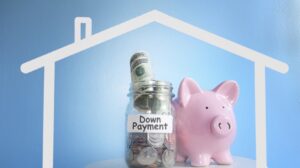 When it comes to purchasing a home, one of the most significant financial decisions you’ll make is how much to put down as a down payment. Your down payment not only affects the amount you need to borrow but also plays a vital role in determining your mortgage interest rate and overall financial stability. Here are crucial tips to keep in mind when making a down payment for a home:
 When it comes to selling a house, homeowners have different options available to them. One approach that some sellers consider is selling their house “as-is.” This means selling the property in its current condition without making any repairs or renovations.