 Congratulations! You have closed on your new home! After weeks (or even months) of searching, negotiating, and signing paperwork, you finally have the keys in hand. But before you kick back and start decorating, there are a few essential steps to take to protect your investment and make the transition as smooth as possible.
Here’s a checklist of important things to do after closing on your home:
- Change the Locks and Update Security
You never know who might still have a key to your home, previous owners, contractors, or even neighbors. One of the first things you should do is change the locks or rekey all exterior doors. This is also a great time to consider installing a smart lock, security cameras, or a full home security system to give you peace of mind. - Store Your Closing Documents Safely
Your closing documents include vital information such as your deed, title insurance, mortgage paperwork, and property disclosures. Keep both a physical and digital copy in a safe place, such as a fireproof box or secure cloud storage. These documents are crucial for tax purposes and future resale. - Set Up Utilities and Services
Make sure all your utilities, electricity, gas, water, trash, and internet, are transferred into your name and fully functional. It’s also a good time to set up any services like lawn care, pest control, or pool maintenance if applicable. - Inspect and Familiarize Yourself With Your Home
Take time to do a full walkthrough and inspect the property again now that it’s officially yours. Locate key components like the main water shut-off valve, electrical panel, HVAC system, and any warranties left behind by the previous owner. Knowing how everything works now can save you from stress later. - Start a Home Maintenance Plan
Your home will need regular upkeep to stay in top condition. Create a seasonal maintenance checklist to help keep track of tasks like cleaning gutters, changing HVAC filters, and servicing appliances. A little prevention goes a long way toward avoiding expensive repairs down the road. - Update Your Address
Be sure to update your address with the post office, banks, insurance providers, credit cards, your employer, and any subscription services. You’ll also need to update your driver’s license and voter registration. - Meet the Neighbors
Introducing yourself to neighbors can help you feel more settled and even gain helpful information about the neighborhood. Whether it’s a wave across the driveway or a quick chat, building community from the start creates a stronger connection to your new home. - Celebrate Your New Home
You’ve worked hard to get here, take a moment to celebrate this major milestone! Whether it’s a small dinner with loved ones or a housewarming party, enjoy the space you now call home.
Closing day isn’t the end of the journey, it’s the beginning of a new chapter. Taking these steps early will set you up for long-term success, comfort, and security in your new home.
 A spacious yard is one of the most desirable features for many homebuyers. It offers room for children to play, space for entertainment, and plenty of opportunities to create your own outdoor retreat. However, a larger yard also comes with ongoing responsibilities that are easy to overlook during the excitement of purchasing a home.
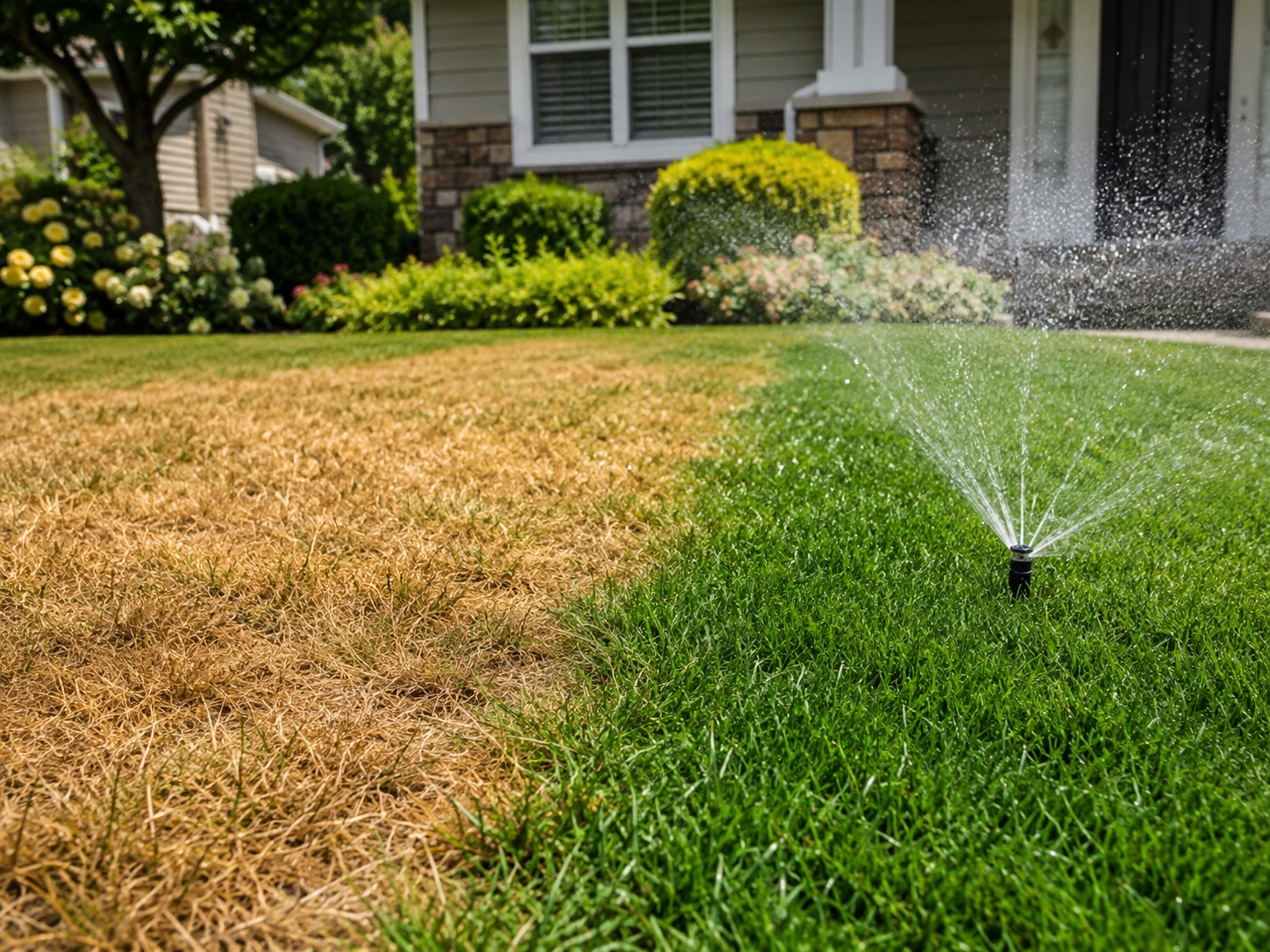 A healthy green lawn can quickly turn brown during the hot summer months. While extreme heat is often blamed, it’s not always the only reason your grass may start to lose its color.
 Every home has features that create an immediate reaction. A dramatic staircase, huge yard, open shelving, long driveway, pool, loft, fireplace, or oversized soaking tub can make a buyer fall in love quickly. But some features that feel exciting during a showing can become annoying after move in. The difference is usually maintenance, practicality, and how often you actually use the feature.
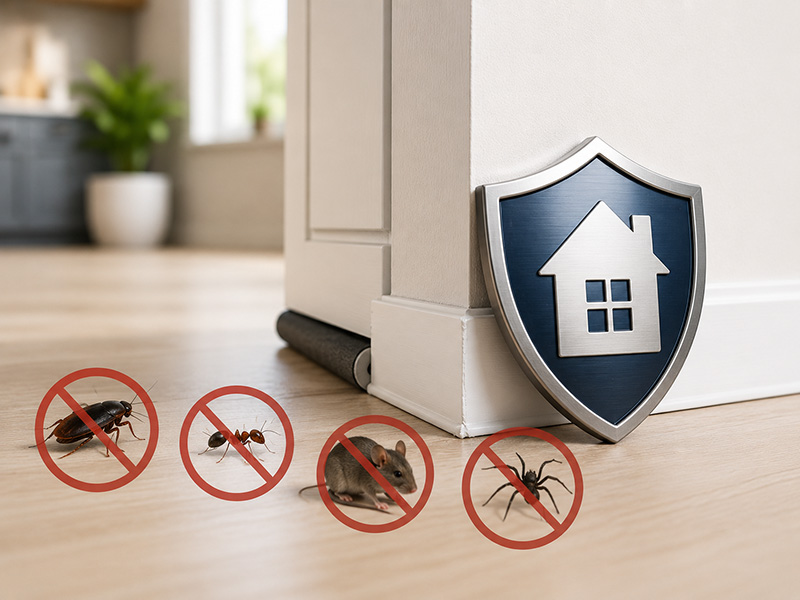 No one thinks about pests…until they suddenly have them. And by that point? It’s usually more expensive, more stressful, and way harder to deal with than it needed to be.
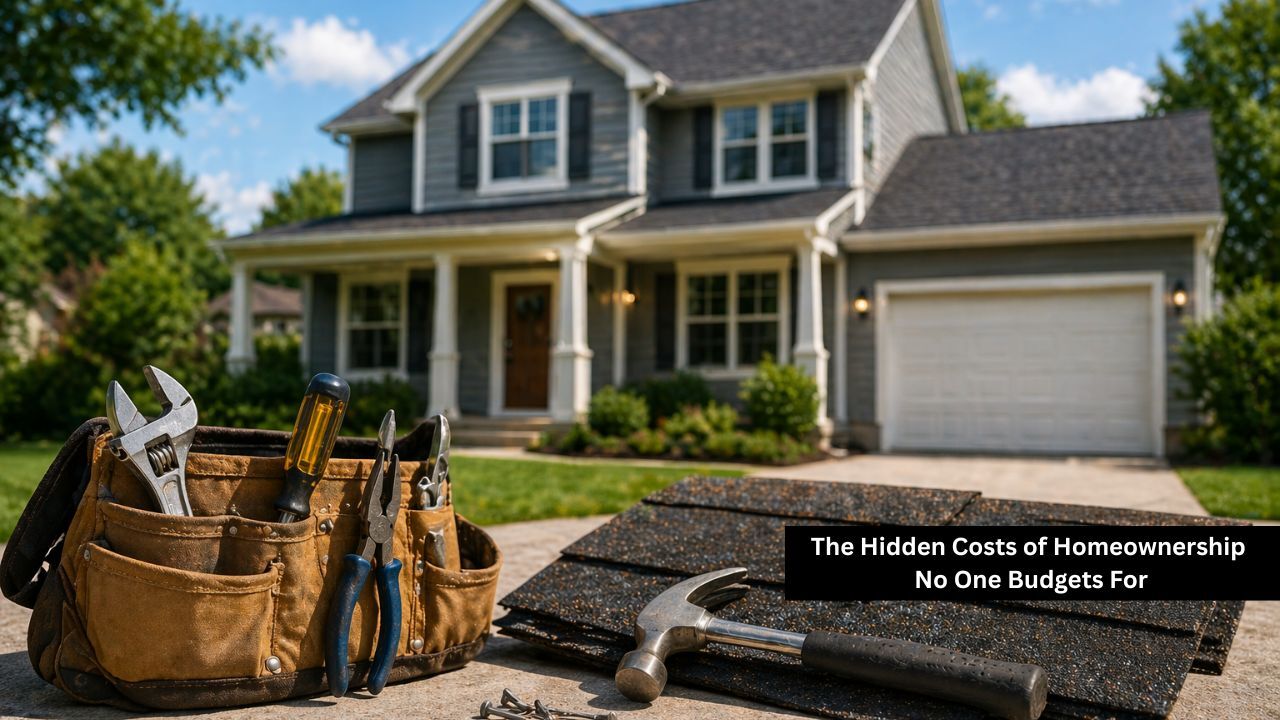 When most people think about buying a home, they focus on the monthly mortgage payment. While that is an important number, it is only part of the full financial picture.