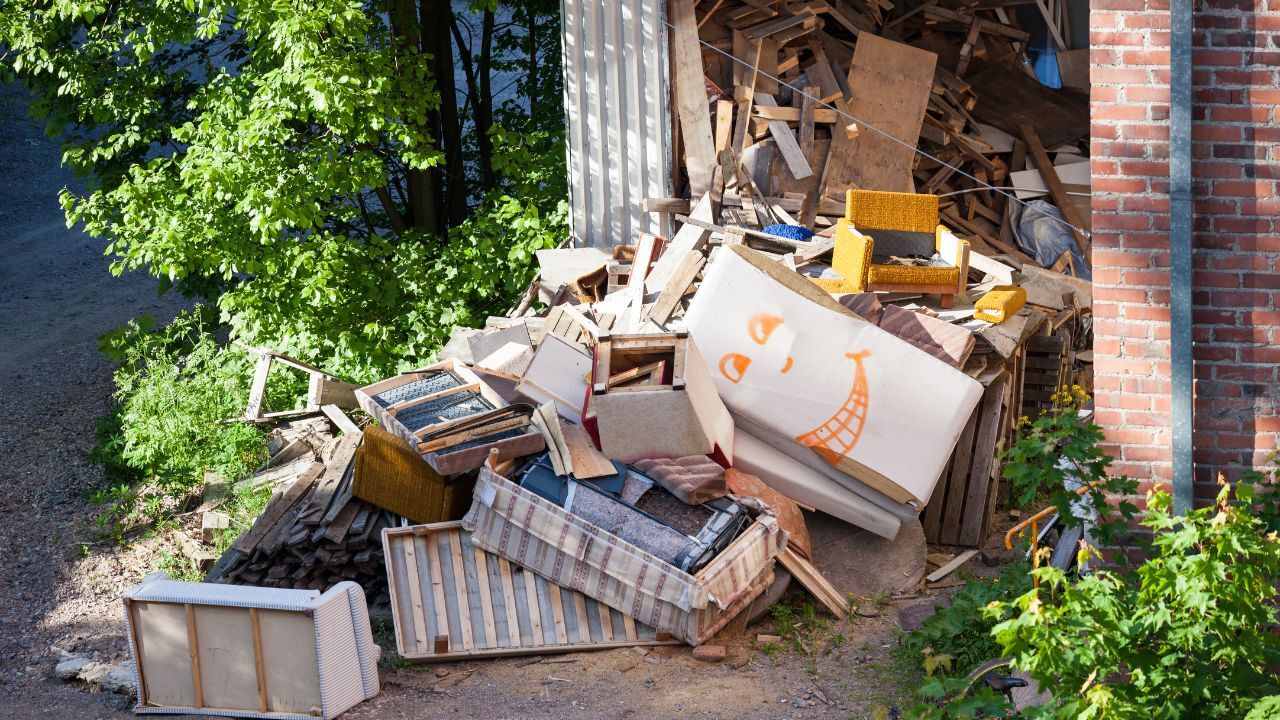
 When you’re preparing to sell your home, you likely focus on everything within your property line, cluttering, staging, repainting, and boosting curb appeal. But what if the one thing standing between you and a solid offer is not your house at all?
It might be your neighbor.
From overgrown yards and peeling paint to broken-down vehicles and loud pets, a messy or unkempt neighboring property can have a major impact on your sale when buyers are forming their first impressions before they even walk in your door.
First Impressions Extend Beyond the Property Line
Real estate is emotional. Buyers don’t just purchase a house, they are buying into a lifestyle, a feeling, a neighborhood. If the home next door looks like a haunted fixer-upper, or the yard resembles a junkyard, that sense of “home sweet home” can evaporate in seconds.
In fact, multiple surveys show that poor neighboring property conditions can decrease a home’s value by 5–10% or more. That could mean losing tens of thousands of dollars or even struggling to sell at all.
What Can Sellers Do About It?
Legally, your options are a little limited, but you are not powerless. Here are a few steps you can take:
- Have a Friendly Conversation
Start by speaking directly (and politely) with your neighbor. They may not realize the impact their property is having or that you are trying to sell. Offer to help or even pitch in on a few minor fixes if you’re comfortable. A simple gesture could go a long way. - Check HOA or Local Ordinances
If you’re in a neighborhood with an HOA, there may be appearance rules your neighbor is already violating. If not, many cities have municipal codes related to property upkeep, especially regarding trash, vehicles, or overgrown landscaping.File a complaint with code enforcement if the problem is severe. It may take time, but an official notice can prompt action.
- Add Visual Buffers
Strategic landscaping on your side, like tall shrubs, trees, or fencing can help block unappealing views and improve your home’s aesthetic from the street. - Disclose Honestly, But Frame Positively
If a buyer asks, be honest, but also highlight the positive aspects of the area. “That home has not been updated, but the rest of the block is quiet and well-maintained,” or “The city has a strong code enforcement policy,” can keep things balanced. - Lean on Your Real Estate Agent
A seasoned agent knows how to shift focus to your home’s strengths and market your property strategically, even with a few neighborly eyesores nearby.
You cannot control your neighbors, but you can control your strategy. Do not let someone else’s mess impact your home’s value. With the right steps and a proactive approach, we can still get your home sold, and sold well.
Ready to list smart? Let’s chat and make sure your entire sale is picture-perfect.
 What Is a Power of Attorney in Real Estate?
 What Is a Lease-Option Agreement?
 A fireplace is often considered a symbol of comfort, warmth, and charm in a home. While it may seem like a luxury feature, buying a home with a fireplace can bring numerous advantages that go beyond just providing a cozy ambiance. Whether you’re looking for a functional addition or a way to increase your home’s value, a fireplace can offer both.
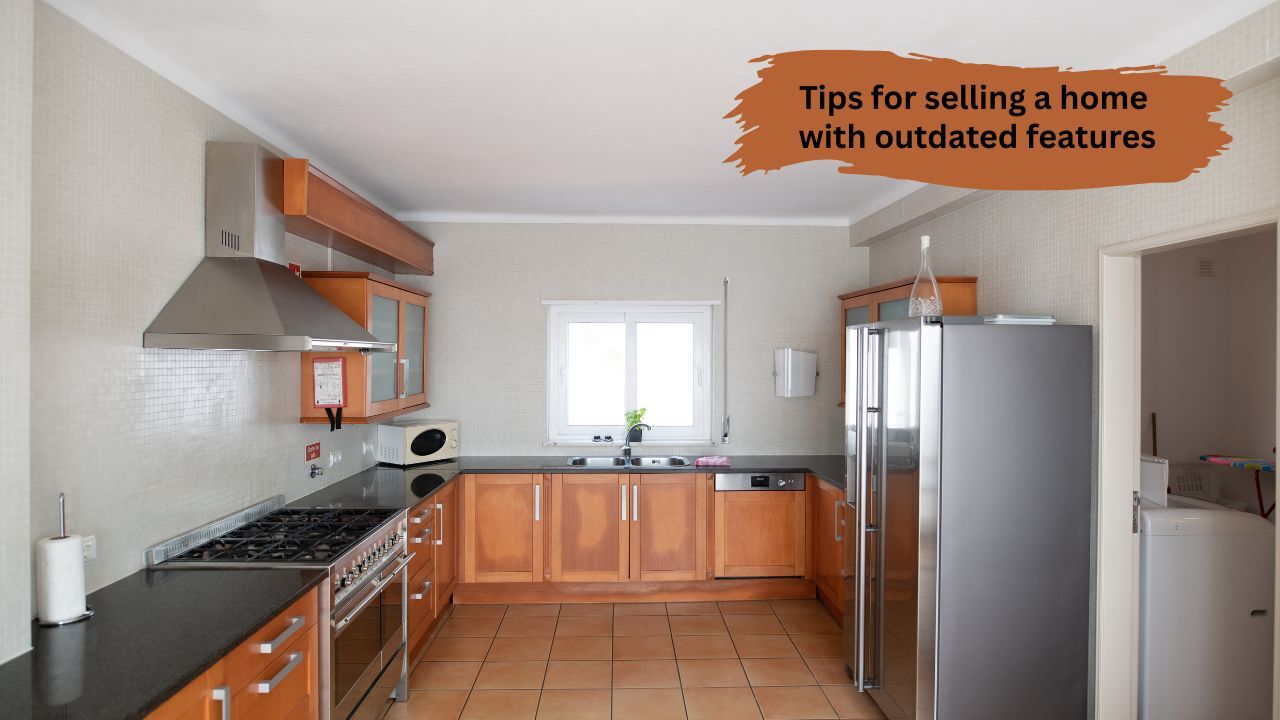 Selling a home with outdated features can be a challenge, but it’s far from impossible. Whether your kitchen hasn’t been updated in decades, or your bathrooms still have that retro charm, buyers today are looking for modern, move-in-ready spaces. However, with the right strategy and a few smart improvements, you can make your home more appealing to potential buyers and get the best possible price.
 In a competitive real estate market, buyers may feel pressured to make their offers more attractive by waiving contingencies—especially the home inspection. While skipping a home inspection might seem like a way to speed up the buying process or make an offer stand out, it can be a costly mistake with long-term consequences. Here’s why a home inspection should always be part of your home-buying process, no matter how competitive the market is.