
Sunrise Homes & Renovations, Inc.

  • Home
  • About
    • About Us
    • Recognition
      • Disaster Contractors Network
      • US EPA Certified
    • Accessibility Statement
  • Example Models
  • Renovations
  • Resources
    • First Time Home Buyer Tips
    • First Time Home Seller Tips
  • Blog
  • Contact

Understanding the Risks of Buying a Home With a History of Termite Infestation

February 26, 2025 by Rhonda Costa

Buying a home is one of the biggest investments you’ll ever make, and discovering that a property has a history of termite infestation can be a major red flag. However, this doesn’t always mean you should walk away. Understanding the risks, potential costs, and ways to protect yourself can help you make an informed decision.

What Are the Risks?

  1. Structural Damage: Termites feed on wood, and if an infestation went undetected for a long time, it could lead to significant structural issues. Damage to load-bearing beams, flooring, and walls can compromise the integrity of the home.
  2. Recurring Infestations: Even if a previous infestation has been treated, there’s always a risk of termites returning, especially if the root cause (such as moisture or untreated wood) hasn’t been addressed.
  3. Costly Repairs: Depending on the extent of the damage, repairs can be expensive. Replacing structural elements, flooring, and even drywall can add thousands of dollars to your budget.
  4. Insurance Challenges: Homeowners insurance typically does not cover termite damage, considering it a maintenance issue rather than a sudden event. This means any future damage would likely be an out-of-pocket expense.
  5. Resale Concerns: A history of termite infestation can make a home more difficult to sell in the future, as buyers may hesitate or demand additional inspections and repairs before closing.

How to Protect Yourself as a Buyer

  • Get a Termite Inspection: A standard home inspection may not be enough to detect past or present termite damage. Hiring a licensed pest control specialist for a termite-specific inspection is crucial.
  • Review Past Treatment Records: If the home has been treated for termites, ask for documentation of the treatment, including when it was done, what methods were used, and if there’s an active termite bond (warranty or service agreement).
  • Assess the Damage and Repairs: If termites caused structural damage, request repair records or hire a contractor to evaluate the extent of the repairs. If necessary, negotiate with the seller to cover some or all of the costs.
  • Consider a Termite Bond: Some pest control companies offer termite bonds, which act as a service agreement to provide ongoing inspections and treatment if needed. This can offer peace of mind and financial protection.
  • Negotiate the Price: If you’re still interested in the home but concerned about past infestations, you may be able to negotiate a lower purchase price to account for potential risks or upcoming maintenance.

Buying a home with a history of termite infestation comes with risks, but it doesn’t have to be a dealbreaker. By conducting thorough inspections, reviewing past treatments, and negotiating smartly, you can make an informed decision. If you’re unsure, working with a knowledgeable real estate agent can help guide you through the process and ensure you protect your investment.

Filed Under: Home Buyer Tips Tagged With: Home Buying, Protect Your Investment, Real Estate Tips

Understanding the Process of Selling a Home Through a Lease-Purchase Agreement

February 25, 2025 by Rhonda Costa

Selling a home through a lease-purchase agreement can be a great option for both buyers and sellers, offering flexibility and potential financial benefits. Whether you’re a homeowner looking for alternative selling strategies or a buyer who needs time to secure financing, understanding how this process works is key.

What Is a Lease-Purchase Agreement?

A lease-purchase agreement, also known as a rent-to-own contract, allows a tenant to lease a home with the option to purchase it at a later date. Unlike a standard rental agreement, a portion of the tenant’s monthly rent may go toward the future purchase of the home, helping them build equity while they rent.

How Does It Work?

  1. Agreement Terms: The buyer and seller agree on the purchase price and the length of the lease period, typically ranging from one to three years.
  2. Option Fee: The tenant-buyer usually pays an upfront option fee (often 1% to 5% of the purchase price), which secures their right to purchase the home. This fee may be credited toward the down payment.
  3. Monthly Payments: The tenant pays rent, and a portion of that payment may be set aside as a credit toward the purchase.
  4. Final Purchase: At the end of the lease term, the tenant can exercise their option to buy. If they qualify for financing, the sale moves forward just like a traditional real estate transaction. If they decide not to buy, they may forfeit the option fee and any rent credits.

Benefits for Sellers

  • Larger Buyer Pool: Lease-purchase agreements attract buyers who may not currently qualify for a mortgage but are working toward homeownership.
  • Steady Income: Sellers continue to receive rental payments while securing a potential sale.
  • Higher Sale Price: Because the sale price is often set in advance, sellers may benefit if the home’s value appreciates during the lease period.
  • Lower Vacancy and Maintenance Risks: Tenants in lease-purchase agreements often treat the home as their own, reducing property maintenance concerns.

Benefits for Buyers

  • Time to Improve Credit or Finances: Buyers who need time to boost their credit score or save for a down payment can work toward homeownership without losing their preferred property.
  • Equity Building: Monthly rent credits contribute to the down payment, helping tenants build equity while they lease.
  • Locked-In Price: The purchase price is agreed upon at the beginning, which can be beneficial if home values rise.

Things to Consider

While lease-purchase agreements can be beneficial, they also come with risks. Sellers should work with a real estate professional to ensure the contract is structured properly and legally binding. Buyers should fully understand the terms and be confident in their ability to secure financing when the lease ends.

A lease-purchase agreement can be a win-win solution, allowing sellers to secure a future sale while giving buyers the opportunity to work toward homeownership. However, like any real estate transaction, it’s important to have clear terms and legal protections in place. Consulting with a real estate agent and an attorney can help both parties navigate the process successfully.

Filed Under: Home Buyer Tips Tagged With: Lease Purchase, Real Estate Tips, Rent To Own

Common Places to Find Tax Deductions in Your Home

February 13, 2025 by Rhonda Costa

Paying your income taxes each year leaves your wallet a bit thin? There may be money hiding in your home that lessens your tax burden. Here are four places to look:

1. Home-Office Deduction

If you work from home, you could qualify for a home-office deduction. Taking the deduction can be a bit complicated; so many people who qualify don’t claim the exemption. An estimated 26 million Americans have home offices, but only 3.4 million claim them on their tax return. Perhaps that’s why the Internal Revenue Service attempted to simplify the process in 2013. The write-off takes into account depreciation, utilities, insurance, the amount of square footage dedicated for office space, whether you host clients at your house and other factors. Because the parameters involved in filing a home-office exemption are rather complicated, it’s best to keep all business-related receipts, records of client meetings and other pertinent information to make things easier when you prepare your return.

2. Casualty Loss

Damage to your home from an act of God or a theft or burglary may qualify you for an income tax exemption. To qualify for the write-off, the causality loss must meet the “sudden event test.” That means it must be sudden, unpredictable, have involved some natural force and occur in a single instance. To claim thefts and burglaries, you must be able to prove that a wrongdoing has actually occurred. It can’t just be a case of a lost item that you suspect was stolen. Proof can come in the form of witness statements, police reports or newspaper accounts.

3. Energy Efficiency Upgrades And Repairs

Upgrading your home with energy efficient improvements can qualify you for a tax deduction. New roofs, insulation, windows, doors, and a number of additional items qualify for the deduction. The deductions let homeowners claim 10 percent of the total bill for energy efficient materials. The maximum credit is $500.

4. Real Estate Taxes And Newly Purchased Homes

New homeowners should look at their settlement statement a bit closer. If the previous owner prepaid property taxes that cover any of the time you owned the home, you can include the prepaid taxes in your property tax deduction. Don’t pay more than you have to when you file your taxes each April. Consider these commonly overlooked deductions that can lessen the amount you have to pay.


Filed Under: Taxes Tagged With: Home Savings, Real Estate Tips, Tax Deductions

Winning the Bid in a Competitive Real Estate Market

February 7, 2025 by Rhonda Costa

In today’s competitive real estate market, bidding wars have become an all-too-common occurrence. As more buyers seek limited inventory, properties often receive multiple offers, creating a challenging and sometimes stressful environment. However, with the right strategies in place, you can navigate these bidding wars effectively and secure your dream home. Here are key strategies to help you stand out and win in a competitive market.
1. Get Pre-Approved for a Mortgage

One of the most important steps in a bidding war is ensuring your financial readiness. Sellers are more likely to consider offers from buyers who have been pre-approved for a mortgage. Pre-approval demonstrates to the seller that you are a serious, qualified buyer who can close the deal quickly. It also gives you a clear understanding of how much you can afford, which helps you set a realistic budget.

If you’re pre-approved, include a copy of your pre-approval letter with your offer. This shows the seller that you have the necessary financial backing to complete the purchase, which can make your offer stand out.

2. Make a Strong Initial Offer

In a competitive market, it’s often crucial to start with your best offer. While there’s a temptation to underbid and leave room for negotiation, this strategy can backfire when other buyers are willing to offer full price or more. Work with your real estate agent to research comparable properties in the area and determine a fair market price, then consider offering a bit more than asking price to increase your chances of standing out.

If the property is particularly desirable or in a hot location, offering above the asking price can help your offer grab attention. A well-priced, competitive offer will show the seller that you’re serious and committed.

3. Be Flexible with Terms

Sellers often prefer buyers who offer flexible terms that make the transaction smoother. Consider offering to accommodate the seller’s preferred closing date or a rent-back option, where the seller can stay in the home for a short period after closing. This flexibility can be a huge advantage in a bidding war, especially if the seller is juggling other personal or financial obligations.

In some cases, agreeing to waive certain contingencies—like the inspection contingency—can make your offer more appealing. However, only consider waiving contingencies if you’re comfortable with the risks involved, as this can sometimes leave you exposed to unforeseen issues with the property.

4. Write a Personal Letter

A personal letter to the seller can sometimes make all the difference in a bidding war. Sellers are often emotionally attached to their homes, and a heartfelt letter that explains why you love the property and how you envision your future there can create a connection. This human element can set your offer apart from others, especially if you’re competing with buyers who make offers based solely on price.

Keep the letter respectful, personal, and sincere, without being overly emotional or making unrealistic promises. Sellers may appreciate hearing how their home has made an impression on you.

5. Increase Your Earnest Money Deposit

The earnest money deposit is a good faith gesture that shows you’re serious about your offer. In a competitive market, offering a larger deposit can make your offer more enticing to the seller. It signals your commitment to the deal and can provide extra assurance that you’re not going to back out of the transaction.

While a standard earnest money deposit might be 1-2% of the purchase price, consider increasing that amount to give your offer an edge.

While bidding wars can be stressful, keeping these strategies in mind will give you a competitive edge and help you secure the home of your dreams. We are familiar with local market conditions, including which homes tend to receive multiple offers and what strategies work best in those situations. We can guide you through the process, making sure you don’t make any mistakes.

Filed Under: Real Estate Tips Tagged With: Bidding War, Competitive Market, Real Estate Tips

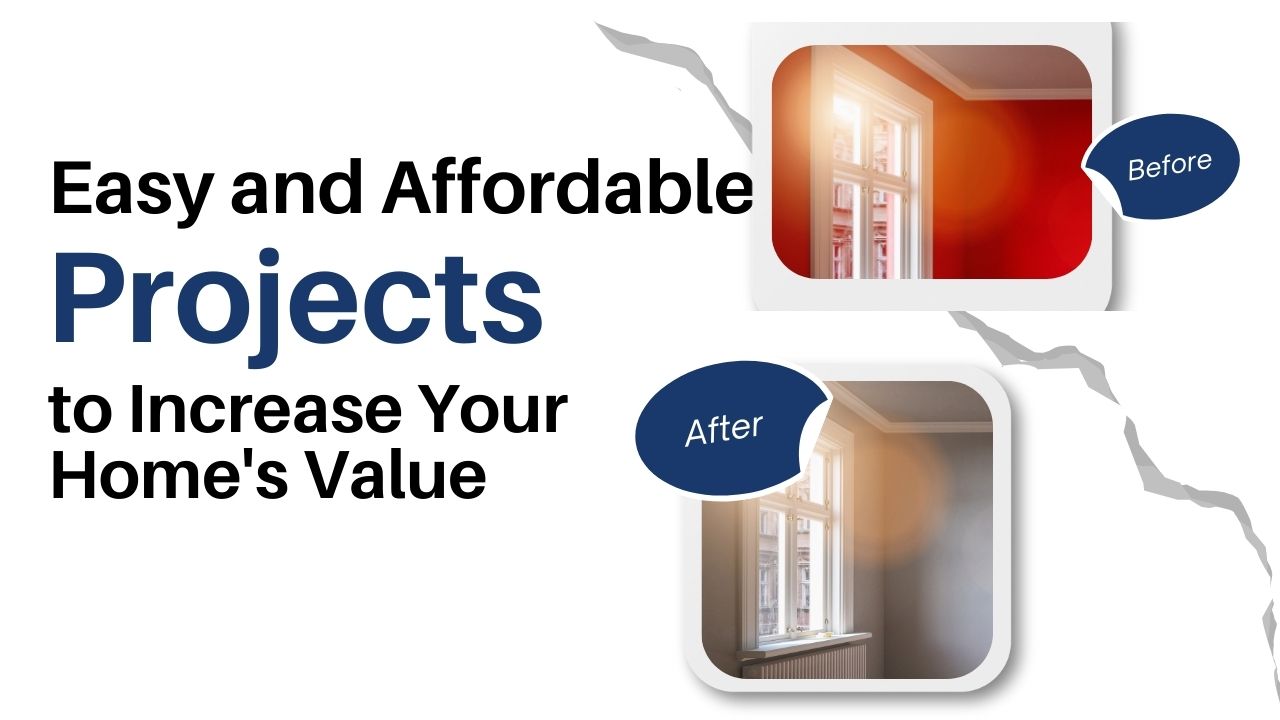
Easy and Affordable Projects to Increase Your Home’s Value

February 6, 2025 by Rhonda Costa

Whether you’re preparing to sell your home or simply want to enhance its appeal, increasing your home’s value doesn’t have to be expensive or time-consuming. With a few affordable projects, you can make your property stand out while staying within your budget.

1. Boost Curb Appeal

First impressions are everything, and your home’s exterior is the first thing people see. Repaint the front door in an inviting color like navy blue or classic red, replace worn-out doormats, and upgrade your mailbox for a fresh look. Add some colorful potted plants or flower beds near the entryway for extra charm. Maintaining a tidy lawn by mowing, edging, and spreading fresh mulch can also make your home shine.

2. Modernize Lighting Fixtures

Outdated light fixtures can make your home feel older than it is. Replace them with sleek, modern designs or energy-efficient LED lighting. For added versatility, install dimmer switches to create the perfect mood in any room. Don’t forget to update outdoor lighting to enhance safety and nighttime curb appeal.

3. Refresh with Paint

One of the easiest and most cost-effective upgrades is painting. Neutral colors like soft grays, warm beiges, or off-whites make spaces feel larger and more inviting. Don’t just focus on walls—refinishing cabinets, repainting trim, or even giving your garage door a fresh coat can breathe new life into your home.

4. Upgrade Kitchens and Bathrooms

Kitchens and bathrooms sell homes, but full renovations can be pricey. Instead, focus on smaller upgrades like replacing old cabinet hardware with trendy brushed nickel or matte black options. Install a peel-and-stick backsplash for a stylish, modern touch. Replacing faucets, re-caulking sinks, and adding new towel racks can make your bathroom look like new.

5. Add Smart Home Features

Smart home technology appeals to today’s buyers. Start small with devices like a programmable thermostat, smart light bulbs, or a Wi-Fi-enabled video doorbell. These affordable additions make your home feel modern and convenient without requiring significant investment.

6. Declutter and Organize

A well-organized home appears larger and more functional. Clear out clutter, organize storage spaces, and depersonalize rooms to allow buyers to imagine themselves living there. Invest in decorative bins or shelving to keep everything neat and stylish.

7. Create Outdoor Living Spaces

Outdoor spaces are in demand, especially in today’s market. Adding a small patio seating area, stringing up fairy lights, or installing a fire pit can turn an ordinary backyard into a cozy retreat. These upgrades not only add value but also expand your usable living space.

By focusing on these simple and affordable projects, you can maximize your home’s value without spending a fortune. Whether you’re getting ready to sell or just want to enjoy your space more, these upgrades can make a big difference.


Filed Under: Homebuyer Tips Tagged With: Affordable Upgrades, Home Value Boost, Real Estate Tips

Start Planning Today, and Make This the Year You Achieve Your Dream of Homeownership!

February 4, 2025 by Rhonda Costa

Owning a home is one of life’s most exciting and rewarding milestones. It represents stability, independence, and a place to truly call your own. But achieving the dream of homeownership doesn’t just happen overnight—it takes careful planning and preparation. The good news? By starting today, you can lay the foundation to make this year the one you finally cross the threshold into your new home.

Step 1: Define Your Goals

The first step in your homeownership journey is to clearly define what you’re looking for in a home. Consider factors like location, size, and style, as well as proximity to schools, work, and amenities. Are you dreaming of a cozy starter home or something larger for a growing family? Write down your non-negotiables and nice-to-haves to create a clear picture of your ideal home.

Having a defined goal will not only guide your search but also help you stay focused as you navigate the home-buying process.

Step 2: Assess Your Finances

One of the most important aspects of preparing for homeownership is understanding your financial situation. Start by reviewing your credit score and credit report. A higher credit score can help you secure a better mortgage rate, potentially saving you thousands over the life of your loan.

Next, take a close look at your savings. You’ll need funds for a down payment, closing costs, and other expenses like inspections and moving. While many people believe a 20% down payment is required, there are programs that allow for much less, sometimes as low as 3%.

Step 3: Build a Budget

Once you have a clear understanding of your finances, create a budget to determine how much you can comfortably afford. Factor in all costs associated with homeownership, including your mortgage payment, property taxes, insurance, utilities, and maintenance.

A common rule of thumb is to keep your housing costs at or below 30% of your monthly income. Sticking to this guideline will help ensure you can manage your mortgage without stretching your finances too thin.

Step 4: Explore Mortgage Options

There are a variety of mortgage programs designed to meet the needs of different buyers. Research options such as FHA loans, VA loans, or conventional loans to find the best fit for your situation. Consulting with a lender or mortgage broker early in the process can provide valuable insights and help you get pre-approved. Pre-approval not only shows sellers you’re a serious buyer but also gives you a clear idea of your purchasing power.

Step 5: Partner with a Real Estate Professional

Navigating the home-buying process can feel overwhelming, but you don’t have to do it alone. Partnering with an experienced real estate agent can make all the difference. From helping you find the right properties to negotiating the best deal, we act as your advocate every step of the way.

We also have access to market insights and connections that can help you secure the home of your dreams faster and with less stress.

Step 6: Start Your Search

With your goals, budget, and financing in place, it’s time to start searching for your dream home! Be prepared to act quickly in today’s competitive market, but also stay patient and focused on your priorities. The right home is out there, and with the proper preparation, you’ll be ready to make it yours when the time comes.

Step 7: Stay Positive and Flexible

The journey to homeownership can come with challenges, from bidding wars to unexpected setbacks. Stay positive and remember that every step brings you closer to your goal. Flexibility is also key; you might discover that a home slightly outside your initial criteria is the perfect fit.

There’s no better time to start planning for your dream home than right now. By taking proactive steps and partnering with the right professionals, you can make this the year you turn your homeownership dream into a reality. Remember, the journey may take time, but the result—a place to call your own—is well worth the effort.

Filed Under: Real Estate Tips Tagged With: Dream Home Journey, Homeownership Goals, Real Estate Tips

  • « Previous Page
  • 1
  • …
  • 16
  • 17
  • 18
  • 19
  • 20
  • …
  • 63
  • Next Page »

Rhonda & Steve Costa

Rhonda & Steve Costa

Call (352) 398-6790
Sunrise Homes & Renovations, Inc.

Contractors License #CBC 1254207

Let’s Keep In Touch!

  • This field is for validation purposes and should be left unchanged.

Connect With Us on Social Media

Categories

Looking For Something?

Our Location


Spring Hill, FL 34608

Equal Housing Opp

Return to top of page

Copyright © 2026 Sunrise Homes & Renovations, Inc.. All rights reserved.   Log In