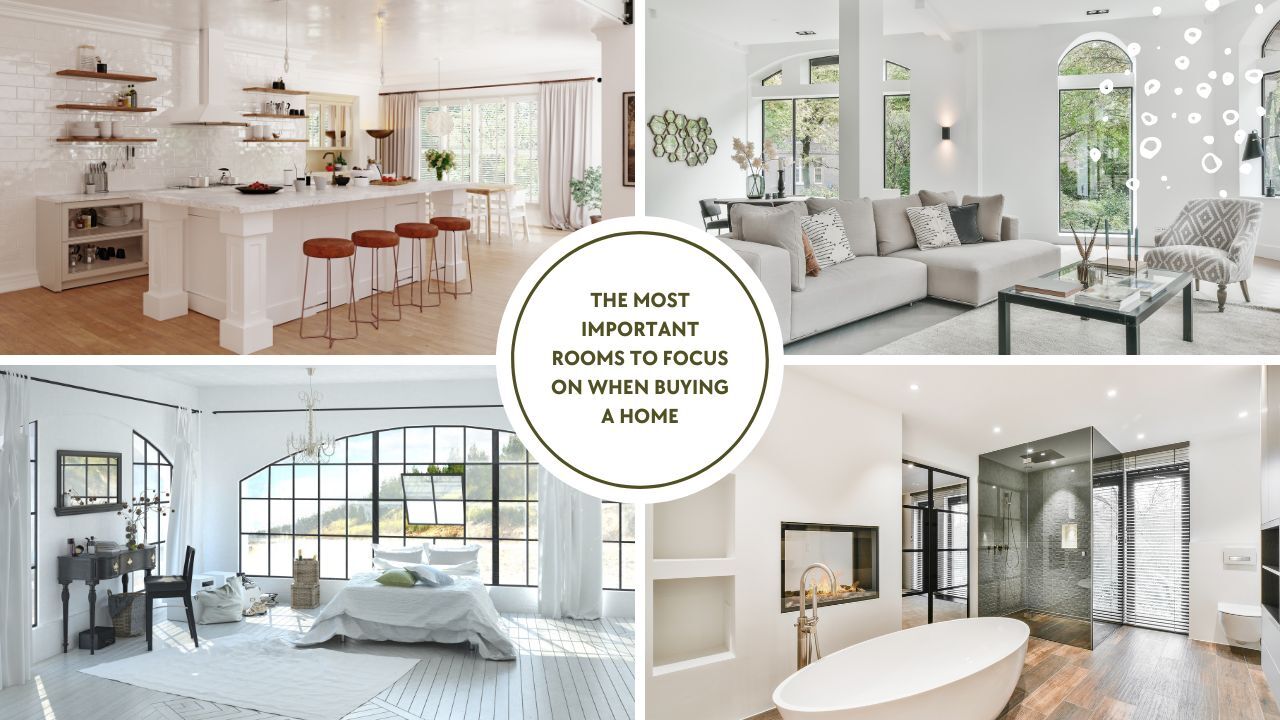
 When searching for a new home, buyers often get caught up in curb appeal, square footage, or how recently the roof was replaced. While those details are certainly important, focusing on the most impactful rooms inside the home can help determine whether a property will truly meet your needs and lifestyle. Here are the key rooms to evaluate carefully when buying a home.
The Kitchen: The Heart of the Home
For many buyers, the kitchen is the most important room in the house. It is not only where meals are prepared, but it often serves as a central gathering spot for family and guests. Consider the layout, counter space, storage, and the condition of the appliances. Is there room to cook comfortably? Can multiple people move around easily? Also, pay attention to the quality of the cabinetry and flooring. Renovating a kitchen can be expensive, so it is worth evaluating whether the current setup meets your expectations.
The Living Room: Where Life Happens
The living room is where most daily activities occur, from relaxing after work to hosting guests. Look at the size of the room, the natural light, and the layout. Is there enough wall space for your furniture? Can the room accommodate your current lifestyle, whether that includes movie nights, kids’ toys, or space for pets? A functional and inviting living room can make a house feel like a home from day one.
The Primary Bedroom: A Place for Rest
Do not overlook the primary bedroom, as it is the one place in your home meant to offer peace and privacy. Size matters here, especially if you have large furniture or plan to add a seating area or workspace. Closet space is another essential factor. Walk-in closets or built-in organizers are often high on the wish list for buyers. Think about the windows, the noise level, and the proximity to the bathroom or nursery if needed.
Bathrooms: Function Over Flash
Bathrooms should be comfortable, clean, and functional. The number of bathrooms often plays a role in resale value, but layout and condition are just as important. Check for proper ventilation, water pressure, and overall upkeep. A beautifully remodeled bathroom is a plus, but even an older bathroom can work if the space is well-designed. Pay attention to how many people will use each bathroom daily, and if the home has a convenient half bath for guests.
Bonus Rooms: Prioritize Your Lifestyle
Finally, think about any extra spaces that might be important to you. A home office, laundry room, or finished basement could make a huge difference depending on your daily routine. Focus on rooms that support your lifestyle rather than being swayed by trendy upgrades or decor that can be changed later.
While it is easy to be swayed by surface details, focusing on the functionality and comfort of key rooms will help you make a more confident and informed home purchase. Always picture yourself living in the space, and prioritize the rooms where you will spend the most time.
 Before you begin researching a neighborhood, it is important to identify what matters most to you. Do you prioritize a short commute to work, good schools, or proximity to shopping and dining? Maybe you are looking for quiet streets, larger lot sizes, or vibrant community events. By understanding your personal priorities, you will have a clearer idea of what to look for during your search.
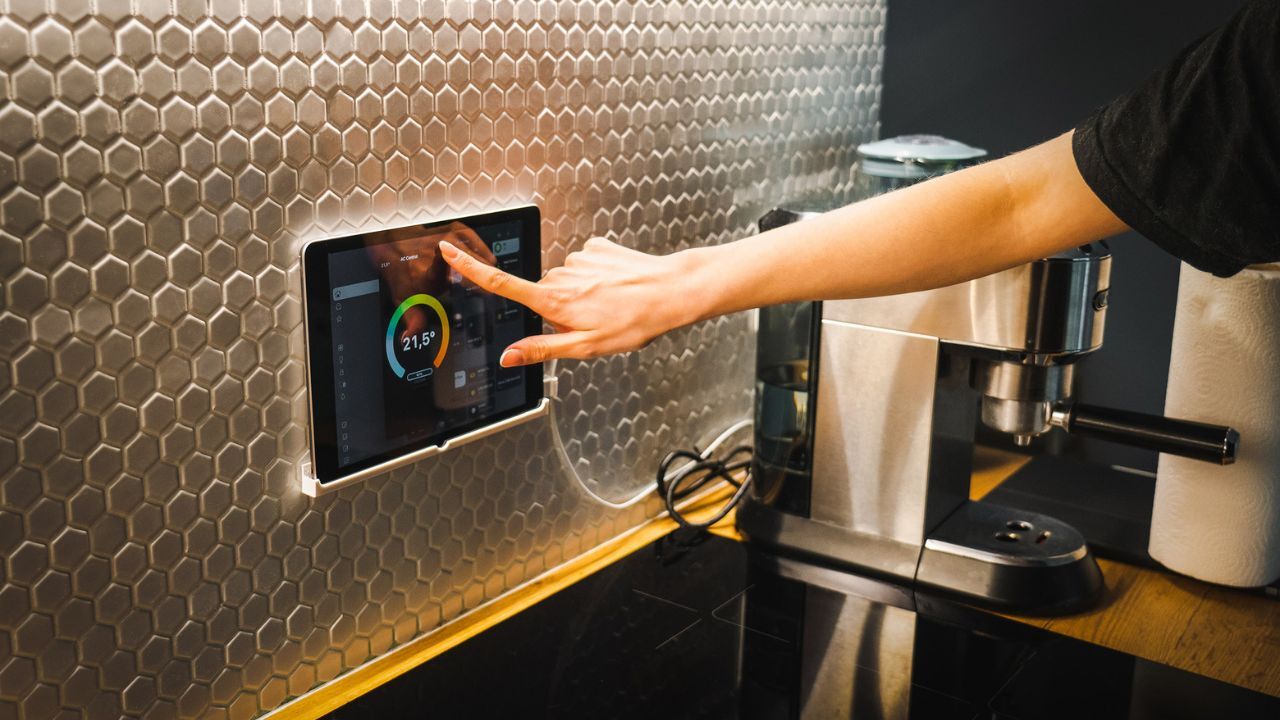 Smart Thermostats
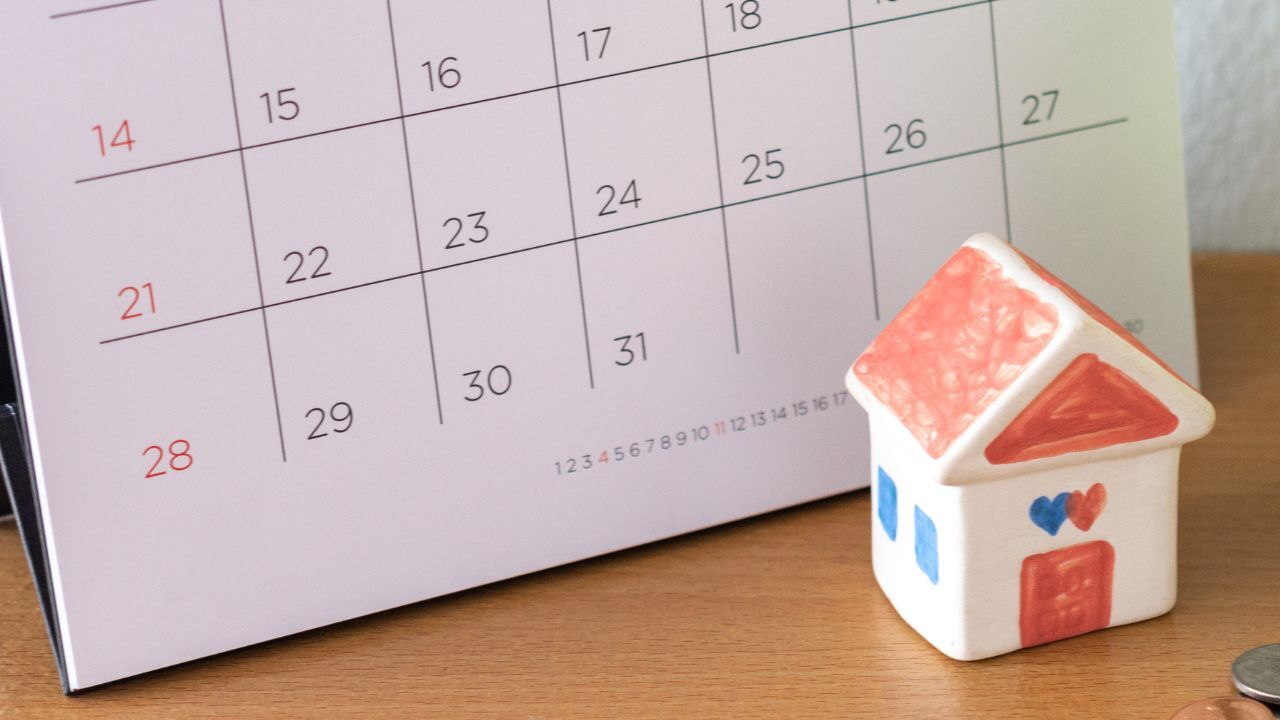 Buying a home is an exciting journey, but it can also feel overwhelming if you are not sure what to expect. One of the most common questions from homebuyers is how long the process takes from start to finish. The answer depends on several factors, but knowing the general timeline can help you plan and reduce stress.
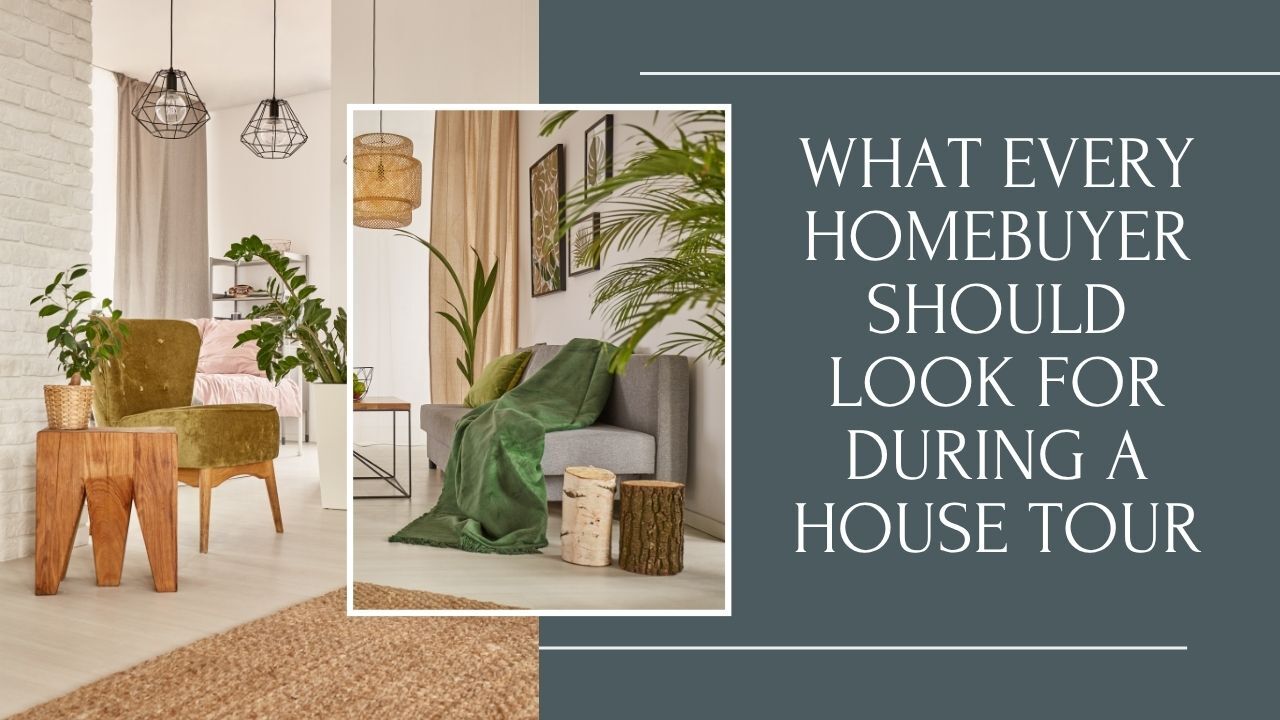 Touring homes is one of the most exciting parts of the homebuying process. But it’s easy to get caught up in the moment, beautiful staging, new finishes, or fresh paint can sometimes distract from more important details. That’s why having a checklist is essential.
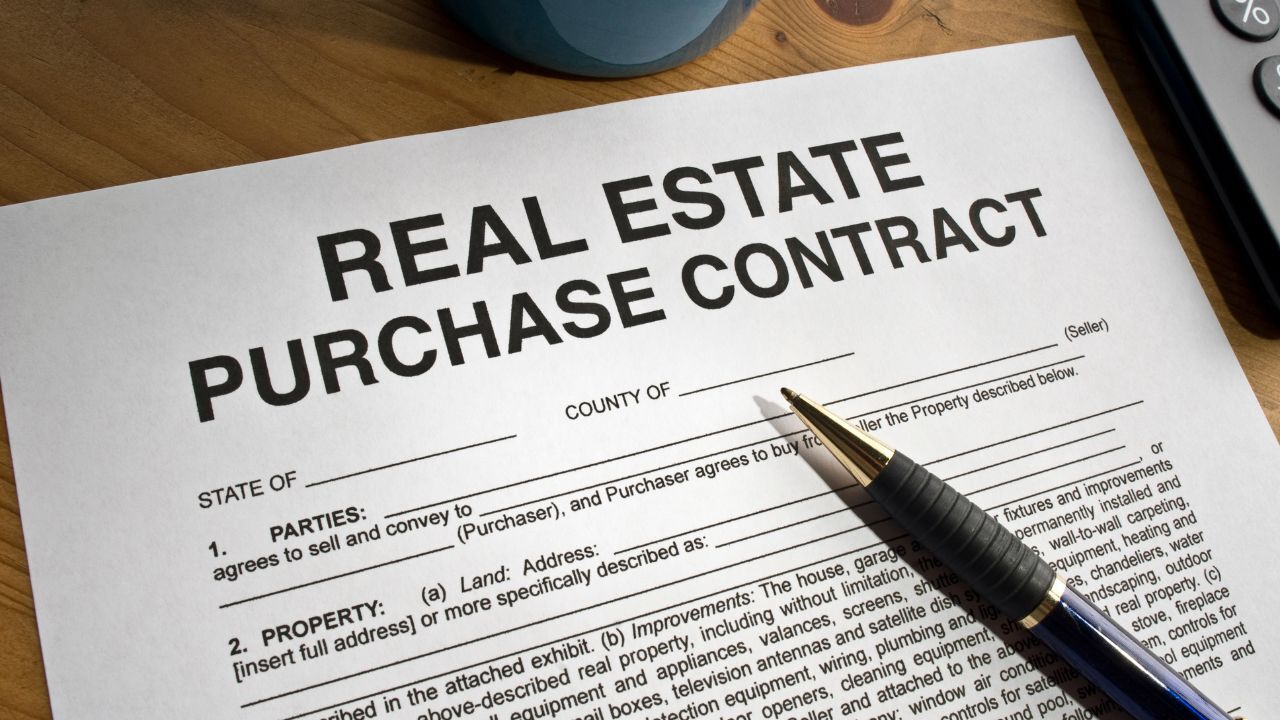 When you are scrolling through homes online, it’s easy to get swept away by beautiful photos, catchy descriptions, and enticing phrases like “charming fixer-upper” or “cozy starter home.” But as a real estate agent, let me tell you, there is often more to the story than meets the eye. Learning to read between the lines of a real estate listing can save you time, prevent disappointment, and help you find the right home faster.