 Most home showings involve constant movement. Buyers walk from room to room, open closets, discuss features, ask questions, and imagine where their furniture might go. With all that activity, it is easy to miss something surprisingly important: what the home sounds like. Before leaving a serious contender, try spending five minutes doing absolutely nothing.
Stop Talking and Start Listening
Choose a room where you expect to spend significant time, such as the living room or primary bedroom. Put away the phone, stop discussing the house, and simply listen.
You may suddenly notice road noise that disappeared beneath the conversation. Perhaps you can hear airplanes, a nearby school, barking dogs, music, or activity from an adjoining property.
Sound that seems insignificant during a short showing can feel very different when you experience it every day.
Listen to the House Itself
Not every sound comes from outside. HVAC systems, ceiling fans, plumbing, appliances, garage doors, and other mechanical components can create noticeable noise. In a multi-story home, have one person walk upstairs while another remains downstairs.
In a condo or townhome, listen for sounds coming through shared walls, ceilings, hallways, or common areas. The goal is not to find a perfectly silent home. It is to understand its normal sound environment.
Try the Test in More Than One Room
Noise can vary dramatically throughout a property. A front bedroom may pick up considerably more street noise than a bedroom at the rear. A room next to an HVAC unit may sound different when the system is operating. A backyard that looks peaceful might be close enough to a major road to hear steady traffic.
If quiet is particularly important to you, repeat the test in the rooms where it matters most.
Remember That Five Minutes Is Only a Snapshot
A short listening test cannot tell you everything. Traffic patterns, neighbors, aircraft, construction, and other sounds change throughout the day. If you notice something concerning, consider returning at another time rather than assuming that one visit represents normal conditions.
Homebuyers spend plenty of time looking at houses, but living in one involves every sense. The countertops may catch your attention during the showing, but the sounds surrounding you will still be there long after you move in. Sometimes five quiet minutes can reveal something you would never notice while walking and talking.
 Every home has features buyers love and features they wish were different. The challenge is knowing which items can be changed after closing and which ones may be difficult, expensive, or impossible to fix.
 Buying a home represents a fresh start, yet many people carry unnecessary clutter into their next chapter. Decluttering before you purchase clarifies what you truly need in a space. It also reduces stress and helps you evaluate homes more realistically. A thoughtful transition supports both short-term organization and long-term satisfaction.
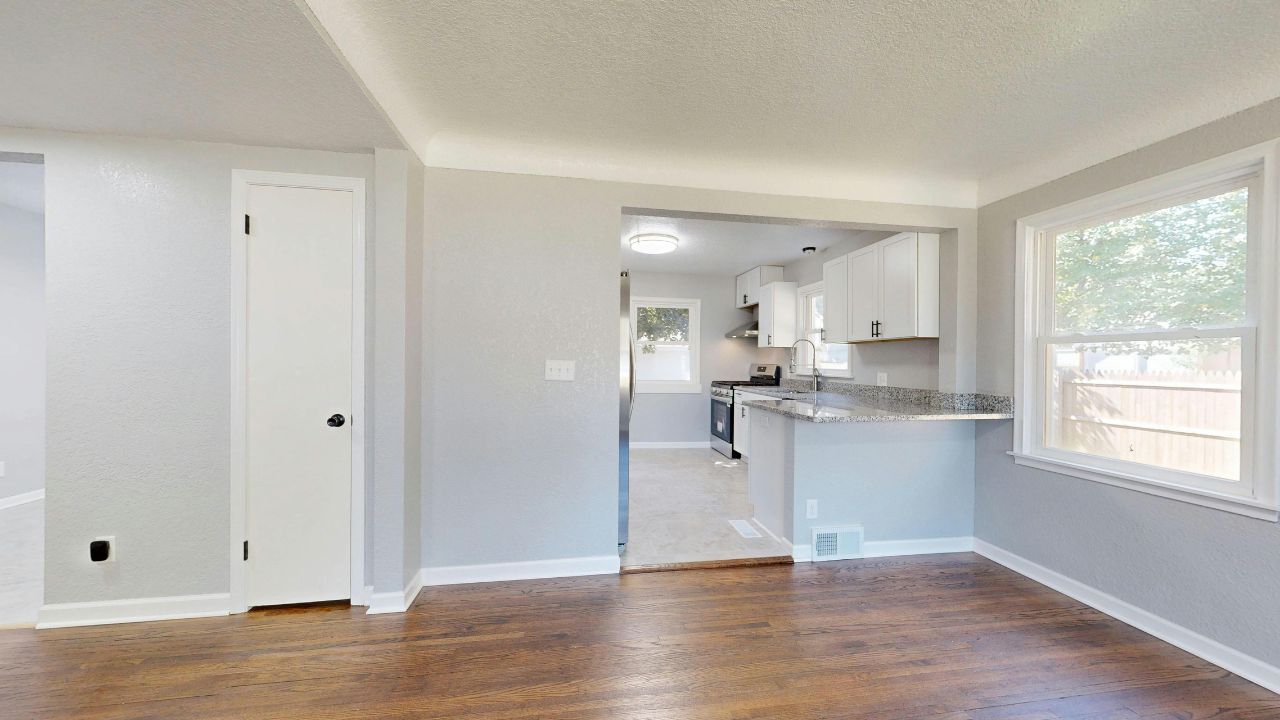 Many buyers start their search with a specific number in mind. Square footage. While size matters, it is rarely the deciding factor in long-term satisfaction. How space functions often matters far more than how much of it exists.
 When you are scrolling through homes online, it’s easy to get swept away by beautiful photos, catchy descriptions, and enticing phrases like “charming fixer-upper” or “cozy starter home.” But as a real estate agent, let me tell you, there is often more to the story than meets the eye. Learning to read between the lines of a real estate listing can save you time, prevent disappointment, and help you find the right home faster.