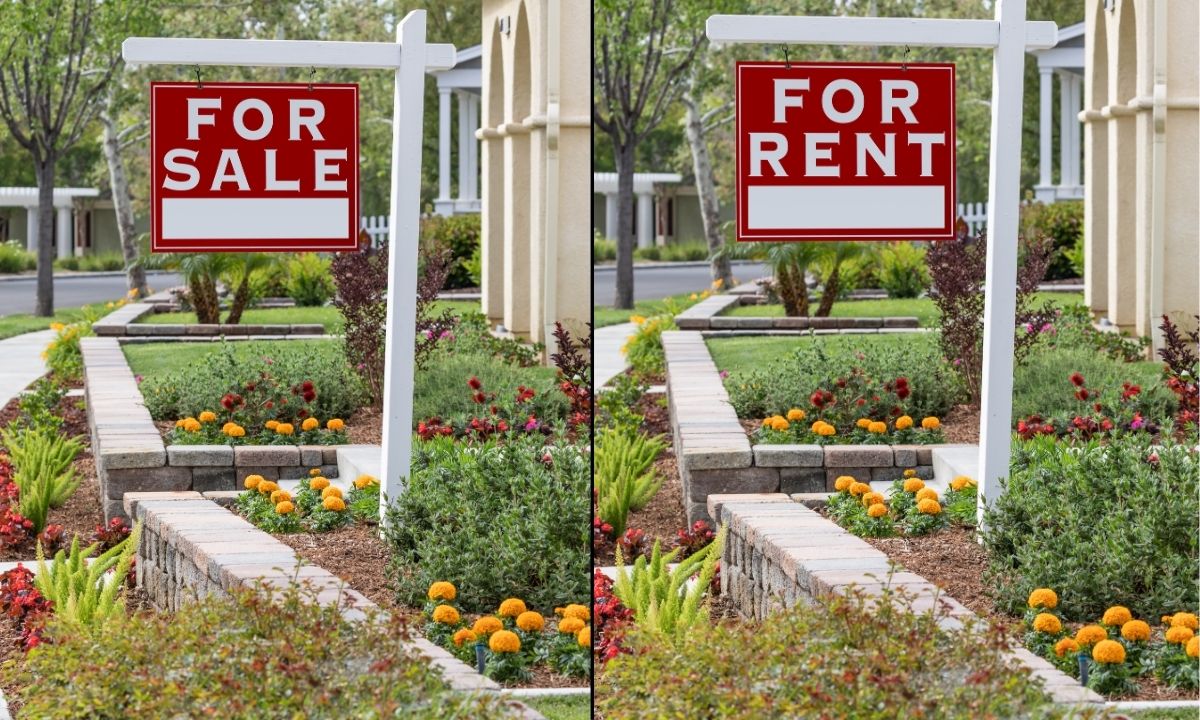
 Buying a second home is an exciting milestone. Whether it’s a vacation retreat, an investment property, or a future retirement haven, the decision involves many considerations. One of the most important questions you’ll face is whether to rent out your first home or sell it. Both options have their pros and cons, and the right choice depends on your financial goals, market conditions, and personal circumstances. Let’s discuss the key factors to help you make an informed decision.
Renting Out Your First Home
Pros:
- Steady Income Stream: Renting your first home can provide a consistent income stream, which can help offset the mortgage on your second property.
- Appreciation Potential: By holding onto your first home, you may benefit from property appreciation over time, potentially increasing your long-term wealth.
- Tax Benefits: Rental properties come with various tax deductions, including mortgage interest, property taxes, and maintenance expenses, which can reduce your overall tax burden.
Cons:
- Landlord Responsibilities: Managing a rental property requires time and effort. You’ll need to handle tenant issues, maintenance, and potentially hire a property manager.
- Market Risks: Real estate markets can be unpredictable. If property values decrease or rental demand drops, your investment could be less profitable.
- Financing Challenges: Qualifying for a mortgage on your second home may be more difficult if you already have an existing mortgage. Lenders may scrutinize your debt-to-income ratio more closely.
Selling Your First Home
Pros:
- Immediate Equity: Selling your first home can provide a significant amount of cash, which can be used as a down payment on your second property or to pay off debts.
- Simplified Finances: Without the responsibilities of a rental property, you can focus entirely on your new home and its associated costs.
- Market Timing: If the real estate market is favorable, selling could maximize your profits, especially if your home has appreciated significantly.
Cons:
- Loss of Rental Income: By selling, you forgo the potential rental income and long-term appreciation benefits of keeping the property.
- Transaction Costs: Selling a home involves costs such as real estate agent commissions, closing fees, and possible repairs or upgrades to make the home market-ready.
- Emotional Attachment: Parting with a home full of memories can be emotionally challenging, especially if it’s your first home.
Making the Right Decision
To determine the best course of action, consider the following steps:
- Evaluate Your Financial Situation: Assess your current financial health, including income, expenses, savings, and debt. Determine how a second home purchase and either renting or selling your first property will impact your finances.
- Analyze Market Conditions: Research the real estate market in your area to understand trends in property values, rental demand, and economic conditions.
- Consult Professionals: Speak with a real estate agent, financial advisor, and mortgage lender to get expert advice tailored to your unique situation.
- Consider Your Long-Term Goals: Reflect on your personal and financial goals, such as retirement plans, investment strategies, and lifestyle preferences.
Ready to explore your options for buying a second home? Whether you decide to rent or sell your first property, we are here to help you every step of the way. Contact us today for personalized guidance and expert advice to make your next real estate move a success!
 In the dynamic landscape of financial markets, real estate has long been considered a stable and lucrative investment. However, as economic forces continue to shape our world, investors must comprehend the multifaceted relationship between inflation and real estate.
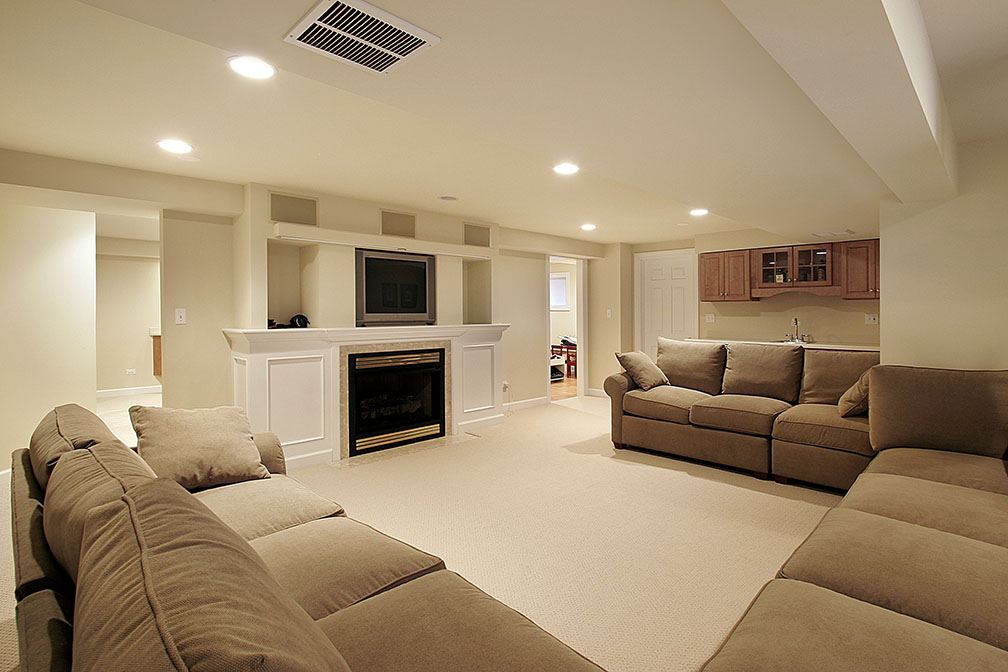 Do you have an empty basement or separated suite in your home? If you have a suite sitting empty, you are missing out on collecting some extra monthly income in the form of rent. Let’s take a look at a quick four-step process that will help you find the perfect tenant to rent out your basement suite.
 Whether you have recently graduated from college or are getting close to retirement, it’s likely that you have given some thought as to how you can grow your net worth. You might have invested in stocks, picked up a few bonds or have a 401(k) plan set up to help fund your retirement. But have you considered buying real estate as part of your portfolio?
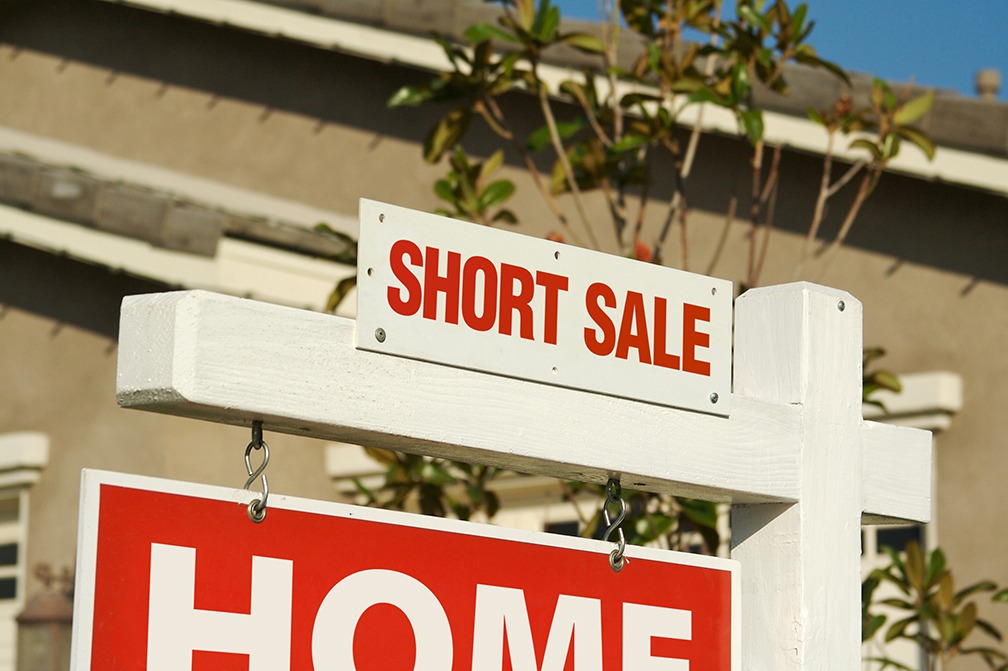 Are you on the hunt for great deals on a local home? If so, you have probably heard about “short sale” homes, although it can take a bit of searching to find one. Let’s take a closer look at real estate short sales to learn how they work and when you might want to take advantage.
 Some first-time home buyers are on a tight budget when making their real estate purchase, and there may be an inclination by many to purchase a smaller property, such as a condo, rather than the home they truly want. While there may be some initial financial benefit associated with buying a smaller property, there are a few benefits associated with splurging and buying a larger home as a first purchase. By analyzing these benefits, first-time home buyers can make a more informed decision about how to proceed.