 If you’ve been thinking about investing in a real estate project you may have considered buying a distressed house or two at a steep discount in order to fix them up and sell them at a higher price. This is known as “flipping”, and in today’s post we’ll share a quick guide to flipping homes and how to get started with this type of real estate investing.
Assessing Your Budget and Tolerance for Risk
We’ll start by stating the obvious: when you buy real estate with the intent of flipping it, losing money is a very real possibility. You’ll need to assess your own tolerance for risk and decide how much you want to invest in your real estate venture.
If you’re new to buying homes it’s a great idea to start small – an inexpensive “fixer upper” house or a condo – and work your way up from there. Spend some time crafting a budget to assess how much you’ll be spending to acquire the home and in repairs or renovations, and what you expect to receive when you sell.
Shopping for Suitable Houses and Condos
Once you’ve got your budget prepared and your finances are in order you’ll need to start looking for a suitable home. The ideal listing is one that is priced at a discount to all of the other homes in the neighborhood as the home is in some state of disrepair or has certain issues that need to be fixed up. Spend some time browsing through local property listings which are sorted by price and note which options are the least expensive. This is where you’ll want to start.
Scale Things Up by Finding a Partner
After you’ve bought, repaired and sold a home or two you’re likely going to want to scale things up. Consider bringing on a partner who can help shoulder some of the workload or one that may want to invest capital so that you can buy homes in a higher quantity. Remember, this is business; if you work with someone else you’ll want to formalize your arrangement with a written contract.
As with any business venture, there’s a bit of a learning curve that you’ll need to overcome when you begin flipping houses. As long as you’re patient and ready to move when you find the perfect home, you’ll soon find success with your real estate investments.
 Size matters when you are buying a new home. Whether you plan to expand your family, need more room for your stuff, or are concerned with resale value, you want to get the most space for your money.
 Whether you have recently graduated from college or are getting close to retirement, it’s likely that you have given some thought as to how you can grow your net worth. You might have invested in stocks, picked up a few bonds or have a 401(k) plan set up to help fund your retirement. But have you considered buying real estate as part of your portfolio?
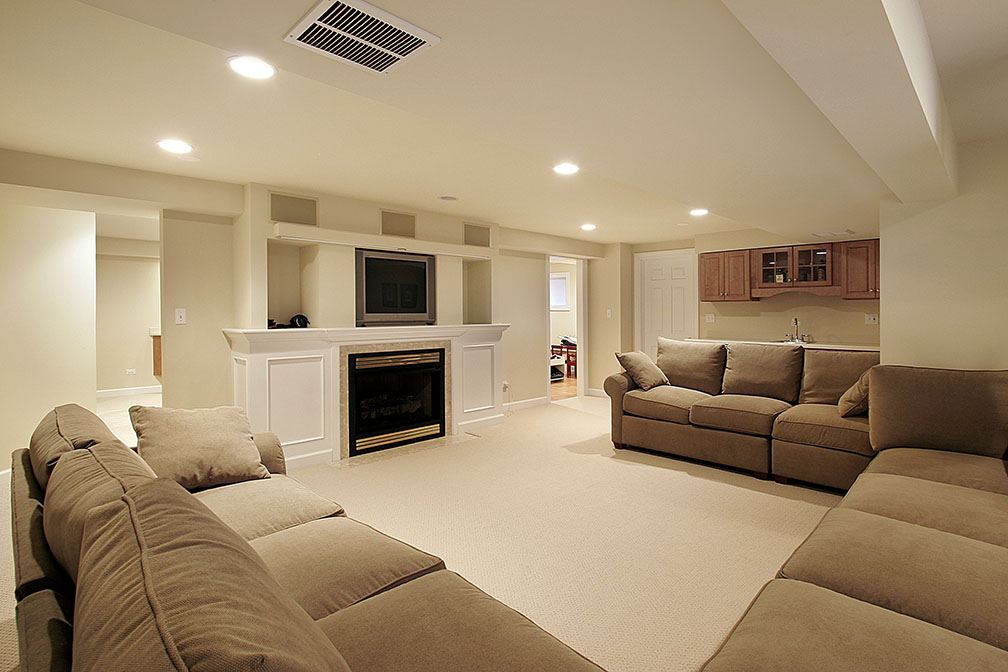 Do you have an empty basement or separated suite in your home? If you have a suite sitting empty, you are missing out on collecting some extra monthly income in the form of rent. Let’s take a look at a quick four-step process that will help you find the perfect tenant to rent out your basement suite.
 Are you starting to grow bored of watching your money go nowhere sitting in a bank account? With today’s interest rates doing little to encourage saving, many individuals are looking elsewhere for new investment opportunities. In today’s blog post we’ll share four essential tips for buying a profitable rental property. Let’s get started.
 Are you on the hunt for great deals on a local home? If so, you have probably heard about “short sale” homes, although it can take a bit of searching to find one. Let’s take a closer look at real estate short sales to learn how they work and when you might want to take advantage.