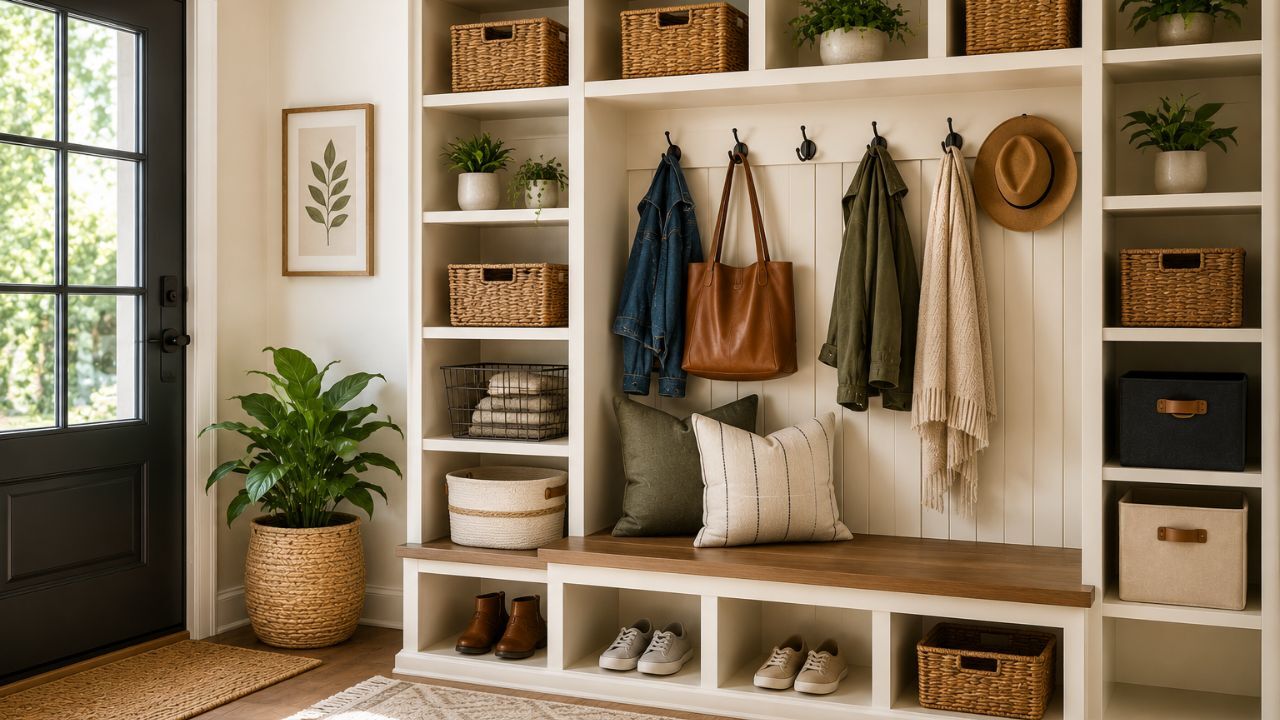
 Square footage gets a lot of attention in real estate, but storage space can be just as important to daily comfort. A home may look large on paper and still feel cramped if there is nowhere to put the things that make life function. Closets, cabinets, pantries, garages, basements, attics, laundry areas, and utility spaces all affect how livable a home feels.
Empty Homes Can Be Misleading
Many buyers underestimate storage because empty or staged homes can look spacious. Without coats, shoes, cleaning supplies, tools, holiday decorations, luggage, sports equipment, pet items, kids toys, paperwork, bulk groceries, and everyday clutter, rooms can seem easier to manage than they will be after move in. Once real life arrives, lack of storage can create stress quickly.
Storage Affects Daily Function
Storage affects more than neatness. It affects how you use the home. If there is no entry storage, shoes and bags may pile up near the door. If the kitchen lacks pantry space, counters may become crowded. If bedroom closets are small, furniture may need to compensate. If there is no garage or shed, outdoor equipment may take over living areas. A home without adequate storage can make even a larger floor plan feel inefficient.
Tour With Storage in Mind
When touring a home, treat storage as part of the square footage calculation. Open every closet. Look at shelf depth. Check cabinet height. Think about where seasonal items would go. Ask where you would store cleaning supplies, linens, tools, decorations, documents, and bulk purchases. Walk through your morning routine and your busiest day of the week. Where do backpacks land? Where does mail go? Where do muddy shoes, strollers, sports bags, or work equipment belong?
Certain Buyers Need Even More Storage
Storage is especially important for buyers who are downsizing, upsizing, blending households, working from home, or moving from a property with a basement or garage. The amount of living space may increase, but if storage decreases, the home can still feel tight.
Creative Solutions Have Limits
Creative solutions can help, but they have limits. Built ins, closet systems, shelving, storage beds, and garage organization can improve a home. However, if the basic layout lacks storage zones, every solution may feel like a workaround. It is better to recognize the issue before buying than to discover it after closing.
Good Storage Creates Calm
Good storage makes daily life smoother. It helps a home stay organized, reduces visual clutter, and gives every category of life a place to land. Buyers should not feel silly for caring about closets or cabinets. Storage is not a minor detail. It is part of how a home supports real living.
A house is not only measured by how much space it has. It is measured by how well that space works.
 Natural light can change how a home feels, functions, and even how you use it day to day. Buyers often notice whether a home feels bright during a showing, but they may not fully evaluate how light moves through the space or how much it matters to their lifestyle. Paint, furniture, and décor can be changed. The direction of sunlight is much harder to adjust.
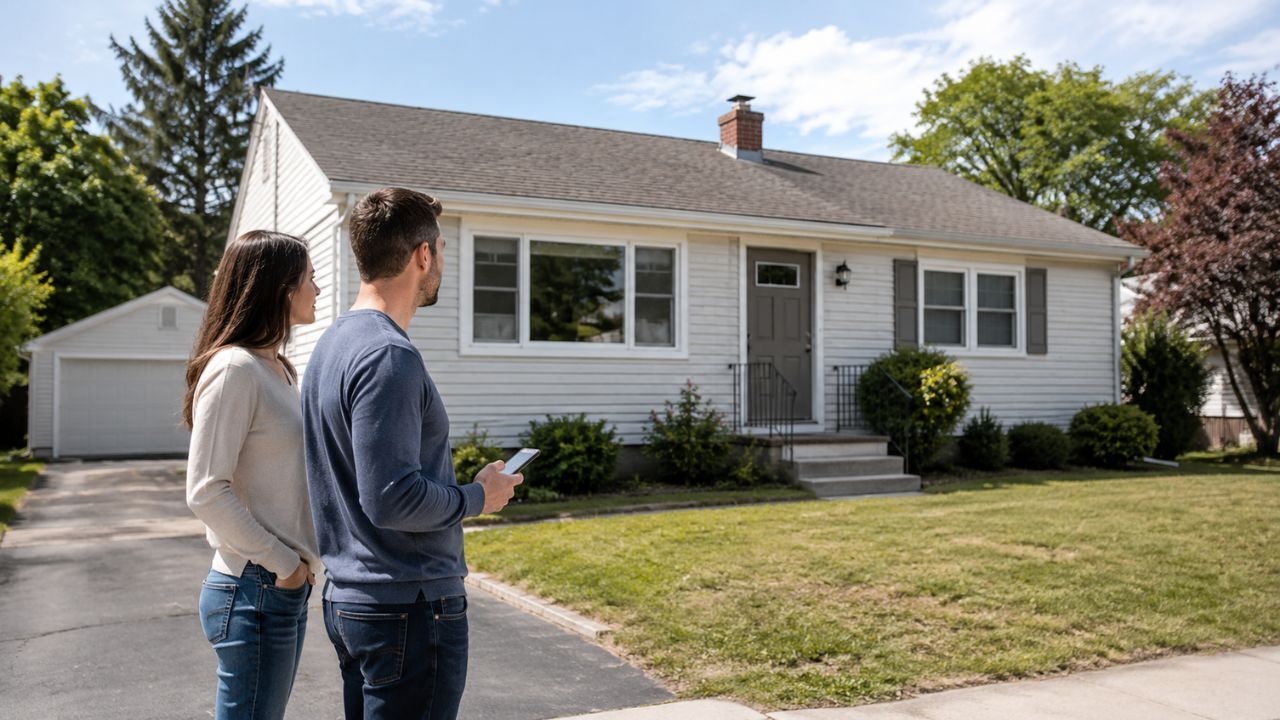 In a world full of dramatic kitchens, spa bathrooms, statement lighting, and perfect social media homes, the boring house often gets overlooked. It may not photograph beautifully. It may have plain walls, older carpet, basic cabinets, or landscaping that needs attention. But for some buyers, the boring house can be one of the smartest mortgage decisions they make.
 Entering the home buying process without understanding key real estate terms can quickly lead to confusion and hesitation. The more familiar you are with the language used throughout a transaction, the more confident and prepared you will feel when making decisions.
 Buying your first home is not just about having a place to live, it also comes with financial advantages that many buyers overlook. One of the biggest opportunities comes through tax benefits. When you understand how these work, you can make more informed decisions and potentially reduce your overall tax burden while building long-term wealth.
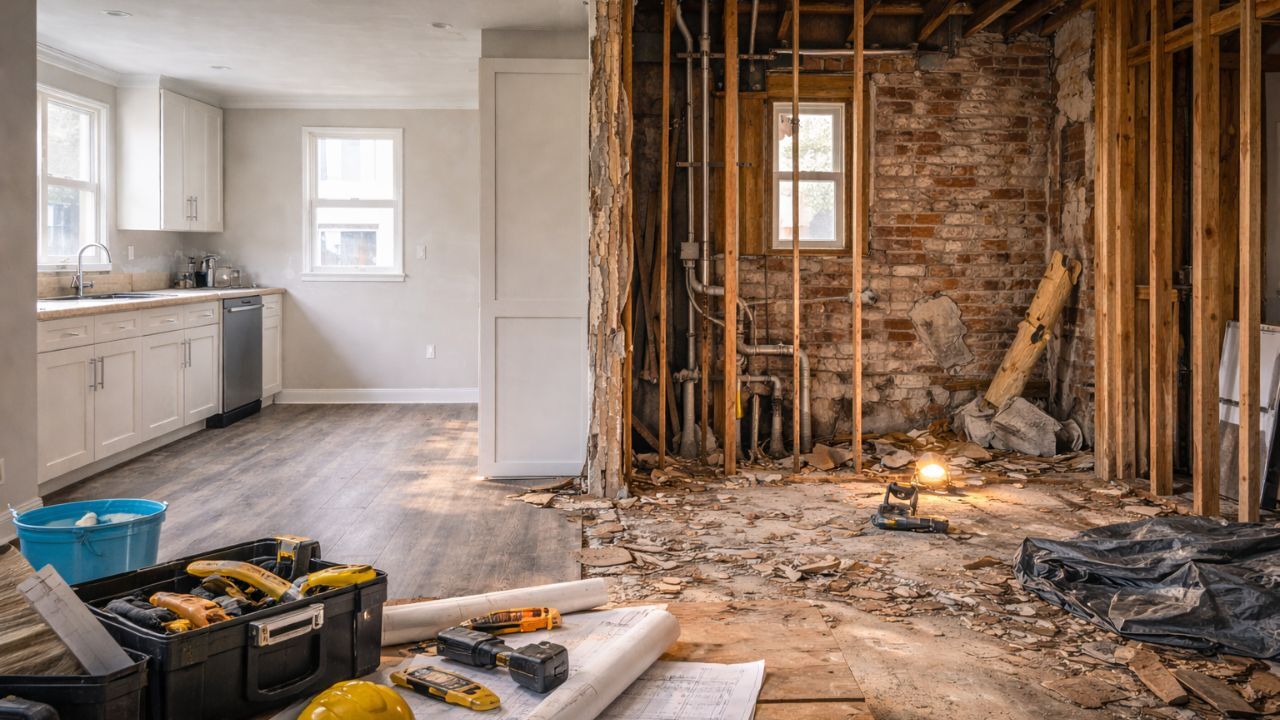 Fixer uppers attract buyers looking for value, personalization, and long term upside. The idea of transforming a property into something uniquely yours is compelling. However, not all renovation opportunities are created equal. The real skill in buying a fixer upper is distinguishing between manageable cosmetic upgrades and deeper structural or functional limitations that can quietly erode your budget and timeline.