Sunrise Homes & Renovations, Inc.

  • Home
  • About
    • About Us
    • Recognition
      • Disaster Contractors Network
      • US EPA Certified
    • Accessibility Statement
  • Example Models
  • Renovations
  • Resources
    • First Time Home Buyer Tips
    • First Time Home Seller Tips
  • Blog
  • Contact

Why You Should Visit a Home When the Neighbors Are Home

September 16, 2026 by Rhonda Costa

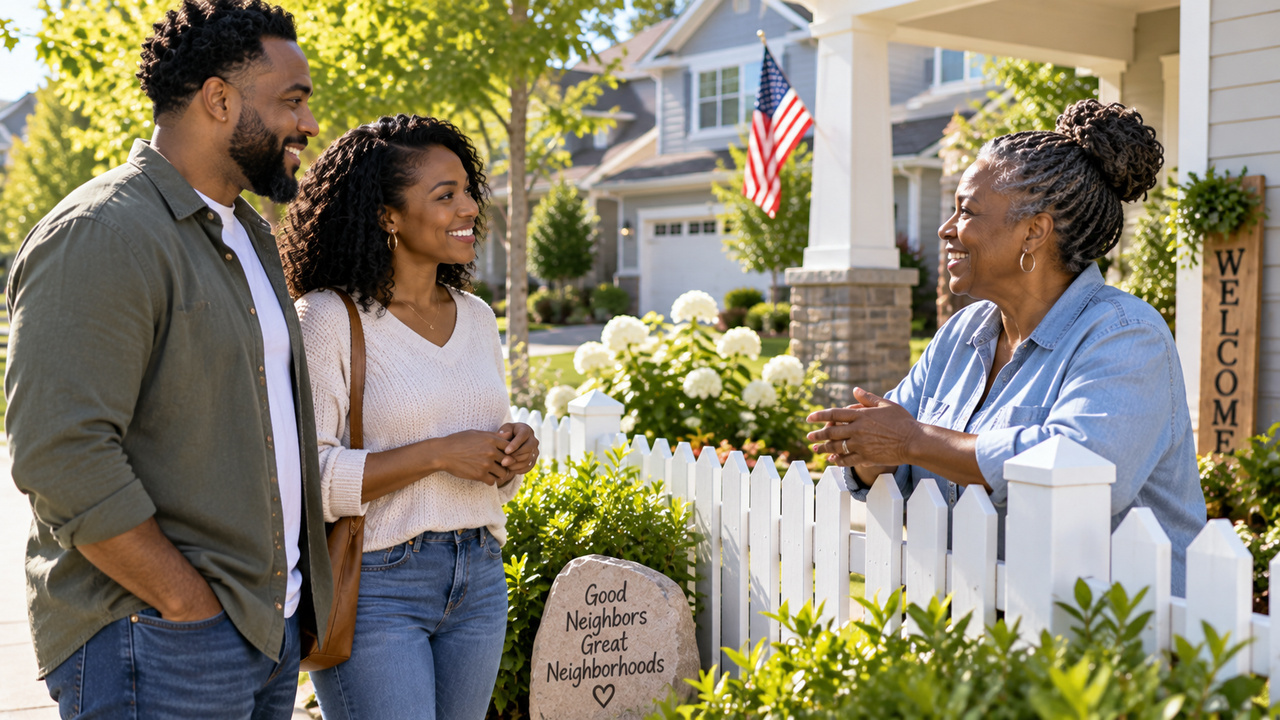
A home showing at 11 a.m. on a Wednesday can give you an excellent look at the property. It may not give you an accurate picture of the neighborhood. Many residents are at work, children are at school, vehicles are gone, and the street may be unusually quiet. Before buying, consider visiting again when the neighbors are actually home.

Come Back After Work
A neighborhood can change considerably between afternoon and evening. When residents return from work, you may discover that street parking fills quickly or that several neighboring households have multiple vehicles. A street that seemed wide and open during your showing could feel considerably tighter at 6 p.m.

You may also get a better sense of commuter traffic and how easy it is to enter or leave the neighborhood during busier hours.

Listen to the Neighborhood
Evening visits can reveal sounds that simply were not present earlier. Dogs may be outside. Children may be playing. Neighbors may gather in yards or garages. Nearby restaurants, businesses, parks, or entertainment areas may become more active.

None of these things are necessarily negative. The question is whether the activity level matches the environment you want.

A buyer who loves an active neighborhood may find these things appealing. Someone looking for exceptional quiet may feel differently.

Weekends Can Tell Another Story
If possible, visit on a weekend too. Saturday morning might reveal landscaping activity, recreational vehicles, community events, garage projects, or heavy use of nearby parks. Weekend evenings could provide a much different picture of neighborhood activity.

If you are considering a condo or townhome, this can be particularly helpful because you may be living much closer to your neighbors.

Observe Without Making Assumptions
The goal is not to evaluate individual neighbors based on one brief visit. Every household occasionally has parties, visitors, barking dogs, or extra cars.

Instead, look at the broader environment. Does the neighborhood function the way you expected? Is parking generally manageable? Is the level of activity comfortable for you? You are purchasing the home, but you will experience everything around it every day.

Before making a final decision, visit at different times and on different days. The house will probably look much the same. The neighborhood might not, and discovering that difference before you buy can be extremely valuable.
Filed Under: Home Buyer Tips Tagged With: Home Buying Tips, Neighborhood Tips, Real Estate Advice

What the Trash Cans Can Tell You About a Neighborhood Before You Buy

September 15, 2026 by Rhonda Costa

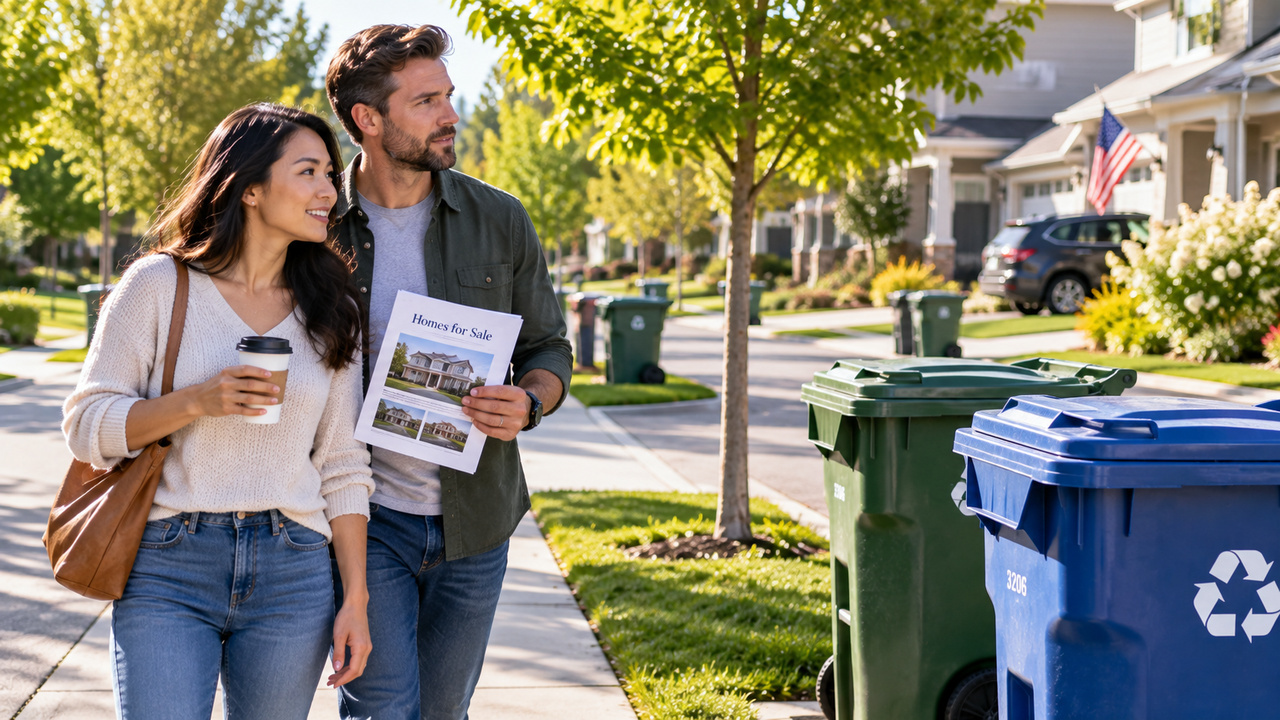
When evaluating a neighborhood, buyers often drive through looking at homes, yards, traffic, and nearby amenities. There is another surprisingly useful time to visit: trash collection day. It may not sound glamorous, but garbage and recycling day can reveal details about how a neighborhood functions that are easy to miss during a scheduled showing.
Look at What Happens at the Curb
Pay attention to how trash and recycling are handled throughout the neighborhood. Are containers neatly placed at the curb, or are sidewalks and streets difficult to navigate?

Overflowing containers, piles of discarded furniture, or trash regularly left outside designated areas do not automatically indicate a problem. However, patterns across multiple properties can provide insight into how residents maintain their surroundings.

It is less about judging individual households and more about observing the overall environment.

Watch What Happens to Parking
Collection day can also reveal how much space is actually available on the street. Trash cans occupying curb space may force vehicles into different locations and expose existing parking pressure. On streets already packed with vehicles, collection day can make congestion even more noticeable.

For buyers with multiple vehicles, frequent visitors, or limited driveway space, that can be useful information.

Notice How Properties Are Maintained
A collection-day drive can provide an unexpected glimpse into property upkeep. Large amounts of debris, recurring bulky-item piles, overflowing dumpsters, or neglected common collection areas may be worth noting.

In communities with shared trash facilities, buyers can also see whether those areas appear reasonably maintained and accessible.

One messy collection day should not define an entire neighborhood. Repeated conditions are more meaningful than a single observation.

Pay Attention After Collection Too
Consider returning later in the day or the following morning. Do containers disappear quickly, or do they remain scattered along sidewalks and streets for days?

You may also notice how early collection occurs and how much noise accompanies it. If the bedroom of the home you are considering sits near a community dumpster or collection point, that seemingly minor detail could matter every week.

Buying a home means buying into the rhythms of its surroundings. School traffic, deliveries, parking, landscaping crews, neighbors, and even trash collection become part of everyday life.

A neighborhood can look completely different depending on when you visit. Sometimes an ordinary trash day can tell you more about living there than a perfectly timed Saturday afternoon showing ever could.

Filed Under: Real Estate Tips Tagged With: Home Buying Tips, House Hunting, Real Estate Tips

What Buyers Should Know About Shared Driveways

August 26, 2026 by Rhonda Costa

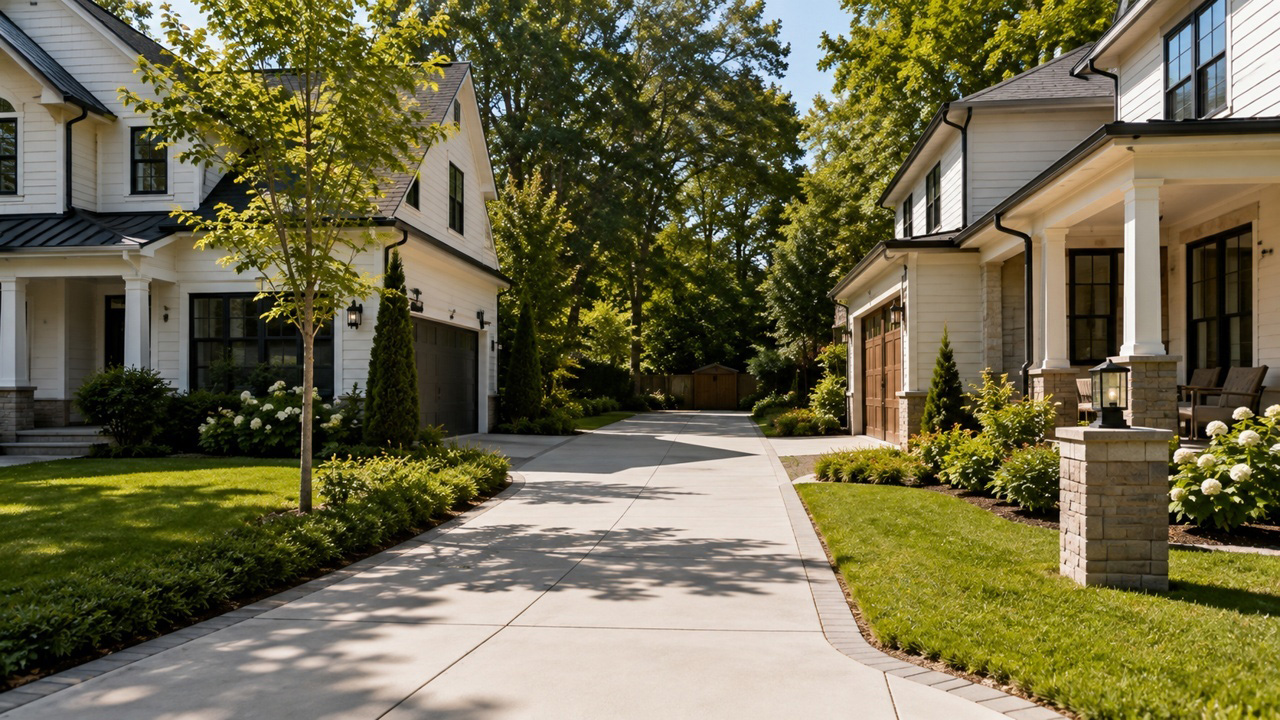
A shared driveway may seem like a minor detail when you are focused on a home’s layout, condition, and location. However, because the driveway is used by more than one property owner, it is important to understand exactly how access, maintenance, and responsibilities are handled before you buy.
Understand Who Owns the Driveway
A shared driveway does not always mean both homeowners own equal portions of it. In some cases, one property owns the driveway while a neighboring property has a legal right to use part of it through an easement. In others, ownership may be divided between properties.

Ask your real estate professional to help you identify the available property records, surveys, easements, or agreements that explain how the driveway is owned and used.

Review Any Written Agreements
Ideally, responsibilities for a shared driveway are documented in writing. An agreement may explain who is responsible for repairs, maintenance, snow removal, resurfacing, drainage, or other expenses.
Knowing these expectations before purchasing can help prevent disagreements with neighboring property owners later.

Consider Everyday Use
Think about how the driveway functions during normal daily life. Can both households enter and exit comfortably? Is there enough room for vehicles to pass? Could parked cars block access?
Visit the property when neighboring residents are home if possible. Seeing how the driveway functions when multiple vehicles are present may reveal practical considerations that are not obvious during a quiet showing.

Look at Its Condition
Inspect the driveway for cracks, drainage problems, uneven surfaces, potholes, or other signs that repairs may eventually be necessary. If significant work is needed, find out how those costs would typically be divided.

Think About Your Lifestyle
Shared spaces require some cooperation between neighbors. If you regularly have multiple vehicles, entertain guests, own recreational equipment, or need frequent deliveries, consider whether the driveway arrangement will comfortably accommodate your lifestyle.

A shared driveway does not have to be a negative feature. Many homeowners use them without any problems. The important thing is understanding the ownership, access rights, maintenance responsibilities, and everyday logistics before making your decision.

Filed Under: Real Estate Tips Tagged With: Home Buying Tips, Property Ownership, Shared Driveways

What Every Buyer Should Know About Property Lines

August 21, 2026 by Rhonda Costa

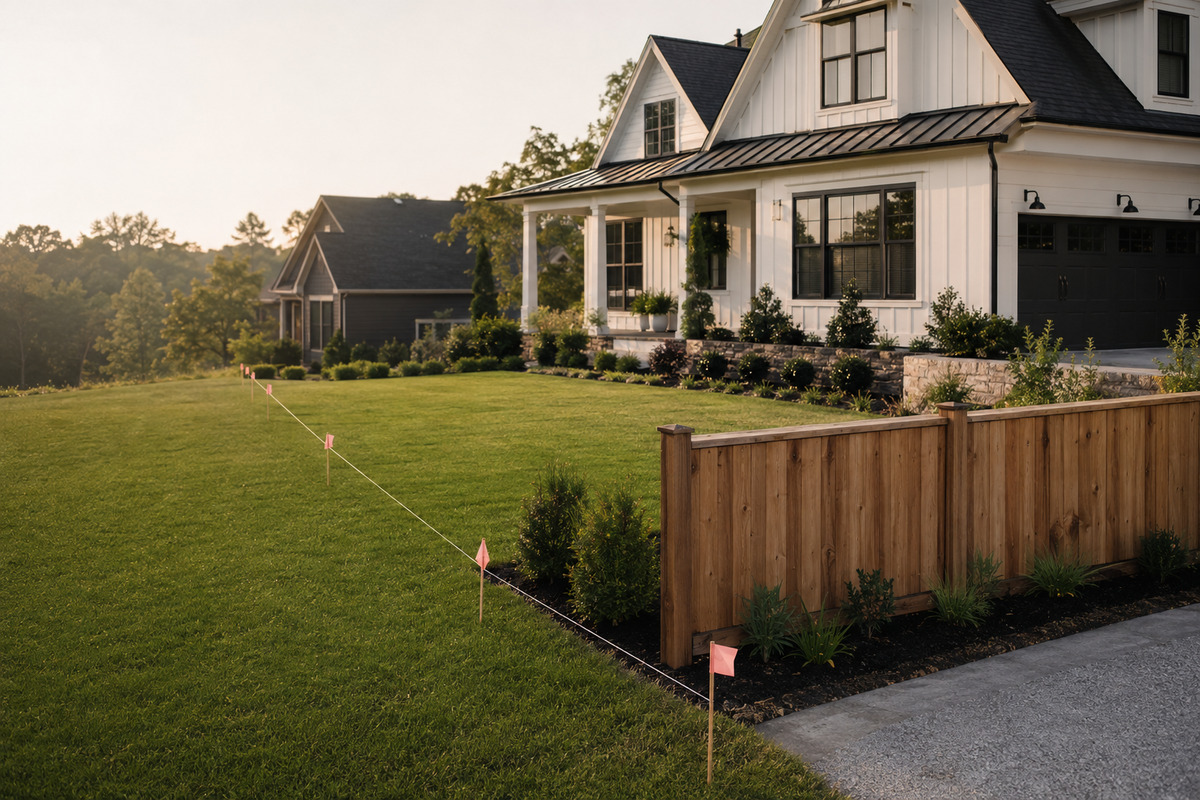
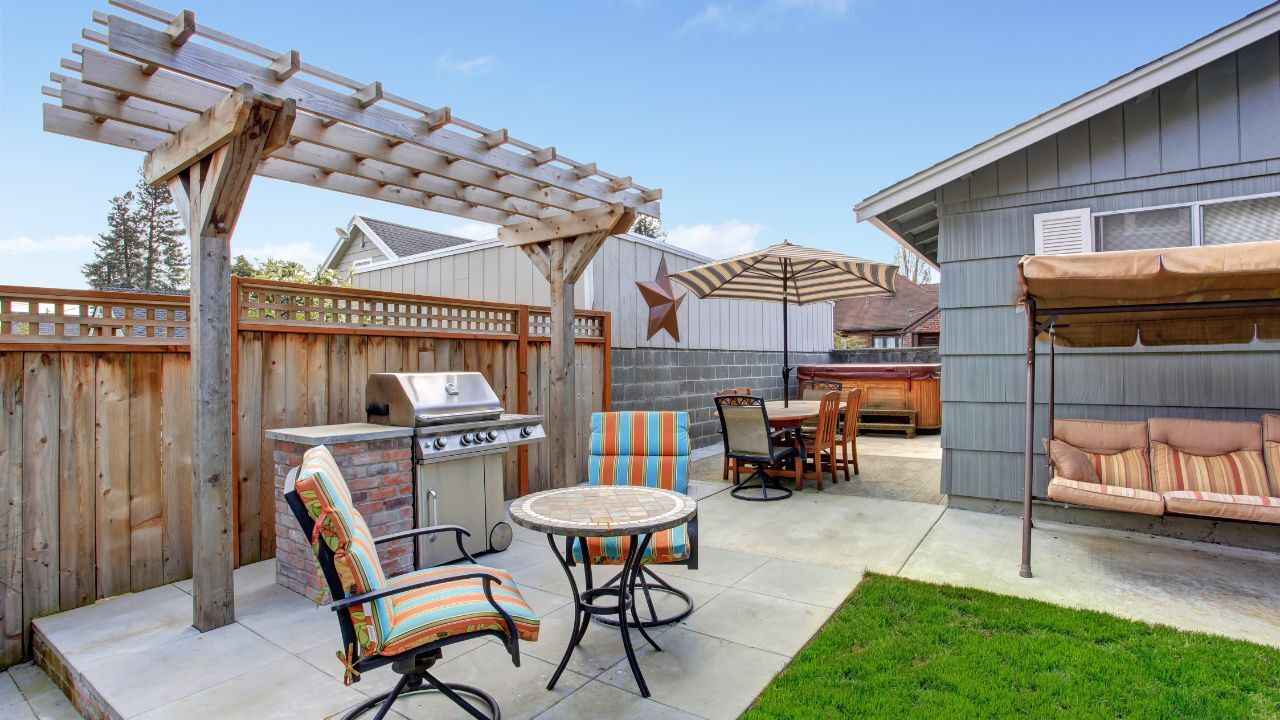
When buying a home, the yard, driveway, fence, and surrounding space may appear to clearly define the property. In reality, visible features do not always match the legal boundaries recorded for the land. Understanding property lines before closing can help you avoid future disputes, unexpected restrictions, and costly mistakes involving fences, additions, landscaping, or shared access.
Do Not Rely Only on Fences

A fence may have been installed for privacy or convenience rather than directly on the legal boundary. Trees, hedges, driveways, and retaining walls can also create the impression of a property line without confirming where the property actually begins and ends.

Review the Available Records

Property plats, subdivision maps, title documents, and county records may provide useful information about lot dimensions and boundaries. However, records can be difficult to interpret, and older documents may not reflect every physical change made to the property.

Understand Easements and Shared Areas

An easement may allow a utility company, neighbor, or public agency to use part of the property for access, drainage, power lines, or other purposes. Shared driveways and access roads may also carry legal responsibilities. These arrangements can affect how you use or improve certain portions of the land.

Consider a Professional Survey

When boundaries are unclear or you plan to add a fence, pool, garage, or other major improvement, a professional land survey can provide valuable clarity. A licensed surveyor can locate and mark the legal boundaries, helping you avoid building across a property line or violating a setback requirement.

Property lines affect more than the size of your yard. They can influence privacy, future improvements, maintenance responsibilities, and relationships with neighboring property owners. Reviewing the boundaries before you buy allows you to understand exactly what is included in the purchase and move forward with greater confidence.

This information is especially important when a lot has an unusual shape, neighboring structures sit close to the boundary, or the property includes shared features. Clarifying these details early can protect your plans and help maintain positive relationships with future neighbors. It also gives you time to resolve questions before they become closing-day concerns.

Filed Under: Real Estate Tips Tagged With: Home Buying Tips, Property Lines, Real Estate Tips

Tips For Buying a Home With a Small Backyard

July 16, 2026 by Rhonda Costa

A small backyard can still offer a wealth of potential and charm when you approach it with the right mindset. If you’re looking for a home with a smaller outdoor space, don’t dismiss the idea just because of the size.

  1. Assess Your Priorities for Outdoor Space
    Before buying a home with a small backyard, consider what you truly want from your outdoor area. Do you dream of hosting large gatherings, or would you prefer a private space for relaxation? By clearly defining how you plan to use your outdoor space, you can better assess whether a small yard will meet your needs. Understanding your priorities will help you determine if the property is a good fit.
  2. Maximize Vertical Space
    When the square footage of your backyard is limited, it’s time to think vertically. Use tall plants, hanging baskets, and vertical garden structures to create depth and interest. Trellises, planters, and even outdoor shelves can help you make the most of your small space. Vertical gardening can give your backyard a lush, green feel without taking up too much space on the ground.
  3. Consider Low-Maintenance Landscaping
    A small backyard means less space for traditional landscaping features like large flower beds or expansive lawns. Opt for low-maintenance plants that require minimal upkeep and fit well within smaller spaces. Artificial turf is also a great option if you want the appearance of grass without the hassle of mowing.
  4. Create Multi-Functional Spaces
    In a small backyard, it’s essential to maximize every inch of space. Consider creating areas that serve multiple functions. A small seating area can double as an outdoor dining space, and a raised garden bed can also provide seating if designed with benches. Folding or stackable furniture is another great way to keep things versatile and compact when not in use.
  5. Invest in Privacy Features
    In many small backyards, privacy can be a concern, especially if you live in a dense neighborhood. Consider adding features that create a sense of seclusion. Fencing, outdoor curtains, or privacy screens can help block views from neighbors and make your small backyard feel like an intimate oasis. Additionally, incorporating trees or tall shrubs can provide natural privacy while also enhancing the beauty of your yard.
  6. Choose Outdoor Furniture Wisely
    When working with a small backyard, selecting the right furniture is key. Avoid oversized or bulky furniture that could overwhelm the space. Instead, opt for compact, lightweight pieces that are easy to move around and can be tucked away when not in use. 
  7. Use Lighting to Enhance the Ambience
    Proper lighting can help make a small backyard feel larger and more inviting. String lights, lanterns, and solar-powered lights are perfect for creating a cozy atmosphere. A well-lit backyard can extend the usability of your outdoor space into the evening hours and make it feel like an extension of your home.
  8. Look for Potential for Future Expansion
    Even if a small backyard isn’t your ideal size, consider the potential for future improvement. Is there room to add a deck or patio in the future? Are there nearby areas that could be developed into additional outdoor space, such as a side yard or an unused area behind the house? Understanding the potential for expansion can make a small yard more attractive in the long term.

Buying a home with a small backyard doesn’t mean you have to sacrifice outdoor living or limit your creativity. With the right approach, even the smallest yard can be transformed into a beautiful and functional space. 

Filed Under: Home Buyer Tips Tagged With: Home Buying Tips, Outdoor Living, Small Backyard

The Benefits of Buying a Home with a Fireplace

July 15, 2026 by Rhonda Costa

A fireplace is often considered a symbol of comfort, warmth, and charm in a home. While it may seem like a luxury feature, buying a home with a fireplace can bring numerous advantages that go beyond just providing a cozy ambiance. Whether you’re looking for a functional addition or a way to increase your home’s value, a fireplace can offer both.

  1. Enhanced Comfort and Coziness
    The most obvious benefit of having a fireplace is the comfort it adds to your living space. During the colder months, a fireplace becomes a natural gathering spot for family and friends. The warmth it provides makes rooms feel more inviting and cozier, especially on chilly evenings. There’s something inherently comforting about the crackling sound and soft glow of a fire that simply cannot be replicated by other heating sources.
  2. Cost-Effective Heating
    While fireplaces may not be able to heat an entire home, they can significantly reduce heating costs by supplementing your home’s primary heating system. In areas with colder winters, using your fireplace during the evenings or on weekends can help lower energy bills, especially if you have a wood-burning or gas fireplace that is efficient at producing heat. Many homeowners also use their fireplaces as a primary source of heat in smaller spaces, allowing them to conserve energy while enjoying a natural, environmentally friendly heat source.
  3. Increased Home Value
    A fireplace is often seen as a desirable feature by prospective buyers. In fact, homes with fireplaces tend to have higher resale value compared to those without. It’s a feature that stands out during showings and can even sway buyers who might otherwise be on the fence. Fireplaces add a sense of luxury and character to a space, making a home feel more unique and inviting. Whether it’s a classic wood-burning fireplace or a sleek, modern gas fireplace, it adds a point of interest to any room.
  4. Aesthetic Appeal and Ambiance
    A fireplace is more than just a source of heat; it also serves as a visual focal point in a room. Whether it’s an ornate, vintage hearth or a contemporary design, a fireplace can complement your home’s interior design, making the space feel more elegant or cozy, depending on the style you choose. The presence of a fireplace can also enhance the ambiance, providing a sense of relaxation and tranquility that few other features can offer. It sets a perfect backdrop for family gatherings, romantic dinners, or simply unwinding after a long day.
  5. Ideal for Entertaining
    For those who love to entertain, a fireplace can elevate the social atmosphere of your home. It provides a natural gathering space for guests to relax and converse, particularly during cold weather months. Imagine hosting a dinner party or holiday gathering with the soft glow of a fire in the background—it creates an inviting, intimate setting. In addition, fireplaces often become a conversation piece, adding character to your gatherings and making them memorable.
  6. Versatility
    A fireplace can be versatile in its function. While it’s typically associated with warmth, many modern fireplaces also come with a decorative aspect. Some can be used for cooking, especially in outdoor spaces or in kitchens designed with a traditional hearth. In recent years, electric and gas fireplaces have become more flexible, allowing homeowners to control the heat output and flame appearance with ease. You can enjoy the aesthetic of a fire without the need to use it for heat, making it a year-round asset.
  7. Low Maintenance Options
    If you don’t want to deal with the hassle of maintaining a wood-burning fireplace, you can opt for gas or electric fireplaces, which require significantly less upkeep. These options provide the warmth and ambiance of a traditional fireplace without the need for regular cleaning, wood storage, or venting. Many modern gas fireplaces are designed to be sleek and easy to use, while electric options can be added to any room, providing a cozy atmosphere without the need for a chimney.

Incorporating a fireplace into your home offers a range of benefits, from providing a cozy environment to increasing your home’s resale value. Whether you prefer the traditional charm of a wood-burning fireplace or the modern convenience of a gas model, a fireplace can significantly enhance your living space. It’s an investment that not only adds comfort and style but also serves as a lasting feature that potential buyers may find highly appealing.

If you’re considering buying a home, a fireplace should be on your list of desirable features. Not only will it provide immediate benefits in terms of warmth and ambiance, but it could also be a long-term investment in your home’s value and appeal.

Filed Under: Home Buyer Tips Tagged With: Home Buying Tips, Home Features, Real Estate Tips

  • « Previous Page
  • 1
  • 2
  • 3
  • 4
  • …
  • 13
  • Next Page »

Rhonda & Steve Costa

Rhonda & Steve Costa

Call (352) 398-6790
Sunrise Homes & Renovations, Inc.

Contractors License #CBC 1254207

Let’s Keep In Touch!

  • This field is for validation purposes and should be left unchanged.

Connect With Us on Social Media

Categories

Looking For Something?

Our Location


Spring Hill, FL 34608

Equal Housing Opp

Return to top of page

Copyright © 2026 Sunrise Homes & Renovations, Inc.. All rights reserved.   Log In