
Sunrise Homes & Renovations, Inc.

  • Home
  • About
    • About Us
    • Recognition
      • Disaster Contractors Network
      • US EPA Certified
    • Accessibility Statement
  • Example Models
  • Renovations
  • Resources
    • First Time Home Buyer Tips
    • First Time Home Seller Tips
  • Blog
  • Contact

What to Do When an Inspector Finds Mold

August 29, 2024 by Rhonda Costa

Mold—it’s a word that can send shivers down the spine of any prospective homeowner. But what happens when an inspector discovers mold in your dream home? Does it mean the deal is off, or are there steps you can take to remedy the situation without walking away? Here’s a guide to help you navigate this common yet serious issue.
What Does Mold Mean for Your Home Purchase?

First, it’s important to understand that mold is a common occurrence in homes. Whether it’s in the shower, under the kitchen sink, or in an attic, many houses have some level of mold. The key is determining the extent of the problem and whether it poses a significant risk to your health or the home’s structure.

When an inspector finds mold, don’t panic. Instead, focus on understanding the situation. Ask the inspector about the severity of the mold, where it’s located, and what might be causing it. Often, mold is the result of a leak, high humidity, or poor ventilation. Identifying the root cause is crucial for effective remediation.

Next Steps: Testing and Remediation

Once you know there’s mold, your next step is to hire a professional mold tester. This specialist will determine the type of mold, the extent of its spread, and recommend appropriate actions. It’s wise to get multiple estimates and thoroughly research the testing and removal businesses. Stick with licensed, independent testers who aren’t affiliated with removal companies to avoid any conflicts of interest.

Mold removal can be tricky, and unfortunately, the industry is prone to fraudulent practices. Be wary of inflated charges and ensure that any company you hire is reputable. Keep in mind, though, that legitimate costs can rise if the mold is more widespread than initially thought. It’s not uncommon for mold to be hidden in areas that aren’t immediately visible.

DIY vs. Professional Help

In some cases, mold removal can be a DIY project, especially if the mold is localized and not too severe. There are plenty of online resources and even weekend workshops at home improvement stores that can guide you through the process. However, if the mold issue is extensive, it’s better to call in professionals. Proper mold removal is more hazardous and involved than many people realize, especially if it requires dealing with hidden or hard-to-reach areas.

The Cost Factor: Are You Covered?

Mold removal can be costly, sometimes running into the tens of thousands of dollars, especially if it involves gutting parts of the home. Before proceeding, contact your insurer to see if the mold removal and any related repairs are covered under your homeowner’s policy. Coverage often depends on the type of mold and the cause of the problem, so it’s essential to get this clarified upfront.

Moving Forward: Preventing Future Mold

If you decide to proceed with the purchase, it’s crucial to take steps to prevent mold from returning. Regular maintenance, such as caulking around sinks and showers, cleaning gutters, sealing windows, and fixing any leaks, will go a long way in keeping your home mold-free.

Don’t Let Mold Ruin Your Dream

Finding mold in a home you want to buy doesn’t have to be a dealbreaker. With the right approach, including professional help and preventive measures, you can address the issue and move forward with confidence in your purchase

Filed Under: Real Estate Tips Tagged With: Inspection, Mold Inspection, Real Estate

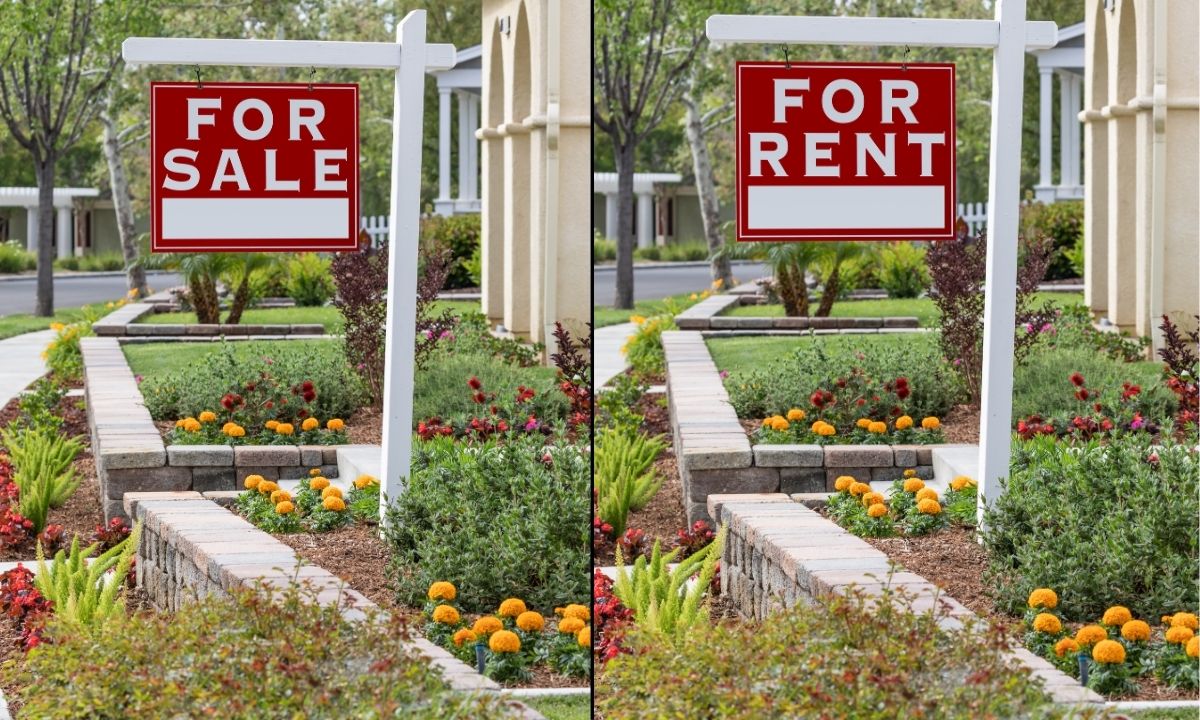
Buying a Second Home: Should You Rent or Sell Your First Property?

August 9, 2024 by Rhonda Costa

Buying a second home is an exciting milestone. Whether it’s a vacation retreat, an investment property, or a future retirement haven, the decision involves many considerations. One of the most important questions you’ll face is whether to rent out your first home or sell it. Both options have their pros and cons, and the right choice depends on your financial goals, market conditions, and personal circumstances. Let’s discuss the key factors to help you make an informed decision.

Renting Out Your First Home

Pros:

  1. Steady Income Stream: Renting your first home can provide a consistent income stream, which can help offset the mortgage on your second property.
  2. Appreciation Potential: By holding onto your first home, you may benefit from property appreciation over time, potentially increasing your long-term wealth.
  3. Tax Benefits: Rental properties come with various tax deductions, including mortgage interest, property taxes, and maintenance expenses, which can reduce your overall tax burden.

Cons:

  1. Landlord Responsibilities: Managing a rental property requires time and effort. You’ll need to handle tenant issues, maintenance, and potentially hire a property manager.
  2. Market Risks: Real estate markets can be unpredictable. If property values decrease or rental demand drops, your investment could be less profitable.
  3. Financing Challenges: Qualifying for a mortgage on your second home may be more difficult if you already have an existing mortgage. Lenders may scrutinize your debt-to-income ratio more closely.

Selling Your First Home

Pros:

  1. Immediate Equity: Selling your first home can provide a significant amount of cash, which can be used as a down payment on your second property or to pay off debts.
  2. Simplified Finances: Without the responsibilities of a rental property, you can focus entirely on your new home and its associated costs.
  3. Market Timing: If the real estate market is favorable, selling could maximize your profits, especially if your home has appreciated significantly.

Cons:

  1. Loss of Rental Income: By selling, you forgo the potential rental income and long-term appreciation benefits of keeping the property.
  2. Transaction Costs: Selling a home involves costs such as real estate agent commissions, closing fees, and possible repairs or upgrades to make the home market-ready.
  3. Emotional Attachment: Parting with a home full of memories can be emotionally challenging, especially if it’s your first home.

Making the Right Decision

To determine the best course of action, consider the following steps:

  1. Evaluate Your Financial Situation: Assess your current financial health, including income, expenses, savings, and debt. Determine how a second home purchase and either renting or selling your first property will impact your finances.
  2. Analyze Market Conditions: Research the real estate market in your area to understand trends in property values, rental demand, and economic conditions.
  3. Consult Professionals: Speak with a real estate agent, financial advisor, and mortgage lender to get expert advice tailored to your unique situation.
  4. Consider Your Long-Term Goals: Reflect on your personal and financial goals, such as retirement plans, investment strategies, and lifestyle preferences.

Ready to explore your options for buying a second home? Whether you decide to rent or sell your first property, we are here to help you every step of the way. Contact us today for personalized guidance and expert advice to make your next real estate move a success!

Filed Under: Real Estate Tips Tagged With: Real Estate Investing, Rent Or Sell, Second Home

Exploring Different Types of Home Insurance Coverage

June 26, 2024 by Rhonda Costa

When it comes to protecting one of your most significant investments—your home—having the right insurance coverage is essential. Home insurance, also known as homeowners’ insurance, offers financial protection against a wide range of potential risks, from natural disasters to theft. However, not all home insurance policies are created equal. Understanding the different types of home insurance coverage can help you make an informed decision that best suits your needs. We will touch on the various types of home insurance coverage available and what each one entails.

1. Dwelling Coverage

Dwelling coverage is the cornerstone of any home insurance policy. It protects the structure of your home, including the walls, roof, and foundation, against covered perils such as fire, wind, hail, and vandalism. This type of coverage ensures that if your home is damaged or destroyed, the insurance company will pay for repairs or rebuilding up to the policy’s limits.

Key Points:

  • Covers the physical structure of your home.
  • Typically includes attached structures like garages and decks.
  • Essential for homeowners who want to ensure their homes can be repaired or rebuilt after a disaster.

2. Other Structures Coverage

This type of coverage extends to structures on your property that are not attached to your home. Examples include detached garages, sheds, fences, and guest houses. Other structures coverage helps cover the cost of repairing or replacing these structures if they are damaged by a covered peril.

Key Points:

  • Protects detached structures on your property.
  • Coverage limits are usually a percentage of your dwelling coverage amount.
  • Important for properties with significant outbuildings.

3. Personal Property Coverage

Personal property coverage helps protect your belongings, such as furniture, electronics, clothing, and appliances, against risks like theft, fire, and water damage. This coverage typically applies to items both inside and outside your home, such as belongings in your car or luggage while traveling.

Key Points:

  • Covers personal belongings against various risks.
  • Can include off-premises coverage.
  • Consider additional coverage for high-value items like jewelry or artwork.

4. Loss of Use Coverage

Also known as additional living expenses (ALE) coverage, loss of use coverage helps cover the costs associated with living elsewhere if your home becomes uninhabitable due to a covered event. This can include hotel bills, restaurant meals, and other living expenses.

Key Points:

  • Covers additional living expenses if you cannot live in your home.
  • Helps maintain your standard of living during repairs.
  • Coverage limits vary by policy.

5. Liability Coverage

Liability coverage protects you against legal and financial responsibility if someone is injured or their property is damaged while on your property. This can include medical expenses, legal fees, and settlements or judgments. Liability coverage is crucial for safeguarding your financial assets against potential lawsuits.

Key Points:

  • Provides financial protection against lawsuits.
  • Covers bodily injury and property damage.
  • Important for mitigating risks of personal liability.

6. Medical Payments Coverage

Medical payment coverage, often called MedPay, covers medical expenses for guests who are injured on your property, regardless of fault. This coverage is designed to handle smaller, less severe injuries and can help prevent larger liability claims.

Key Points:

  • Pays for minor medical expenses of injured guests.
  • Does not require proving fault.
  • Helps avoid larger liability claims.

7. Additional Coverage Options

Depending on your location and specific needs, you might consider additional coverage options. These can include:

  • Flood Insurance: Protects against flood damage, which is typically not covered by standard home insurance policies.
  • Earthquake Insurance: Covers damage caused by earthquakes, another peril usually excluded from standard policies.
  • Sewer Backup Coverage: Protects against damage from sewer or drain backups.
  • Scheduled Personal Property Endorsement: Provides additional coverage for high-value items like jewelry, fine art, or collectibles.

Choosing the right home insurance coverage can be a complex process, but understanding the different types of coverage available can help simplify your decision. By assessing your specific needs and risks, you can tailor your home insurance policy to ensure comprehensive protection. Remember to review your policy regularly and make adjustments as your circumstances change, ensuring your home and belongings remain adequately protected.

Investing time in understanding your home insurance options is a critical step towards securing peace of mind and financial stability. Protect your home, protect your future.


Filed Under: Real Estate Tips Tagged With: Coverage Options, Insurance Coverage, Protecting Assets

What Is a Mortgage Origination Fee?

June 18, 2024 by Rhonda Costa

If you’re considering buying a home or refinancing your mortgage, you’ve probably come across the term “mortgage origination fee.” But what exactly is it? Let’s take a look at the details to help you understand what this fee entails and why it’s an important part of the mortgage process.

Understanding the Mortgage Origination Fee

A mortgage origination fee is a charge by the lender for processing your loan application. This fee compensates the lender for evaluating, preparing, and submitting your mortgage loan. Essentially, it covers the administrative costs and services provided by the lender from the beginning to the end of your mortgage application process.

How Much Is the Mortgage Origination Fee?

The mortgage origination fee is typically calculated as a percentage of the total loan amount. It usually ranges between 0.5% to 1% of your mortgage. For instance, if you’re taking out a $300,000 mortgage, an origination fee of 1% would be $3,000. This fee is generally due at closing, which is when you finalize your home purchase or refinance.

What Does the Origination Fee Cover?

The mortgage origination fee covers various services provided by the lender, including:

  • Loan Application Processing: Reviewing your application and documentation.
  • Credit Checks: Obtaining and analyzing your credit report and score.
  • Underwriting: Assessing your creditworthiness and the risk of lending to you.
  • Preparation of Loan Documents: Creating and managing all necessary paperwork for your loan.
  • Coordination with Other Parties: Communicating with real estate agents, appraisers, and other involved parties to ensure a smooth transaction.

Is the Origination Fee Negotiable?

Yes, you can negotiate the origination fee with your lender. It’s always a good idea to shop around and compare offers from different lenders. Sometimes, lenders might be willing to lower or waive the fee, especially if you have a strong credit profile or if you’re borrowing a large amount. Don’t hesitate to ask for a breakdown of the fees and discuss them with your lender.

Why Is the Origination Fee Important?

Understanding the mortgage origination fee is crucial because it directly affects your overall loan costs. It’s a part of the total closing costs, which can add up quickly. Being aware of this fee helps you plan better financially and avoid any surprises at the closing table. Additionally, knowing about the origination fee can help you make informed decisions when comparing loan offers.

Can You Avoid the Origination Fee?

While some lenders might advertise “no origination fee” loans, be cautious. Lenders might offset the waived fee by charging higher interest rates or adding other fees. It’s essential to review the entire loan estimate and understand the trade-offs. Sometimes, paying the origination fee upfront might save you money in the long run through lower interest rates.

The mortgage origination fee is a key component of the home loan process. By understanding what it is, what it covers, and how it impacts your finances, you can navigate your mortgage journey with greater confidence. Always take the time to discuss fees with your lender and ensure you’re getting the best deal possible.

Feel free to drop your questions or share your experiences with mortgage origination fees in the comments below.

Filed Under: Real Estate Tips Tagged With: Financial Awareness, Home Buying, Home Buying Tips

Tips for Making Your Home Irresistible to Buyers

June 7, 2024 by Rhonda Costa

Selling your home is a significant milestone, and you want to make sure it leaves a lasting impression on potential buyers. One of the most effective ways to achieve this is through the art of staging. Staging transforms your living space, highlighting its best features and making it irresistible to buyers. Here are some expert tips to help you master the art of staging and get your home sold faster.

1. Declutter and Depersonalize

Less is More: Start by decluttering your home. Remove excess furniture, knick-knacks, and personal items. A clutter-free space appears larger and allows buyers to visualize themselves living there.

Personal Touches: While it’s tempting to showcase family photos and personal collections, it’s best to store these away. Depersonalizing helps buyers imagine their own belongings in the space.

2. Deep Clean Every Nook and Cranny

A clean home is a must. Ensure every room is spotless, from floors to ceilings. Pay special attention to kitchens and bathrooms, as these areas can be deal-breakers for many buyers. Consider hiring professional cleaners for a thorough job.

3. Highlight Key Features

Focal Points: Identify and emphasize the focal points of each room. Whether it’s a beautiful fireplace, a stunning view, or elegant built-in shelves, make sure these features stand out.

Lighting: Proper lighting can enhance your home’s appeal. Use a mix of ambient, task, and accent lighting to create a warm and inviting atmosphere. Open curtains and blinds to let in natural light, making the space feel bright and airy.

4. Neutralize Your Color Palette

Paint: Neutral colors are universally appealing and create a blank canvas for buyers. Consider repainting walls in soft, neutral shades like beige, gray, or light taupe. These colors make rooms look fresh and larger.

Furnishings: Incorporate neutral-colored furnishings and decor. This helps create a cohesive and serene environment that appeals to a wide range of tastes.

5. Furniture Placement

Function and Flow: Arrange furniture to create a logical flow and highlight the room’s function. Ensure there is ample space to move around and that each area feels purposeful. In the living room, for instance, arrange seating to encourage conversation and showcase the space’s usability.

Scale and Proportion: Use appropriately sized furniture for each room. Oversized pieces can make a room feel cramped, while too-small items may make it seem empty and uninviting.

6. Add Inviting Touches

Fresh Flowers and Greenery: Bring life into your home with fresh flowers or potted plants. They add color, freshness, and a touch of nature, making the space more inviting.

Subtle Scents: Pleasant, subtle scents can enhance the home’s appeal. Consider light, fresh scents like citrus or vanilla. Avoid overpowering fragrances that may not suit everyone’s tastes.

7. Update Fixtures and Hardware

Modern Touches: Outdated fixtures and hardware can detract from your home’s appeal. Consider updating light fixtures, cabinet handles, and faucets to more modern, stylish options. These small changes can make a big difference.

Consistency: Ensure that fixtures and hardware throughout the home are consistent in style and finish. This creates a cohesive look that adds to the overall polished feel of the home.

8. Create Outdoor Appeal

Curb Appeal: First impressions matter. Make sure your home’s exterior is as inviting as the interior. Maintain the lawn, trim hedges, and add some colorful flowers or plants. A well-kept exterior sets the tone for what buyers can expect inside.

Outdoor Living: If you have outdoor spaces like a patio or deck, stage these areas to show their potential. Arrange outdoor furniture to create an inviting space for entertaining or relaxing.

Staging your home is an art that, when done right, can make your property stand out in a competitive market. By following these tips, you’ll create an environment that appeals to buyers’ senses and emotions, making them more likely to envision themselves living there and, ultimately, making an offer.

Filed Under: Real Estate Tips Tagged With: Declutter, Homebuyers, Real Estate

The Risks and Rewards of Short Sale Properties

May 30, 2024 by Rhonda Costa

When you’re looking to buy a home, finding a good deal is exciting, but it can also have some tricky parts. Short-sale properties are one place where this happens a lot. If you’re thinking about buying one, it’s important to know what you’re getting into. Let’s take a closer look at short sales, the associated risks, and potential benefits for consumers.

What is a Short Sale?

A short sale occurs when a homeowner sells their property for less than the outstanding mortgage balance, with the lender’s approval. This typically happens when the homeowner is facing financial hardship and is unable to keep up with mortgage payments. Instead of going through foreclosure, which can be costly and time-consuming for both parties, the lender agrees to allow the sale of the property at a reduced price.

The Risks

Lengthy Process: Short sales often involve a prolonged and complex process. Negotiations between the seller, buyer, and lender can drag on for months, leading to uncertainty and potential frustration for the buyer.

As-Is Condition: Short-sale properties are usually sold in “as-is” condition, meaning the buyer may inherit any existing issues or repairs needed. This could result in unexpected expenses post-purchase.

Uncertain Financing: Financing a short sale can be tricky. Lenders may have stringent requirements, and securing a mortgage for a property in uncertain condition might pose challenges.

Competitive Bidding: Since short sales are attractive for their potential discounts, they often attract multiple offers, leading to bidding wars. Buyers may end up paying more than anticipated or losing out to a higher bidder.

Potential for Delays or Denials: Even after months of negotiation, the lender reserves the right to reject the short sale offer, leaving the buyer back at square one.

The Benefits

Potential for Savings: The primary allure of short sales is the potential for significant savings. Buyers may acquire a property at a below-market price, providing an opportunity for instant equity.

Less Competition: While short sales can attract multiple offers, they generally have less competition than traditional sales, particularly if the property requires extensive repairs or is in a less desirable location.

Room for Renovation: Buyers with the resources and vision to renovate a property can see short sales as an opportunity to customize a home to their preferences while potentially increasing its value.

Assistance for Distressed Sellers: Opting for a short sale can be a lifeline for homeowners facing financial hardship, allowing them to avoid foreclosure and mitigate the long-term impact on their credit.

Short-sale properties require careful consideration of the associated risks and rewards. While the potential for savings and helping distressed sellers are enticing, buyers must be prepared for the challenges that come with the territory. Thorough research, patience, and working with experienced professionals can help mitigate risks and maximize the benefits of purchasing a short-sale property. Ultimately, for the savvy consumer willing to put in the effort, short sales can present a unique opportunity to secure a dream home at a fraction of the cost.

Filed Under: Real Estate Tips Tagged With: Real Estate, Short Sale Properties

  • « Previous Page
  • 1
  • …
  • 10
  • 11
  • 12
  • 13
  • 14
  • …
  • 32
  • Next Page »

Rhonda & Steve Costa

Rhonda & Steve Costa

Call (352) 398-6790
Sunrise Homes & Renovations, Inc.

Contractors License #CBC 1254207

Let’s Keep In Touch!

  • This field is for validation purposes and should be left unchanged.

Connect With Us on Social Media

Categories

Looking For Something?

Our Location


Spring Hill, FL 34608

Equal Housing Opp

Return to top of page

Copyright © 2025 Sunrise Homes & Renovations, Inc.. All rights reserved.   Log In