 Many buyers search for the best house. They want the one that checks every box, feels exciting immediately, photographs beautifully, and seems to solve every problem. Finding a home you love is important, but the best house emotionally is not always the best decision financially or practically. Sometimes the second best house is the wiser choice.
The Less Obvious Winner
The second best house is the one that may not have every dream feature, but it fits your budget better, has a stronger location, needs fewer repairs, offers a better commute, or gives you more long term flexibility. It may not create the same instant excitement, but it may create less stress after closing.
Compare Ownership, Not Just Showings
The challenge is that buyers often compare homes based on the showing experience instead of the ownership experience. During a showing, the most impressive home can win quickly. Maybe it has the updated kitchen, the perfect bathroom, the dramatic living room, or the backyard everyone wants. But once you own it, you also own the payment, maintenance, taxes, insurance, commute, repairs, and tradeoffs.
Balanced Can Beat Glamorous
The second best house may be less glamorous but more balanced. It might have an older kitchen but a better floor plan. It might have fewer upgrades but a shorter commute. It might be smaller but located in the neighborhood you really want. It might need paint but come with a payment that leaves room for savings and travel.
Competitive Markets Require Discipline
This is especially important in competitive markets. Chasing the most desirable home can lead to emotional bidding, waived protections, stretched budgets, or disappointment. A home with slightly less competition may give you more negotiating power and a calmer decision making process.
Settling Is Not the Same as Choosing Wisely
Of course, settling is different from choosing wisely. You should not buy a home that does not meet your core needs or creates major concerns. But you should know the difference between must haves and nice to haves. A must have affects safety, function, budget, location, or essential lifestyle needs. A nice to have improves enjoyment but may not determine whether the home works.
Rank Life After Closing
Before deciding, rank homes based on life after closing. Which payment feels better? Which location supports your routine? Which inspection concerns are most manageable? Which home gives you room to grow? Which one will still make sense on an ordinary weekday?
The best decision may not be the house that gives you the strongest emotional reaction. It may be the house that quietly supports your finances, schedule, and peace of mind. In real estate, the winner is not always the most impressive option. Sometimes the second best house is the one that helps you live the best life.
 Closing day feels like the end of the homebuying journey. You sign the documents, receive the keys, and finally become a homeowner. It is a major milestone worth celebrating. But from a mortgage and financial planning perspective, closing day is not the finish line. It is the starting point of a new phase.
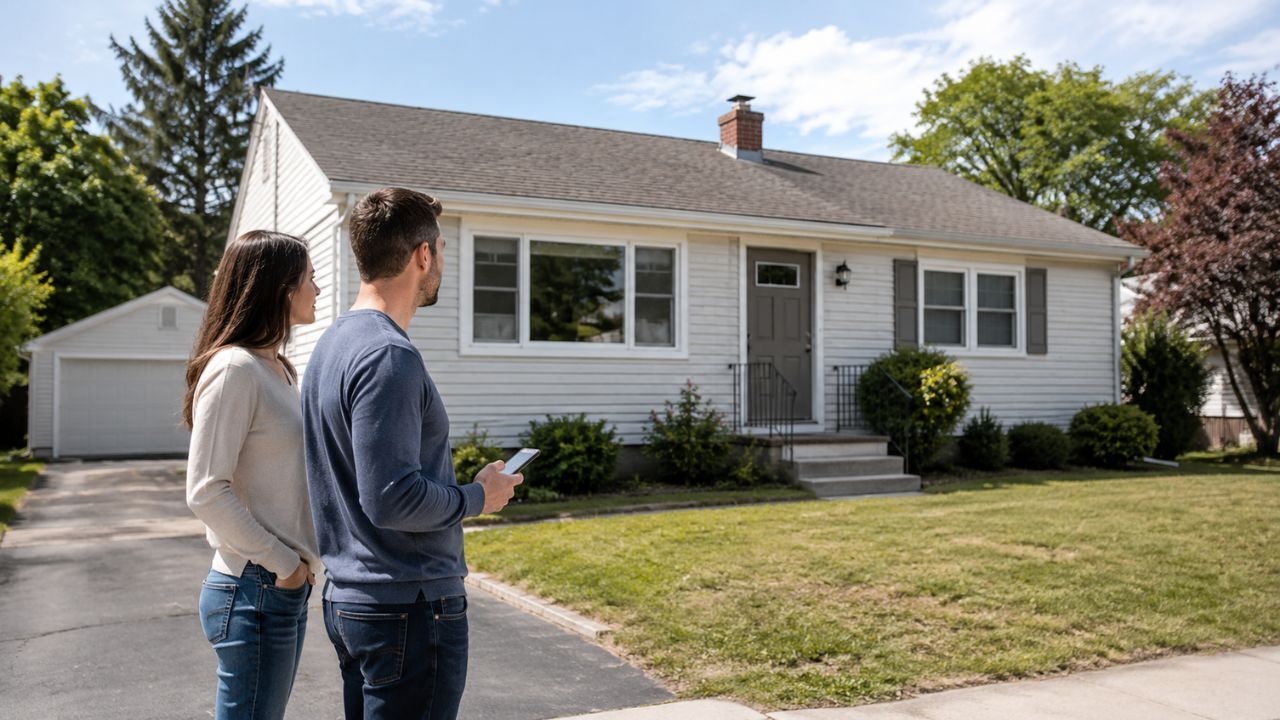 In a world full of dramatic kitchens, spa bathrooms, statement lighting, and perfect social media homes, the boring house often gets overlooked. It may not photograph beautifully. It may have plain walls, older carpet, basic cabinets, or landscaping that needs attention. But for some buyers, the boring house can be one of the smartest mortgage decisions they make.
 Signing a purchase agreement is one of the most important steps in the home buying process. It is the point where your offer becomes a legally binding contract, and understanding what you are agreeing to is critical.
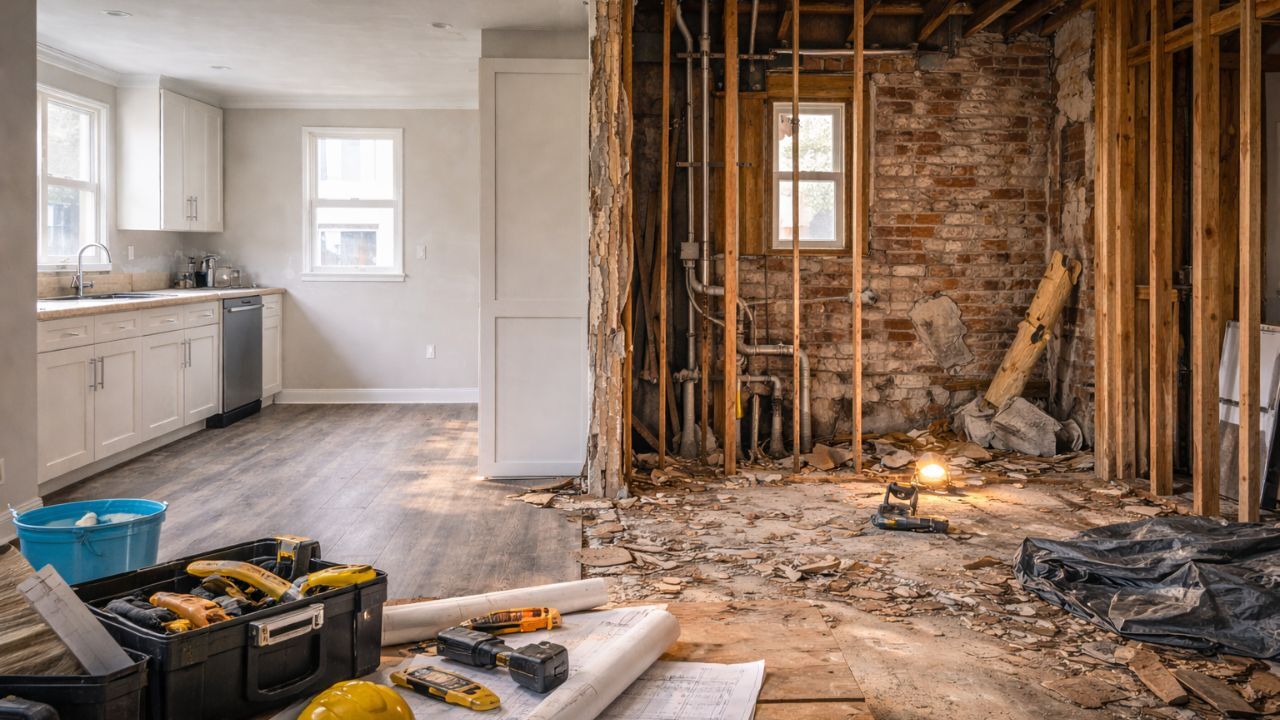 Fixer uppers attract buyers looking for value, personalization, and long term upside. The idea of transforming a property into something uniquely yours is compelling. However, not all renovation opportunities are created equal. The real skill in buying a fixer upper is distinguishing between manageable cosmetic upgrades and deeper structural or functional limitations that can quietly erode your budget and timeline.
 Buying a home is a major milestone, and knowing when you are truly ready can give you confidence throughout the entire process. Many future homebuyers wonder if their finances are strong enough or if they should wait another year. The truth is that homeownership readiness is less about perfection and more about preparation. When several key financial indicators line up, you can move forward with clarity, confidence, and a sense of stability.