 When people are looking for a home, they are often looking for something that is move-in ready. While this might make the process easier, this can also make the home much more expensive. It is still possible to find a dream home even if the house requires a bit of renovation. This is also a great opportunity for homeowners to customize the home to meet their needs. What do potential homeowners need to know about taking out a mortgage to renovate a fixer-upper when compared to a conventional home loan? Take a look at some helpful information below.
When Buying A Fixer-Upper Is The Right Decision
There are several situations where buying a renovation project might seem like the logical decision. Remember that these projects are going to take time and money, so homeowners need to have both of these resources to complete the project. Of course, these projects are going to require a lot of construction skills, so it is important to either have the equipment and expertise or be willing to hire someone to do this. Furthermore, it is critical to look at the value of the property once the project is done. What type of return should homeowners expect after they finish the project? It should meet the needs of the homeowner while also providing a significant return.
Understanding The Financing Options
Homeowners are unlikely to have the cash to pay for all of these out of pocket, so it is important to take a look at a few financing options. An FHA 203k Mortgage is often a great option for those with a credit score of 580 or higher. These loans can cover a diverse array of construction projects.
There are also Fannie Mae HomeStyle Renovation Loans, which allow people to borrow up to 50 percent of the total value of the home for the project. Homeowners can also borrow against projected equity instead of having to wait to take out a traditional cash-out home refinance. This loan requires a credit score of 680 or higher and the renovation must be completed in less than 12 months.
These two loan options could be helpful for those who are looking to complete a home renovation project.
 Curb appeal is often neglected by sellers. So much attention is spent getting the inside of a home cleaned up that the outside is left until last. This is a mistake. Landscaping and gardens are the first things a prospective buyer sees. Following these tips ensures homes look their best and give a positive first impression.
 Last week’s economic reporting included readings on job openings, inflation, and consumer sentiment. Weekly readings on mortgage rates and jobless claims were also released.
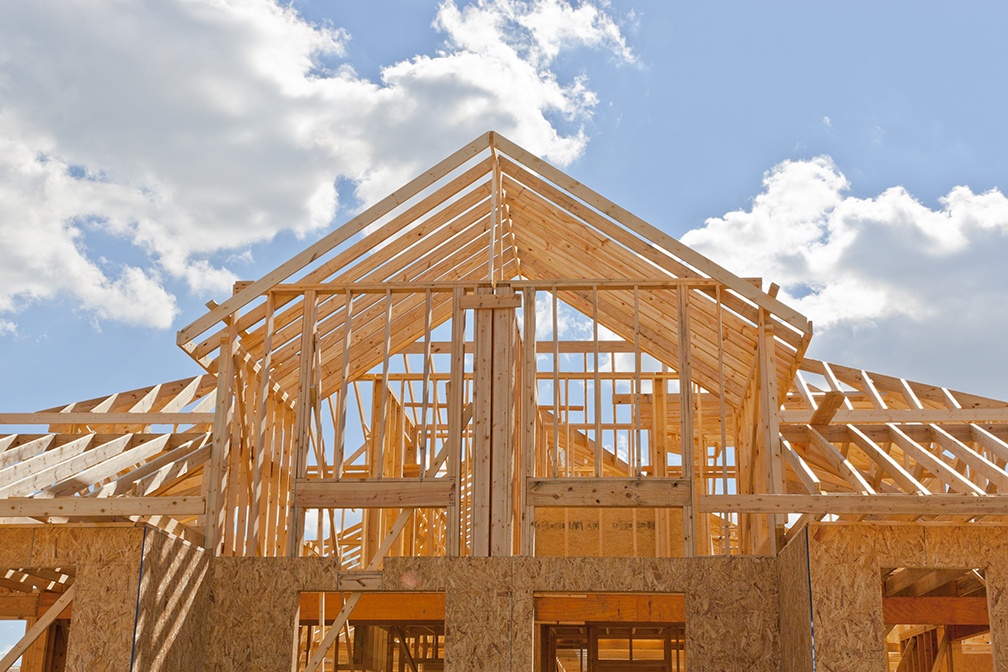 Because the housing market is so competitive right now, many buyers are looking at alternative options. Instead of looking for a resale home, some buyers are considering a new home. What is the process of taking out a loan on a new construction home? There are several factors buyers should consider.
 Once you’re done with debt and you’ve started to save, it’s commonly the case that you’ll start hearing about the risks and rewards of investing in stocks or real estate. Unfortunately, it can be difficult for many people to know what type of investment is going to work better for them down the road. If you’re currently considering what you should put your money into, here are some reasons you may want to turn to real estate.
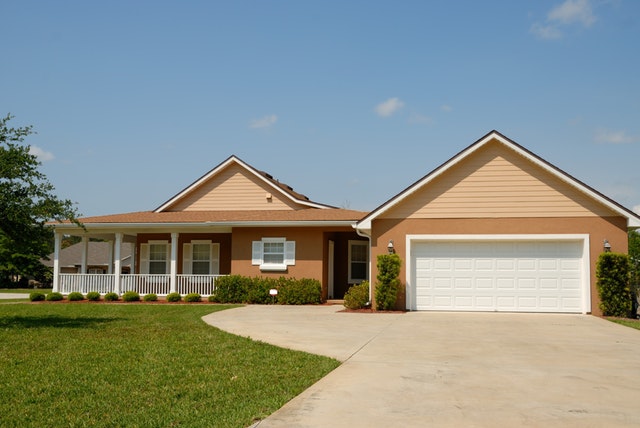 There are many factors that buyers need to consider when they are evaluating a potential property. Sometimes, buyers run across properties that have to deal with something called a Homeowners’ Association, or HOA.