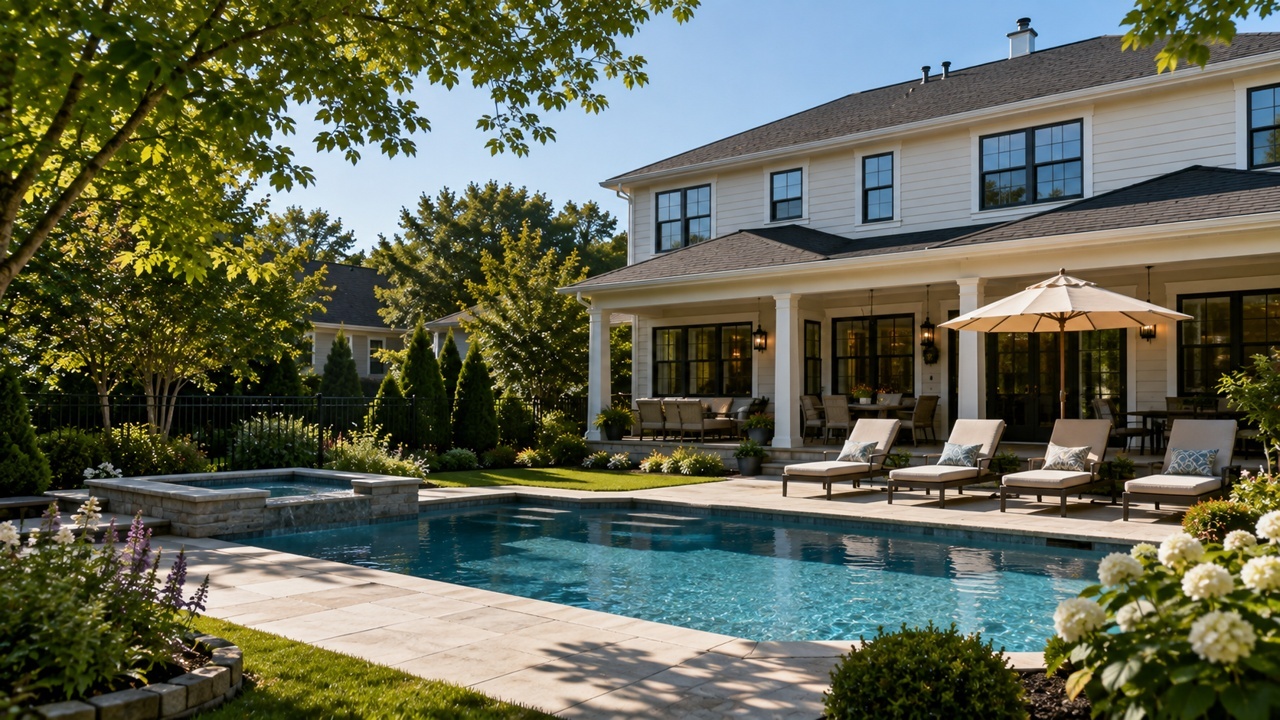
 A backyard pool can make a home feel like a private retreat. For buyers who enjoy swimming, entertaining, or spending time outdoors, it may be a major selling point. Before falling in love with the idea, however, it is important to understand the maintenance, expenses, and responsibilities that come with pool ownership.
Inspect the Pool’s Condition
The appearance of the water does not tell you everything about the condition of a pool. Pumps, filters, heaters, plumbing, surfaces, lighting, and other equipment may eventually require maintenance or replacement.
Consider having the pool evaluated by an experienced professional so you have a clearer understanding of its current condition.
Understand Ongoing Expenses
Pools create expenses beyond the initial home purchase. Water, electricity, chemicals, routine cleaning, equipment maintenance, and occasional repairs should all be considered.
If you plan to hire a pool service rather than maintain it yourself, include that expense when estimating your monthly homeownership budget.
Ask About Safety Features
Safety should be a priority for any household with a pool. Look at fencing, gates, covers, alarms, lighting, and the overall design of the pool area.
Requirements vary by location, so buyers should understand applicable local regulations and determine whether additional safety improvements may be appropriate for their household.
Consider Insurance
A pool may affect homeowners insurance requirements or costs. Contact your insurance professional before purchasing so you understand how the pool could affect your coverage and whether additional liability protection should be considered.
Think About How Much You Will Use It
A pool provides the greatest value when it fits your lifestyle. Consider the local climate, how often you realistically expect to swim, and whether you enjoy the maintenance responsibilities that accompany it.
For some buyers, a pool becomes the centerpiece of outdoor living. For others, the maintenance eventually outweighs the enjoyment.
Buying a home with a pool can be a wonderful decision when you understand what ownership involves. Evaluating its condition, ongoing costs, safety considerations, and how well it fits your lifestyle can help you determine whether that backyard retreat is truly the right addition to your next home.
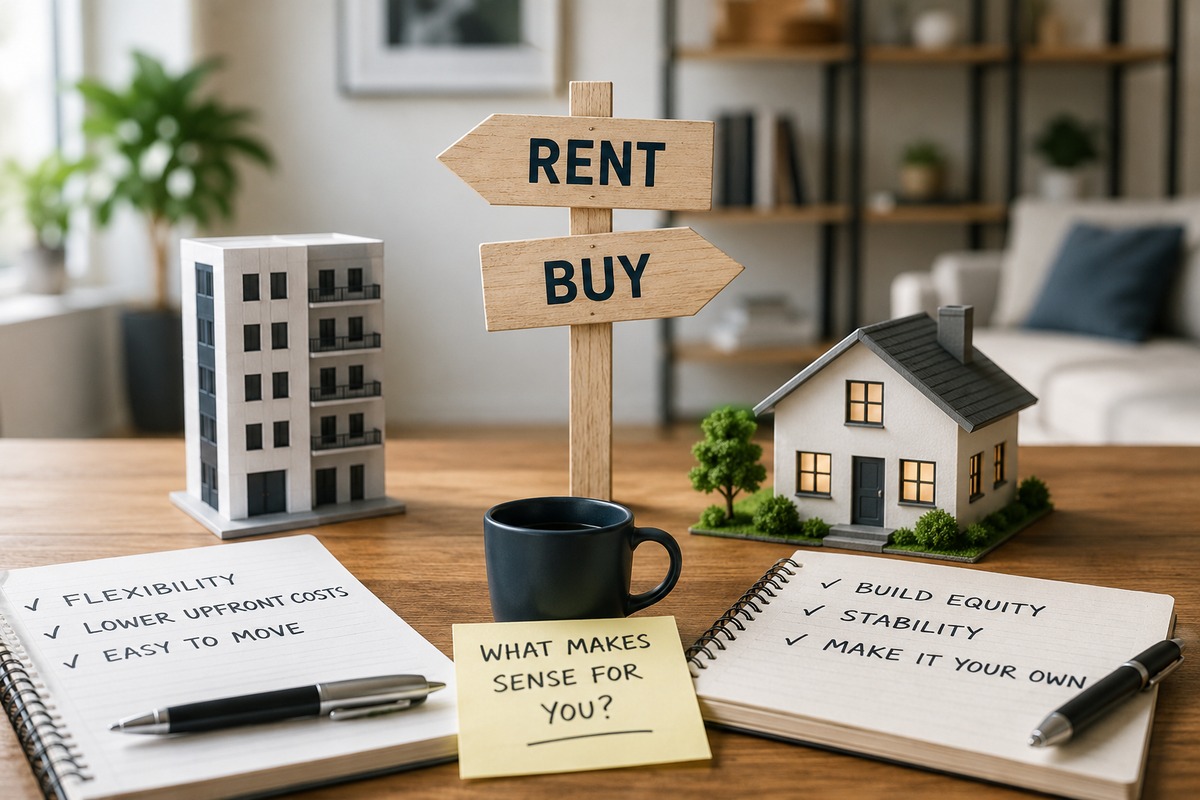 Deciding whether to rent or buy a home isn’t always as simple as comparing a rent payment with a mortgage payment. Both options come with benefits, costs, and tradeoffs—and the right choice depends on where you are financially, what you want from your lifestyle, and how you see the next several years unfolding.
 Buying a home is one of the biggest financial decisions you will ever make, and while it is easy to focus on your current needs, it is equally important to think about the years ahead. The home that fits your lifestyle today should also have the flexibility to support your future goals. Looking beyond your immediate needs can help you make a decision you will feel confident about for years to come.
 Many homebuyers are attracted to neighborhoods with well-maintained landscaping, community amenities, and a consistent appearance. These neighborhoods are often governed by a Homeowners Association, commonly known as an HOA. Before purchasing a home in one of these communities, it is important to understand how an HOA operates and how it may affect your daily life and monthly budget.
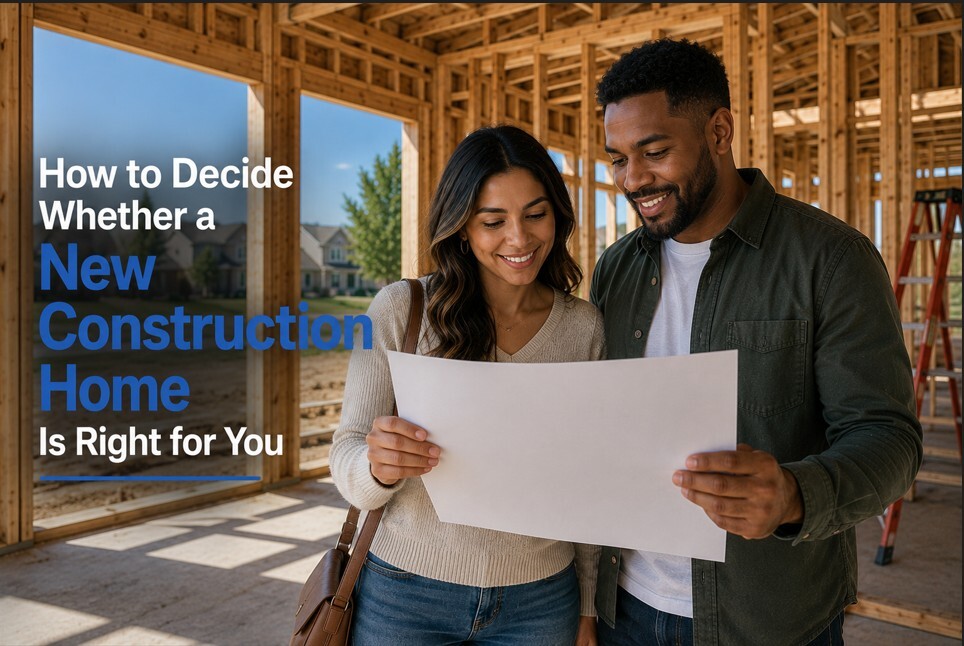 Buying a newly built home can be an exciting option for many buyers. From modern floor plans to energy-efficient features, new construction offers benefits that existing homes may not. At the same time, purchasing a brand-new home comes with its own considerations. Understanding both the advantages and potential tradeoffs can help you determine whether a new construction home is the right fit for your lifestyle and long-term goals.
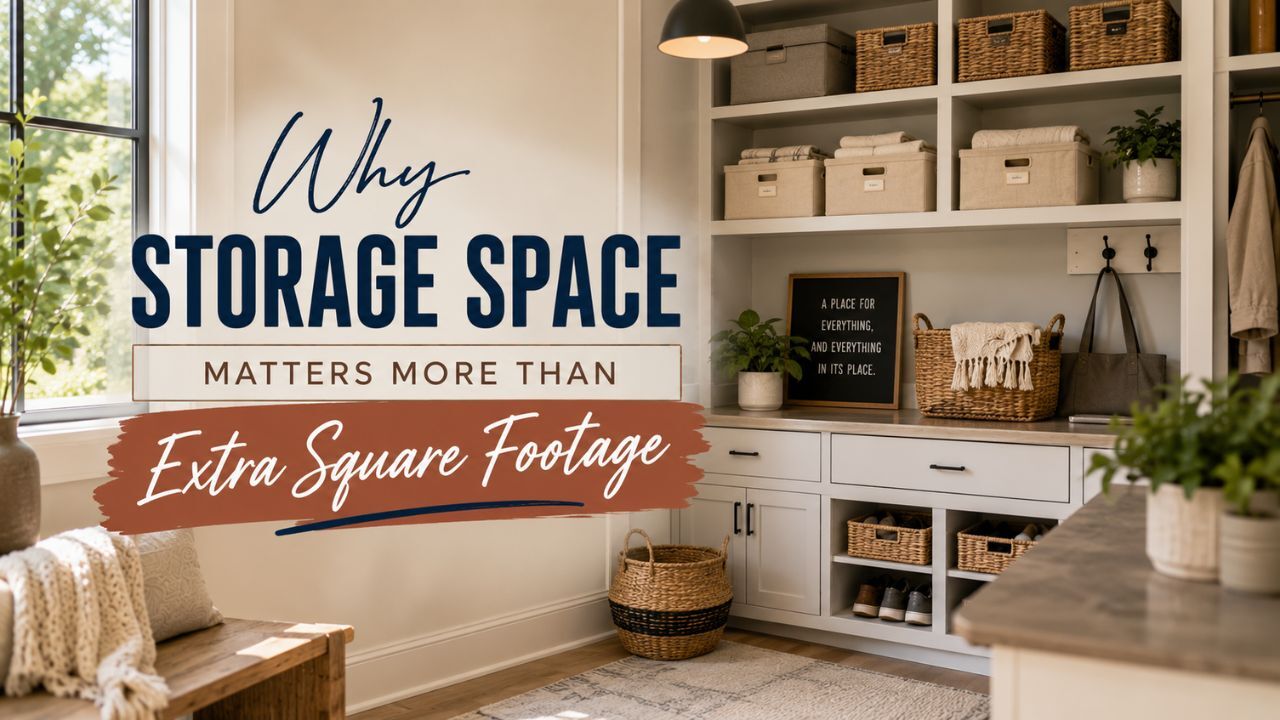 When searching for a new home, many buyers focus on the total square footage. While having additional living space can certainly be appealing, it is not always the feature that has the biggest impact on everyday life. A well-designed home with plenty of storage often feels more comfortable and organized than a larger home with limited places to keep everyday belongings. Looking beyond the square footage can help you choose a home that works better for the way you live.