
Sunrise Homes & Renovations, Inc.

  • Home
  • About
    • About Us
    • Recognition
      • Disaster Contractors Network
      • US EPA Certified
    • Accessibility Statement
  • Example Models
  • Renovations
  • Resources
    • First Time Home Buyer Tips
    • First Time Home Seller Tips
  • Blog
  • Contact

The Five Signs You Are Financially Ready for Homeownership

December 31, 2025 by Rhonda Costa

Buying a home is a major milestone, and knowing when you are truly ready can give you confidence throughout the entire process. Many future homebuyers wonder if their finances are strong enough or if they should wait another year. The truth is that homeownership readiness is less about perfection and more about preparation. When several key financial indicators line up, you can move forward with clarity, confidence, and a sense of stability.

You Have Steady, Reliable Income
Lenders want to see consistent income, and this is one of the strongest signs you are ready to buy a home. Whether you are salaried, hourly, self-employed, or commission based, the goal is to show a predictable pattern. If your income has been stable for at least two years or if you have a new job offer in a similar field, you are likely to meet this requirement. Steady income helps lenders trust that you can handle a long-term mortgage payment.

You Have Built a Strong Credit Profile
A strong credit profile helps you qualify for better rates, which lowers your long-term costs. Paying bills on time, keeping balances low, and avoiding new debt in the months before applying all help build a healthy score. Even if your credit is not perfect, upward progress is a great sign. Lenders look for responsible credit habits and consistent on-time payments, so strengthening your credit is one of the best ways to prepare for homeownership.

You Have Savings Beyond Your Down Payment
Your down payment is important, but having money left over afterward is just as essential. Savings for closing costs, moving expenses, and an emergency fund help you stay financially secure once you buy a home. A good rule is to have at least one to two months of living expenses set aside after closing. This financial cushion protects you from surprises and gives you peace of mind as a new homeowner.

You Can Comfortably Afford a Monthly Payment
Being ready for homeownership means being able to handle your mortgage payment without stretching your budget. A comfortable payment includes not only the mortgage, but also homeownersí insurance, taxes, utilities, and maintenance. If you can estimate these costs and still have room for savings, entertainment, and daily expenses, that is a strong sign you are financially ready. A comfortable payment leads to long-term stability.

You Have Managed or Reduced Your Debt
You do not need to be debt free to buy a home, but manageable debt makes the process easier. Lower credit card balances, small car payments, and responsible loan management help strengthen your debt-to-income ratio. Lenders look at how much debt you carry compared to your income, so reducing balances or paying off high-interest accounts can make a big difference.

Being financially ready for homeownership is about more than numbers, it is about preparation, habits, and confidence. When your income is steady, your credit is improving, your savings are growing, and your debt is manageable, you are well on your way to owning a home you can enjoy for years to come.

Filed Under: Home Buying Tips Tagged With: First Time Buyers, Home Ownership, Mortgage Tips

How to Keep Your Purchase on Track And Overcoming Home Buying Delays

May 7, 2025 by Rhonda Costa

Buying a home is one of the most exciting milestones in life, but it’s also a process that can sometimes come with unexpected delays. Whether it’s financing hiccups, inspection issues, or paperwork snags, knowing how to keep your purchase on track can make a huge difference. Here’s what you can do to stay proactive and keep moving forward toward your dream home.

  1. Get Pre-Approved, Not Just Pre-Qualified
    One of the first steps to avoid delays is getting pre-approved for your mortgage. A pre-approval shows sellers you’re serious and financially ready to buy, and it gives you a clear picture of your price range. Pre-qualification is a helpful first look, but full pre-approval can speed up the buying process significantly when you find the right home.
  2. Stay Organized and Responsive
    During the home buying process, you’ll be asked for a lot of documentation — tax returns, pay stubs, bank statements, and more. Having these documents ready to go can prevent last-minute scrambles. Also, respond quickly to requests from your agent, lender, and title company. Even a one – or two-day delay in getting a document can push back your closing date.
  3. Be Flexible with Scheduling
    Inspections, appraisals, and final walkthroughs often require coordinating multiple schedules. Try to be as flexible as possible so these important steps don’t get delayed. A missed inspection window could mean waiting an extra week,  or more, for the next available appointment.
  4. Communicate Openly with Your Agent
    Your real estate agent is your advocate and guide. Keep the lines of communication open, and don’t hesitate to ask questions. If something feels off or unclear, bringing it up early can prevent larger issues down the line. Your agent can also help troubleshoot potential delays before they become serious problems.
  5. Avoid Big Financial Changes
    Once you’re under contract, try to keep your financial situation steady. Opening new credit lines, making big purchases, or changing jobs can all trigger red flags during your final mortgage approval. To avoid delays,  or even denial, hold off on major financial moves until after you’ve closed on your new home.
  6. Prepare for Possible Repairs or Negotiations
    Home inspections sometimes uncover issues that need to be addressed before closing. Be mentally prepared for the possibility of negotiating repairs, asking for credits, or even making minor repairs yourself if it means keeping the transaction on schedule. Flexibility and a solutions-first mindset can keep the deal moving forward.
    7. Understand Your Contract Dates
    Your purchase contract will have key dates like contingency removal deadlines and closing dates. Stay familiar with these dates, and make sure you’re on track to meet them. Missing a contractual deadline can cause delays or even jeopardize your purchase altogether.

While delays can happen in any real estate transaction, preparation, communication, and flexibility are your best tools for overcoming them. Partnering with an experienced real estate agent and staying actively engaged throughout the process will help keep your home purchase on track and help you move into your new home with confidence and excitement.

Filed Under: Home Buying Tips Tagged With: First Time Buyer, Home Ownership, Real Estate Advice

Why Timing Your Home Purchase Right Matters More Than You Think

May 6, 2025 by Rhonda Costa

For many people, buying a home is one of the most significant financial decisions they’ll make in their lifetime. It’s easy to get caught up in the excitement of home shopping, but it’s crucial to consider more than just the aesthetic appeal of a property. Timing is everything, especially in the world of mortgages.

If you’re thinking about buying a home, it’s essential to understand how timing can impact your mortgage rate and overall purchasing power. Whether you’re a first-time homebuyer or a seasoned real estate investor, making your move at the right time could save you thousands of dollars in the long run.

Interest Rates and the Cost of Borrowing
The interest rate on your mortgage can make a huge difference in how much you’ll pay each month, and even more significantly, the total amount you’ll pay over the life of the loan. Mortgage rates fluctuate based on several factors, including the state of the economy, inflation, and the Federal Reserve’s monetary policy. In times of economic growth, mortgage rates tend to rise as the demand for borrowing increases, while in times of economic uncertainty, rates may fall to stimulate spending and investment.

Knowing when mortgage rates are at their lowest is key to saving money. Even a small difference in your interest rate can lead to big savings. For instance, on a 30-year loan, a rate that’s just 1% lower could save you thousands of dollars in interest over the life of the loan. If you’re in the market for a home, it’s wise to keep an eye on interest rate trends and consider locking in a favorable rate when possible.

Seasonality and Housing Market Trends
Just like mortgage rates, the housing market itself follows seasonal patterns. Generally speaking, spring and summer are considered the “hot” seasons for real estate. Families with school-aged children often want to move before the new school year begins, which leads to increased demand for homes. This surge in demand can drive up home prices, making it more competitive to buy.

On the other hand, the winter months tend to be quieter in terms of real estate activity. Fewer people are shopping for homes during the colder months, which may create opportunities for buyers to negotiate better deals and avoid bidding wars. While there may be fewer listings, homes that are on the market during this time might be more motivated to sell, which can work in your favor.

Personal Readiness and Financial Considerations
Timing isn’t just about the market – it’s also about you. Are you financially ready for the responsibility of homeownership? Assess your credit score, debt-to-income ratio, and savings for a down payment before jumping into the market. Lenders will evaluate these factors when determining the terms of your mortgage, so making sure you’re financially prepared can increase your chances of securing a favorable rate.

While you can’t control the housing market or interest rate fluctuations, you can time your purchase strategically and make sure you’re financially prepared for the long-term commitment. With the right timing and preparation, you’ll be able to find the best mortgage deal and ensure a smooth and successful home buying experience.

Filed Under: Home Buying Tips Tagged With: Home Ownership, Mortgage Rates, Real Estate Advice

Why Some Homes Come with Deed Restrictions You Shouldn’t Ignore

May 2, 2025 by Rhonda Costa

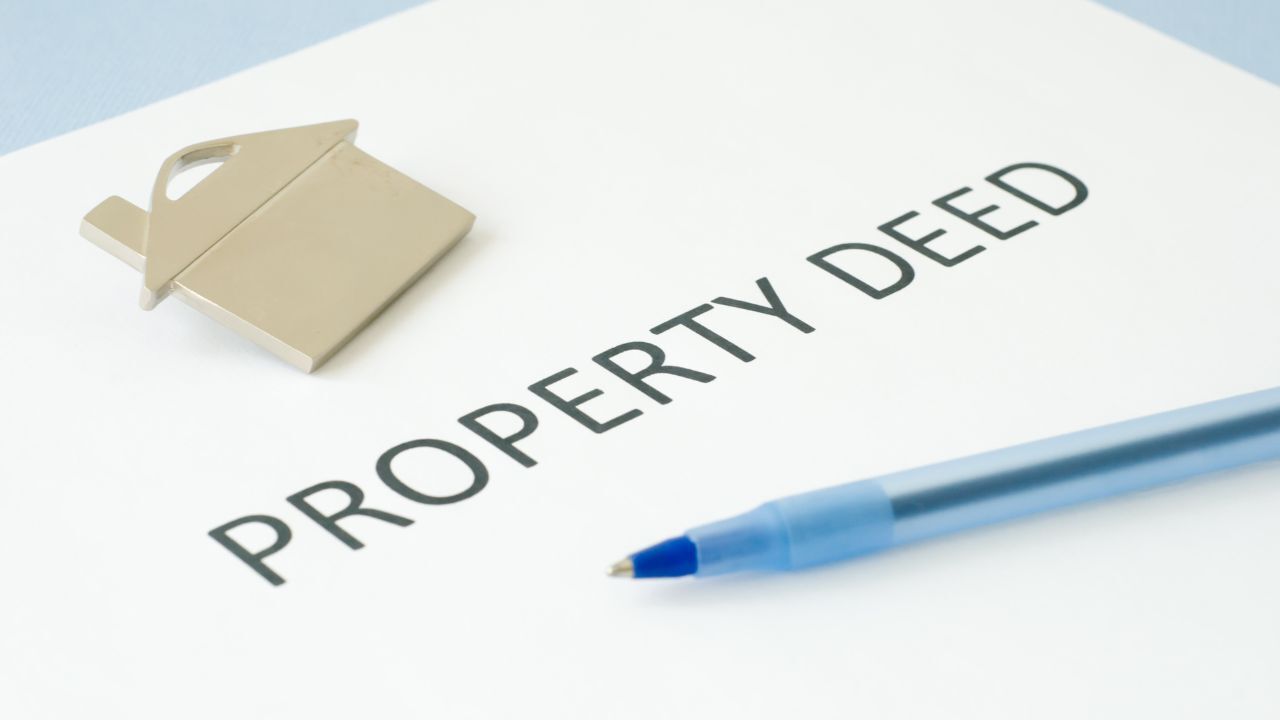
When buying a home, most buyers focus on location, price, and features. However, deed restrictions—legally binding rules that dictate how you can use your property—are equally important. Ignoring them can lead to unexpected limitations and challenges.

What Are Deed Restrictions?

Deed restrictions, also known as restrictive covenants, are rules placed on a property’s deed by developers, homeowners’ associations (HOAs), or local governments. Unlike zoning laws, which are enforced by municipalities, deed restrictions are upheld by private entities like HOAs or developers. Violating them can result in fines, legal action, or forced compliance.

Common Deed Restrictions

Understanding deed restrictions before purchasing a home is crucial. Here are some common restrictions:

  1. Home Modifications & Renovations
    • Requiring HOA approval for exterior paint colors or structural changes.
    • Setting height limits on fences or additions like sheds and pools.
  2. Business & Rental Restrictions
    • Prohibitions on home-based businesses with customer traffic.
    • Bans on short-term rentals like Airbnb.
    • Limits on parking work-related vehicles in residential areas.
  3. Pet & Livestock Regulations
    • Breed or size restrictions for dogs.
    • Limits on the number of pets allowed.
    • Bans on farm animals like chickens or goats.
  4. Landscaping & Outdoor Features
    • Restrictions on specific plant types, trees, or grass varieties.
    • Approval requirements for solar panels or satellite dishes.
    • Rules on sheds, gazebos, or outdoor structures.
  5. Parking & Vehicle Rules
    • Where you can park boats, RVs, or trailers.
    • Whether overnight street parking is allowed.
    • Garage vs. driveway parking requirements.

Why Deed Restrictions Matter

  • They Are Legally Binding: Once you buy a home with deed restrictions, you must follow them.
  • They Can Impact Resale Value: Buyers may avoid homes with excessive limitations.
  • They May Conflict With Your Plans: Restrictions can prevent renovations, rentals, or business operations.

How to Check for Deed Restrictions

  • Review the Property Deed: The deed outlines any restrictive covenants.
  • Request HOA Documents: Obtain the bylaws and CC&Rs (Covenants, Conditions, and Restrictions).
  • Consult a Professional: A real estate agent or attorney can clarify complex restrictions.
  • Check Local Regulations: Some restrictions may be enforced at the municipal level.

Deed restrictions are designed to maintain community standards and protect property values, but they can also limit how you use your home. Before buying, carefully review any restrictions to ensure they align with your lifestyle and long-term plans. Taking the time to understand these rules can prevent costly surprises and help you make an informed decision.

Filed Under: Real Estate Tips Tagged With: Deed Restrictions, Home Ownership, Real Estate

Buying a Home with Friends: A Growing Trend in Homeownership

March 25, 2025 by Rhonda Costa

For many aspiring homeowners, skyrocketing prices and strict lending requirements have made purchasing a home feel out of reach. But instead of giving up on the dream, some buyers are getting creative by teaming up with friends to buy a home together.

This unconventional approach to homeownership is gaining popularity, especially among millennials and Gen Z buyers who value financial flexibility and shared responsibilities. But is buying a home with friends the right move for you? Let’s explore why this trend is growing, the potential benefits, and what you should consider before taking the plunge.

Why More Friends Are Buying Homes Together

  • Affordability in a Competitive Market
    With home prices and interest rates rising, splitting the costs of a home makes it easier to afford a property that might otherwise be out of reach.
  • Shared Financial Responsibilities
    Mortgage payments, property taxes, utilities, and maintenance expenses are divided among multiple people, reducing financial strain on any single buyer.
  • Building Equity Instead of Renting
    Instead of paying rent to a landlord, co-buyers can start building wealth through homeownership while having a place to live or rent out.
  • A Strategic Investment Opportunity
    Some friends purchase a home as an investment property, renting out rooms or short-term leasing for passive income while also benefiting from property appreciation.
  • Flexibility and Alternative Lifestyles
    Many young buyers see homeownership with friends as a way to maintain independence while still having the benefits of a stable living situation.

Challenges and Considerations

While buying a home with friends can be a great financial move, it also comes with potential risks. Here’s what you need to think about before signing on the dotted line:

  • Creating a Legal Co-Ownership Agreement
    Before purchasing, it’s crucial to draft a legally binding agreement that outlines each person’s financial contributions, ownership percentage, decision-making processes, and an exit strategy in case someone wants to move out or sell their share.
  • Understanding Mortgage and Credit Implications
    Lenders will assess all buyers’ financial profiles, and if one person has poor credit, it could impact the mortgage terms for everyone. Additionally, if one friend defaults on their share of the payment, the others may have to cover it.
  • Lifestyle Compatibility
    Living with friends is different from casually hanging out. Make sure you align on expectations regarding chores, guests, quiet hours, and household rules to avoid conflicts.
  • Long-Term Planning
    What happens if one person wants to move out? Will you rent their room or sell the property? Discussing long-term goals upfront can prevent misunderstandings later.

Is Buying with Friends Right for You?

If you’re comfortable with open communication, trust your co-buyers, and have a solid legal agreement in place, purchasing a home with friends can be a fantastic way to enter the housing market sooner. However, if you prefer more control over your living situation or are unsure about long-term commitment, renting or buying solo may be a better option.

As the cost of homeownership continues to rise, buying a home with friends is becoming an increasingly viable option for many. It’s a strategy that requires careful planning, but with the right approach, it can be a smart financial decision that benefits all parties involved.

Thinking about taking this step? Make sure you consult a real estate professional and a legal expert to ensure you’re making the best move for your future.

Filed Under: Real Estate Tagged With: Home Buying, Home Ownership, Real Estate

5 Ways Owning a Home Builds Wealth

December 26, 2024 by Rhonda Costa

Owning a home is a milestone that goes beyond providing a roof over your head. It’s one of the most significant ways individuals can build wealth over time. Unlike renting, homeownership offers financial and personal rewards that grow with time and care. Let’s discuss five ways owning a home can help build long-term wealth.

1. Appreciation Over Time

Real estate historically appreciates in value. While market fluctuations can happen, home prices generally trend upward over the long term. For example, a home purchased for $250,000 today might be worth significantly more 10-20 years later. This appreciation creates equity, which is the difference between the home’s market value and the remaining mortgage balance. Over time, this equity can be a substantial financial asset.

2. Forced Savings Through Mortgage Payments

Unlike rent, which doesn’t build any ownership, each mortgage payment chips away at your loan balance. This process builds equity in your home—a form of forced savings. Over time, you’re essentially transferring money from your pocket into a growing asset. When you eventually sell or refinance, this equity becomes available, providing a solid financial boost.

3. Tax Benefits

Homeownership often comes with significant tax advantages. Mortgage interest and property tax payments are typically deductible on federal tax returns, reducing your taxable income. Some states offer additional tax incentives for homeowners. These deductions can save you thousands of dollars annually, leaving more money in your pocket to invest, save, or use for other financial goals.

4. Rental Income Potential

Owning a home opens the door to passive income opportunities, such as renting out a portion of your property or transforming it into a vacation rental. Whether it’s a spare room or a fully independent unit, rental income can cover your mortgage payments or fund other investments, further enhancing your wealth-building journey.

5. Stability and Wealth Preservation

Homeownership provides financial stability and a hedge against inflation. Rent prices tend to increase over time, while a fixed-rate mortgage payment remains consistent. As your income grows, your housing expense becomes a smaller portion of your budget, leaving more room for savings and investments. Additionally, owning a home gives you control over your property, eliminating the risk of being forced to move due to a landlord’s decisions.

The Long-Term Impact of Homeownership

Owning a home is more than just a personal achievement; it’s a steppingstone to financial security. By building equity, benefiting from tax advantages, and potentially generating rental income, homeowners create wealth that can be passed down through generations. It’s an investment in both your present comfort and your future prosperity.

If you’re considering buying a home, start by understanding your financial goals and exploring mortgage options that fit your needs. The path to homeownership might seem challenging, but the long-term rewards are worth it.

Filed Under: Real Estate Tips Tagged With: Build Wealth, Home Ownership, Real Estate Investing

  • 1
  • 2
  • 3
  • 4
  • Next Page »

Rhonda & Steve Costa

Rhonda & Steve Costa

Call (352) 398-6790
Sunrise Homes & Renovations, Inc.

Contractors License #CBC 1254207

Let’s Keep In Touch!

  • This field is for validation purposes and should be left unchanged.

Connect With Us on Social Media

Categories

Looking For Something?

Our Location


Spring Hill, FL 34608

Equal Housing Opp

Return to top of page

Copyright © 2026 Sunrise Homes & Renovations, Inc.. All rights reserved.   Log In