 In today’s competitive real estate market, bidding wars have become an all-too-common occurrence. As more buyers seek limited inventory, properties often receive multiple offers, creating a challenging and sometimes stressful environment. However, with the right strategies in place, you can navigate these bidding wars effectively and secure your dream home. Here are key strategies to help you stand out and win in a competitive market.
1. Get Pre-Approved for a Mortgage
One of the most important steps in a bidding war is ensuring your financial readiness. Sellers are more likely to consider offers from buyers who have been pre-approved for a mortgage. Pre-approval demonstrates to the seller that you are a serious, qualified buyer who can close the deal quickly. It also gives you a clear understanding of how much you can afford, which helps you set a realistic budget.
If you’re pre-approved, include a copy of your pre-approval letter with your offer. This shows the seller that you have the necessary financial backing to complete the purchase, which can make your offer stand out.
2. Make a Strong Initial Offer
In a competitive market, it’s often crucial to start with your best offer. While there’s a temptation to underbid and leave room for negotiation, this strategy can backfire when other buyers are willing to offer full price or more. Work with your real estate agent to research comparable properties in the area and determine a fair market price, then consider offering a bit more than asking price to increase your chances of standing out.
If the property is particularly desirable or in a hot location, offering above the asking price can help your offer grab attention. A well-priced, competitive offer will show the seller that you’re serious and committed.
3. Be Flexible with Terms
Sellers often prefer buyers who offer flexible terms that make the transaction smoother. Consider offering to accommodate the seller’s preferred closing date or a rent-back option, where the seller can stay in the home for a short period after closing. This flexibility can be a huge advantage in a bidding war, especially if the seller is juggling other personal or financial obligations.
In some cases, agreeing to waive certain contingencies—like the inspection contingency—can make your offer more appealing. However, only consider waiving contingencies if you’re comfortable with the risks involved, as this can sometimes leave you exposed to unforeseen issues with the property.
4. Write a Personal Letter
A personal letter to the seller can sometimes make all the difference in a bidding war. Sellers are often emotionally attached to their homes, and a heartfelt letter that explains why you love the property and how you envision your future there can create a connection. This human element can set your offer apart from others, especially if you’re competing with buyers who make offers based solely on price.
Keep the letter respectful, personal, and sincere, without being overly emotional or making unrealistic promises. Sellers may appreciate hearing how their home has made an impression on you.
5. Increase Your Earnest Money Deposit
The earnest money deposit is a good faith gesture that shows you’re serious about your offer. In a competitive market, offering a larger deposit can make your offer more enticing to the seller. It signals your commitment to the deal and can provide extra assurance that you’re not going to back out of the transaction.
While a standard earnest money deposit might be 1-2% of the purchase price, consider increasing that amount to give your offer an edge.
While bidding wars can be stressful, keeping these strategies in mind will give you a competitive edge and help you secure the home of your dreams. We are familiar with local market conditions, including which homes tend to receive multiple offers and what strategies work best in those situations. We can guide you through the process, making sure you don’t make any mistakes.
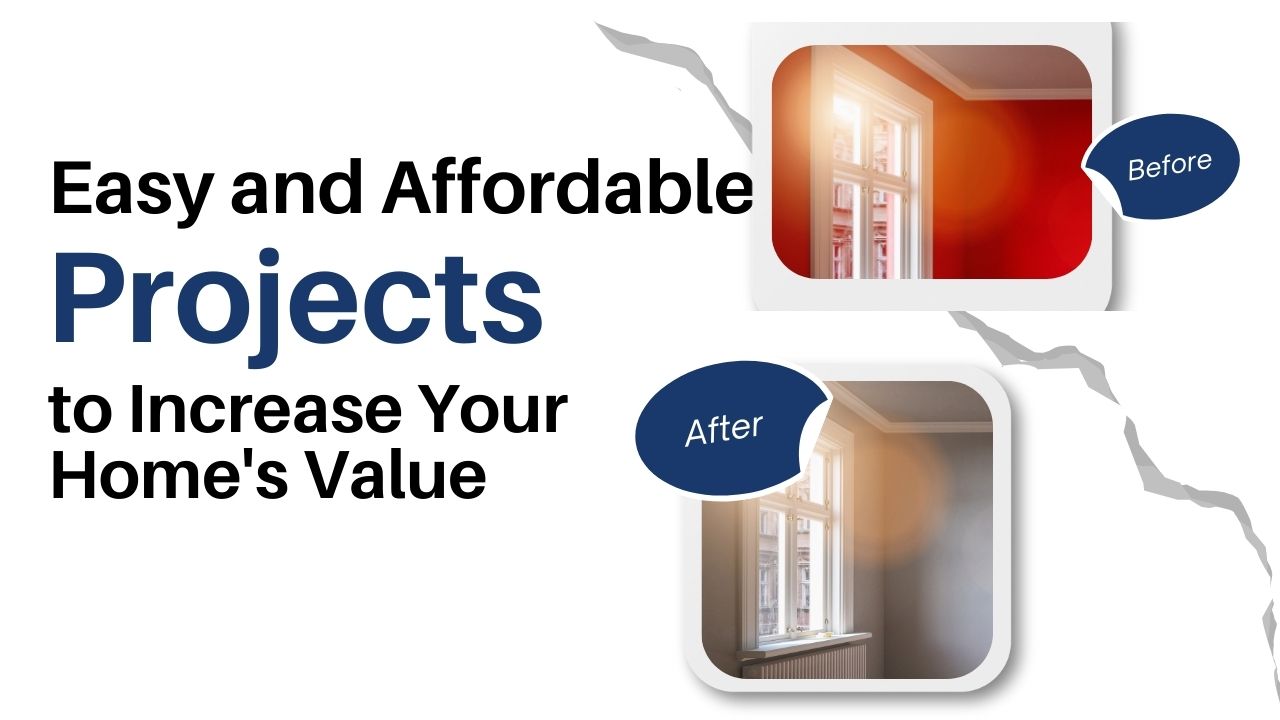 Whether you’re preparing to sell your home or simply want to enhance its appeal, increasing your home’s value doesn’t have to be expensive or time-consuming. With a few affordable projects, you can make your property stand out while staying within your budget.
 Real estate has long been a proven path to building wealth, but many assume it’s only for the wealthy. The truth is, you don’t need a massive fortune to get started. With smart strategies and creativity, you can begin investing in real estate on a limited budget. Here’s how:
 Owning a home is one of life’s most exciting and rewarding milestones. It represents stability, independence, and a place to truly call your own. But achieving the dream of homeownership doesn’t just happen overnight—it takes careful planning and preparation. The good news? By starting today, you can lay the foundation to make this year the one you finally cross the threshold into your new home.
 The previous week’s reins were held by the Federal Reserve’s Rate Decision and also the preferred inflation indicator, the PCE Index. With the PCE Index coming in well above the Federal Reserve’s 2% target, it suggests that rate cuts may be postponed much longer this year than initially anticipated.
 Would you feel comfortable living near a cemetery, or does the idea give you pause? For some, it’s no issue, while others might consider it a deal-breaker.