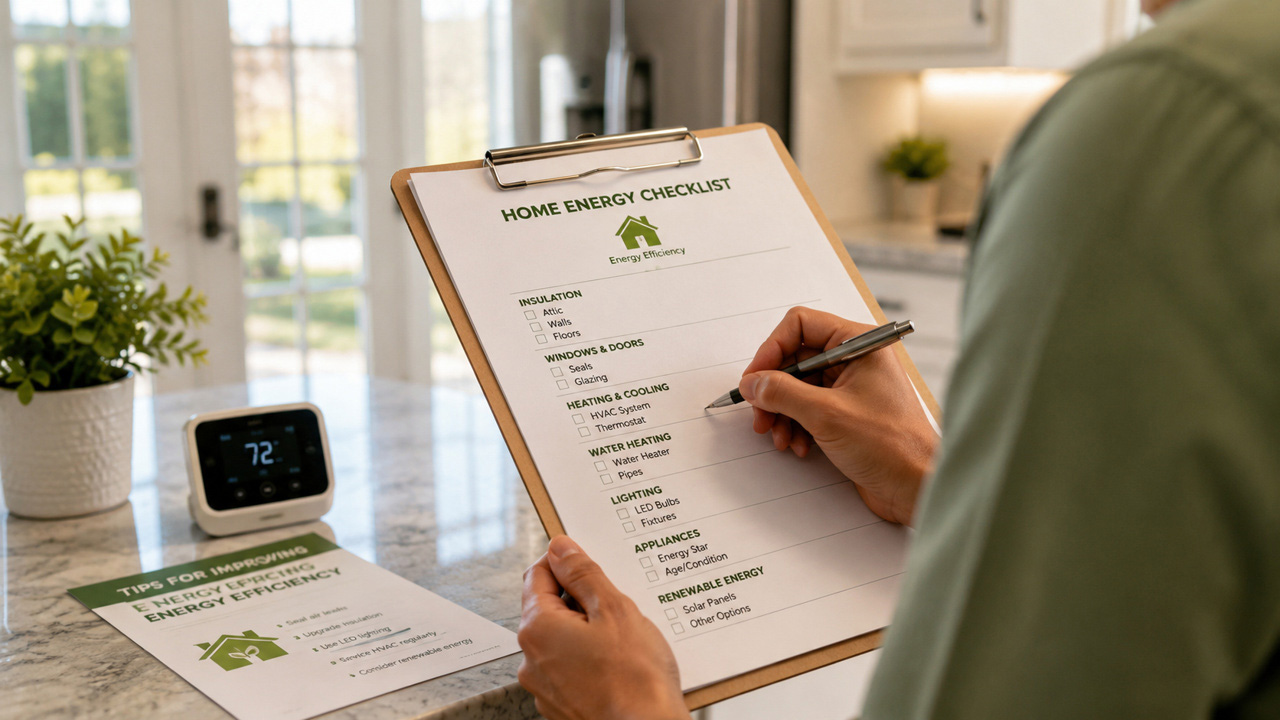
 When shopping for a home, buyers naturally pay attention to the kitchen, bedrooms, bathrooms, and overall condition of the property. But energy efficiency can have a significant impact on what it actually costs to live in the home. Taking a closer look at how efficiently a property uses energy can help you anticipate monthly expenses and identify improvements you may want to make after purchasing.
Look at the Windows and Doors
Older or poorly sealed windows and doors can allow heated or cooled air to escape, making the home more expensive to keep comfortable. Look for drafts, damaged weatherstripping, condensation between windowpanes, or noticeably older single-pane windows. Newer energy-efficient windows can be beneficial, but properly maintained existing windows may also perform well.
Ask About the HVAC System
Heating and cooling often represent a significant portion of a household’s energy use. Ask about the age of the furnace, air conditioner, or heat pump and whether the system has been regularly serviced. An older system does not automatically mean it needs replacement, but knowing its age and condition can help you anticipate future maintenance or upgrade costs.
Check the Home’s Insulation
Insulation helps maintain a consistent indoor temperature by reducing heat transfer between the home and the outdoors. Ask about insulation in the attic, walls, and other accessible areas. Insufficient insulation can make certain rooms uncomfortable and cause heating or cooling systems to work harder.
Review Previous Utility Costs
If available, previous utility bills can provide useful insight into the home’s typical energy consumption. Keep in mind that costs vary depending on household size, personal habits, weather, and utility rates, but the information can still help you understand what to expect.
Pay Attention to Appliances and Lighting
Major appliances can also influence energy consumption. Look at the approximate age and condition of refrigerators, dishwashers, water heaters, washers, and dryers that will remain with the property. Energy-efficient lighting and programmable or smart thermostats may provide additional opportunities for savings.
Think Beyond the Purchase Price
Two similarly priced homes can have very different ongoing operating costs. Evaluating energy efficiency before you buy gives you another way to compare properties and understand the true cost of homeownership.
A beautiful home should also be comfortable and practical to maintain. Looking beyond cosmetic features and considering energy performance can help you choose a property that works for both your lifestyle and your budget.
 In the ever-evolving landscape of real estate, an increasing number of investors and homebuyers are recognizing the importance of sustainability and eco-friendliness. Green real estate, which encompasses properties designed with a focus on environmental efficiency and resource conservation, is gaining prominence as a smart and responsible investment. This blog explores the key aspects of green real estate and why it is becoming an attractive option for consumers.
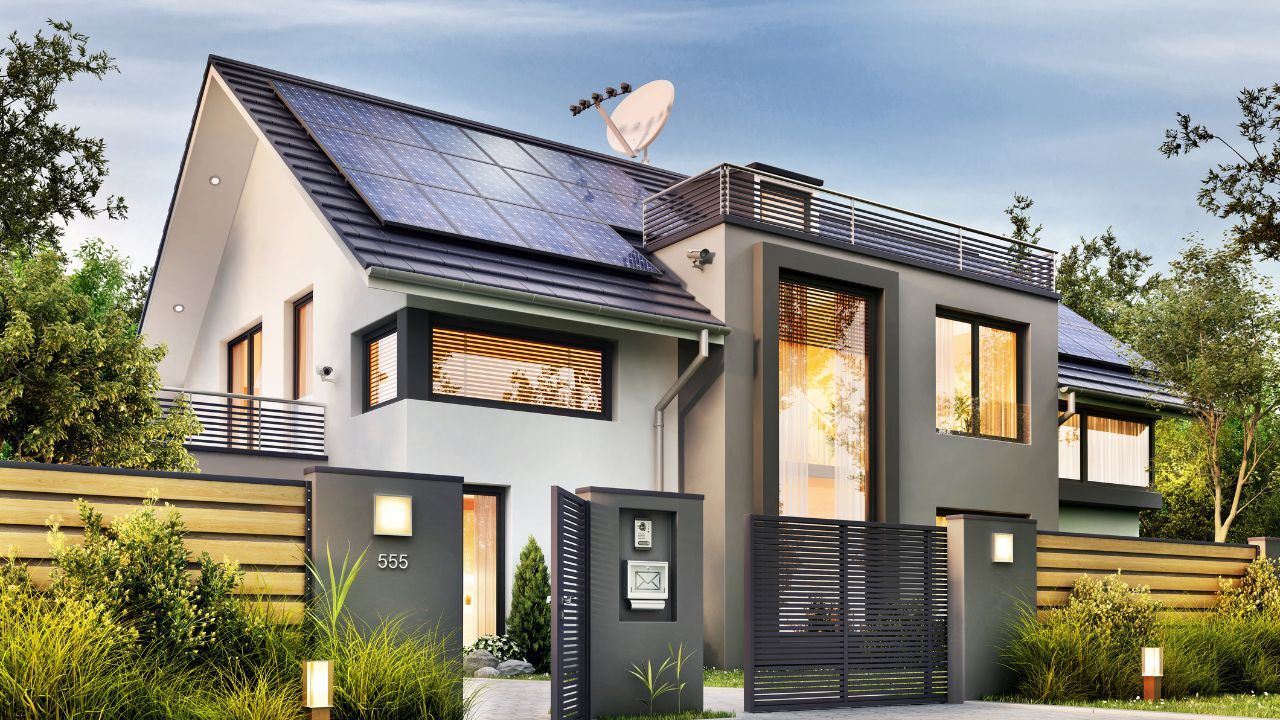 When it comes to increasing your home’s long-term value, not all upgrades are created equal. While stylish kitchens and luxurious bathrooms may attract attention, the smartest investment is one that continues to pay off for years to come: energy efficiency.
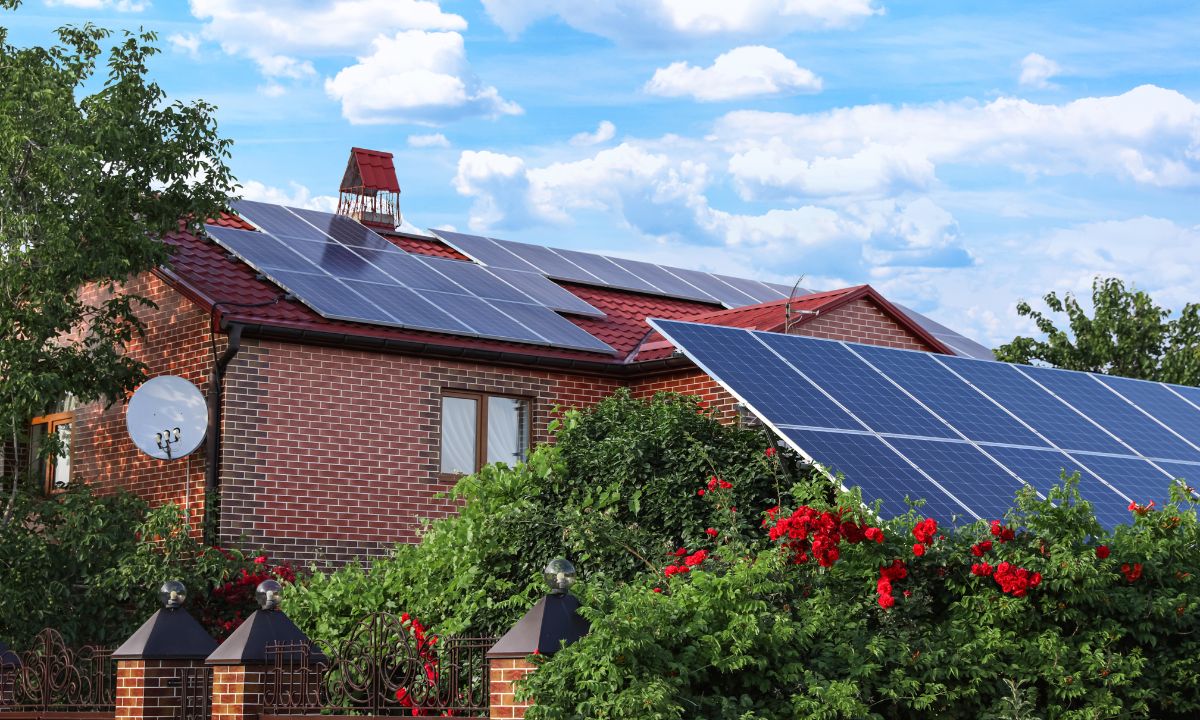 As the temperatures drop, keeping your home warm without drastically increasing your energy costs is a priority for many homeowners. Fortunately, there are simple yet effective strategies that can help you conserve heat while enhancing your home’s energy efficiency. By following these tips, you can maintain a comfortable indoor temperature, reduce your heating bills, and do your part to minimize your environmental impact.
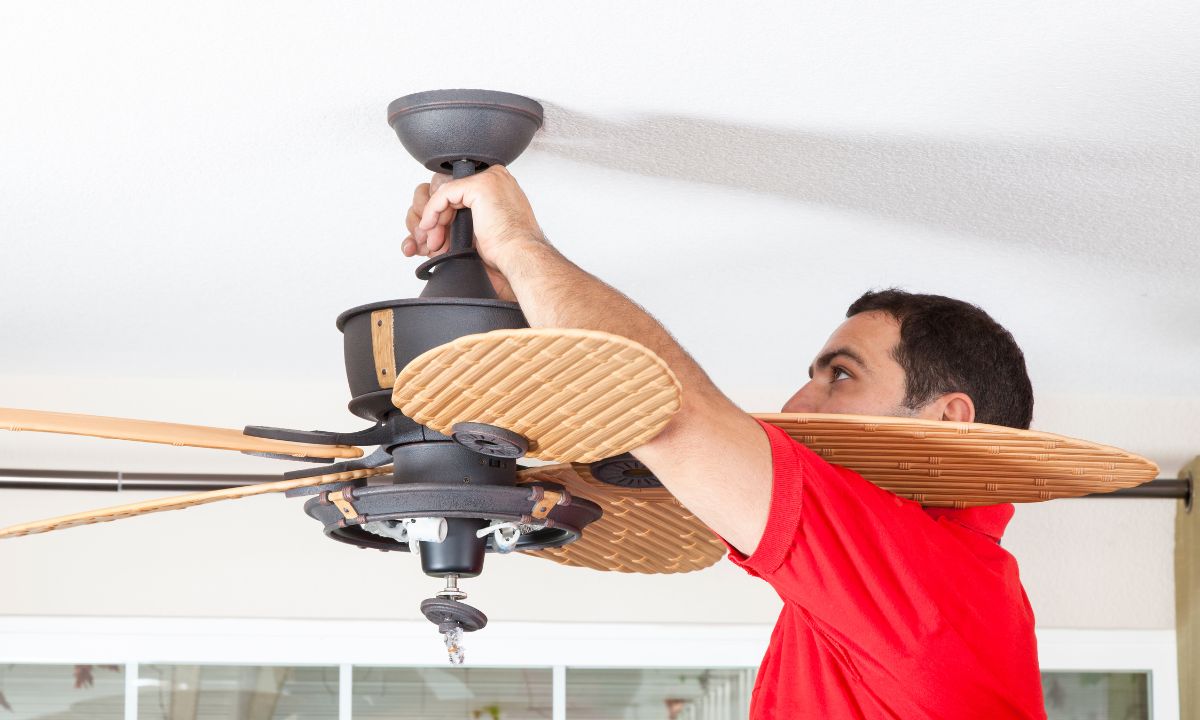 As temperatures continue to climb, it’s essential to find ways to keep your home cool while minimizing your utility bills. Here are several cost-effective strategies to achieve this without relying on your air conditioner.
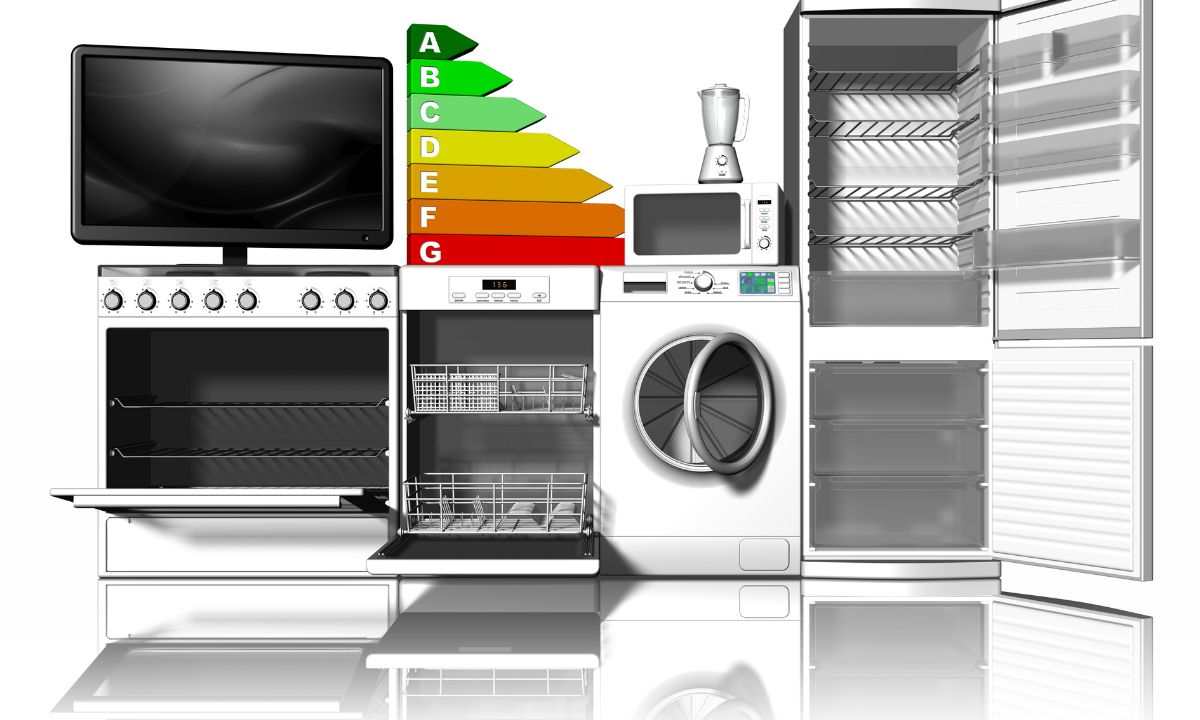 When shopping for a new home, it’s important to consider not just the aesthetics and location, but also the environmental impact of your future residence. Green features in homes are becoming increasingly popular, not only for their benefit to the environment but also for the cost savings they can provide over time. Here are some key green features to look for when buying a home: