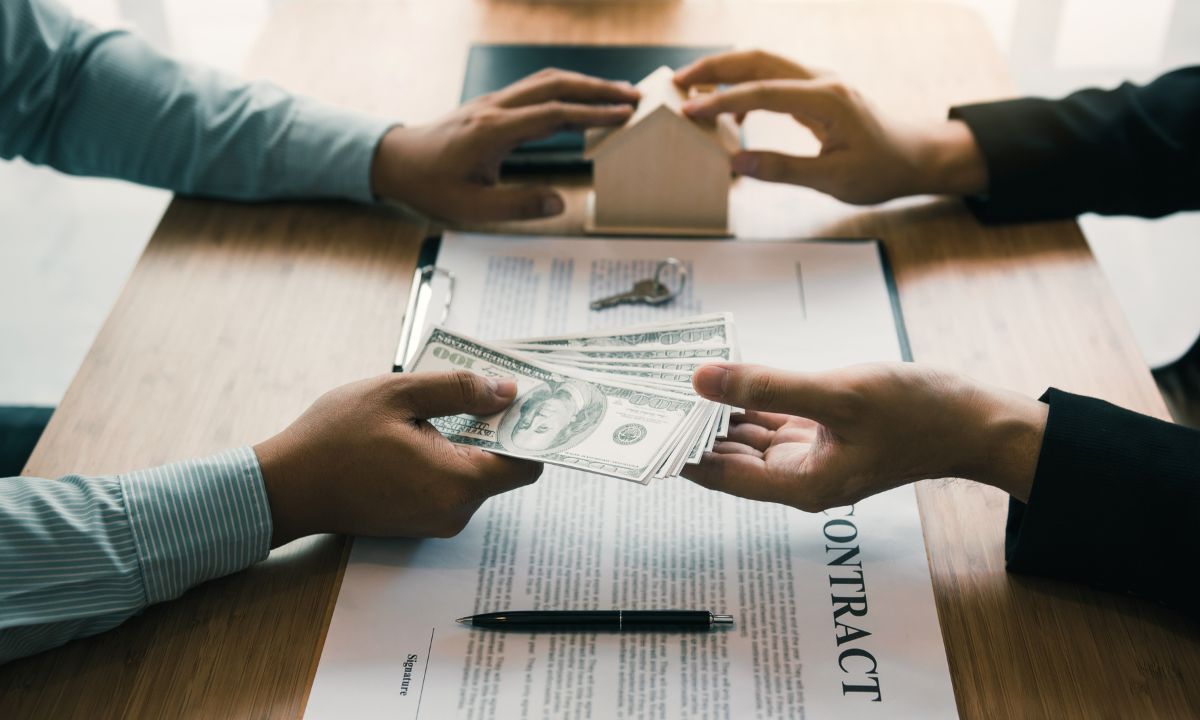
 Buying a home is an exciting adventure, but it’s crucial to understand all the financial aspects involved to make the process smoother. Beyond your down payment and closing costs, there are several pre-paid costs that you’ll need to address at closing. These pre-paid costs are essential to consider as you plan your home purchase. Here’s a comprehensive guide to help you understand these costs and prepare effectively.
What Are Pre-Paid Costs?
Pre-paid costs are expenses you’ll need to pay upfront at closing, in addition to your down payment and closing costs. These costs are designed to cover certain future expenses related to homeownership and ensure that these obligations are met as you transition into your new home. Although the exact amounts can vary based on your location and loan type, common pre-paid costs include homeowners insurance, property taxes, mortgage interest, and an initial escrow deposit. If your new home is part of a community with a homeowner association (HOA), you may also need to account for HOA dues.
Common Types of Pre-Paid Costs
- Initial Escrow Deposit:
- What It Is: This is an upfront deposit into your mortgage escrow account. An escrow account helps manage your property taxes and homeowners insurance by spreading these expenses over monthly payments rather than having to pay a lump sum annually.
- Why It Matters: It ensures that your taxes and insurance are paid on time, protecting both you and your lender. Typically, you’ll need to deposit a few months’ worth of property taxes and insurance premiums at closing.
- Homeowners Insurance:
- What It Is: Homeowners insurance protects your property against losses from events such as fire, theft, or natural disasters.
- Why It Matters: Lenders require proof of insurance to protect their investment. You’ll need to pre-pay the first six to twelve months of premiums at closing, plus additional months in advance if you have an escrow account.
- Pre-Paid Interest:
- What It Is: This is interest paid upfront that covers the period from the date of closing to the end of the month before your first mortgage payment is due.
- Why It Matters: It ensures that the lender is compensated for the time between closing and your first regular payment. The amount will depend on your loan amount, interest rate, and the number of days until your first payment.
- Real Estate Property Taxes:
- What It Is: These are taxes levied by local governments to fund public services such as schools and infrastructure.
- Why It Matters: As a new homeowner, you’ll be responsible for paying property taxes from the date of purchase onward. If the seller has already paid property taxes for the year, you might need to reimburse them for the portion of the year you’ll own the home.
- HOA Dues:
- What It Is: If your new home is in a community with a homeowners association, you may need to pay HOA fees. These fees cover the maintenance of common areas and other community services.
- Why It Matters: HOA fees are often collected in advance, so you might need to pay a prorated amount at closing based on the number of days remaining in the month.
How to Calculate Pre-Paid Costs
Estimating your pre-paid costs is crucial for accurate budgeting. Here’s a quick guide to help you:
- Initial Escrow Deposit: Typically, this includes three months of homeowners insurance and three months of property taxes. Check with your lender or mortgage servicer for exact requirements based on your loan type and location.
- Homeowners Insurance: Obtain quotes from several insurance providers to get an accurate estimate. Your lender will provide an estimate, but it’s wise to compare and confirm.
- Pre-Paid Interest: To calculate, divide your annual mortgage rate by 365 to get the daily interest amount. Multiply this by your loan amount to get the daily cost, then multiply by the number of days between closing and your first payment.
- Property Taxes: Multiply the local property tax rate by your home’s purchase price to estimate annual taxes. Your lender or real estate agent can also help with this calculation.
- HOA Fees: Contact the HOA to get information on monthly or annual dues. Calculate the prorated amount based on the number of days in the month you’ll own the home.
Who Pays Pre-Paid Costs?
As the homebuyer, you are responsible for all pre-paid costs. These expenses will be collected at closing by a third party, such as your title company or escrow agent, and deposited into your escrow account if applicable.
Need More Help?
Navigating pre-paid costs can be complex but understanding them is key to a smooth closing process. If you have questions or need assistance with estimating your home loan’s pre-paid costs, don’t hesitate to give us a call!
By preparing for these pre-paid costs, you’ll be better equipped to manage your homebuying budget and enjoy the journey to homeownership with confidence
 With rapid technological advancements and shifting societal norms, millennials find themselves facing a unique set of challenges and opportunities when it comes to securing a mortgage. The journey toward homeownership for this generation is a multifaceted one, influenced by factors ranging from soaring student loan debt to evolving housing preferences.
 While the data releases were plentiful, many are made less significant in consideration of the current disruption with the administration and the oncoming inflation data reports with the CPI and PPI arriving next week. The largest and most noteworthy report this time is the Job Report numbers, which will help give a clearer idea on the state of the job market. With the mass federal layoffs, there is much uncertainty, but the labor market is still holding up in light of things. The most pressing data to be released is the predictions for GDP, which has shown to have shown a deflationary value. As long as the inflation data remains consistent then there is little chance the Federal Reserve will consider increasing the interest rates once again. The silver lining in all the reports is the Manufacturing PMI data is noting that the manufacturing sector is still showing strong growth.
 When selling your home, even minor repairs can make a big impact on its value and appeal to buyers. Addressing small issues before listing your property can help you stand out in the market and potentially increase your sales price—without needing to spend much. Here are some small but effective repairs that can help you make a lasting impression on buyers.
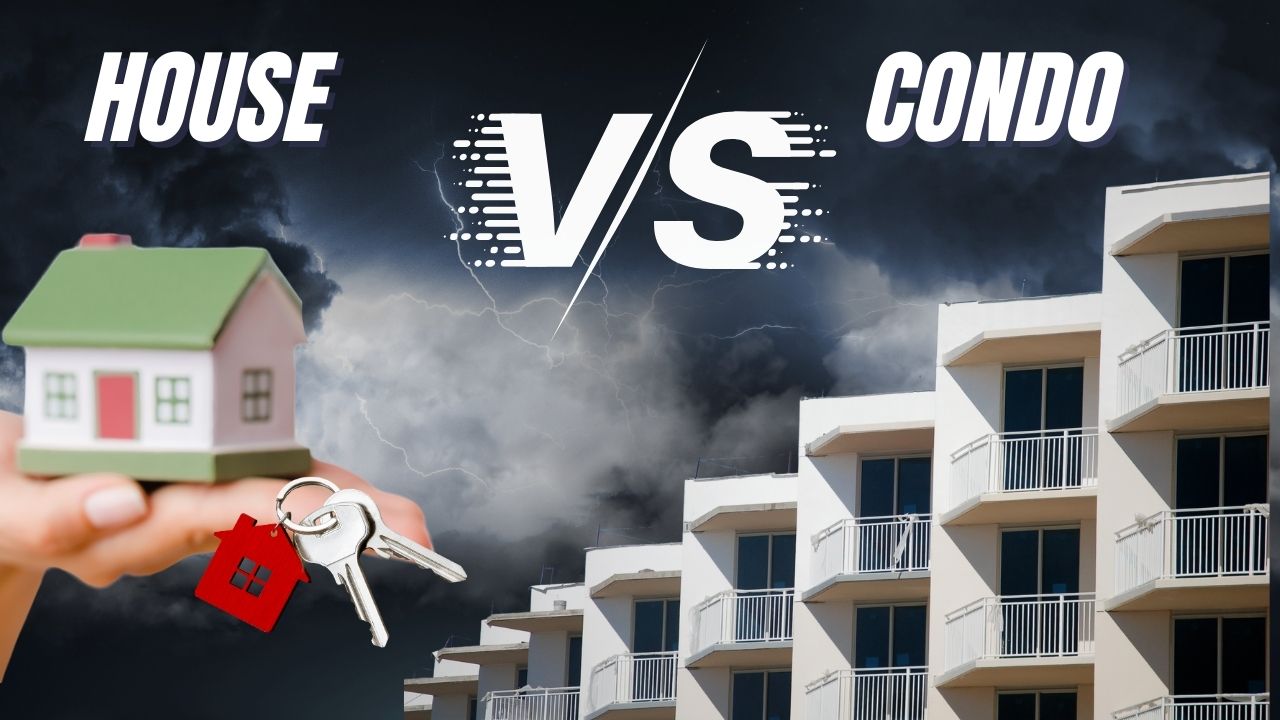 As a first-time homebuyer, one of the biggest decisions you’ll face is whether to buy a cozy condo or invest in a larger home. Both options have their perks, and while condos may initially seem more affordable and convenient, opting for a larger home can offer significant long-term advantages that make it a better investment. Here’s why splurging on a larger home might be the right move for your future.
 It doesn’t really matter what kind of investing you are participating in, it’s almost always a wise idea to have multiple streams of income in order to maximize your profits while spreading your risks.