 One thing to think about when purchasing a home or parcel of land is to have an updated land survey conducted. While property deeds generally include detailed information, many are outdated for a variety of reasons that include nature, weather conditions, and adjustments in floodplain maps among others.
Even when the information about the property is spot-on at the closing, human perception of where your property begins and ends can lead to some unenviable outcomes. Given that buying real estate ranks among the largest personal investments for most people, these are three things you may want consider about land surveys.
Good Fences Make Good Neighbors
The old Robert Frost poem “Mending Wall” ponders the reasons that people erect property line fences and why they fix them each spring. The reason is a simple one, setting boundaries avoids unnecessary disagreements and allows people to get along.
Land disputes can turn otherwise friendly neighbors into hostile abutters because there is a pervasive sense that someone is stealing from you. Good fences are the product of clearly identified boundary markers and professional surveyors are the people who measure and certify them. If you plan on buying or recently purchased a parcel of land, updating the land survey may be in you and your neighbor’s best interest.
Squatters Can Take Your Land Through Adverse Possession
Many states continue to allow the practice of adverse possession. In some places, it’s known as “squatters rights.” If someone who does not rightfully own a piece of land can maintain or utilize it for a period of time, they may be able to put in a claim.
Although many people consider this an outdated and unfair practice, it remains too common in rural and suburban areas. Misplaced fences are often the basis of such claims. When abutters work your land or use it to access their own, that can be the basis of a claim to get a permanent easement or take it from you.
Land Surveys Can Be Used For Insurance Purposes
The severe weather storms that struck communities across the country have prompted organizations to update their floodplain maps. Property owners who were not previously required to purchase flood insurance may now find themselves considered “at risk.”
But that designation can be considerably more complex than just owning a home or residential property inside the flood zone. These updated maps do not necessarily consider the elevation of each and every property. In order to be properly listed, you may need to have an elevation certificate to petition FEMA and others that your property is not at risk. That means having a professional land survey conducted.
There are numerous reasons why current land surveys can prove valuable to real estate buyers and sellers. Without one, you are operating without critical information about a significant investment. Your trusted real estate agent and home mortgage professionals can refer you to appraisers and land surveyors in your area. Be sure to rely on these valuable resources during your new home purchase.
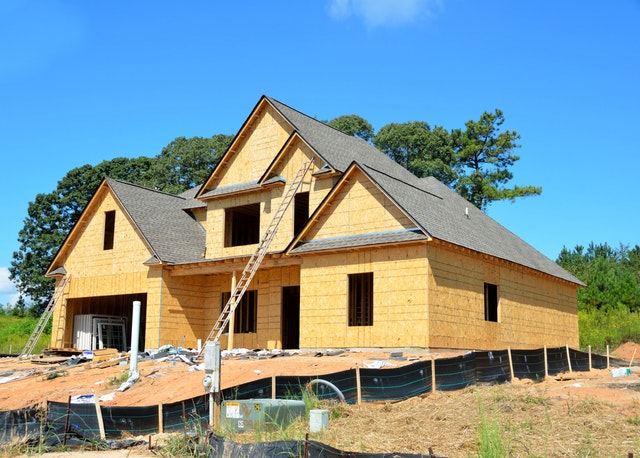 A home is one of the biggest investments you can make, and the American Dream for many. Most people spend significant time finding or designing their “dream home.” The first decision is whether to buy or build.
  A title search is an early warning system for buyers and lenders. It reveals flaws the owner must resolve prior to a closing or refinance request. This allows the owner to clear any issues on the title so that the process can move forward. Also, it protects the buyer or lender from assuming an obligation they aren’t responsible for.
  Buying your home can be nerve-racking, especially if it’s the first time. The buying process is exciting and often complex. The chances of making a mistake are relatively high.
  When you make an offer on a home, you wait anxiously to see if it will be accepted. Sometimes you’re lucky enough to hear back within hours. Other times you could wait days or even weeks.
 Atlanta, Charlotte, New York and Los Angeles are always on the real estate radar because of big ticket sales and good media coverage. The secondary markets – those markets without the celebrity undertones – may actually be better deals. With the price of borrowing money rising and occupation rates dropping in primary markets, places like Nashville and Birmingham are looking better to investors.