Sunrise Homes & Renovations, Inc.

  • Home
  • About
    • About Us
    • Recognition
      • Disaster Contractors Network
      • US EPA Certified
    • Accessibility Statement
  • Example Models
  • Renovations
  • Resources
    • First Time Home Buyer Tips
    • First Time Home Seller Tips
  • Blog
  • Contact

The Hidden Costs of Buying a Larger Home

August 20, 2026 by Rhonda Costa

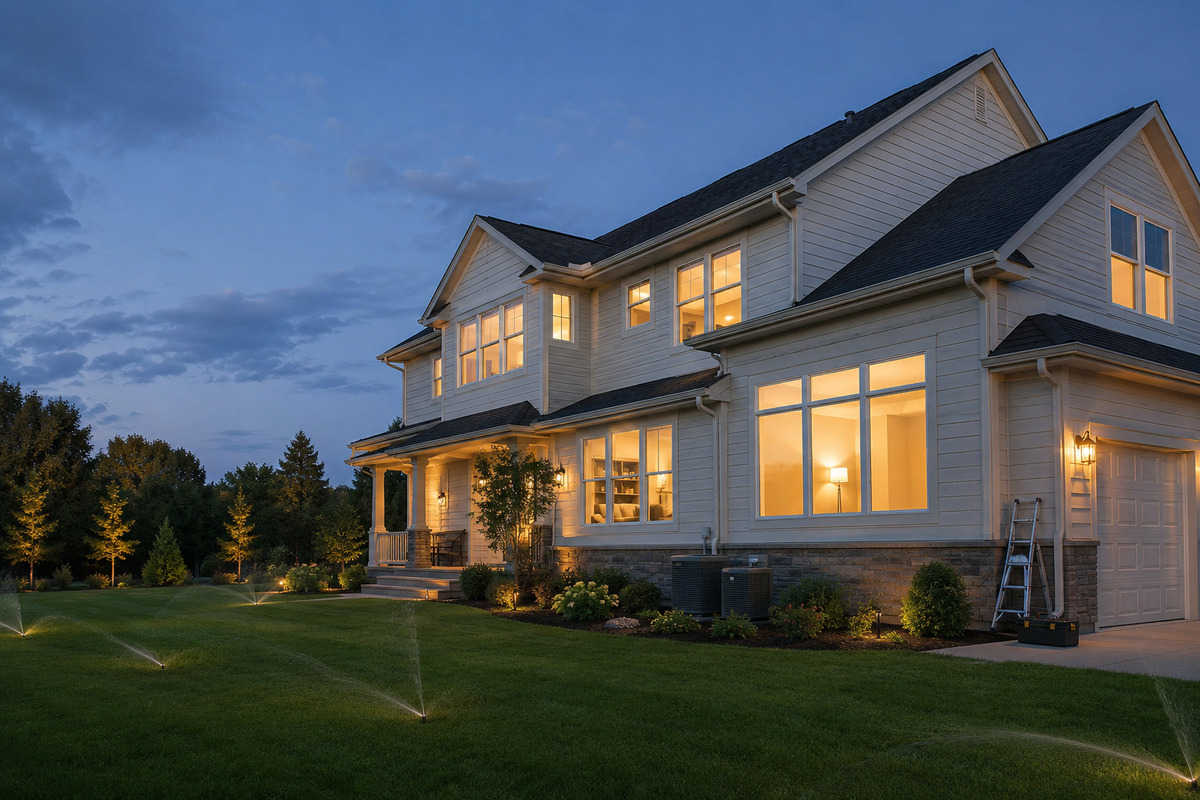
A larger home can offer extra bedrooms, more storage, and additional space for entertaining or working from home. While those benefits may be appealing, the purchase price is only one part of the financial picture. Bigger homes often bring higher ongoing expenses that are easy to underestimate during the excitement of house hunting. Understanding these costs can help you decide how much space truly fits your lifestyle and budget.

Higher Utility Expenses

More square footage generally requires more energy to heat, cool, and light. Homes with high ceilings, multiple HVAC systems, large windows, or older insulation may cost significantly more to operate. Ask for available utility history and consider how seasonal temperatures may affect your monthly budget.

Greater Maintenance and Repair Costs

A larger property usually contains more flooring, roofing, plumbing, windows, and exterior surfaces to maintain. Even routine projects such as painting, cleaning gutters, replacing flooring, or servicing heating and cooling equipment may cost more because there is simply more home to care for.

Additional Furnishing Costs

Empty rooms can create pressure to purchase furniture, window treatments, rugs, lighting, and decor. These expenses may not occur on closing day, but they can add up quickly after moving. Consider whether you already own enough furnishings or whether completing the home will require a larger post-closing budget.

Taxes, Insurance, and Yard Care

Larger homes and lots may come with higher property taxes and homeowners insurance premiums. A bigger yard can also require more water, landscaping, equipment, and professional maintenance. If the community has an HOA, larger properties may carry additional responsibilities or fees.

The right home is not necessarily the largest home you can afford. It is the one that provides the space you need while allowing you to comfortably manage the full cost of ownership. Looking beyond the purchase price can help you choose a home that supports your lifestyle without creating unnecessary financial strain.

Before deciding that more space is automatically better, compare the monthly and annual costs of each property you are considering. A slightly smaller home may leave more room for savings, travel, improvements, and the other priorities that make homeownership enjoyable.
Filed Under: Real Estate Tips Tagged With: Home Buyer Tips, Homeownership Costs, Real Estate Tips

Rent or Buy? How to Decide What Makes Sense for You

August 19, 2026 by Rhonda Costa

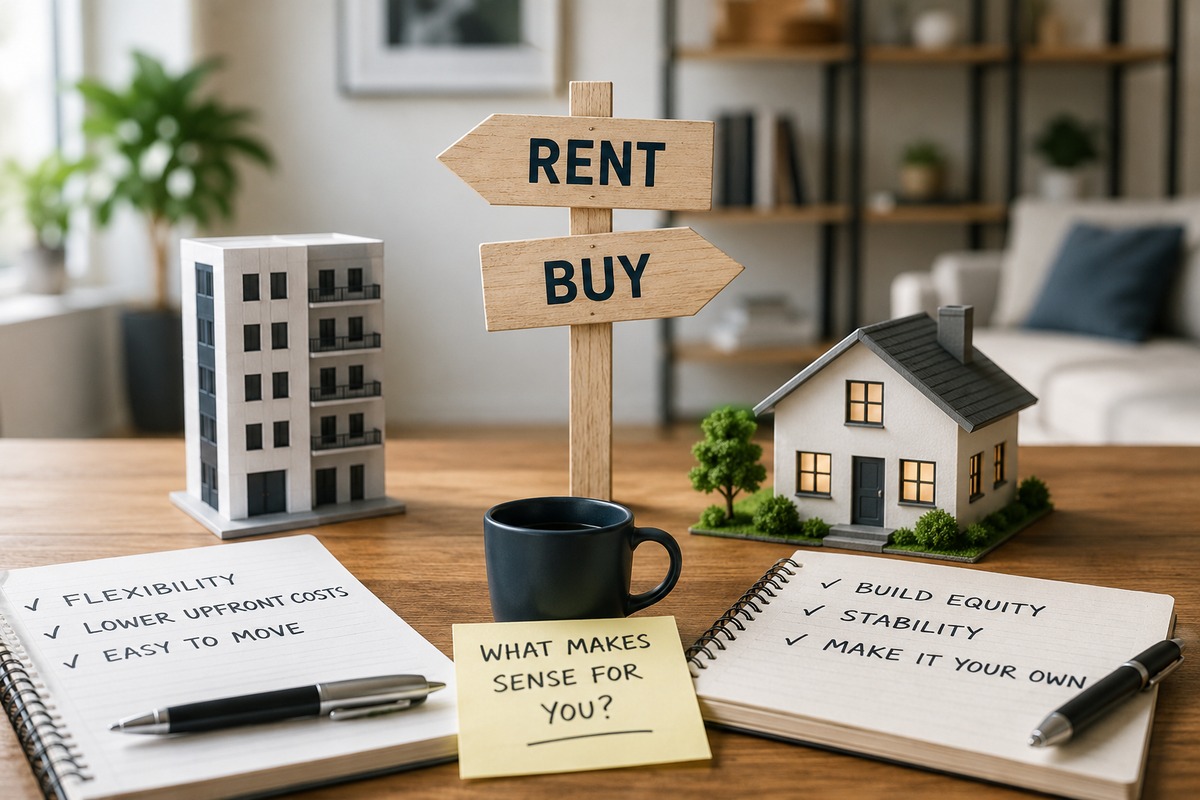
Deciding whether to rent or buy a home isn’t always as simple as comparing a rent payment with a mortgage payment. Both options come with benefits, costs, and tradeoffs—and the right choice depends on where you are financially, what you want from your lifestyle, and how you see the next several years unfolding.
If you’re weighing your options, here are a few important factors to consider.

1. How Much Flexibility Do You Want?

One of the biggest advantages of renting is flexibility. If your career, family situation, or future plans could take you somewhere new in the next few years, renting may make it easier to relocate without having to sell a property.

Homeownership generally makes more sense when you’re comfortable staying in one place for a while. Buying involves upfront costs and, eventually, the costs associated with selling, so a longer timeline can give you more opportunity to benefit from building equity.

Owning also comes with something renters don’t always have: control over your space. Want to renovate the kitchen, paint the walls, build a garden, or finally get rid of that inexplicably beige carpet? As a homeowner, those decisions are yours.

2. Look Beyond the Monthly Payment

It can be tempting to compare monthly rent with a potential mortgage payment and stop there, but the true costs of renting and owning go beyond those numbers.

Renters may have expenses such as security deposits, renters insurance, utilities, and periodic rent increases. Homeowners need to account for the mortgage payment as well as property taxes, homeowners insurance, maintenance, repairs, and potentially HOA fees.

Buying also typically requires more money upfront for expenses such as a down payment and closing costs. That doesn’t necessarily make renting or buying more affordable—it simply means it’s important to look at the full financial picture before deciding.

3. Consider Equity and Your Bigger Financial Picture

One of the primary financial advantages of homeownership is the opportunity to build equity. As you pay down the principal on your mortgage, you gradually increase your ownership stake in the property.

If the value of the home increases over time, that can further contribute to your equity. However, home values can rise or fall, and appreciation is never guaranteed.

Renting doesn’t build home equity, but that doesn’t automatically make it a poor financial decision. Depending on your circumstances, renting may allow you to keep more cash available for an emergency fund, retirement contributions, investments, paying down debt, starting a business, or other priorities.

The better question isn’t simply, “Which option builds wealth?” It’s “Which option fits into my overall financial plan?”

4. Think About Maintenance, and How Much You Want to Handle

Renting can offer a major convenience: when the water heater quits or the dishwasher suddenly decides it has retired, the repair is generally the landlord or property manager’s responsibility.

When you own a home, those expenses become yours.

That means homeowners should plan for ongoing maintenance as well as the occasional unexpected repair. At the same time, ownership gives you much more freedom to improve your property, customize it to your needs, and potentially add value over time.

For some people, that control is a major benefit. For others, calling the landlord when something breaks sounds pretty great.

5. Pay Attention to Your Timeline

How long you expect to stay in a home can play an important role in whether buying makes financial sense.

Purchasing and selling real estate both involve transaction costs, so buying a home and moving again relatively quickly may not provide enough time to offset those expenses. If you expect to remain in the same area for several years, buying may become more attractive.

There isn’t one magic number that works for everyone. Your local housing market, financing costs, home price, potential rent increases, and other factors all affect the calculation.

6. Factor in the Current Market

Housing markets change, and so do mortgage rates, home prices, rental costs, and available inventory.

In some markets, renting may cost considerably less than owning a comparable property. In others, the difference may be much smaller. Mortgage rates can also have a significant impact on both your monthly payment and overall purchasing power.

Instead of trying to perfectly “time the market,” focus on whether buying works for your finances under today’s conditions. A home purchase should make sense based on what you can comfortably afford, not on the hope that rates will fall or prices will rise later.

So, Is It Better to Rent or Buy?

There’s no universal answer.

Renting may make more sense if you value flexibility, expect to move relatively soon, want fewer maintenance responsibilities, or aren’t financially ready for the upfront and ongoing costs of homeownership.

Buying may make more sense if you’re ready to stay in one place, have room in your budget for the full costs of owning a home, and want the opportunity to build equity and create a space that’s truly your own.

Still trying to decide which option makes sense for you? Give us a call. We’d be happy to talk through your goals, finances, and homebuying options so you can make a decision with confidence.

Filed Under: Real Estate Tips Tagged With: Homeownership, Real Estate Tips, Rent VS Buy

How to Read Between the Lines of a Real Estate Listing

August 14, 2026 by Rhonda Costa

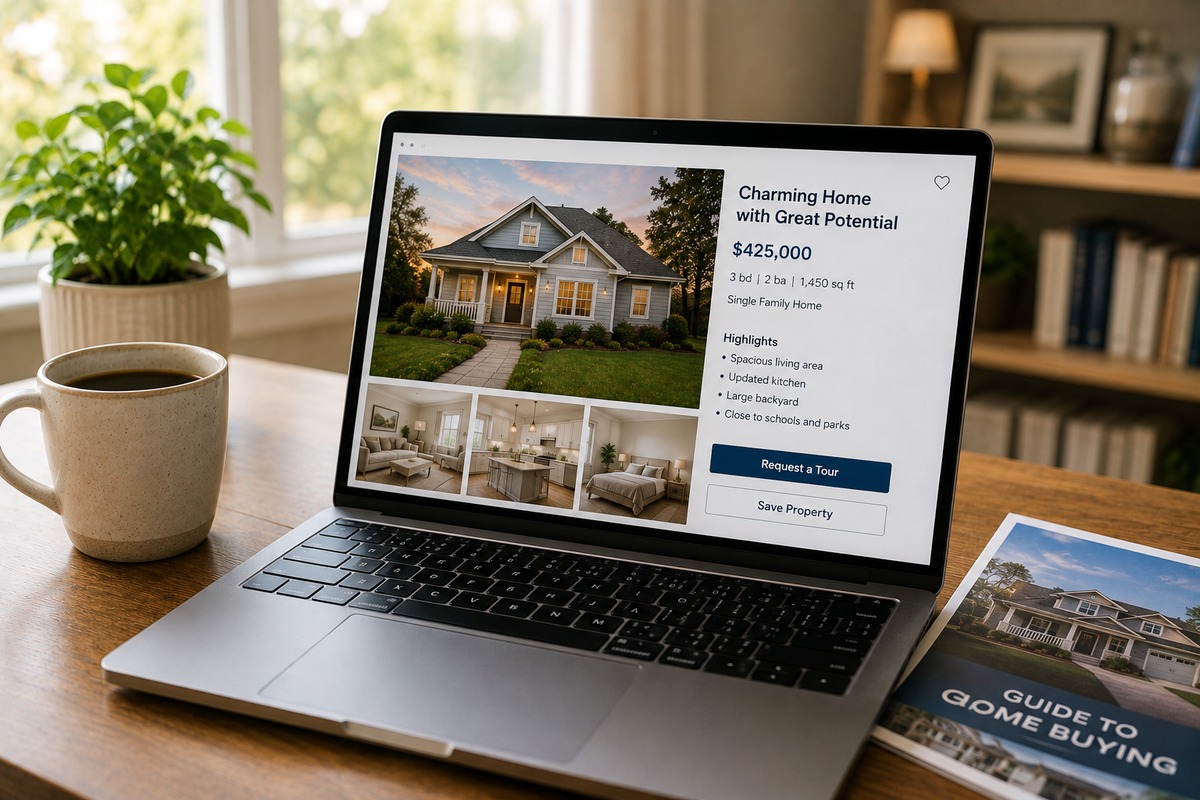
Real estate listings are designed to highlight a property’s strongest features, but the language used can also provide clues about what deserves a closer look. Learning how to interpret common phrases, photos, and missing details can help you enter a showing with better questions and more realistic expectations.
Pay Attention to Descriptive Language

Phrases such as cozy, full of potential, or ready for your personal touch may describe a charming property, but they can also suggest limited space or needed updates. Terms like recently refreshed may refer to cosmetic improvements rather than major system replacements. Treat listing language as an invitation to investigate, not as a complete description.

Notice What the Photos Do Not Show

A listing with many close-up photos but few wide room views may make it difficult to understand the layout or room size. Missing exterior, garage, bathroom, or backyard photos can also signal areas that deserve attention. This does not automatically mean there is a problem, but it should prompt questions during the tour.

Review the Details Carefully

Compare the written description with the property facts. Confirm bedroom counts, parking, lot size, homeowners association fees, and included appliances. Watch for wording that distinguishes permitted living space from converted garages, finished basements, or bonus rooms that may not be included in official square footage.

Ask About Recent Changes

If the listing mentions new or updated features, ask what was completed, when it was done, and whether permits or warranties are available. A new kitchen may be valuable, but the age of the roof, plumbing, electrical system, and heating and cooling equipment may have a greater effect on future costs.

A listing is a marketing tool, not a substitute for careful evaluation. By paying attention to wording, missing images, property facts, and recent updates, you can identify the right questions before a showing and make a more informed decision about whether a home deserves serious consideration.

Filed Under: Real Estate Tips Tagged With: Home Buying, Real Estate Listing, Real Estate Tips

Why a Home’s Layout Matters More Than Its Square Footage

August 13, 2026 by Rhonda Costa

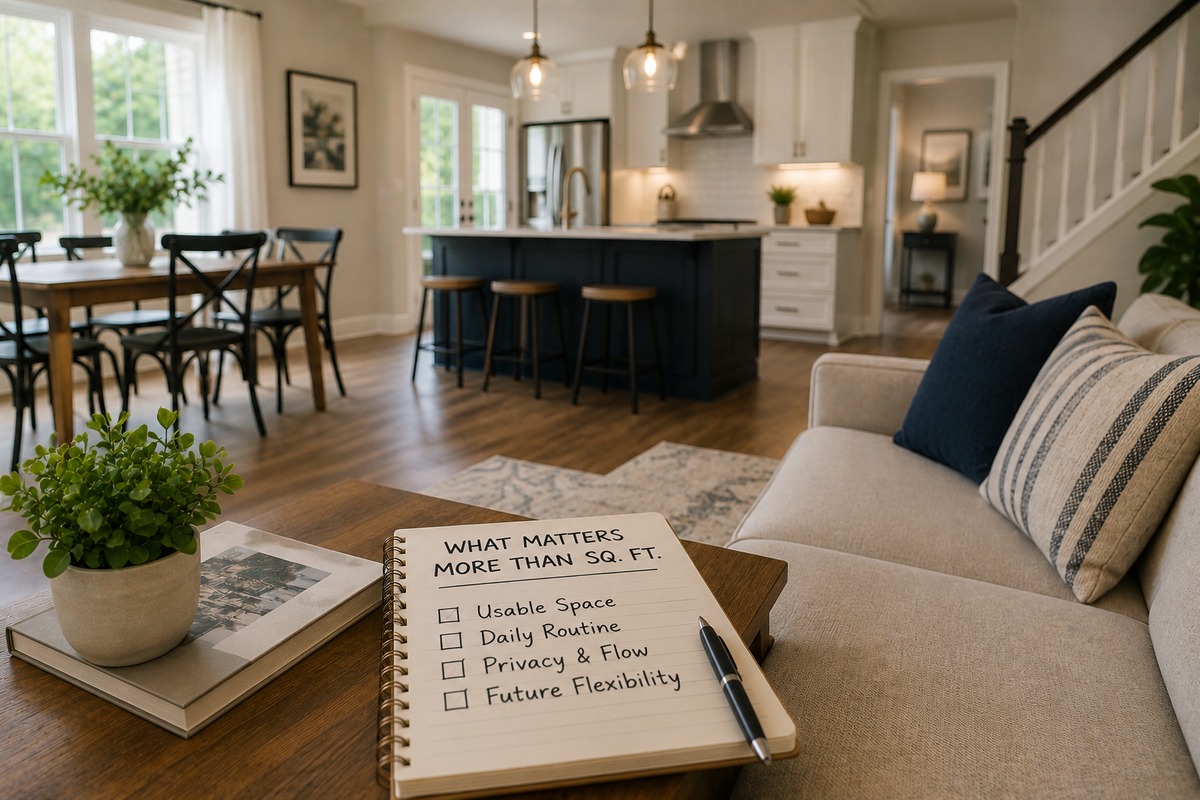
Square footage is one of the first numbers buyers notice in a listing, but it does not always reveal how comfortably a home will function. A smaller property with an efficient layout can feel more spacious and practical than a larger home filled with narrow hallways, unused rooms, or awkward transitions. Understanding how the floor plan supports everyday life can lead to a better buying decision.
Focus on Usable Space

Not every square foot contributes equally to daily living. Large entryways, oversized hallways, and rooms with difficult furniture placement may add to the total size without adding much function. As you tour a home, consider how much of the space you would actually use and whether each room serves a clear purpose.

Follow Your Daily Routine

Walk through the home as if you already live there. Think about carrying groceries from the car, preparing meals, doing laundry, working from home, and moving between bedrooms and common areas. A layout that supports your normal routine can make the home feel comfortable from the beginning.

Evaluate Privacy and Flow

The relationship between rooms matters. Bedrooms located directly beside busy living areas may feel less private, while kitchens isolated from gathering spaces may not fit buyers who enjoy entertaining. Good flow allows people to move through the home without disrupting how each room is used.

Consider Future Flexibility

A flexible floor plan can adapt as your needs change. A dining room that can become an office, a main-level bedroom, or a bonus area with multiple uses may provide more long-term value than additional square footage that cannot be easily repurposed.

The best home is not necessarily the largest one. It is the property where the available space supports your routines, provides privacy, and can adapt over time. Looking beyond the square footage helps you choose a home that feels more functional, comfortable, and valuable every day.

Filed Under: Real Estate Tips Tagged With: Home Design, House Hunting, Real Estate Tips

Questions to Ask Before Buying a Corner Lot

August 11, 2026 by Rhonda Costa

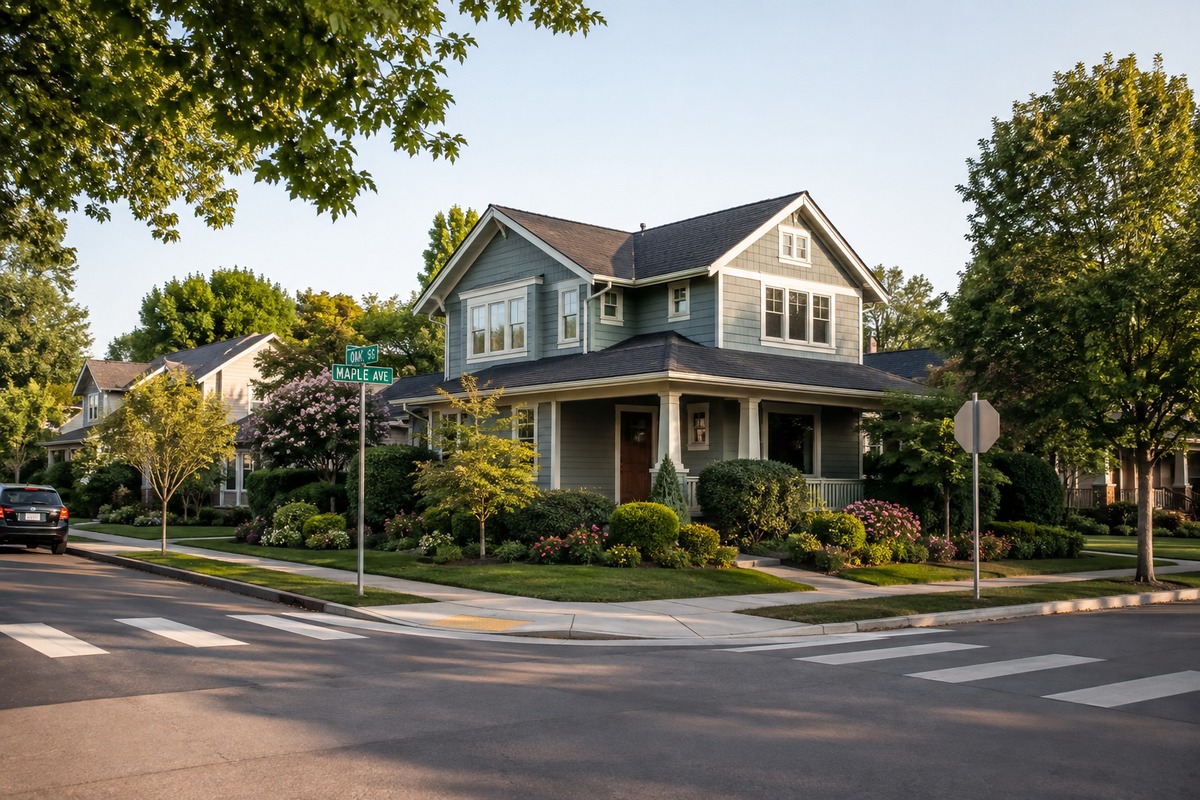
A corner lot can make a home feel more open, visible, and spacious. Buyers are often drawn to the additional street frontage, larger-looking yard, and fewer immediate neighbors on one side. However, corner properties can also come with responsibilities and tradeoffs that are easy to overlook during a showing. Asking the right questions before making an offer can help you decide whether the property truly fits your lifestyle.

Understand the Property Boundaries

Corner lots often have unusual shapes, larger setbacks, or utility easements that affect how the yard can be used. Ask for a survey or available property records so you understand where the lot begins and ends. Confirm whether fences, sheds, landscaping, or future additions would be permitted within the available space.

Ask About Maintenance Responsibilities

More street frontage may mean more sidewalk, landscaping, and exterior area to maintain. In some communities, homeowners are responsible for clearing snow, repairing sidewalks, or caring for landscaping along both streets. Understanding these responsibilities helps you estimate the time and cost required to maintain the property.

Evaluate Traffic and Privacy

A corner location may receive more vehicle and pedestrian traffic than an interior lot. Visit at different times of day to observe noise, headlights, parking, and activity near the property. Consider whether the placement of windows, fencing, and outdoor spaces provides the level of privacy you want.

Review Parking and Access

Ask whether street parking is restricted near the corner and whether the driveway is easy to enter during busy traffic periods. If the home has side-street access, consider whether that improves convenience or creates additional congestion during certain times of day.

A corner lot can offer excellent light, added openness, and a distinctive setting, but it should be evaluated carefully. By reviewing boundaries, maintenance, traffic, privacy, and access before buying, you can determine whether the advantages outweigh the added responsibilities and choose a property that works well for your daily life.

Filed Under: Real Estate Tips Tagged With: Corner Lot, Home Buying, Real Estate Tips

The Value of Touring Homes Even Before You Are Ready to Buy

August 5, 2026 by Rhonda Costa

Many people believe they should wait until they are ready to make an offer before touring homes. In reality, visiting properties early in the process can be one of the smartest decisions a future buyer makes. Touring homes helps you understand the local market, refine your priorities, and gain confidence long before it is time to purchase.

Learn What Your Budget Can Buy

Online listings provide useful information, but they rarely tell the complete story. Walking through homes allows you to compare layouts, room sizes, finishes, and neighborhoods in person. You may discover that your budget stretches farther than expected in one area or that another neighborhood better matches your lifestyle.

Refine Your Wish List

Many buyers begin with a long list of must-have features, only to discover those priorities change after touring several homes. You may realize that a larger kitchen is more important than an extra bedroom, or that natural light matters more than upgraded countertops. Touring homes helps separate wants from true needs.

Understand the Local Market

Seeing homes in person allows you to recognize pricing trends and understand how quickly desirable properties sell. This knowledge can help you feel more prepared when you are ready to make an offer because you will already have realistic expectations about value and competition.

Build Confidence Before It Counts

Buying a home is a significant financial decision, and feeling prepared can reduce stress throughout the process. By touring homes before you are ready to purchase, you become more comfortable evaluating properties, asking questions, and recognizing what truly fits your goals.

Every home you visit teaches you something new. Even if you are months away from buying, touring properties today can help you make a more informed and confident decision when the right opportunity finally arrives.

Filed Under: Real Estate Tips Tagged With: Home Buying, House Hunting, Real Estate Tips

  • « Previous Page
  • 1
  • 2
  • 3
  • 4
  • 5
  • …
  • 63
  • Next Page »

Rhonda & Steve Costa

Rhonda & Steve Costa

Call (352) 398-6790
Sunrise Homes & Renovations, Inc.

Contractors License #CBC 1254207

Let’s Keep In Touch!

  • This field is for validation purposes and should be left unchanged.

Connect With Us on Social Media

Categories

Looking For Something?

Our Location


Spring Hill, FL 34608

Equal Housing Opp

Return to top of page

Copyright © 2026 Sunrise Homes & Renovations, Inc.. All rights reserved.   Log In