Sunrise Homes & Renovations, Inc.

  • Home
  • About
    • About Us
    • Recognition
      • Disaster Contractors Network
      • US EPA Certified
    • Accessibility Statement
  • Example Models
  • Renovations
  • Resources
    • First Time Home Buyer Tips
    • First Time Home Seller Tips
  • Blog
  • Contact

A Home Inspection: What To Expect

August 3, 2021 by Rhonda Costa

A Home Inspection: What To ExpectThe process of buying a home can be exciting and stressful, with one important task being the home inspection. All real estate professionals will likely recommend a home inspection. This is usually a condition of making an offer on a home. While not all prospective buyers will ask the seller to make repairs based on the inspection report, it is important for buyers to know what they might have to do to repair the home.

When an offer is made with a contingency, this allows the buyer to renegotiate the price of the home based on the inspection report. Some prospective buyers might elect to walk away entirely. What should buyers inspect?

Choosing An Inspector

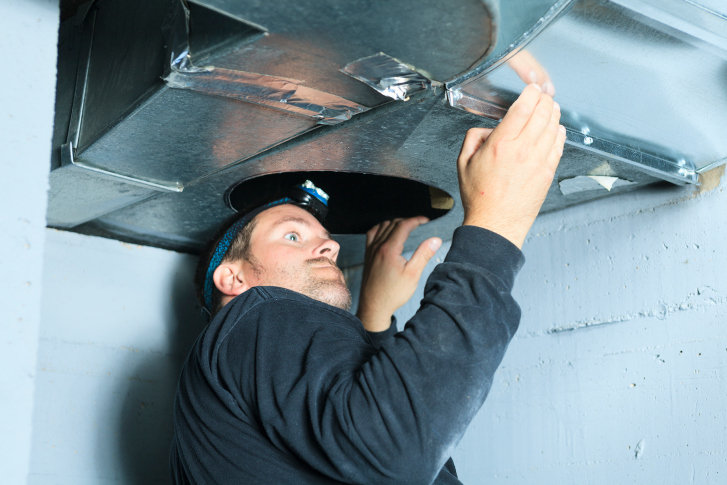
A trained real estate professional will probably have a  list of inspectors who might produce the report. All inspectors are trained and qualified. Real estate agents will probably look at sample reports and professional licensing before choosing an inspector to look at a home. Most inspectors also have insurance in case they miss something that shows up later. Home inspectors will need to crawl into the crawl space, inspect the roof, and take a look at storage spaces.

What Do Inspectors Look For?

A home inspector is going to look at every aspect of the home to make sure it is up to code. An inspector will look at the roof for signs of leaks or damage. The inspector will also inspect the plumbing system to make sure no pipes are rusted, corroded, or damaged. He or she will also look at the windows to make sure the seals are not busted. A home inspector is also going to take a look at the HVAC system to see how old it is and how well it is working. The fireplace and chimney will also be an important part of the inspection as he or she looks for signs of damage. The inspector will also look at the foundation for any issues.

A Comprehensive Report

Once all of this is done, the inspector will provide a comprehensive report that contains a list of everything that might be wrong with the house. Then, based on this report, the buyer can decide what he or she would like to do next.

Filed Under: Real Estate Tagged With: Inspections, Real Estate, Real Estate Value

The Top Tips for Saving Money On Energy Bills

July 30, 2021 by Rhonda Costa

The Top Tips for Saving Money On Energy BillsThere are many homeowners who are looking for ways to reduce their monthly expenses. One way to do that is to target energy bills and expenditures. Homeowners might be able to make a few changes and upgrades to their homes, which could reduce utility bills and improve energy efficiency. What are a few ways to do exactly that?
Consider Making The Switch To LED Lights

One of the first changes homeowners might want to make is to switch to LED lights. LED lights are newer lights that can last many times longer than traditional lightbulbs. It is not unusual for homeowners to save $75 per year on energy costs by switching older incandescent lightbulbs to LED bulbs. Talk to a local contractor or professional about some of the top LED bulbs available today.

Seal Leaks Around Doors And Windows Throughout The Home

Heating and cooling expenses are some of the biggest energy expenditures that people have. By sealing a few leaks throughout the home, it is possible to save up to 20 percent on heating and cooling costs. There are small leaks that could be present around the doors and windows. By sealing these leaks using caulk, homeowners can trap heat and air conditioning in the home, removing stress from the HVAC unit. Homeowners should also consider sealing leaks around lighting and chimneys.

Invest In A Smart Thermostat

It is also possible for homeowners to save money by investing in a smart thermostat. Homeowners should consider using this thermostat to reduce the amount of work performed by the HVAC unit when people are at work or asleep. That way, the heating and cooling system doesn’t work as hard when people aren’t home (or are asleep).

Perform Routine Maintenance On Time

Finally, homeowners need to make sure they perform routine maintenance on their HVAC systems on time to reduce energy expenses. For example, the filters might get clogged, forcing the HVAC system to work harder to heat and cool parts of the home. By investing in maintenance, the HVAC system will operate at peak efficiency, which will reduce energy bills. This will also extend the life of the HVAC system efficiency, which might allow homeowners to put off replacing it.

Filed Under: Real Estate Tagged With: Real Estate, Real Estate Tips, Saving Energy

The Younger Generation is Looking To Buy Houses

July 23, 2021 by Rhonda Costa

The Younger Generation is Looking To Buy HousesThe current housing demand is unparalleled and because of this demand, home prices are skyrocketing. Nonetheless, people continue to shop for homes. Low interest rates and high demand combined with supply chain issues are stunting the homebuilding industry, creating a perfect storm for an unprecedented housing market. In addition, there are many millennials who are looking for homes right now as well. Why is this the case?

Interest Rates Are At Record Lows

One of the biggest reasons why so many younger people are looking to buy a home is that low-interest rates make them more affordable. As a result, people are able to stretch their dollars farther. There is no question that buyers want to take advantage of low-interest rates; however, this is also driving up the price tag of homes. What some home buyers might save in interest they could have to pay extra in principle.

Young Homebuyers Want To Grow Their Wealth Through Homeownership

Owning a home is an investment, and young buyers see it that way as well. Right now, millennials and gen Z adults are looking to purchase homes for the first time. During the next year, these numbers are only going to increase. A lot of young adults realize that they may never see a market like this again; however, the lack of supply in the housing market continues to remain a challenge.

Inventory Is Historically Low

Now is a smart time to buy a home for everyone, including young adults; however, the challenge is finding one. There are many buyers who are looking to purchase homes right now and there are not that many houses for sale. Therefore, some buyers might eventually give up and wait for the market to cool down; however, it might require a spike in interest rates to make that happen. This is leaving many homebuyers confused about what to do next. That is why it is important to work with an experienced real estate professional.

Help Is Available

Buying a home is a major decision and it is important to get this right. That is why it is a smart idea to work with an experienced real estate professional who can help buyers make the right decisions.

Filed Under: Real Estate Tagged With: Gen Z, Homebuyers, Millennials

Down Payment Assistance Programs May Make Homeownership More Affordable

July 22, 2021 by Rhonda Costa

Down Payment Assistance Programs May Make Homeownership More AffordableThere are many people who are currently looking to purchase a home while interest rates are relatively low; however, there are many homeowners who feel like they do not have a strong level of financial understanding when it comes to the process of purchasing a home.

If homeowners don’t have the financial knowledge base to effectively evaluate their options, they might have trouble figuring out what they can truly afford. For example, how much money do homeowners need to save for a down payment? There are a lot of down payment assistance programs available at local, state, and regional levels.

Resources Are Available For First Time Homebuyers

There are many down payment assistance programs that have been made available specifically for first-time homebuyers. Many people who are buying a home for the first time might not be able to put 20 percent down when lenders ask for it. That is why down payment assistance programs might be able to help homebuyers bridge the gap between what they have and what they need. At the same time, there are other programs available as well.

There Are Programs Available for Non-First Time Homebuyers As Well

There are also down payment assistance programs that are open to people who aren’t first-time homebuyers as well. For example, many people are thinking about relocating because they work from home. They might want to stretch their money farther and purchase more space. Some rural areas have USDA loans that do not require a down payment. USDA loans might even be available in the suburbs. These loans might be easier for homebuyers who might not have a large chunk of money saved up for a down payment. Reaching out to these down payment assistance programs could be a smart move.

Understand All Options Available For Down Payment Assistance

Ultimately, there are a lot of down payment assistance programs that could make it easier for potential homebuyers to purchase a home. With many homeowners looking to purchase a home now before interest rates rise, it is important to explore all options available. This includes looking at down payment assistance programs that might make it easier for homeowners to afford a home.

Filed Under: Real Estate Tagged With: Down Payment, Financial Assistance, Real Estate

A Review Of Government Vs Conventional Mortgages

July 21, 2021 by Rhonda Costa

A Review Of Government Vs Conventional MortgagesThere are two broad categories of mortgages. The first is government mortgages, which include USDA, FHA, and VA loans. These loans are backed and insured by the United States government. The other category is conventional mortgages. These are mortgages that are insured by private lenders, such as banks and credit unions. What are the differences between these two loan options?

Government Mortgages

The qualifications for government mortgages are usually more lenient than conventional loans. For example, FHA mortgages are usually backed by the Federal Housing Administration. FHA loans could be a smart option for borrowers who might not be able to make a large down payment or who are taking out a loan for the first time. In addition, borrowers with higher debt to income ratios and lower credit scores might also be able to qualify for an FHA loan. While it is possible to qualify for an FHA loan with a lower down payment mortgage insurance might still be required.

Another government mortgage is a VA mortgage. This is a mortgage that is insured by the United States government that is available to members of the military. In order to qualify for a VA loan, a Certificate of Eligibility (COE) is required. While VA loans do not charge mortgage insurance, an upfront funding fee could be charged if certain requirements are not met.

Conventional Mortgages

Conventional mortgages refer to home loans that are created and financed by unions, banks, credit unions, and other lenders not associated with the United States government. When compared to government loans, they usually have stricter guidelines. Borrowers seeking a conventional mortgage usually must have a higher credit score, a larger down payment, and a lower debt to income ratio. If borrowers are not able to put 20 percent down, they might be charged private mortgage insurance (PMI); however, some borrowers might be able to negotiate lender-insured PMI if they are willing to accept a higher interest rate.

Speak To A Loan Officer

The right loan for one person might not be the right loan for someone else. Everyone should speak to a loan officer to figure out which type of home loan is right for them. That way, everyone can negotiate favorable terms on a home loan.

Filed Under: Real Estate Tagged With: Conventional Mortgages, Government Mortgages, Mortgage

Taking A Closer Look At Affordability: Renting And Buying

July 14, 2021 by Rhonda Costa

Taking A Closer Look At Affordability: Renting And BuyingThere are many people who are looking at the housing market wondering if now is the time to make the jump from renting to owning. At the same time, is it more affordable to rent a home? Or, is it a smarter move to buy a home? Even though many people like the comfort of renting because it is someone else’s problem if something goes wrong, waiting too long to purchase a home could be costly. Here are a few of the most important points you need to keep in mind when it comes to renting versus buying a home.

Renters Spend A Higher Percentage Of Their Income On Housing

First, renters usually put a higher percentage of their income toward housing than homeowners. When looking at the numbers, people may believe that the percentage is higher for renters purely because people who own homes make more money; however, this is not necessarily the case. People who rent still spend a greater percentage of their monthly income on housing than people who own a home.

Renters Often Have Trouble Investing In Other Assets

One of the major advantages of owning a home is that it is going to appreciate over time. Not only is a house an investment, but because homeowners spend less of their money on housing, they have money to invest in other assets. For example, someone who spends a lot of money on rent might not be able to invest in retirement accounts, such as a 401k. Homeowners are not only building equity in their homes but also investing money elsewhere.

Rent Goes Up While Mortgages Stay The Same

A lot of homeowners decide to take out a 30-year fixed mortgage, which means that their mortgage payments are going to stay the same throughout the life of the loan. Renters are more vulnerable to cost increases. Whenever someone renews a lease, rent payments usually go up. Therefore, this projects vastly different economic futures for homeowners versus renters. With a home loan, the only expenses that might go up are taxes and insurance. In contrast, renters are subject to the supply and demand laws of the rental market.

Now might be the time to make the jump to homeownership.

Filed Under: Real Estate Tagged With: Homeownership, Housing Costs, Real Estate

  • « Previous Page
  • 1
  • …
  • 51
  • 52
  • 53
  • 54
  • 55
  • …
  • 119
  • Next Page »

Rhonda & Steve Costa

Rhonda & Steve Costa

Call (352) 398-6790
Sunrise Homes & Renovations, Inc.

Contractors License #CBC 1254207

Let’s Keep In Touch!

  • This field is for validation purposes and should be left unchanged.

Connect With Us on Social Media

Categories

Looking For Something?

Our Location


Spring Hill, FL 34608

Equal Housing Opp

Return to top of page

Copyright © 2026 Sunrise Homes & Renovations, Inc.. All rights reserved.   Log In