 Buying a home is one of life’s significant milestones, but it often comes with a significant price tag. Fortunately, the sticker price on a house isn’t always set in stone. When buying a home, negotiating certain costs can save you a significant amount of money. Here are some costs that every homebuyer should negotiate:
Closing costs: Closing costs are the fees associated with finalizing the purchase of a home. They typically include things like appraisal fees, title search fees, and attorney fees. Closing costs can be a significant expense, so it’s worth trying to negotiate them with the seller or the lender.
Inspection costs: Before purchasing a home, it’s important to have it inspected by a professional to identify any potential issues. The cost of a home inspection can vary depending on the size and location of the property. Negotiating the cost of the inspection can help you save money.
Repairs: If the home inspection identifies any issues that need to be repaired, you can try to negotiate with the seller to cover the cost of those repairs. Alternatively, you can negotiate a lower price for the home to account for the cost of repairs.
Home warranty: A home warranty can provide peace of mind by covering the cost of repairs or replacements for certain appliances or systems in the home. You can try to negotiate the cost of a home warranty with the seller or the warranty provider.
Property taxes: Property taxes can be a significant expense for homeowners, so it’s worth negotiating with the seller to see if they can cover some or all of the property tax costs for a certain period of time.
Homeowners’ association fees: If the property you’re purchasing is part of a homeowners association, you can try to negotiate the amount of the fees or the terms of the agreement.
Remember, not all costs can be negotiated, and negotiations may not always result in a lower cost. However, it’s always worth trying to negotiate to save yourself some money in the home-buying process.
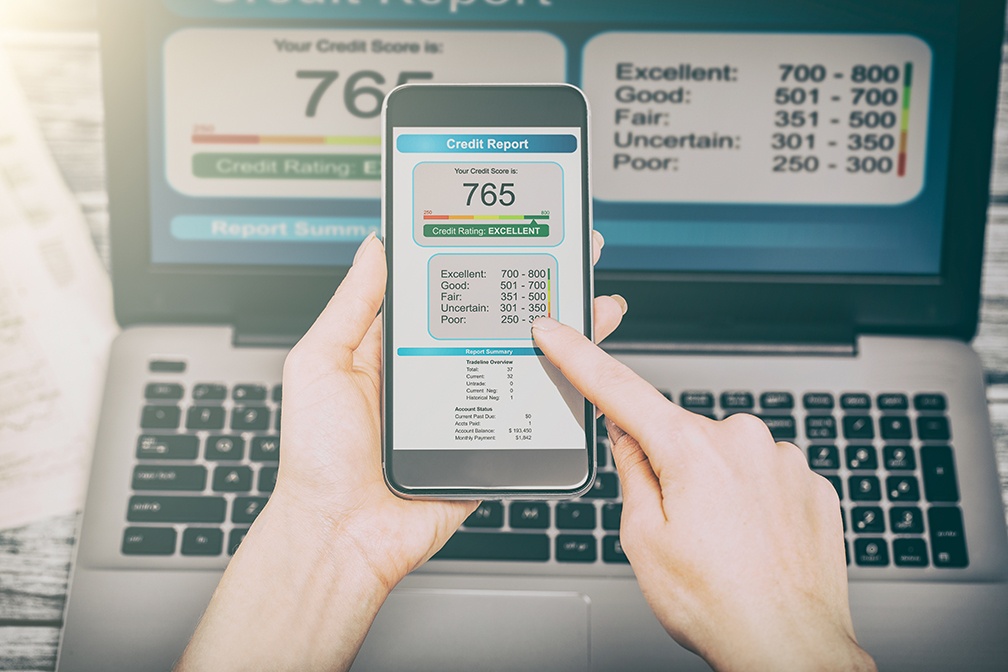
 If you’re worried about your bad credit, you’ll want to do everything in your power to improve your rating as quickly as possible – especially if you have a major purchase coming up. Improving your credit rating can give you access to better interest rates on mortgages or even help you to get that job you’re after.
 If you’re worried about your bad credit, you’ll want to do everything in your power to improve your rating as quickly as possible – especially if you have a major purchase coming up. Improving your credit rating can give you access to better interest rates on mortgages or even help you to get that job you’re after.
 You’ve scoured the new home listings, been to all the open houses and have finally found the home of your dreams. It is now time to draft an offer and begin the negotiation process. Below we’ll share four mistakes that you will want to avoid when making an offer on your dream home.
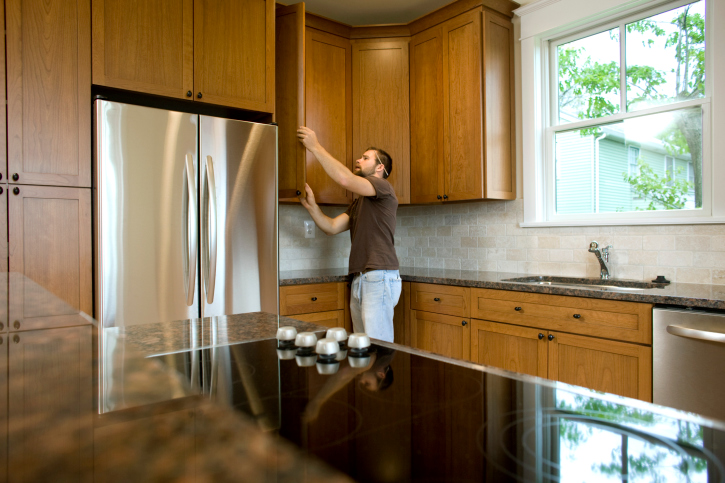 It’s not uncommon for homebuyers to recount horror stories about properties that appeared to be fine at first glance, but were actually hiding very expensive problems. If you fail to do your due diligence, you might find your dream house turning into a nightmare. The next time you walk through a house, pay attention for these five signs that the property might be hiding a unfortounate secret or two.
 Whether you’re just out of college, recently married or simply haven’t jumped into the market yet, buying your first home is an exciting prospect. It can also be an expensive one, which is why most people will take out a mortgage to help finance the cost.