 Choosing a home is not just about the property itself. The surrounding neighborhood will influence your routine, your social life, and your overall satisfaction. Many buyers focus on price and square footage while overlooking how the area aligns with their daily preferences. A neighborhood should reflect your personality and support both your short-term comfort and long-term plans.
Location shapes lifestyle. The environment you return to each evening affects stress levels, relationships, and productivity. When buyers evaluate neighborhoods through a personal lens rather than only a financial one, they make more sustainable decisions.
Understand Your Daily Rhythm
Start by evaluating how you spend your time. Do you prefer quiet evenings or lively surroundings? Do you value walkability, outdoor activity, or privacy? Are you energized by community interaction or restored by solitude? Your neighborhood sets the tone for how your day begins and ends.
Spend time visiting at different hours to observe noise levels, traffic patterns, and overall atmosphere. A location that feels calm on a weekday afternoon may feel very different on a weekend evening. Pay attention to lighting, pedestrian activity, and general pace. These subtle details often reveal more than listing descriptions.
Evaluate Convenience Versus Calm
Access to shops, schools, parks, restaurants, and services can enhance daily life. However, convenience should be balanced with personal comfort. Some buyers thrive in active areas with constant movement. Others prioritize tranquility and limited through traffic.
Think about whether you want your home to be a retreat from activity or part of it. Consider commute times, parking availability, and how easily you can accomplish routine tasks. Convenience reduces friction in daily life, but overstimulation can increase stress. The goal is balance.
Observe Community Culture
Neighborhood personality extends beyond physical layout. Notice how residents maintain properties, interact with neighbors, and use shared spaces. Community involvement, local events, and overall pride of ownership influence long term satisfaction.
If possible, speak with current residents. Ask about noise, safety, and seasonal changes. Firsthand insight provides clarity that online research cannot.
Plan Beyond Today
Consider how your needs may evolve. A neighborhood that fits your current lifestyle should also support future goals. Whether you anticipate career growth, family expansion, remote work, or lifestyle shifts, long term alignment matters.
The right neighborhood feels natural, not forced. When your environment reflects your personality, homeownership becomes more fulfilling and financially sustainable. Thinking about buying or selling a home? Connect today to begin your next move with clarity and confidence.
 Many buyers delay decisions while waiting for a home that checks every box. While patience is valuable, perfection often creates paralysis. Understanding the difference between standards and unrealistic expectations helps buyers move forward with confidence.
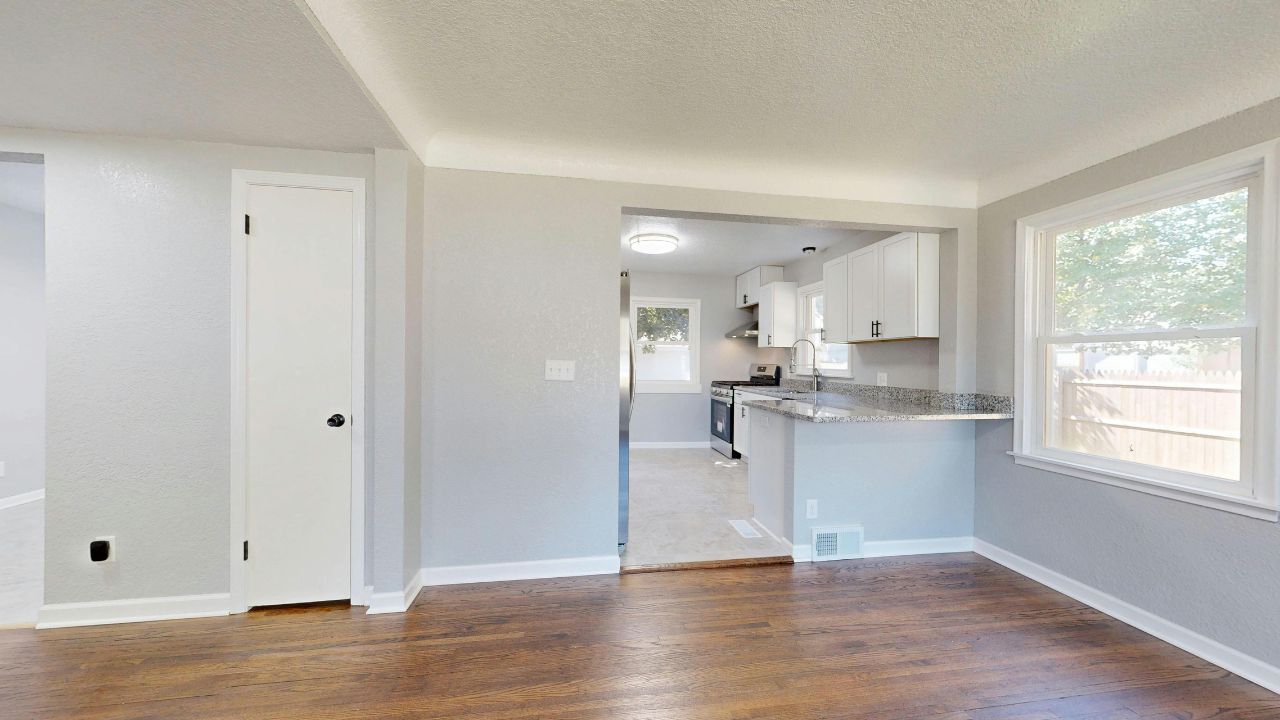 Many buyers start their search with a specific number in mind. Square footage. While size matters, it is rarely the deciding factor in long-term satisfaction. How space functions often matters far more than how much of it exists.
 Most buyers expect an instant emotional reaction when they walk into the right home. The idea of love at first sight is common, but in reality, many of the best homes do not create fireworks immediately. They create possibility, and that is often quieter.
 When you are searching for a home, it is easy to get excited about dramatic features like built-in home theaters. They look impressive, they photograph well, and they feel luxurious during a showing. But as real estate professionals, we see something different in day-to-day living.
 Buying your next home is an exciting milestone, but it also comes with important financial decisions. Whether you are upgrading, downsizing, or relocating, preparation is key. Market conditions evolve, lending standards change, and personal finances shift over time. These seven essential tips will help you approach the process with clarity and confidence.