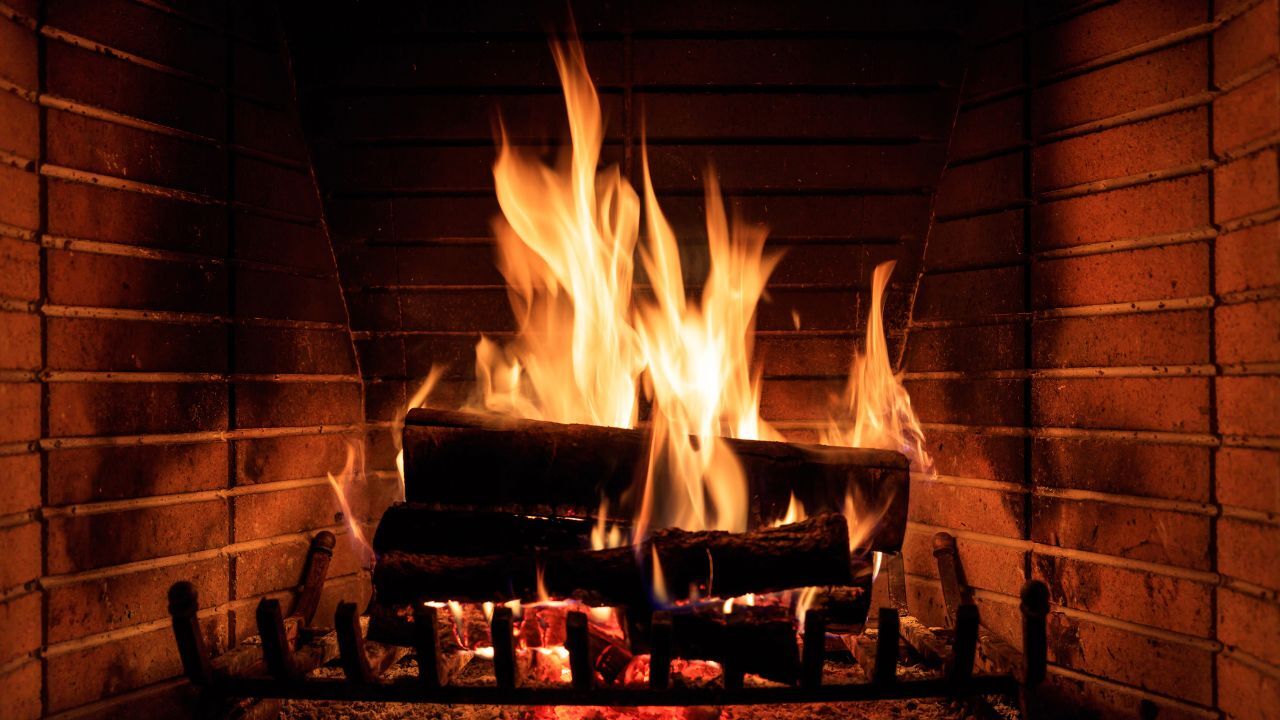
 A fireplace is often considered a symbol of comfort, warmth, and charm in a home. While it may seem like a luxury feature, buying a home with a fireplace can bring numerous advantages that go beyond just providing a cozy ambiance. Whether you’re looking for a functional addition or a way to increase your home’s value, a fireplace can offer both.
- Enhanced Comfort and Coziness
The most obvious benefit of having a fireplace is the comfort it adds to your living space. During the colder months, a fireplace becomes a natural gathering spot for family and friends. The warmth it provides makes rooms feel more inviting and cozier, especially on chilly evenings. There’s something inherently comforting about the crackling sound and soft glow of a fire that simply cannot be replicated by other heating sources. - Cost-Effective Heating
While fireplaces may not be able to heat an entire home, they can significantly reduce heating costs by supplementing your home’s primary heating system. In areas with colder winters, using your fireplace during the evenings or on weekends can help lower energy bills, especially if you have a wood-burning or gas fireplace that is efficient at producing heat. Many homeowners also use their fireplaces as a primary source of heat in smaller spaces, allowing them to conserve energy while enjoying a natural, environmentally friendly heat source. - Increased Home Value
A fireplace is often seen as a desirable feature by prospective buyers. In fact, homes with fireplaces tend to have higher resale value compared to those without. It’s a feature that stands out during showings and can even sway buyers who might otherwise be on the fence. Fireplaces add a sense of luxury and character to a space, making a home feel more unique and inviting. Whether it’s a classic wood-burning fireplace or a sleek, modern gas fireplace, it adds a point of interest to any room. - Aesthetic Appeal and Ambiance
A fireplace is more than just a source of heat; it also serves as a visual focal point in a room. Whether it’s an ornate, vintage hearth or a contemporary design, a fireplace can complement your home’s interior design, making the space feel more elegant or cozy, depending on the style you choose. The presence of a fireplace can also enhance the ambiance, providing a sense of relaxation and tranquility that few other features can offer. It sets a perfect backdrop for family gatherings, romantic dinners, or simply unwinding after a long day. - Ideal for Entertaining
For those who love to entertain, a fireplace can elevate the social atmosphere of your home. It provides a natural gathering space for guests to relax and converse, particularly during cold weather months. Imagine hosting a dinner party or holiday gathering with the soft glow of a fire in the background—it creates an inviting, intimate setting. In addition, fireplaces often become a conversation piece, adding character to your gatherings and making them memorable. - Versatility
A fireplace can be versatile in its function. While it’s typically associated with warmth, many modern fireplaces also come with a decorative aspect. Some can be used for cooking, especially in outdoor spaces or in kitchens designed with a traditional hearth. In recent years, electric and gas fireplaces have become more flexible, allowing homeowners to control the heat output and flame appearance with ease. You can enjoy the aesthetic of a fire without the need to use it for heat, making it a year-round asset. - Low Maintenance Options
If you don’t want to deal with the hassle of maintaining a wood-burning fireplace, you can opt for gas or electric fireplaces, which require significantly less upkeep. These options provide the warmth and ambiance of a traditional fireplace without the need for regular cleaning, wood storage, or venting. Many modern gas fireplaces are designed to be sleek and easy to use, while electric options can be added to any room, providing a cozy atmosphere without the need for a chimney.
Incorporating a fireplace into your home offers a range of benefits, from providing a cozy environment to increasing your home’s resale value. Whether you prefer the traditional charm of a wood-burning fireplace or the modern convenience of a gas model, a fireplace can significantly enhance your living space. It’s an investment that not only adds comfort and style but also serves as a lasting feature that potential buyers may find highly appealing.
If you’re considering buying a home, a fireplace should be on your list of desirable features. Not only will it provide immediate benefits in terms of warmth and ambiance, but it could also be a long-term investment in your home’s value and appeal.
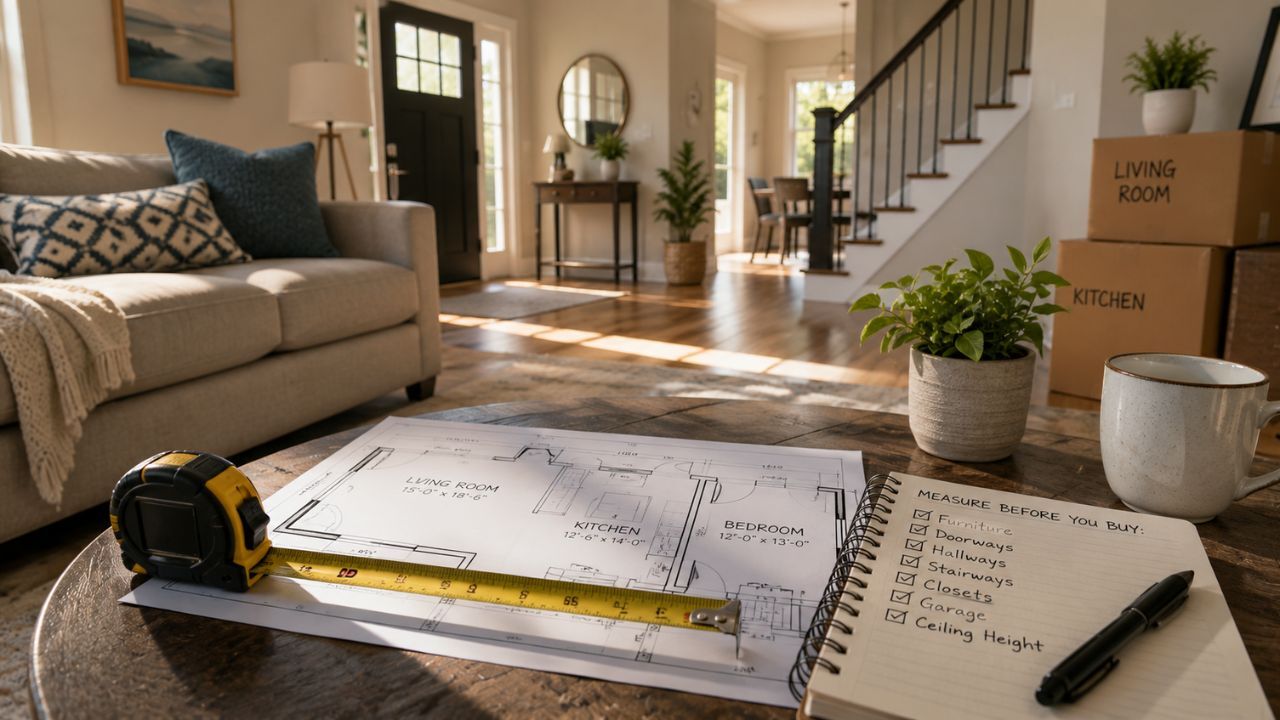 It is easy to fall in love with a home during a showing. The layout feels right, the kitchen is beautiful, and you can already picture where your furniture will go. Unfortunately, many buyers discover after moving in that some of their belongings do not fit quite as expected. Taking a few simple measurements before closing can save time, money, and frustration once moving day arrives.
 When buyers tour a home, they often focus on square footage, finishes, and upgrades. While those factors are important, the layout of a home can have an even greater impact on how comfortable and functional the property feels once you move in. A well-designed floor plan can improve daily living, while a poor layout can create frustrations that become more noticeable over time.
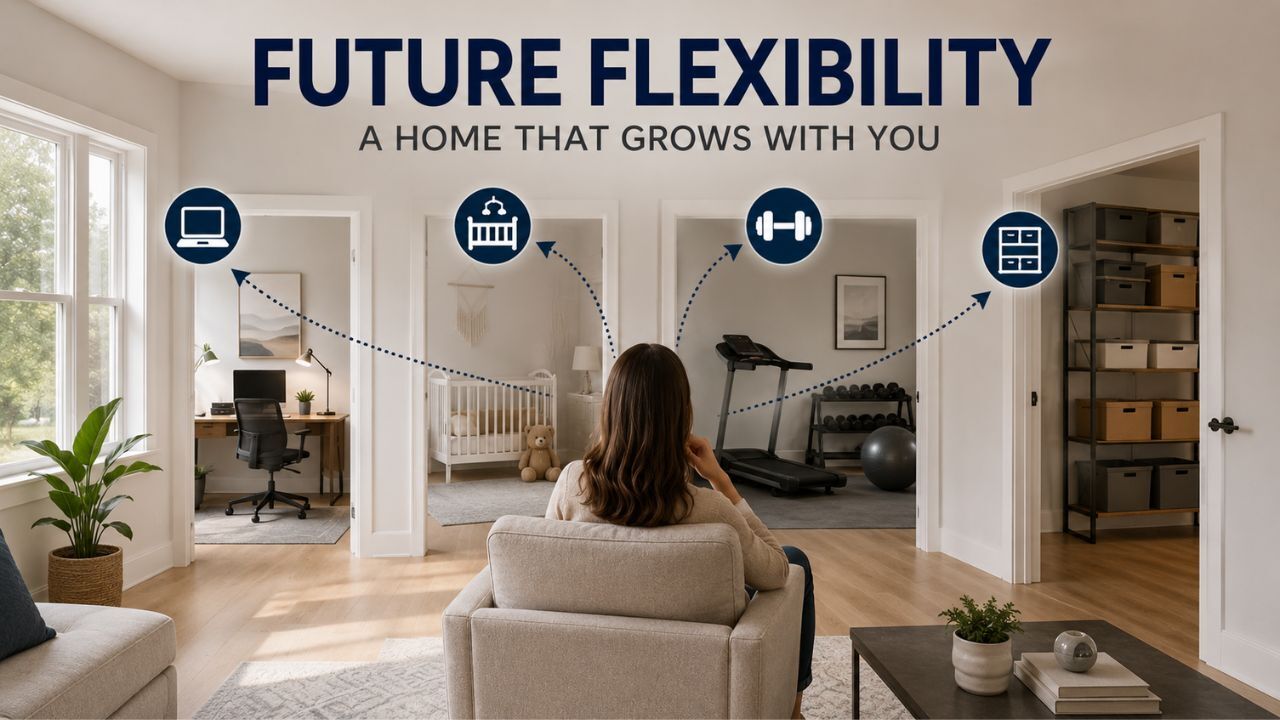 Many buyers walk through a home and focus on what is already there, but it is just as important to notice what the home allows you to do later. Your life may change after you buy. Your household could grow, your work schedule could shift, relatives may visit more often, or you may need new space for hobbies, storage, or privacy. A home that works today should also have some flexibility for tomorrow.
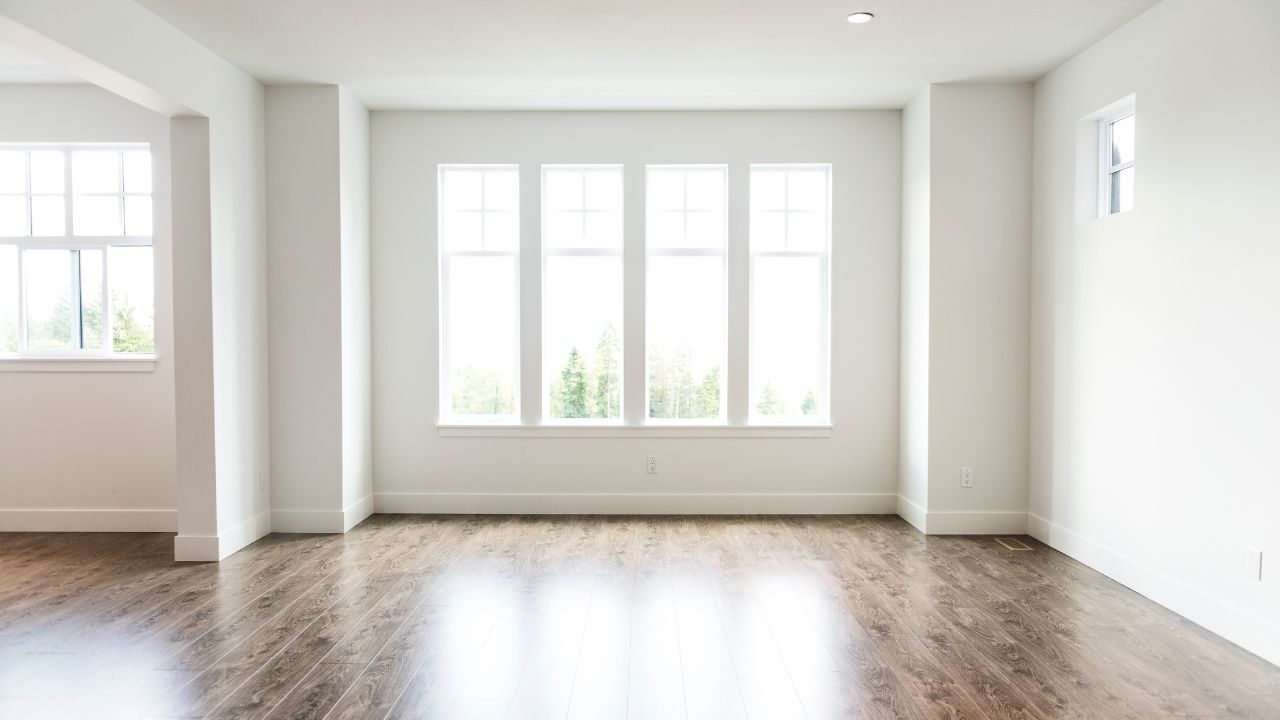 Move-in ready is one of the most popular phrases in real estate, but it does not mean the same thing to everyone. For some buyers, move-in ready means fresh paint, updated finishes, modern appliances, and no visible projects. For others, it means the home is safe, clean, functional, and does not need major repairs immediately. Understanding your personal definition can prevent disappointment.
 When buyers evaluate a home, they often focus on the property itself. They look at square footage, bedrooms, bathrooms, finishes, yard size, and price. Those details matter, but the neighborhood can have just as much influence on long term happiness. A house can be renovated. A location is much harder to change.