 Relocating to a new area can be exciting, but it can also be expensive. There are many resources to help, but most cost money. However, if you take your time and plan carefully, you can reduce the expense so you don’t start your new life with new debt. Here are three tips to controlling your moving budget.
1. Find Out What’s Free
Nothing is better than paying nothing, right? Don’t assume you have to fork out money for everything you need to move. If you have accepted a new job, ask your new employer whether the company can cover any of your moving expenses.
When it comes to moving supplies, see what you can get without having to pay for it. Stock up on free moving supplies by asking your workplace, local grocery stores, and friends and family for unneeded, sturdy boxes. Instead of paying professional movers, see if you can barter with friends or family for help in moving boxes to and from the truck.
2. Focus On Essentials
After you’ve pursued every possible angle to cover your needs for free, you will likely need to pay for something. The trick is to only do so for what is absolutely necessary. Many providers will offer you help along the way, but you should only sign up for basic services. This could include moving big items such as a piano, paying for gas and tolls, or buying cartons for oddly-shaped or particularly valuable items. If you are not able to move things yourself, this could include hiring professionals.
3. Do It Yourself
If you have the time and are physically fit, start long before moving day and pack everything yourself. Rent or borrow a truck and move your boxes yourself, perhaps with the help of a friend. Take care of disconnecting old utilities and signing up for new ones. Handle both cleaning your old home and preparing your new one. Anything you can do with a little elbow grease will mean less money out of pocket.
Call your real estate agent for advice on keeping moving expenses down. Ask about providers who may give you a discount for being referred by your agent. Remember that you are in charge of your move, so don’t automatically sign up for every service available. By using free goods and services when available and doing much of the work yourself, you can set and follow a moving budget you can afford.
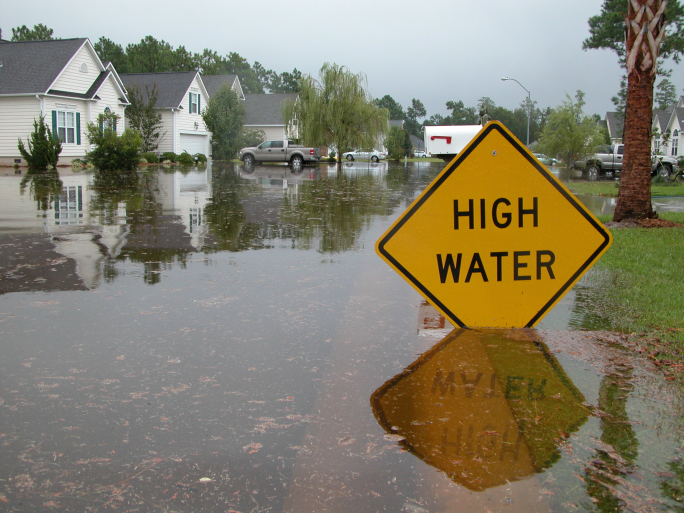 If your home is located in a flood zone, it’s critical that you know how to get ready for those drenching spring rains. Here are some basic steps any homeowner can take to prepare for potentially devastating floods.
 With many types of home improvements, at least a portion of the cost that you put into the improvement can be recouped from additional value when you sell the home.
 When spring arrives, many people want to spend more time outdoors enjoying the fresh air and warmer temperatures. While you could lounge in a chair with a good book, you may find it more enjoyable to plant your own vegetable garden. This is an on-going project that will require you to spend time outdoors regularly, and it can be quite enjoyable to watch the fruits of your labor spring to life. More than that, you may love to sample and even share the tasty treats that you have grown on your own. If you are ready to get started planning and planting your vegetable garden, follow these preliminary steps.
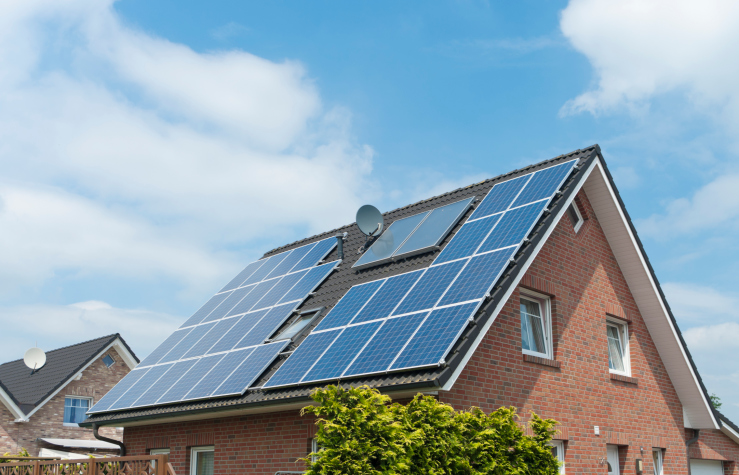 If you are a homeowner, you should always be thinking about ways that you can boost the resale value of your home. Whether you are planning on putting the home on the market, or simply want to be prepared for the future, there are upgrades that can make your property more desirable. Give your home the attention it deserves and you’ll be prepared for whatever may come down the line.
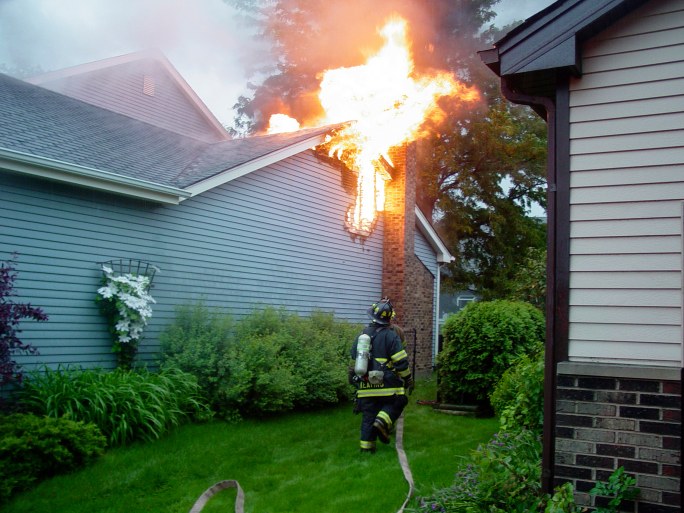 A fire can rage through your home at a moment’s notice, and it can cause a significant amount of damage in a very short period of time. Damage from the flames, intense heat, smoke and soot can cause tens of thousands of dollars or more in some cases, and a severe fire event can result in a total loss for the homeowner. More than that, a fire can create a serious health and safety risk for you and your loved ones inside the home. If you are concerned about how safe your home is from a fire, consider a few important points.