 Home improvements are key investments when it comes to quality of life and property value. While decks, solar panels and smart technologies are trendy options, installing a home generator may be even more valuable. That’s because backup generators not only improve market value, they also protect you and your home during severe weather incidents.
Consider these four reasons why a home generator makes good sense.
Protect Against Severe Weather
The impact of severe weather can reach catastrophic proportions. Thousands of people are left without electricity for days — even weeks — after storms. Heat waves also put an inordinate strain on the power grid when all of those air conditioners and HVAC go into 24-hour overdrive.
The consequences of extended power losses are generally fouled foods in the refrigerator and freezer, unbearable temperatures and an inability to take corrective measures to the physical property itself. When the grid goes down, you may be left powerless as the losses mount.
Keeps Critical Systems Operational
When the power goes down for an extended period of time, important electronics become inoperable. If you work from home or rely on electronic devices to earn a living, either you’re putting in for vacation time or losing money. But beyond the financial implications, many people need power for vital medical equipment to function. It’s simply too risky to not have a backup plan if you or a loved one suffers from a health condition.
Backup Generators Improve Home Security
We have all seen the national news coverage about post-storm or brownout crime waves. Looting and burglary ran rampant when residents are evacuated. That’s because criminals know full well that your alarm system went down with the power.
Consider the accumulated wealth you have at home and irreplaceable personal items. Those could be lost if your home gets robbed during a power outage. Fortunately, installing a home generator will allow you to keep the lights on and thugs away. Just having your lights on at night demonstrates that you have electricity and that acts as a powerful deterrent. A backup generator provides peace of mind against theft.
Backup Generators Improve Property Values
It only makes sense that a home generator will increase your property value. After all, home generator installations are direct financial investments.
According to Consumer Reports, installing a home generator can improve your home’s value by as much as 3-5 percent. Similarly, Remodeling Magazine indicated that the return on investment for a home generator installing can range as high as 150 percent. Of course, those figures may be weighed against the money you saved by being powered up when the grid was down as well.
The point of this discussion is that while new kitchens and smart homes are exciting ways to amp up your home’s values, improvements such as backup generators have a quiet value worth considering.
Your trusted real estate agent is available to suggest other home improvement tips that can help to improve the value of your property when you are getting ready to put it on the market.
 Sleek modern kitchens were all the rage a couple of years ago. But now, homeowners are re-creating the Happy Days right at home. Retro styles from the 50s and 60s are making a comeback in the kitchen. Just make sure you combine the old with the new. Using too many vintage touches can make your kitchen go from looking trendy to outdated.
 Last Week’s economic readings included reports on inflation, mortgage rates, new jobless claims and consumer sentiment.
 Historians like to say that those who do not learn the lessons of the past are doomed to repeat them. In the real estate industry, the chances of that happening are slim because agents and other professionals follow market trends closely.
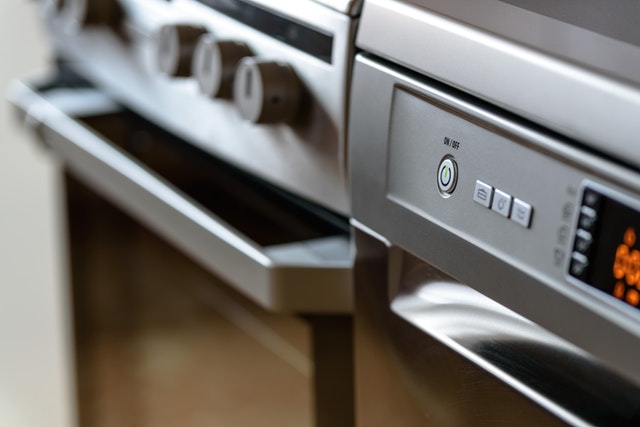 There’s perhaps no better indicator that we are living in the technology age than Smart gadgets infiltrating the kitchen. Whether they are little conveniences or big-ticket items, the chef in every home can benefit from the devices that help improve cooking, storage and food preparation. These are some of the next generation kitchen items that are making life a little easier and homes a tad more valuable.
 In the ideal home-buying scenario, you’d have plenty of time to find the perfect home. However, this is not always possible. Maybe you are relocating for a job and have to buy a house from across the country. If this is the case, you might have to limit the time that you spend house hunting.