
Sunrise Homes & Renovations, Inc.

  • Home
  • About
    • About Us
    • Recognition
      • Disaster Contractors Network
      • US EPA Certified
    • Accessibility Statement
  • Example Models
  • Renovations
  • Resources
    • First Time Home Buyer Tips
    • First Time Home Seller Tips
  • Blog
  • Contact

Four Easy Ways to make the most of your outdoor living space

February 14, 2024 by Rhonda Costa

In today’s fast-paced world, finding ways to unwind and connect with nature is increasingly important. One of the best ways to do this is by making the most of your outdoor living space. Whether you have a smaller backyard or a cozy balcony, there are plenty of easy ways to transform it into a welcoming oasis where you can relax, entertain, and enjoy the beauty of the outdoors. In this article, we’ll explore four simple yet effective ways.

Create Comfortable Seating Areas:

One of the keys to enjoying your outdoor space is having comfortable seating where you can relax and unwind. Depending on the size of your space, consider adding a mix of seating options such as lounge chairs, benches, and outdoor sofas. Opt for weather-resistant materials like wicker, teak, or metal that can withstand the elements and require minimal maintenance. Adding cushions, throw pillows, and outdoor rugs can also help create a cozy and inviting atmosphere.

Incorporate Greenery and Plants:

Bringing greenery into your outdoor space can instantly breathe life and freshness into the area. Consider adding potted plants, hanging baskets, or vertical gardens to add color and texture to your outdoor oasis. Choose a variety of plants that thrive in your climate and require minimal upkeep, such as succulents, ferns, and herbs. Not only will they enhance the beauty of your space, but they’ll also help improve air quality and create a sense of tranquility.

Define Functional Zones:

To make the most of your outdoor living space, consider dividing it into distinct functional zones based on your needs and preferences. For example, you could create a dining area with a table and chairs for al fresco meals, a cozy reading nook with a hammock or swing, and a gathering spot around a fire pit or outdoor fireplace for evening conversations. By defining these zones, you can maximize the usability of your space and create different areas for relaxation, entertainment, and socializing.

Add Ambient Lighting:

The right lighting can transform your outdoor space and create a magical ambiance, especially in the evenings. Consider incorporating a mix of ambient, task, and accent lighting to illuminate different areas and create depth and dimension. String lights, lanterns, and solar-powered pathway lights are easy and affordable options for adding warmth and charm to your outdoor oasis. Don’t forget to highlight architectural features, plants, and focal points to create visual interest and enhance the overall atmosphere.

Your outdoor living space is an extension of your home and should be a place where you can retreat, unwind, and connect with nature. By following these four easy tips, you can transform your outdoor space into a welcoming oasis that reflects your style and enhances your quality of life. Whether you’re hosting gatherings with friends and family or simply enjoying a quiet moment alone, making the most of your outdoor living space will allow you to fully embrace the beauty and serenity of the outdoors.


Filed Under: Real Estate Tagged With: Outdoor Living, Real Estate

Consider an Adjustable-Rate Mortgage If You Plan to Sell Within 5 Years

February 13, 2024 by Rhonda Costa

Which is better — a fixed-rate mortgage or an adjustable-rate mortgage (ARM)? It’s a common question among home buyers and refinancing households. The answer? It depends.

Fixed-rate mortgages offer the certainty of a known, unchanging principal and interest payment for the life of the loan. This stability can aid in budget-setting and financial planning, providing homeowners with a sense of security and peace of mind.

On the other hand, adjustable-rate mortgages do not provide the same level of certainty. After an initial introductory period, the interest rate on the loan adjusts periodically based on prevailing market conditions. While this uncertainty may deter some, ARMs often feature very low initial interest rates compared to fixed-rate loans.

These savings make adjustable-rate mortgages particularly appealing for individuals in specific scenarios:

Short-Term Ownership Plans: If you intend to sell your home within 5 years, opting for a 5-year ARM could be advantageous. The lower initial payments can help maximize your cash flow during the ownership period.

Current Fixed-Rate Mortgage Holders: Homeowners currently financed with a 30-year fixed mortgage who plan to sell within 5 years might find switching to a 5-year ARM beneficial, especially if they’re seeking lower payments.

Comfort with Uncertainty: If you’re comfortable with payment uncertainty over the long term and prioritize lower initial payments, an adjustable-rate mortgage may align well with your financial goals.

Additionally, homeowners with existing ARMs nearing adjustment may consider refinancing into a new ARM to extend the teaser rate period and delay potential payment increases.

However, before committing to an adjustable-rate mortgage, it’s crucial to consult with your loan officer to fully understand how ARMs function and the associated risks, both in the near and long term. While the initial payment savings can be tempting, it’s important to recognize that with an ARM, payment structures are subject to change.

For individuals planning to sell their homes within 5 years or those seeking lower initial payments and are comfortable with payment uncertainty, an adjustable-rate mortgage can be a strategic financial choice. However, thorough research and consultation with financial professionals are essential to ensure that the selected mortgage aligns with your long-term financial objectives.

Filed Under: Real Estate Tagged With: Adjustable Rate Mortgage, Buying and selling, Real Estate

What’s Ahead For Mortgage Rates This Week – February 12th, 2024

February 12, 2024 by Rhonda Costa

This week is the release of Core CPI and PPI numbers for January. The only data release of note is the trade deficit and the usual unemployment reports for the prior week. The current trade deficit for the U.S. is operating precisely within expectations and correlating GDP numbers. This current week will provide further guidance for the Federal Reserve as the next release of inflation data is released.

U.S. Trade Deficit

The U.S. trade deficit rose slightly in December, but the annual gap still fell to the lowest level in three years and added to the economy’s strong performance in 2023.

Record deficits in 2021 and 2022, by contrast, acted as a big drag on gross domestic product, the official scorecard of the U.S. economy.

Primary Mortgage Market Survey Index

• 15-Yr FRM rates saw a decrease by -0.04% with the current rate at 5.90%
• 30-Yr FRM rates saw a decrease by 0.01% with the current rate at 6.64%

MND Rate Index

• 30-Yr FHA rates are seeing a -0.05% decrease for this week. Current rates at 6.22%
• 30-Yr VA rates are seeing a -0.06% decrease for this week. Current rates at 6.24%

Jobless Claims

Initial Claims were reported to be 218,000 compared to the expected claims of 220,000. The prior week landed at 227,000.

What’s Ahead

Core CPI and Core PPI numbers are the primary reports being released this week. Given the Federal Reserve hesitation to move on any pending rate cuts, each release of inflation data that goes well, further adds conviction the Federal Reserve will soon be looking to cut rates after a satisfactory period.

Filed Under: Financial Reports Tagged With: Financial Report, Jobless Claims, Mortgage Rates

Balancing Educational Debt with Homeownership Goals

February 9, 2024 by Rhonda Costa

In the pursuit of the American dream, many individuals find themselves walking a tightrope between educational aspirations and the desire to own a home. The burden of student loan debt can often seem impossible, making the prospect of homeownership feel like a distant dream. With strategic planning and disciplined financial management, it’s possible to strike a balance between educational debt and homeownership goals. Here are a few effective strategies to help you navigate this delicate balancing act.

Understand Your Student Loan Landscape:

Before diving into homeownership, it’s crucial to have a comprehensive understanding of your student loan portfolio. Take stock of your outstanding balances, interest rates, and repayment terms. Knowing the specifics of your loans will empower you to make informed decisions about your financial future.

Create a Budget and Stick to It:

Budgeting is the foundation of financial success. Evaluate your income, expenses, and flexible spending. Allocate a portion of your income to student loan payments while setting aside savings for your future home. Adopting a disciplined budgeting approach will not only expedite your debt repayment but also help you accumulate a down payment for your future home.

Explore Loan Repayment Options:

Investigate various student loan repayment plans, such as income-driven repayment options. These plans can cap your monthly payments based on your income, making it more manageable to balance debt repayment with other financial goals. Additionally, some forgiveness programs may alleviate a portion of your student loan burden over time.

Prioritize High-Interest Debts:

If you have multiple debts, prioritize high-interest loans. By tackling these first, you’ll save money on interest payments in the long run. This strategy can free up more funds for saving toward homeownership while reducing the overall financial strain.

Boost Your Income:

Consider opportunities to increase your income, such as pursuing a side hustle or advancing your career. The additional income can be directed toward accelerating your student loan repayment and saving for a down payment.

Establish an Emergency Fund:

Building an emergency fund is essential before embarking on homeownership. Unforeseen expenses can arise, and having a financial safety net can prevent you from dipping into your homeownership savings or accumulating additional debt. Aim for three to six months’ worth of living expenses in your emergency fund.

Explore Homeownership Assistance Programs:

Investigate government programs and initiatives that support first-time homebuyers. Some programs offer down payment assistance or favorable loan terms, helping to ease the financial burden of homeownership.

Balancing educational debt with homeownership goals requires careful planning and dedication, but it is certainly achievable. By understanding your student loan landscape, creating a budget, exploring repayment options, prioritizing high-interest debts, boosting your income, establishing an emergency fund, and leveraging homeownership assistance programs, you can navigate the tightrope with confidence. Remember, the journey may be challenging, but with strategic financial management, you can achieve both your educational and homeownership aspirations.

Filed Under: Student Loans Tagged With: Budgeting, New Home, Student Loans

Home Warranty Plans: Protecting Your Investment and Budget

February 8, 2024 by Rhonda Costa

Owning a home is a significant milestone, representing a culmination of hard work, dreams, and financial investment. However, as any homeowner knows, unexpected repairs and maintenance issues can quickly arise, posing a challenge to both your peace of mind and your budget. This is where home warranty plans step in, offering a layer of protection and financial security for homeowners. In this guide, we’ll explore what home warranty plans entail, how they work, and why they are a valuable asset for protecting your investment and budget.
Understanding Home Warranty Plans

A home warranty is a service contract that covers the repair or replacement of major home systems and appliances due to normal wear and tear. Unlike homeowner’s insurance, which typically covers damages caused by unforeseen events like fire or natural disasters, home warranties focus on the mechanical breakdown of covered items such as HVAC systems, plumbing, electrical systems, kitchen appliances, and more.

How Home Warranty Plans Work

When you purchase a home warranty plan, you pay a monthly or annual premium to the warranty company. In return, the company agrees to cover the cost of repairing or replacing covered items when they malfunction or fail due to normal usage. When a covered item breaks down, you simply contact your warranty provider, who will then dispatch a qualified service technician to assess the issue and perform the necessary repairs or replacements.

The Benefits of Home Warranty Plans

Financial Protection: Home repairs can be costly, often running into hundreds or even thousands of dollars. A home warranty plan provides financial protection by covering the majority of repair or replacement costs, helping you avoid unexpected expenses and budgetary strain.

Convenience: Dealing with home repairs can be a time-consuming and stressful process. With a home warranty plan, you can simply place a service request and have a qualified technician handle the rest, saving you time and hassle.

Peace of Mind: Homeownership comes with its share of uncertainties. A home warranty offers peace of mind, knowing that you have a reliable safety net in place to address unexpected breakdowns and malfunctions.

Added Value: For homeowners looking to sell their property, offering a home warranty can be a valuable selling point. Potential buyers may be more inclined to purchase a home that comes with a warranty, knowing that they’ll be protected against unforeseen repairs in the initial years of homeownership.

Choosing the Right Home Warranty Plan

When selecting a home warranty plan, it’s essential to consider several factors:

Coverage Options: Review the coverage options offered by different warranty companies to ensure they align with your specific needs. Some plans may focus solely on appliances, while others may include both appliances and major home systems.

Cost: Compare the monthly or annual premiums, deductibles, and service fees associated with each plan. While it’s tempting to opt for the cheapest option, be sure to consider the level of coverage and quality of service provided.

Exclusions and Limitations: Pay close attention to the exclusions and limitations outlined in the warranty contract. Some items may not be covered, or there may be restrictions on the maximum payout amount for repairs or replacements.

Customer Reviews and Reputation: Research the reputation of the warranty company by reading customer reviews and testimonials. Look for companies with a track record of prompt and reliable service.

A home warranty plan is an invaluable tool for homeowners seeking to protect their investment and budget against unexpected repairs and maintenance issues. By providing financial protection, convenience, and peace of mind, home warranties offer a practical solution to the challenges of homeownership. When choosing a home warranty plan, carefully consider your coverage needs, costs, and the reputation of the warranty provider. With the right plan in place, you can enjoy greater confidence and security in your home ownership journey.

Filed Under: Home Buyer Tips Tagged With: Budget, Home Warranty, Real Estate

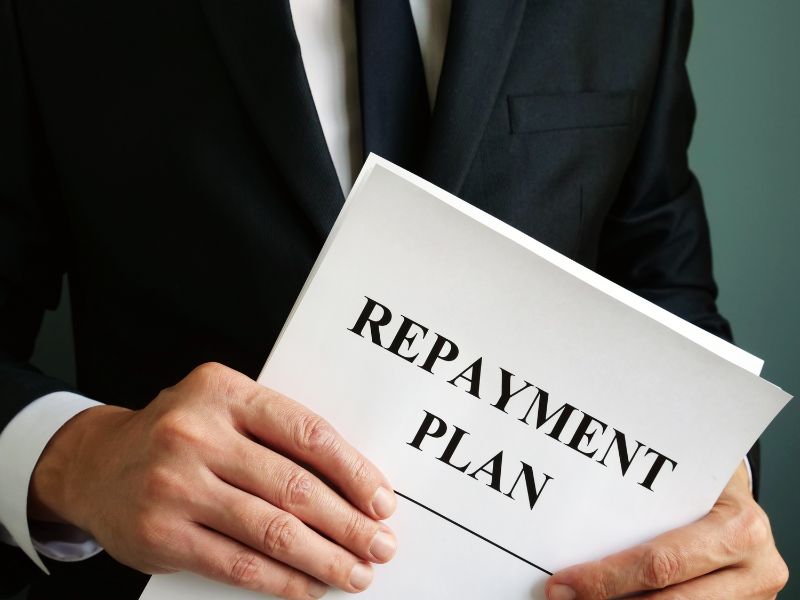
Understanding, Avoiding, and Mitigating Early Mortgage Repayment Fees

February 7, 2024 by Rhonda Costa

Mortgage prepayment penalties are fees charged by lenders when borrowers pay off their mortgages before the agreed-upon term. These penalties are designed to compensate lenders for potential lost interest income and can significantly impact borrowers who want to pay off their mortgages early. Here’s what borrowers should watch out for and how to avoid or mitigate prepayment penalties:

Understand the Terms of Your Mortgage Agreement:

Before signing any mortgage agreement, carefully review the terms and conditions related to prepayment. Look for information about prepayment penalties, including how they are calculated and under what circumstances they may apply.

There are generally two types of prepayment penalties called hard prepayment penalties and soft prepayment penalties.

Hard Prepayment Penalties:
These are fixed fees and are typically expressed as a percentage of the loan amount. They are charged regardless of the reason for prepayment.

Soft Prepayment Penalties:
These are more flexible and may only be charged if the borrower pays off a significant portion of the loan within a certain period, such as the first few years of the loan term.

Negotiate Terms Before Signing: If possible, negotiate the terms of your mortgage before signing the agreement. Some lenders may be willing to reduce or eliminate prepayment penalties, especially if you have a strong credit history and a good relationship with the lender.

Choose Mortgages with No Prepayment Penalties: Some mortgage products come with no prepayment penalties. If prepayment flexibility is essential to you, consider exploring mortgage options that explicitly state the absence of prepayment penalties.

Consider Refinancing: If you’re already in a mortgage with prepayment penalties and want to pay off your loan early, consider refinancing. By refinancing, you can secure a new mortgage without prepayment penalties, allowing you more flexibility in managing your loan.

Check State Regulations: Mortgage regulations vary by state, and some states may have restrictions on the types and amounts of prepayment penalties that lenders can impose. Familiarize yourself with the regulations in your state to understand your rights as a borrower.

Seek Legal Advice: If you’re unsure about the terms of your mortgage or believe that prepayment penalties are unfair, consider seeking legal advice. An attorney with expertise in real estate law can review your mortgage agreement and provide guidance on the best course of action.

Review Loan Estimates and Closing Documents: Before closing on a mortgage, carefully review the loan estimates and closing documents. Ensure that the terms you discussed with the lender are accurately reflected in the final documents.

Understanding the terms of your mortgage and taking proactive steps to mitigate prepayment penalties can save you money and provide greater flexibility in managing your finances. Always consult with financial and legal professionals to ensure you make informed decisions based on your specific situation.

Filed Under: Home Mortgage Tips Tagged With: Loan Estimates, Mortgage Fees, Penalties

  • « Previous Page
  • 1
  • …
  • 105
  • 106
  • 107
  • 108
  • 109
  • …
  • 475
  • Next Page »

Rhonda & Steve Costa

Rhonda & Steve Costa

Call (352) 398-6790
Sunrise Homes & Renovations, Inc.

Contractors License #CBC 1254207

Let’s Keep In Touch!

  • This field is for validation purposes and should be left unchanged.

Connect With Us on Social Media

Categories

Looking For Something?

Our Location


Spring Hill, FL 34608

Equal Housing Opp

Return to top of page

Copyright © 2026 Sunrise Homes & Renovations, Inc.. All rights reserved.   Log In